
Plastic Materials for CNC Machining
Engineering plastics are widely used in CNC machining for applications requiring lightweight components, electrical insulation, and chemical resistance. They are ideal for functional prototypes and low-load production parts.
At CNCTAL, we machine a wide range of engineering plastics with controlled tolerances and clean surface finishes, ensuring stable performance across different industrial applications.
- Lightweight and corrosion-resistant
- Excellent electrical insulation properties
- Good machinability and dimensional stability
- Cost-effective for functional prototyping
Common Plastic Materials We Machine
POM (Delrin / Acetal) Nylon (PA6 / PA66) PTFE (Teflon) ABS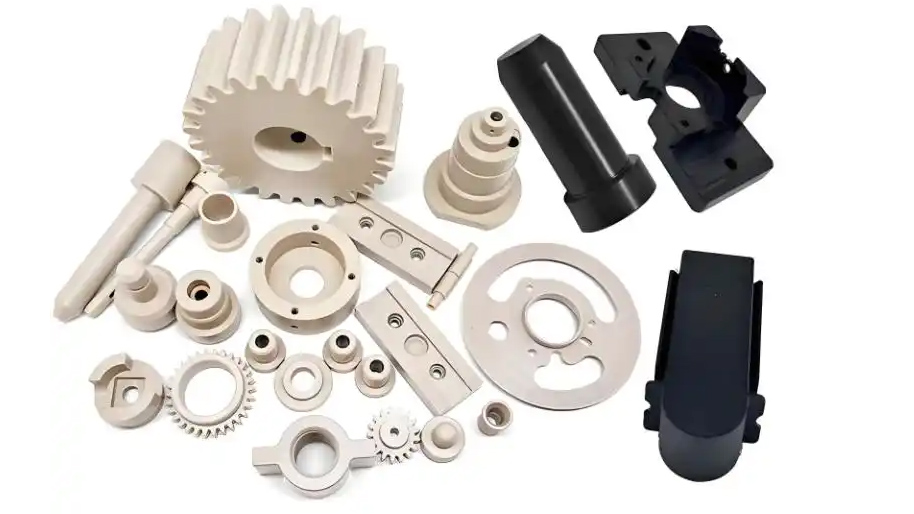
Plastic Materials Quick Comparison
Choose the right plastic material based on mechanical, chemical, and thermal requirements. This guide provides a concise overview for CNC machining applications.
POM (Delrin / Acetal)
- Excellent dimensional stability
- Low friction, good wear resistance
- Ideal for gears, bearings, and precision components
Precision, low friction, and dimensional accuracy are critical.
Nylon (PA6 / PA66)
- High impact and wear resistance
- Good toughness under load
- Excellent for mechanical components and sliding parts
Strength, wear resistance, and moderate load-bearing are required.
PTFE (Teflon)
- Outstanding chemical resistance
- Very low friction coefficient
- Suitable for seals, insulators, and chemical parts
Chemical resistance or extremely low friction surfaces are required.
ABS
- Lightweight and easy to machine
- Good for prototypes and low-load parts
- Economical solution for housings and covers
Cost efficiency, rapid prototyping, and non-critical load-bearing are the main priorities.
CNC Machining Material Categories
We machine a wide range of metals and engineering plastics. Each material category is selected and processed based on machinability, dimensional stability, and long-term reliability in real production environments.
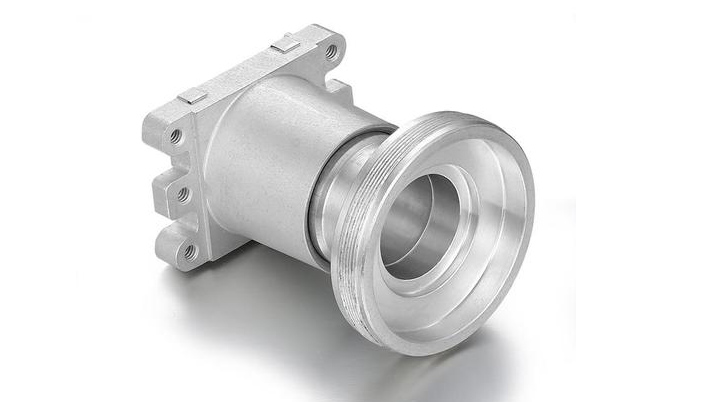
Aluminum Alloys
Lightweight, stable, and highly machinable. Aluminum is ideal for precision parts requiring tight tolerances and excellent surface finishes.
- Excellent machinability
- Low deformation risk
- Ideal for anodizing
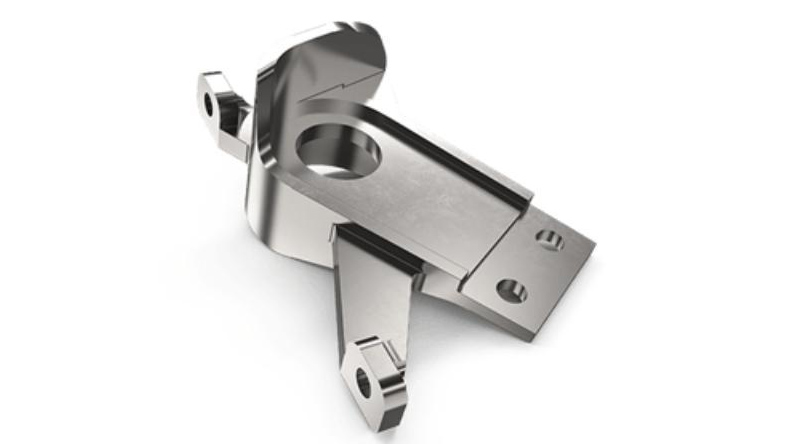
Stainless Steel
Known for corrosion resistance and mechanical strength, stainless steel is widely used in demanding industrial and medical applications.
- Excellent corrosion resistance
- High structural strength
- Consistent dimensional stability
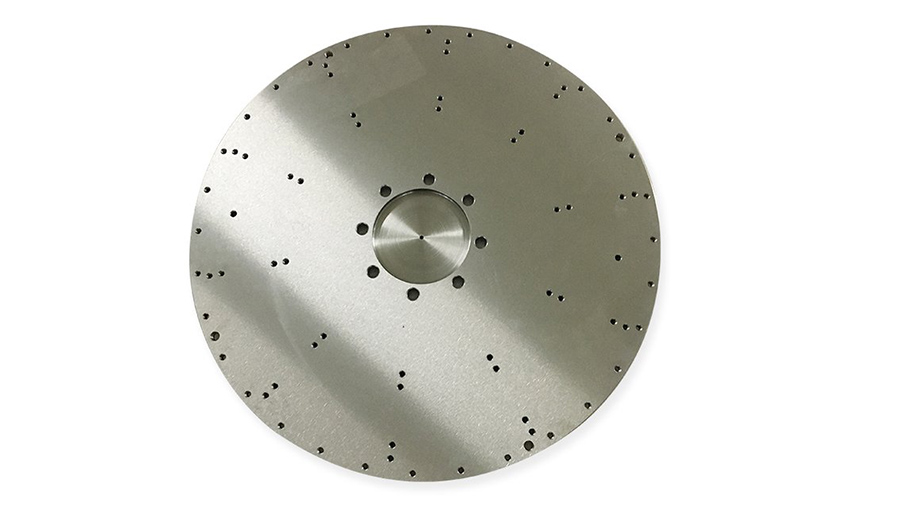
Carbon & Alloy Steel
A balanced choice offering strength, durability, and cost efficiency, especially suitable for mechanical and load-bearing components.
- Good strength-to-cost ratio
- Suitable for heat treatment
- Stable for batch production
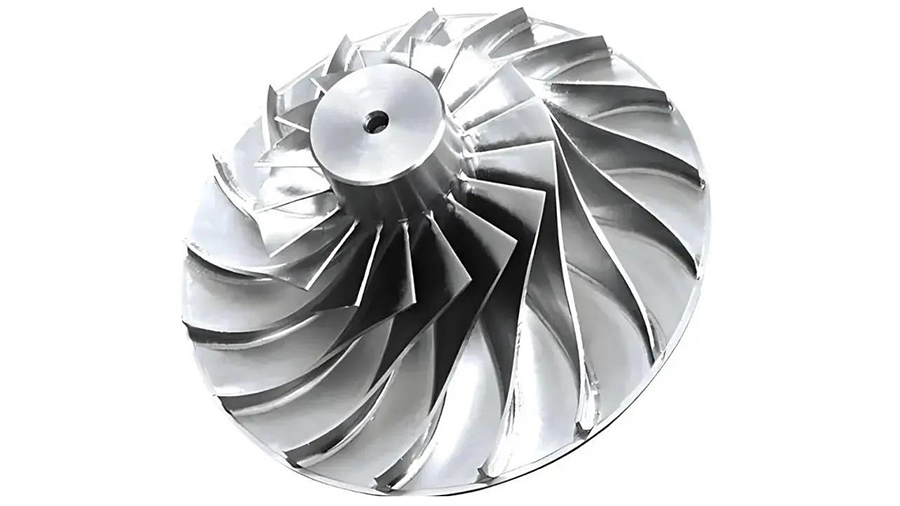
Titanium Alloys
Titanium offers exceptional strength-to-weight ratio and corrosion resistance, making it ideal for aerospace and medical components.
- High strength-to-weight ratio
- Excellent corrosion resistance
- Advanced CNC process control required
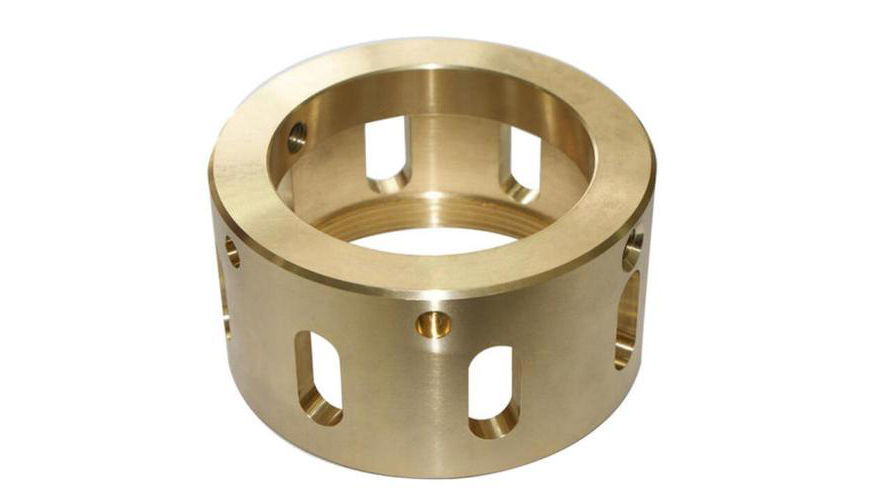
Copper & Brass
Ideal for electrical and thermal applications where conductivity and precision are critical.
- Excellent electrical conductivity
- Good surface finish
- Precision control required
Engineering Plastics
Engineering plastics provide chemical resistance, low weight, and dimensional stability for non-metal applications.
- Low weight & chemical resistance
- Stable for precision machining
- Ideal for insulation components
Material Selection Guide
Choosing the right material is critical to performance, cost, and lead time. This guide helps engineers and buyers quickly compare common CNC machining materials based on strength, weight, corrosion resistance, machinability, and cost.
| Material | Strength | Weight | Corrosion Resistance | Machinability | Cost Level | Best For |
|---|---|---|---|---|---|---|
| Aluminum | Medium | Very Light | Good | Excellent | Low – Medium | Lightweight parts, housings, prototypes |
| Stainless Steel | High | Heavy | Excellent | Medium | High | Medical, food-grade, outdoor components |
| Carbon Steel | Medium – High | Heavy | Poor | Good | Low | Structural parts, brackets, shafts |
| Alloy Steel | Very High | Heavy | Poor – Medium | Medium | Medium | Gears, tooling, load-bearing components |
| Brass | Medium | Medium | Good | Excellent | Medium | Fittings, valves, decorative parts |
| Copper | Low – Medium | Heavy | Excellent | Poor | High | Electrical, thermal applications |
| Plastic (POM / Nylon) | Low | Very Light | Excellent | Excellent | Low | Insulators, low-load functional parts |
* This material guide is for reference only. Final material selection should consider part geometry, tolerance, surface finish, operating environment, and production volume. Our engineers are happy to recommend the most suitable material for your project.
Not Sure Which Material to Choose?
Our engineers can help you select the optimal material for your CNC machined parts based on strength, cost, weight, and application environment. Upload your drawings or contact us for a professional recommendation.
Contact Us / Upload Drawing