
Aluminum CNC Machining Services for Precision Parts
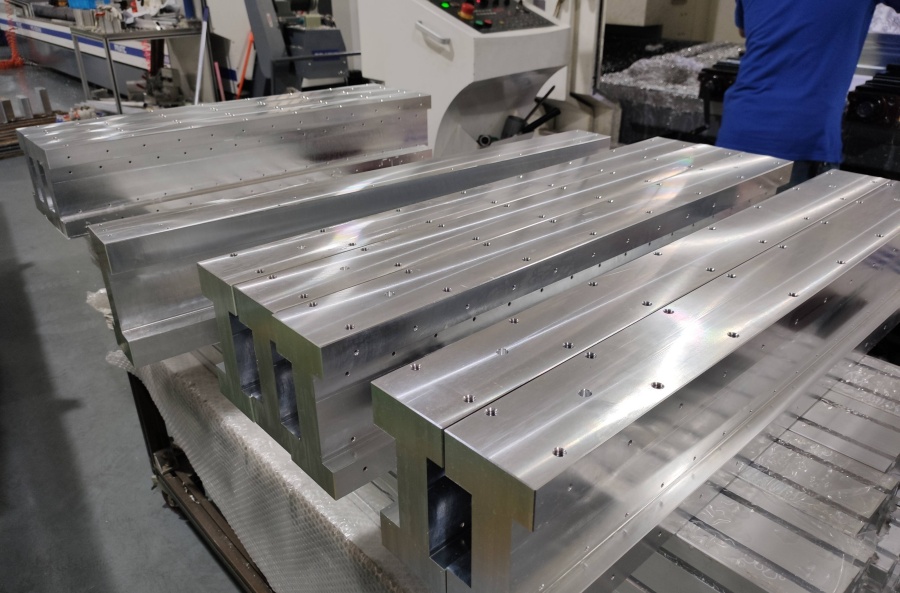
CNCTAL manufactures custom aluminum CNC machined parts for prototypes, engineering projects, and low-volume production. With advanced CNC milling, turning, and multi-axis machining, we deliver lightweight aluminum components with tight tolerances and professional surface finishes.
Key Benefits of Aluminum CNC Machining
Aluminum is one of the most widely used CNC machining materials because it offers an excellent balance of speed, strength, corrosion resistance, and surface finish. It is ideal for producing high-quality custom parts at a competitive cost.
Excellent Machinability
Aluminum is easy to machine, allowing faster cutting speeds, shorter lead times, and lower production costs for both prototypes and low-volume orders.
Lightweight & Strong
With a high strength-to-weight ratio, aluminum is a practical choice for parts that need to stay light while maintaining good structural performance.
Good Corrosion Resistance
Aluminum naturally forms a protective oxide layer, making it suitable for many industrial, outdoor, and general engineering applications.
Great Surface Finishing
Aluminum supports a wide range of post-processing options, including anodizing, sandblasting, polishing, and other finishes for both function and appearance.
What is Aluminum CNC Machining?
Aluminum CNC machining is a precision manufacturing process that uses computer-controlled cutting tools to produce custom aluminum parts with tight tolerances, clean finishes, and consistent repeatability. It is one of the most widely used machining solutions for lightweight and high-performance components across many industries.
A Reliable Choice for Lightweight, Precise, and Cost-Effective Parts
Aluminum is one of the most popular materials for CNC machining because it offers an excellent balance of machinability, strength, corrosion resistance, and cost efficiency. Compared with many other metals, aluminum is easier to machine, which helps reduce production time and overall manufacturing cost.
At CNCTAL, we machine custom aluminum parts for prototypes, one-off components, and low-volume production. Whether you need milled parts, turned parts, or finished components with anodizing and other surface treatments, aluminum is a practical and versatile material for many engineering applications.
- Excellent machinability for fast and efficient production
- Lightweight with a strong strength-to-weight ratio
- Good corrosion resistance for industrial use
- Suitable for milling, turning, drilling, and finishing
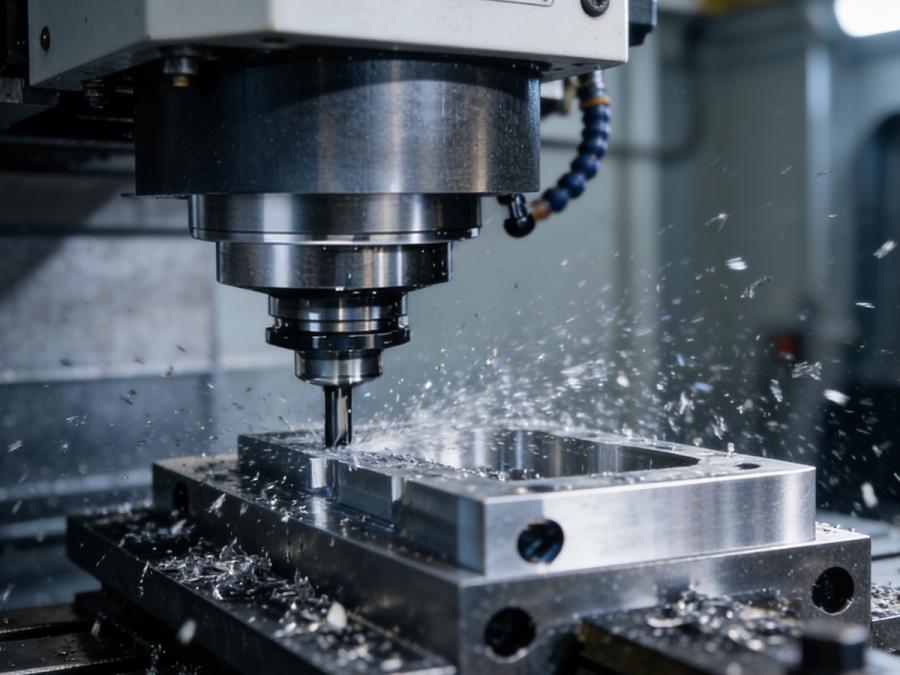
Common Aluminum Alloys for CNC Machining
CNCTAL supports multiple aluminum alloys for precision CNC machining. Choose the right material based on strength, corrosion resistance, machinability, and application requirements.
Aluminum 5052
Aluminum 5052 provides excellent corrosion resistance and good formability, making it suitable for industrial, marine, and enclosure applications.
- Excellent corrosion resistance
- Good weldability and formability
- Suitable for outdoor components
Aluminum 6061
Aluminum 6061 offers an excellent balance of strength, machinability, corrosion resistance, and cost. It is widely used for precision mechanical parts.
- Excellent CNC machinability
- Balanced mechanical properties
- Ideal for prototypes and production
Aluminum 7075
Aluminum 7075 provides superior strength and hardness. It is commonly selected for aerospace, performance, and load-bearing components.
- High strength-to-weight ratio
- Excellent hardness
- Suitable for demanding applications
Aluminum Material Properties
Aluminum is widely used in CNC machining because it combines lightweight performance, good strength, corrosion resistance, and excellent machinability. It is a reliable material choice for precision parts used in many industrial and commercial applications.
Typical Material Characteristics
| Density | Approx. 2.7 g/cm³ |
|---|---|
| Machinability | Excellent |
| Strength-to-Weight Ratio | High |
| Corrosion Resistance | Good to excellent, depending on alloy |
| Electrical Conductivity | Good |
| Thermal Conductivity | Good |
| Surface Finishing | Excellent for anodizing, polishing, and blasting |
| Common Applications | Aerospace, automotive, electronics, industrial equipment |
Why Aluminum is Trusted for CNC Parts
Aluminum is often the first choice for CNC machined components because it offers one of the best overall balances between performance, machining efficiency, and cost. It is easier to cut than many harder metals, which helps shorten production cycles and improve manufacturing consistency.
At CNCTAL, we use aluminum to produce custom parts that require clean machining, reliable dimensional accuracy, and flexible post-processing options. From prototypes to low-volume production, aluminum is a practical solution for many precision engineering projects.
- Fast and efficient machining for custom parts
- Suitable for lightweight structural components
- Supports anodizing and a wide range of surface finishes
- Ideal for both prototypes and low-volume production
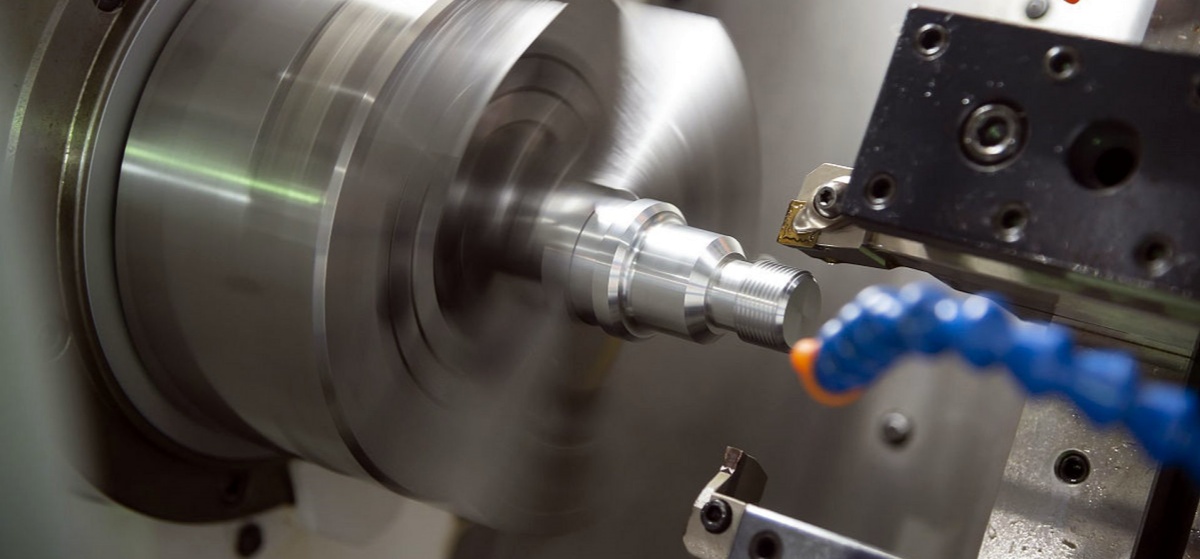
Aluminum CNC Machining Capabilities
CNCTAL provides precision aluminum machining solutions for custom parts with flexible production support. We can machine simple and complex aluminum components for prototype, one-off, and low-volume manufacturing needs.
CNC Milling
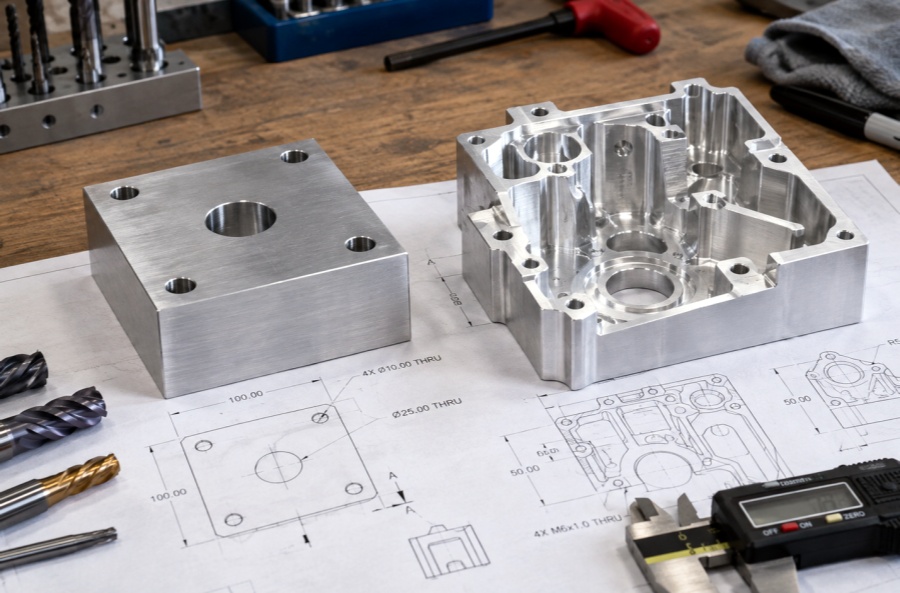
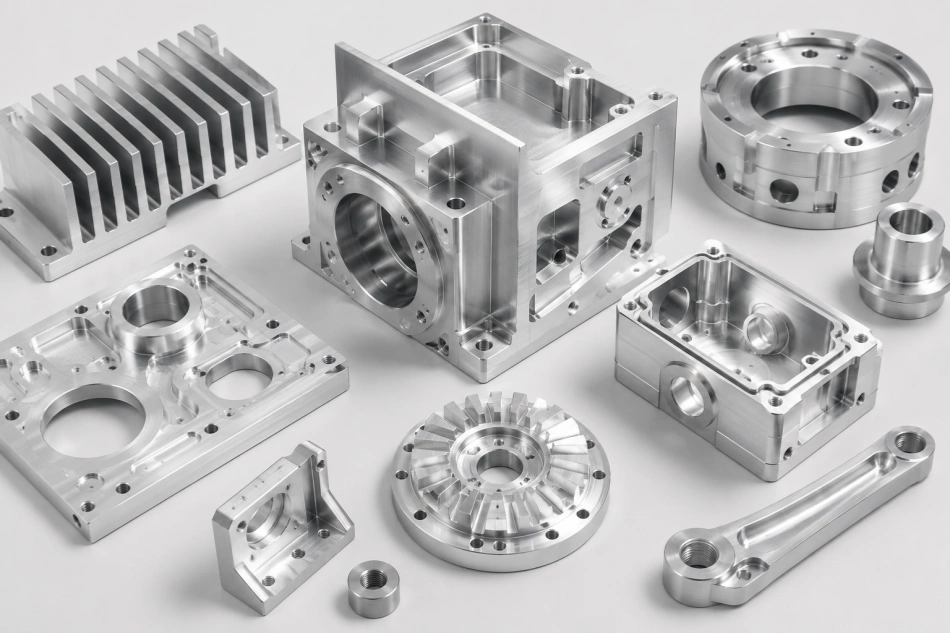
Suitable for machining aluminum housings, plates, brackets, blocks, and other precision components with flat surfaces, pockets, holes, and complex geometries.
CNC Turning
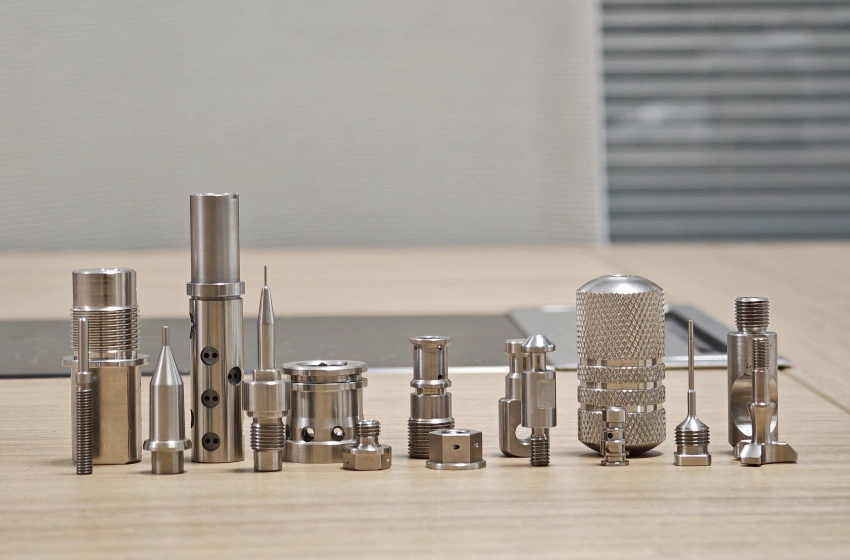
Ideal for round aluminum parts such as shafts, sleeves, bushings, connectors, and other turned components requiring consistent dimensional accuracy.
Tight Tolerances
We support precision machining for aluminum parts with tolerances up to ±0.01 mm, depending on part geometry, material grade, and production requirements.
Prototype to Small Batch
From single sample parts to repeat low-volume orders, we provide flexible aluminum CNC production with quick response and stable machining quality.
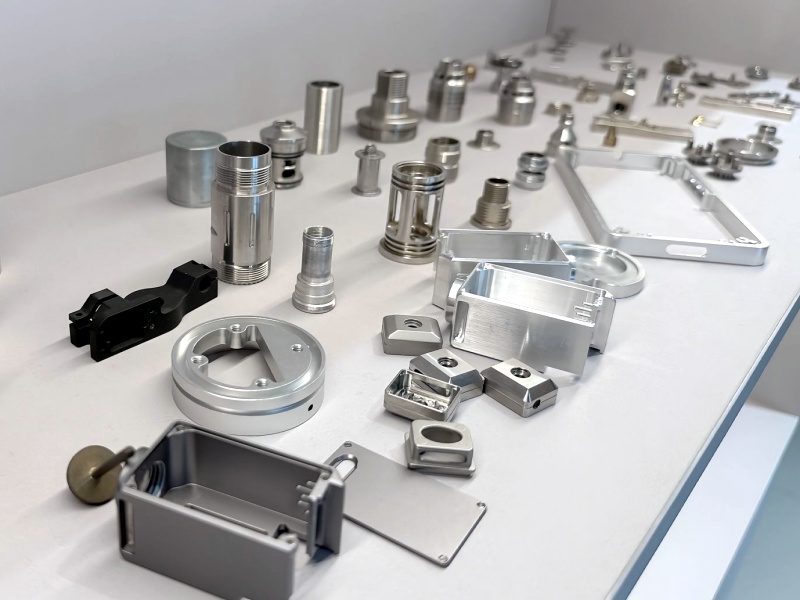
Custom Aluminum Parts for Different Project Requirements
Aluminum is suitable for a wide range of CNC machining operations because it cuts cleanly, machines efficiently, and supports multiple finishing options. At CNCTAL, we manufacture custom aluminum parts for industrial equipment, electronics, automotive components, and many other applications that require precision and reliable repeatability.
Surface treatment of common aluminum parts
Aluminum parts can be finished in different ways to improve appearance, durability, and corrosion resistance. Choosing the right finishing method helps achieve both functional and visual requirements.
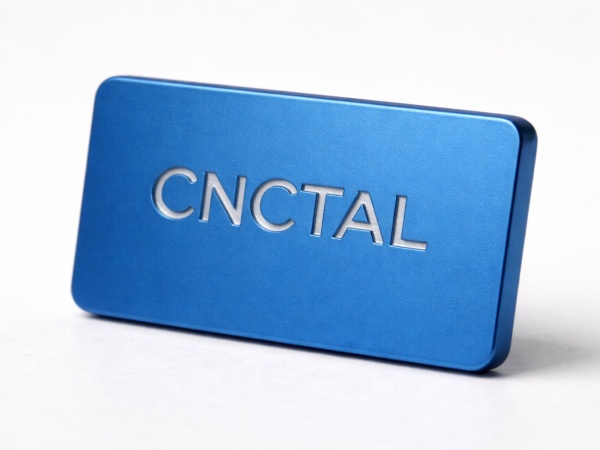
Anodizing
Improves corrosion resistance and surface hardness while providing a clean, professional appearance in various colors.
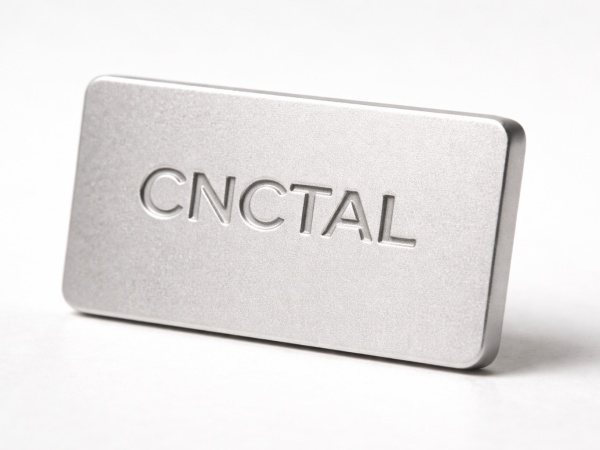
Sandblasting
Creates a uniform matte texture and removes machining marks, often used as a pre-treatment before anodizing.
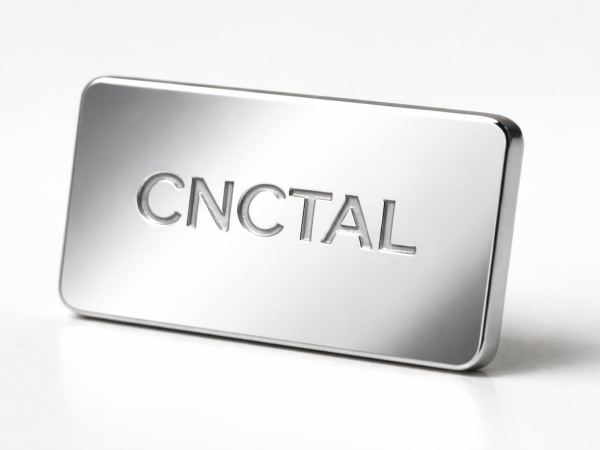
Polishing
Produces a smoother and brighter surface finish, suitable for parts that require improved appearance and clean surface quality.
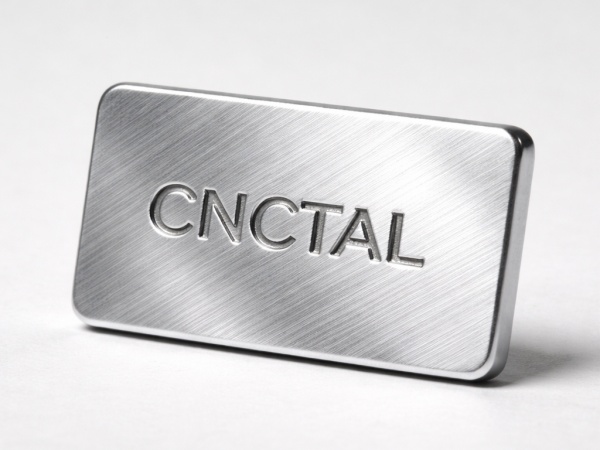
As Machined
Delivered directly after machining with visible tool marks. A cost-effective option for functional parts without cosmetic requirements.
Finishing tip: Anodizing is the most popular choice for aluminum parts when both durability and appearance are required. Sandblasting improves surface uniformity, polishing enhances visual quality, while as-machined is ideal for cost-sensitive applications.
Design Tips for Aluminum CNC Machining
Good part design helps improve machining efficiency, reduce unnecessary cost, and achieve better dimensional consistency. When designing aluminum CNC parts, a few practical guidelines can make production smoother and more economical.
Avoid Very Thin Walls
Extremely thin walls may reduce rigidity during machining and can affect dimensional stability. Keeping wall thickness reasonable helps improve both machinability and part quality.
Use Practical Tolerances
Tight tolerances should only be applied where functionally necessary. Specifying realistic tolerances helps reduce machining time, inspection cost, and overall production complexity.
Simplify Complex Features
Reducing overly deep pockets, sharp internal corners, and unnecessary details can make aluminum parts easier to machine and improve cost efficiency.
Choose the Right Alloy
Different aluminum grades offer different strengths, corrosion resistance, and machining characteristics. Selecting the right alloy is important for both performance and cost.
Engineering tip: If you are unsure which aluminum grade, tolerance, or surface finish is best for your project, sharing your drawing and application requirements early can help optimize the design for manufacturability and reduce unnecessary machining cost.
Aluminum CNC Machining FAQs
Here are some common questions customers ask about aluminum CNC machining, material selection, tolerances, and finishing options.
What is the best aluminum grade for CNC machining?
Aluminum 6061 is one of the most common choices for CNC machining because it offers a very good balance of machinability, strength, corrosion resistance, and cost. However, the best grade still depends on your application. For higher strength, 7075 may be preferred, while 5052 is often selected for better corrosion resistance.
Is aluminum a good material for CNC machining?
Yes. Aluminum is one of the most popular CNC machining materials because it is easy to machine, lightweight, corrosion-resistant, and suitable for a wide range of custom parts. It is commonly used for prototypes, functional components, and low-volume production.
Can you anodize aluminum CNC parts?
Yes. Aluminum is highly suitable for anodizing. This finishing process improves corrosion resistance, increases surface durability, and enhances the appearance of machined parts. It is one of the most commonly requested finishes for aluminum CNC components.
What tolerance can you achieve for aluminum parts?
We can machine aluminum parts with tolerances up to ±0.01 mm depending on the part geometry, size, material grade, and production requirements. For critical dimensions, it is always best to clearly mark the tolerance requirements on the drawing.
What surface finishes are available for aluminum parts?
Common finishing options for aluminum CNC parts include anodizing, sandblasting, polishing, and as-machined finish. The best option depends on whether you need better corrosion resistance, improved appearance, or a more economical functional finish.
Can you produce prototypes and small-batch aluminum parts?
Yes. We support aluminum CNC machining for prototypes, one-off custom parts, and low-volume production. This flexibility makes aluminum a practical choice for product development, testing, and repeat small-batch manufacturing.