
Surface Finishing for CNC Machined Parts
Professional surface finishing to enhance appearance, corrosion resistance, and wear performance. Supporting both functional and cosmetic requirements for precision CNC components.
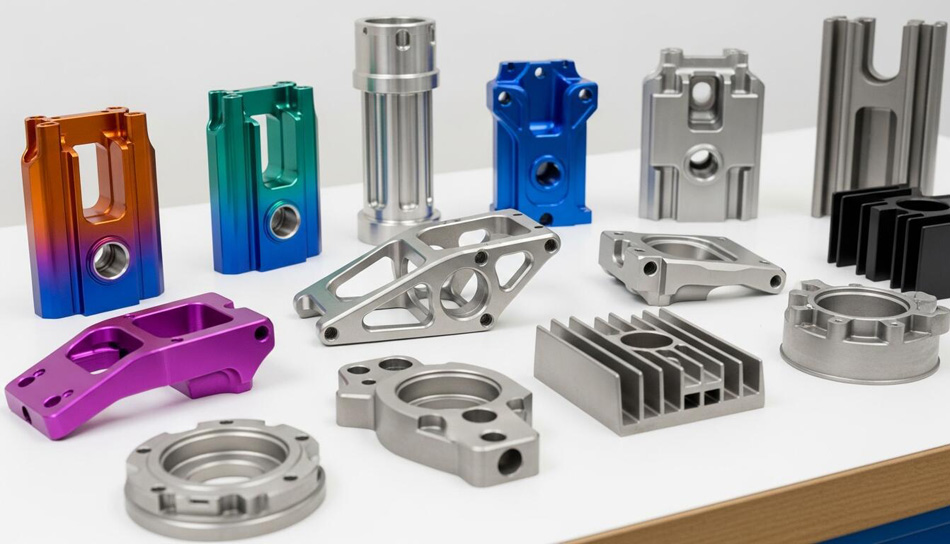
Why Do We Do Surface Finishing?
During the manufacturing process, removing material from a solid block to achieve the desired geometry often leaves visible tool marks on the surface.
Surface finishing plays a critical role in improving part performance, durability, and overall quality. It ensures that components not only meet functional requirements but also achieve a professional and refined appearance.
Improve Appearance
Enhances surface quality and delivers a clean, professional finish.
Corrosion Resistance
Protects parts from oxidation and harsh environmental conditions.
Wear Resistance
Increases durability and extends the service life of components.
Dimensional Accuracy
Ensures precision fits and tight tolerances for critical applications.
Functional Enhancement
Adds properties such as conductivity, insulation, or hardness.
Cleanliness & Safety
Improves hygiene standards and reduces risks in sensitive environments.
Great Range of Finishing We Offer
From prototype to production, CNCTAL delivers high-quality surface finishing solutions designed to enhance performance, durability, and visual appeal.
Reliable Manufacturing Partner
Experienced in CNC machining and surface finishing, we provide stable production support with strict quality control and consistent results.
Consistent High Quality
Every process is carefully controlled to ensure uniform surface finishes that meet both functional and aesthetic requirements.
Competitive Pricing
Efficient production and supply chain management allow us to offer cost-effective finishing solutions without sacrificing quality.
Fast Engineering Support
Our team responds quickly with expert advice on materials, finishes, and manufacturability to keep your project moving forward.
Our Surface Finishing Options
Our team is an expert in the field of surface finishing. To give your prototype and other manufactured components a perfect appearance, please let us know what your surface finishing requirements are to obtain a quick and accurate quotation.
| Name | Description | Materials | Color | Texture |
|---|---|---|---|---|
| Anodizing | After anodizing treatment, a dense oxide film is formed on the surface of the aluminum metal, which improves the corrosion resistance, enhances wear resistance and hardness of the parts, and protects the metal surface. | Aluminum | Clear, black, grey, red, blue, gold | Tool marks visible, Smooth, Matt & Gloss |
| Polishing | Polishing can fill surface pores, scratches, and other surface defects, thereby increasing fatigue resistance and corrosion resistance, in order to obtain parts with a bright and flat surface. | Metals | N/A | Smooth and glossy, enhanced cosmetic appearance |
| Black Oxide | Black oxide is a conversion coating. This treatment is similar to Alodine, but mainly used to improve the appearance of the metal and provide slight corrosion resistance. | Stainless steel, Alloy steel, Tool steel, Mild steel | Black | Smooth, matte black |
| Bead Blasting | Bead blasting can be used to achieve a range of surface finishes. It can be used to create a textured matte appearance, effectively removing rust, paint, and other pollutants. | Metals | N/A | Matte |
| Powder Coating | This process utilizes the principle of corona discharge to apply a powder coating to the surface of the parts, forming a layer of coating that is firmly adhered and forms a wear-resistant barrier. Improve the durability and service life of parts. | Metals | Colors can be matched as needed | Gloss or semi-gloss |
| As Machined | The “as-machined” finish, our standard surface preparation for parts. This finish not only ensures the elimination of sharp edges but also provides a thorough and clean deburring of the parts. | Metals & Plastics | N/A | Stain, tool marks visible |
| Electroless Nickel Plating | Chemical nickel plating is a surface treatment that is wear-resistant and corrosion-resistant. The hardness of the chemically plated nickel layer after heat treatment can reach Hv1100. | Metals | N/A | Smooth, semi bright |
| Brushing | The brush is applied with a suitable force and angle to the surface, removing any imperfections, burrs, or rough edges while creating a consistent and uniform satin finish. | Metals & Plastics | N/A | Matt, gloss, texture |
CNC Machined Parts Edge Options
We offer a full range of surface finishing and edge condition options for custom CNC machined parts to enhance appearance, durability, corrosion resistance, and fit-functionality. Please choose the option that suits you.
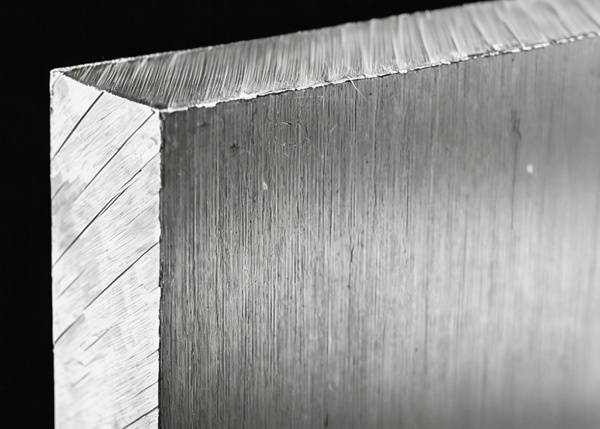
As Machined
Standard finish directly from the CNC process with visible tool marks. Suitable for functional parts and prototypes where finish is not critical.
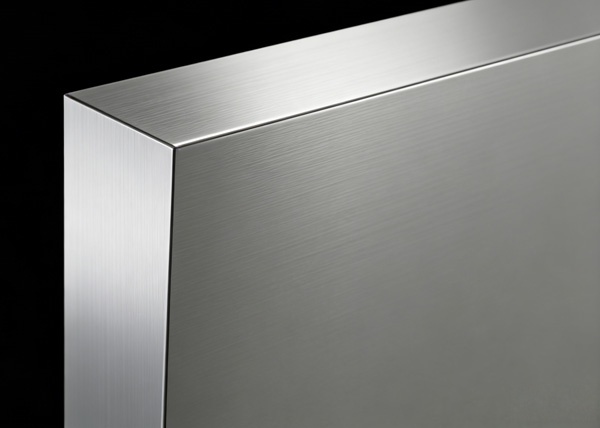
Deburred Edge
Remove burrs to ensure smooth edges, eliminating sharp protrusions. Suitable for all parts to ensure safety and functionality.
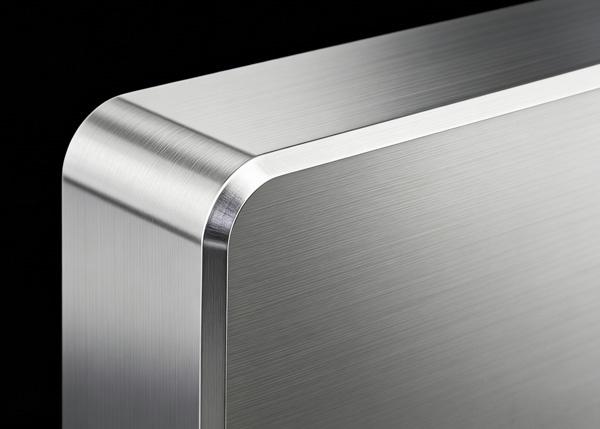
Chamfered Edge
Deburring and edge rounding treatment give products smooth and rounded edges, which prevents interference and jamming during assembly, ensuring that components fit together smoothly and precisely.
Surface Finishing Examples
Explore real CNC machined parts with different surface finishing options. These examples demonstrate how surface treatments enhance appearance, performance, and durability.
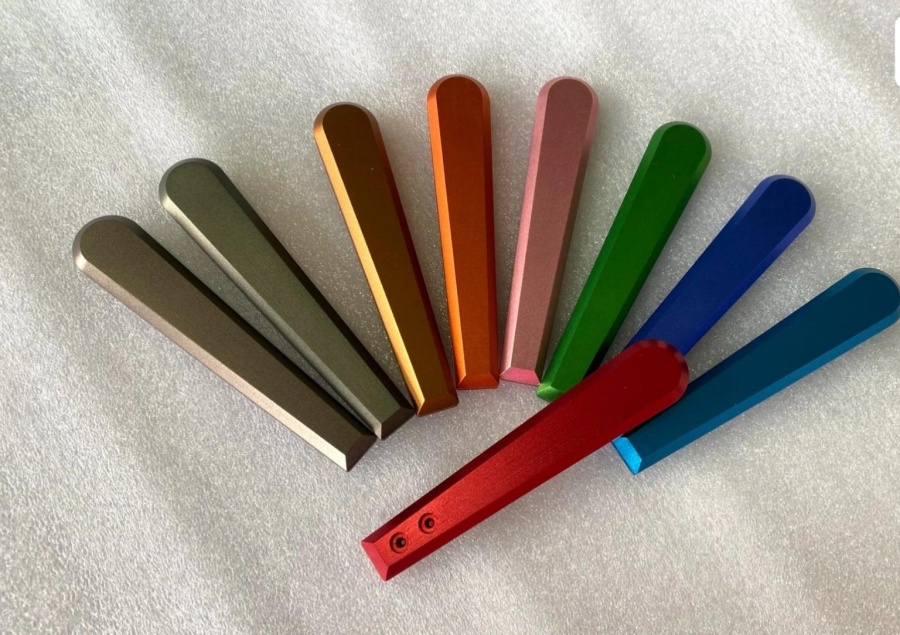
Anodized Aluminum Parts
- Material: Aluminum 6061
- Finish: Anodizing (Black)
- Application: Electronics enclosures, brackets
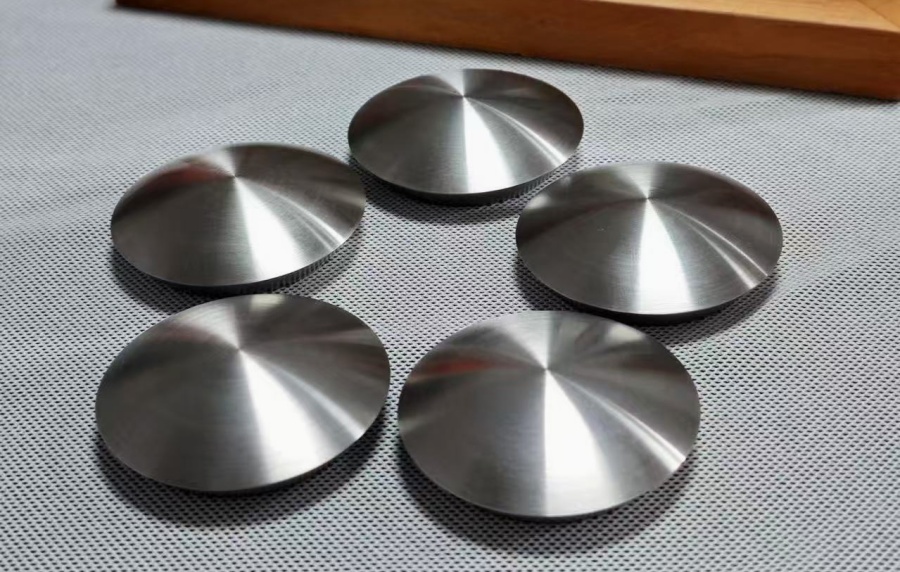
Polished Stainless Steel Parts
- Material: Stainless Steel 304
- Finish: Polishing
- Application: Medical & decorative components
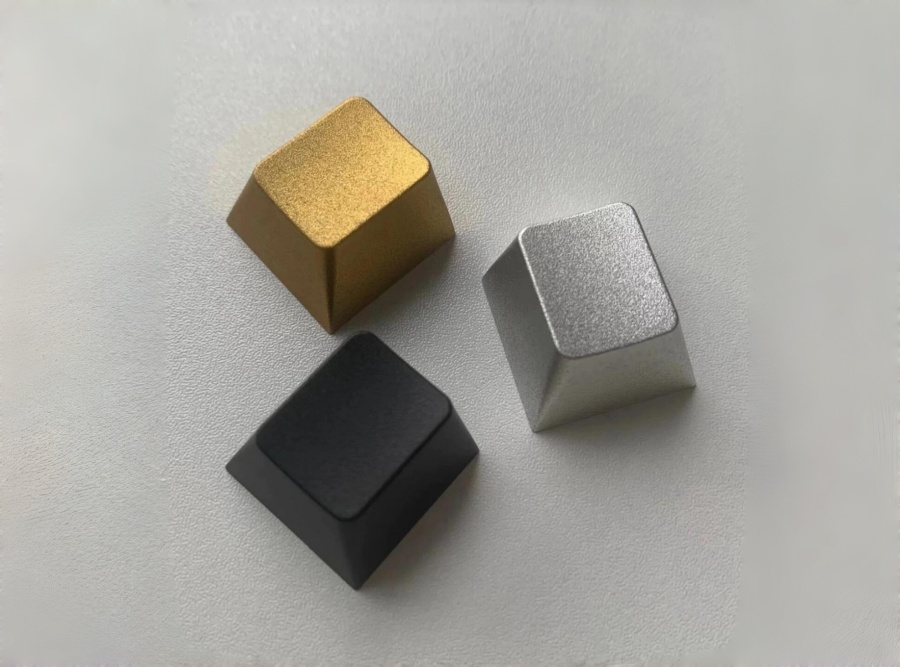
Sandblasting Parts
- Material: Aluminum
- Finish: Decorative effect
- Application: Equipment casing and electronic control panels
Impact of Surface Treatment on Product Tolerances
The impact of specific surface treatment methods on product tolerances is often related to the design, materials, and processing of the parts. Different influencing factors can lead to variations in tolerance changes. Therefore, there is no fixed data that applies to all situations.
Surface treatment methods may cause minor changes in size, shape, and surface roughness, affecting tolerances. For example, polishing may slightly reduce part size, electroplating may add a layer of coating increasing size, and methods like wire drawing or sandblasting may alter surface roughness.
Accurately evaluating the impact requires considering multiple factors and conducting actual testing. Collaboration with suppliers or professional surface treatment providers is recommended to obtain precise data for specific parts and processes.
Get a Quote →Polishing
May slightly decrease part size due to material removal.
Electroplating
Adds a coating layer on the surface, causing slight size increase.
Wire Drawing / Sandblasting
Alters surface roughness, which can affect tolerances.
Recommendation
Discuss with suppliers or service providers for accurate measurements and evaluation for your specific project.