
Aluminum Alloys for Precision CNC Machining
Aluminum alloys are among the most reliable and widely used materials in CNC machining due to their excellent machinability, low density, and dimensional stability.
At CNCTAL, aluminum is a preferred choice for precision parts requiring tight tolerances, complex geometries, and high-quality surface finishes, while maintaining cost efficiency and production consistency.
- Stable tolerances down to ±0.01 mm
- Low cutting forces and reduced tool wear
- Excellent surface finish after CNC machining
- Highly compatible with anodizing and other surface treatments
Common Aluminum Grades We Machine
6061 6063 7075 2024 5052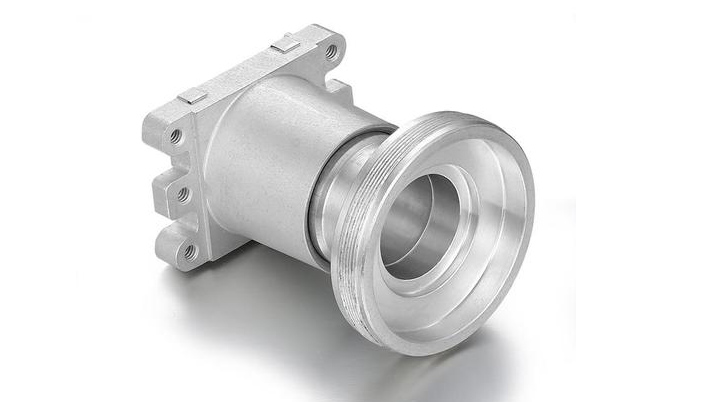
Aluminum vs Stainless Steel in CNC Machining
Aluminum and stainless steel are two of the most commonly used CNC machining materials. Each offers distinct advantages depending on precision requirements, strength, corrosion resistance, and cost.
| Comparison Factor | Aluminum Alloys | Stainless Steel |
|---|---|---|
| CNC Machinability | ★★★★★ Excellent | ★★★☆☆ Moderate |
| Dimensional Stability | Very stable, low deformation risk | Stable, requires heat control |
| Achievable Tolerances | ±0.01 mm easily achievable | ±0.01–0.02 mm with controlled process |
| Strength & Hardness | Moderate (high strength-to-weight ratio) | High mechanical strength |
| Corrosion Resistance | Good (excellent after anodizing) | Excellent (natural corrosion resistance) |
| Surface Finish Quality | Excellent, cosmetic-grade finishes | Good, polishing often required |
| Production Efficiency | High speed, low tool wear | Slower cutting, higher tool wear |
| Overall CNC Reliability | ★★★★★ Very High | ★★★★☆ High |
Material Selection Recommendation
Choose aluminum alloys for lightweight, high-precision parts
where efficiency, surface quality, and cost control are critical.
Choose stainless steel for applications requiring higher
strength, corrosion resistance, and durability in harsh environments,
accepting longer machining times and higher tooling demands.
CNC Machining Material Categories
We machine a wide range of metals and engineering plastics. Each material category is selected and processed based on machinability, dimensional stability, and long-term reliability in real production environments.
Aluminum Alloys
Lightweight, stable, and highly machinable. Aluminum is ideal for precision parts requiring tight tolerances and excellent surface finishes.
- Excellent machinability
- Low deformation risk
- Ideal for anodizing
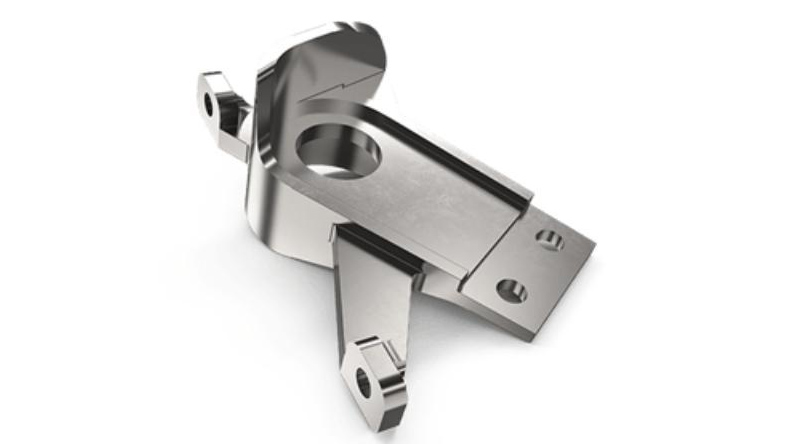
Stainless Steel
Known for corrosion resistance and mechanical strength, stainless steel is widely used in demanding industrial and medical applications.
- Excellent corrosion resistance
- High structural strength
- Consistent dimensional stability
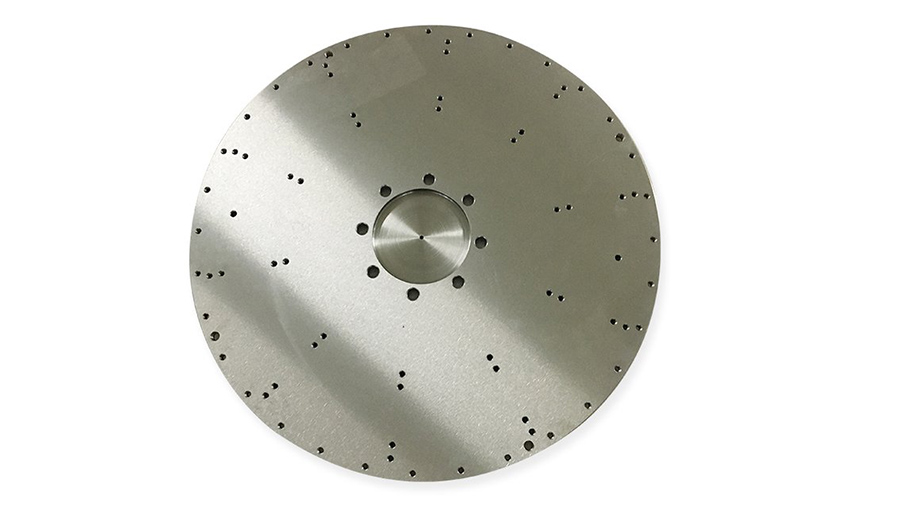
Carbon & Alloy Steel
A balanced choice offering strength, durability, and cost efficiency, especially suitable for mechanical and load-bearing components.
- Good strength-to-cost ratio
- Suitable for heat treatment
- Stable for batch production
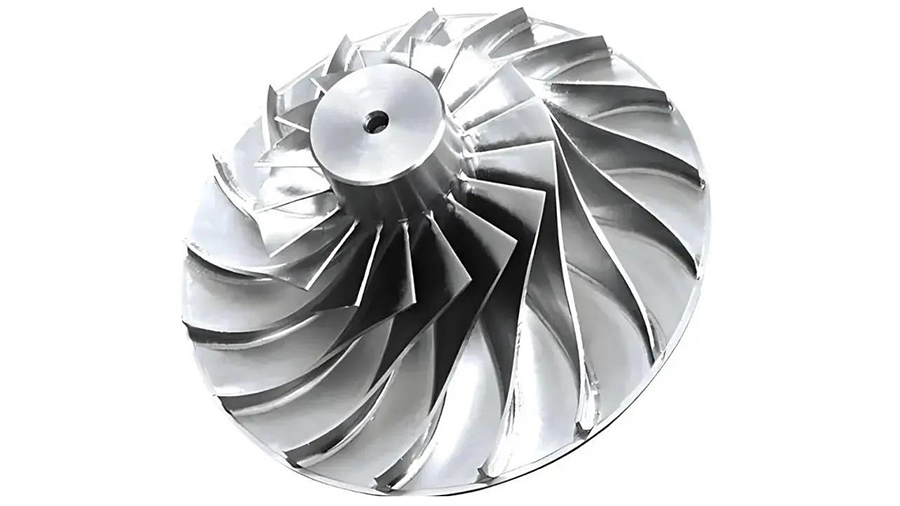
Titanium Alloys
Titanium offers exceptional strength-to-weight ratio and corrosion resistance, making it ideal for aerospace and medical components.
- High strength-to-weight ratio
- Excellent corrosion resistance
- Advanced CNC process control required
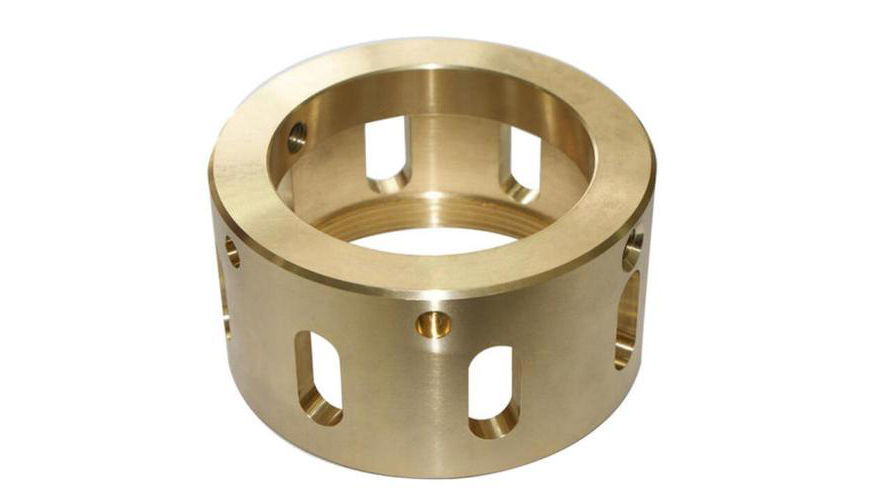
Copper & Brass
Ideal for electrical and thermal applications where conductivity and precision are critical.
- Excellent electrical conductivity
- Good surface finish
- Precision control required
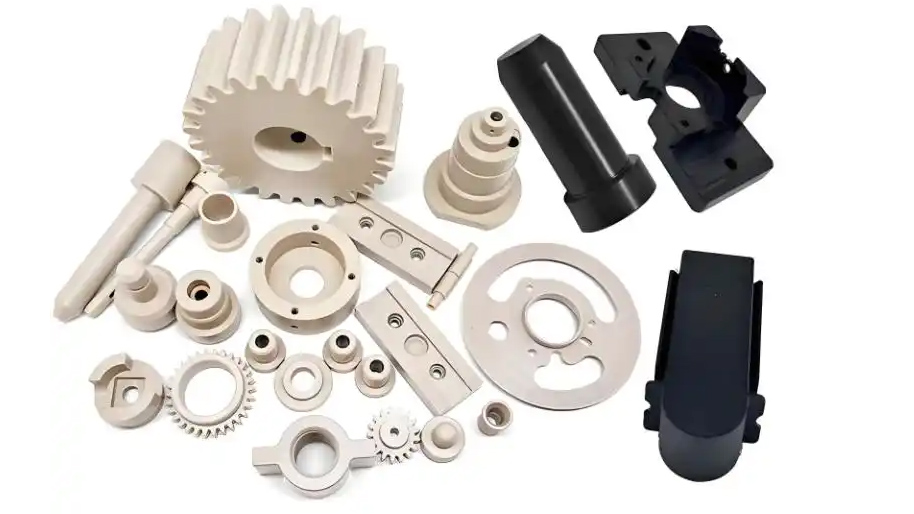
Engineering Plastics
Engineering plastics provide chemical resistance, low weight, and dimensional stability for non-metal applications.
- Low weight & chemical resistance
- Stable for precision machining
- Ideal for insulation components
Material Selection Guide
Choosing the right material is critical to performance, cost, and lead time. This guide helps engineers and buyers quickly compare common CNC machining materials based on strength, weight, corrosion resistance, machinability, and cost.
| Material | Strength | Weight | Corrosion Resistance | Machinability | Cost Level | Best For |
|---|---|---|---|---|---|---|
| Aluminum | Medium | Very Light | Good | Excellent | Low – Medium | Lightweight parts, housings, prototypes |
| Stainless Steel | High | Heavy | Excellent | Medium | High | Medical, food-grade, outdoor components |
| Carbon Steel | Medium – High | Heavy | Poor | Good | Low | Structural parts, brackets, shafts |
| Alloy Steel | Very High | Heavy | Poor – Medium | Medium | Medium | Gears, tooling, load-bearing components |
| Brass | Medium | Medium | Good | Excellent | Medium | Fittings, valves, decorative parts |
| Copper | Low – Medium | Heavy | Excellent | Poor | High | Electrical, thermal applications |
| Plastic (POM / Nylon) | Low | Very Light | Excellent | Excellent | Low | Insulators, low-load functional parts |
* This material guide is for reference only. Final material selection should consider part geometry, tolerance, surface finish, operating environment, and production volume. Our engineers are happy to recommend the most suitable material for your project.
Get Your Custom CNC Parts Quote
Fast, accurate, and reliable CNC machining for your custom parts. Start your project with us today.