
Aluminum Anodizing Services for CNC Machined Parts
Improve durability, corrosion resistance, and surface finish with precision anodizing solutions. CNCTAL delivers high-quality anodized aluminum parts for industrial, mechanical, and consumer applications.
What is Aluminum Anodizing?
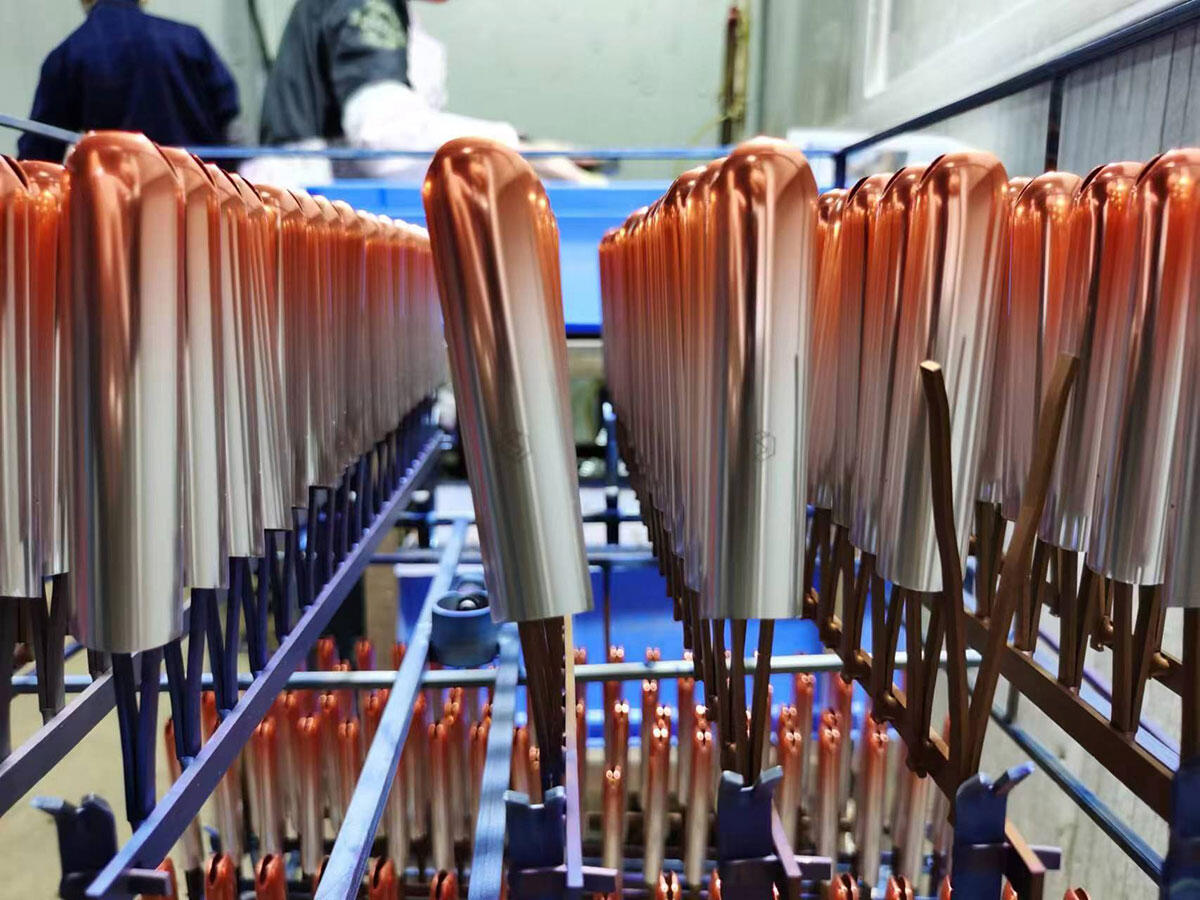
Aluminum anodizing is an electrochemical process that converts the surface of aluminum into a durable, corrosion-resistant oxide layer. Unlike painting or coating, this layer is fully integrated into the material, ensuring long-term performance without peeling or flaking.
This process enhances both the functional and aesthetic properties of CNC machined parts, making it an ideal solution for industries requiring durability, precision, and premium appearance.
Key Benefits of Aluminum Anodizing
Enhance performance, durability, and appearance of your CNC machined parts with professional anodizing solutions.
Superior Corrosion Resistance
Protect aluminum parts from oxidation, moisture, and harsh environments, making them ideal for outdoor and industrial use.
Increased Surface Hardness
Hard anodizing significantly improves surface hardness, reducing wear and extending the lifespan of critical components.
Durable Color Finish
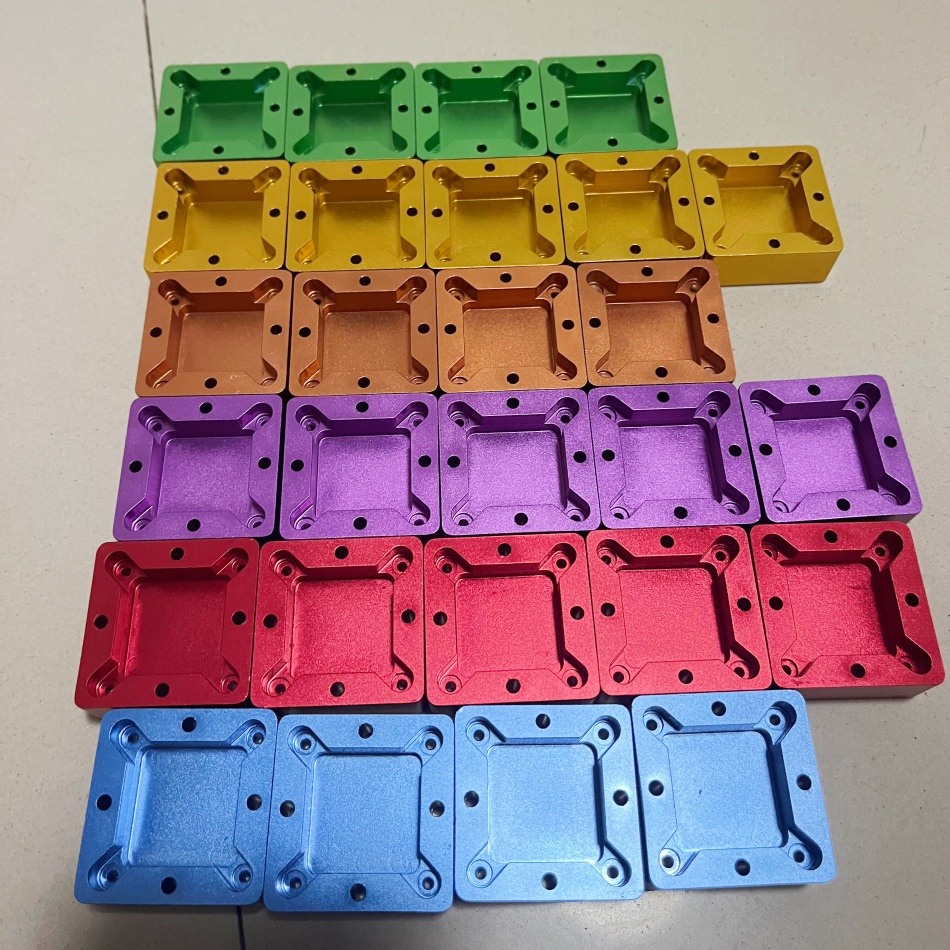
Achieve long-lasting colors that are embedded in the material and resistant to fading, peeling, or chipping.
Excellent Adhesion
Unlike coatings, anodized layers bond with the aluminum, ensuring no cracking, flaking, or delamination over time.
Eco-Friendly Process
Anodizing is a clean and environmentally friendly process with minimal waste and no harmful coatings.
Precision Compatibility
Maintains tight tolerances and works seamlessly with CNC machining for high-precision components.
Thermal Stability
Anodized surfaces perform well under high temperatures, making them suitable for demanding applications.
Professional Appearance
Deliver premium-looking parts with consistent finish quality, enhancing product value and brand perception.
Types of Aluminum Anodizing
Choose the right anodizing type based on performance, thickness, and application requirements.
Type II Anodizing
Standard AnodizingSulfuric acid anodizing widely used for decorative and general-purpose applications. Offers excellent color options and balanced protection.
Type III Anodizing
Hard AnodizingThick and highly wear-resistant coating designed for demanding industrial environments. Provides superior hardness and durability.
Type I Anodizing
Chromic AcidThin coating with minimal dimensional impact, commonly used in aerospace and precision components requiring tight tolerances.
| Type | Thickness | Key Features | Typical Applications |
|---|---|---|---|
| Type II | 8–25 μm | Decorative, good corrosion resistance, colorable | Consumer products, housings, electronics |
| Type III | 40–60 μm | High hardness, wear resistance, long lifespan | Industrial parts, machinery, automotive |
| Type I | 1–5 μm | Thin coating, minimal dimensional change | Aerospace, precision components |
Available Colors & Surface Finishes
Customize the appearance and texture of your aluminum parts with a wide range of anodizing colors and finishing options.
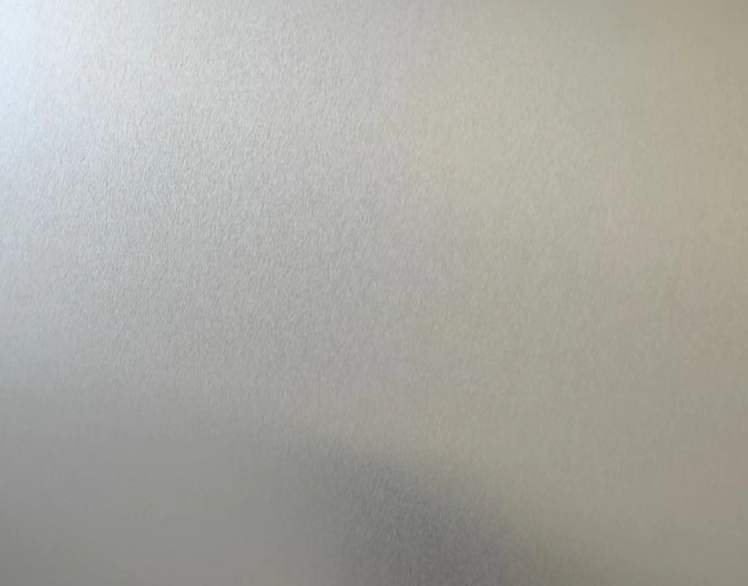
Matte Finish
Non-reflective surface ideal for industrial and functional components.
Satin Finish
Smooth and soft appearance, commonly used in premium consumer products.
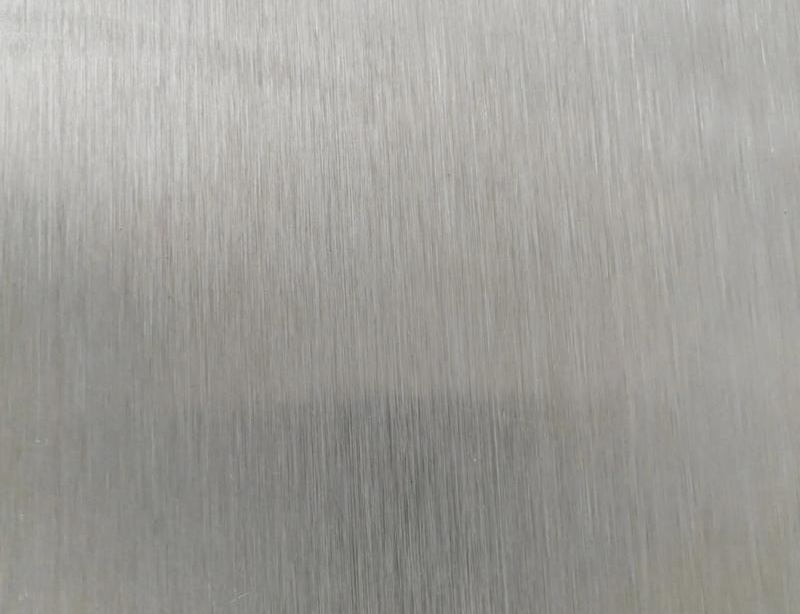
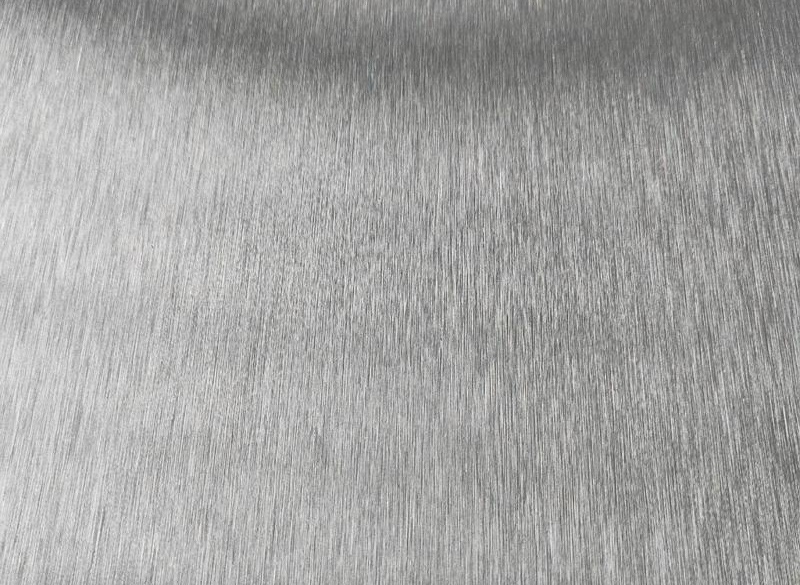
Brushed Finish
Directional texture that enhances visual depth and hides minor scratches.
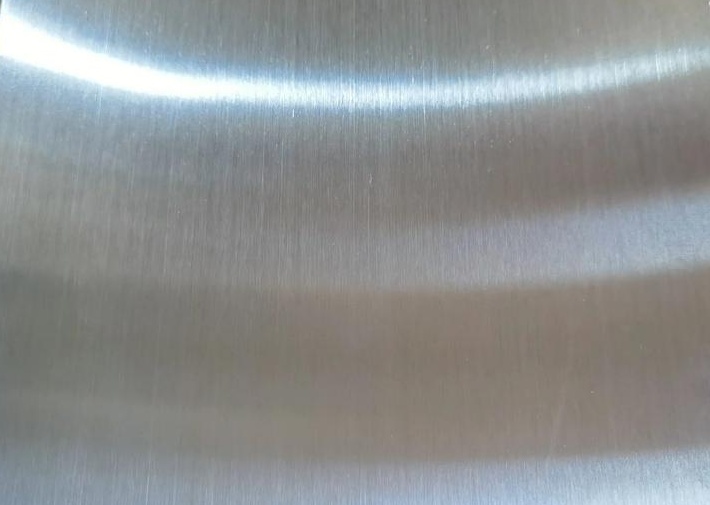
Polished Finish
High-gloss surface for decorative and high-end applications.
Our Aluminum Anodizing Process
A controlled electrochemical process ensuring consistent quality, durability, and precision for every part.
Cleaning & Degreasing
Remove oils, dirt, and contaminants to prepare a clean surface for anodizing.
Surface Preparation
Etching or polishing to achieve the desired surface texture and uniform appearance.
Anodizing Process
Electrochemical treatment forms a durable oxide layer on the aluminum surface.
Coloring (Optional)
Add color through dyeing while maintaining strong adhesion within the oxide layer.
Sealing
Seal pores to enhance corrosion resistance, durability, and color stability.
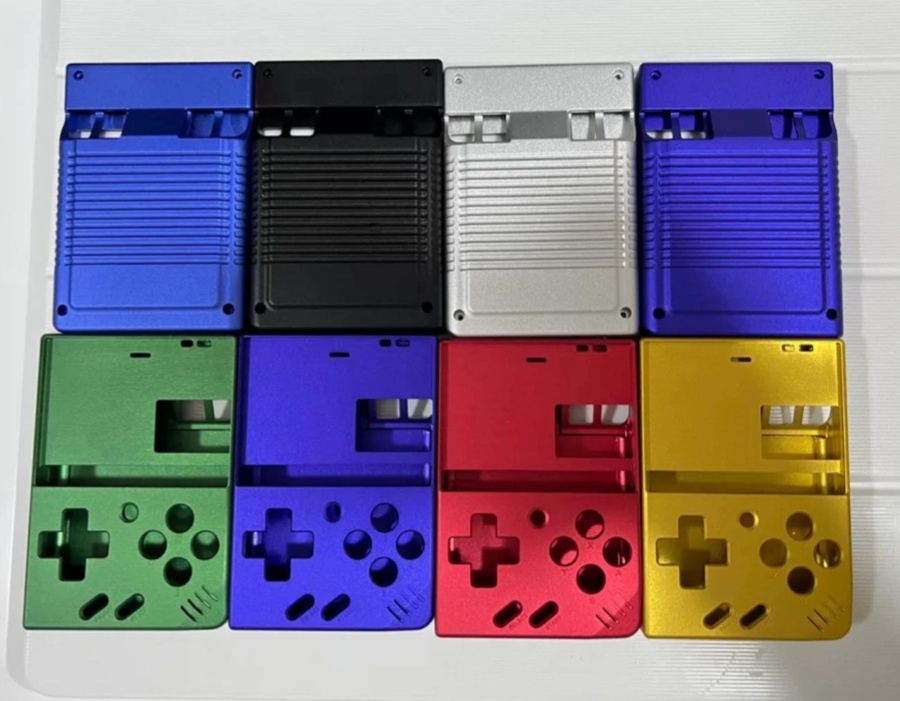
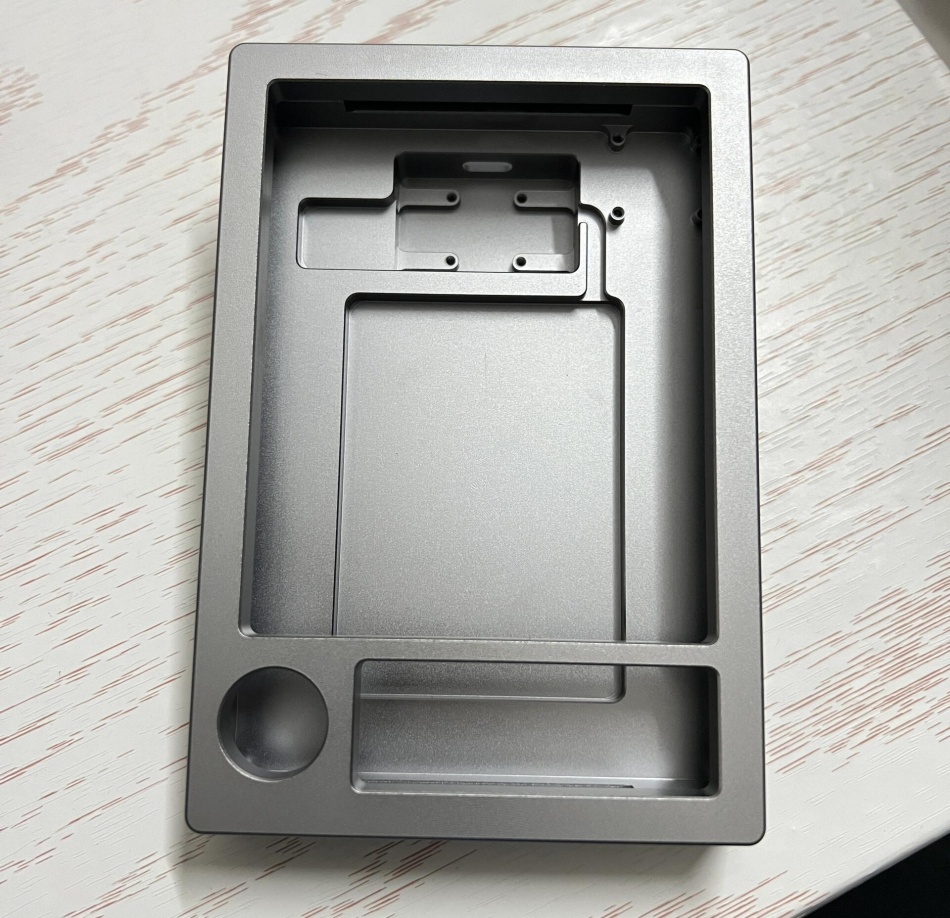
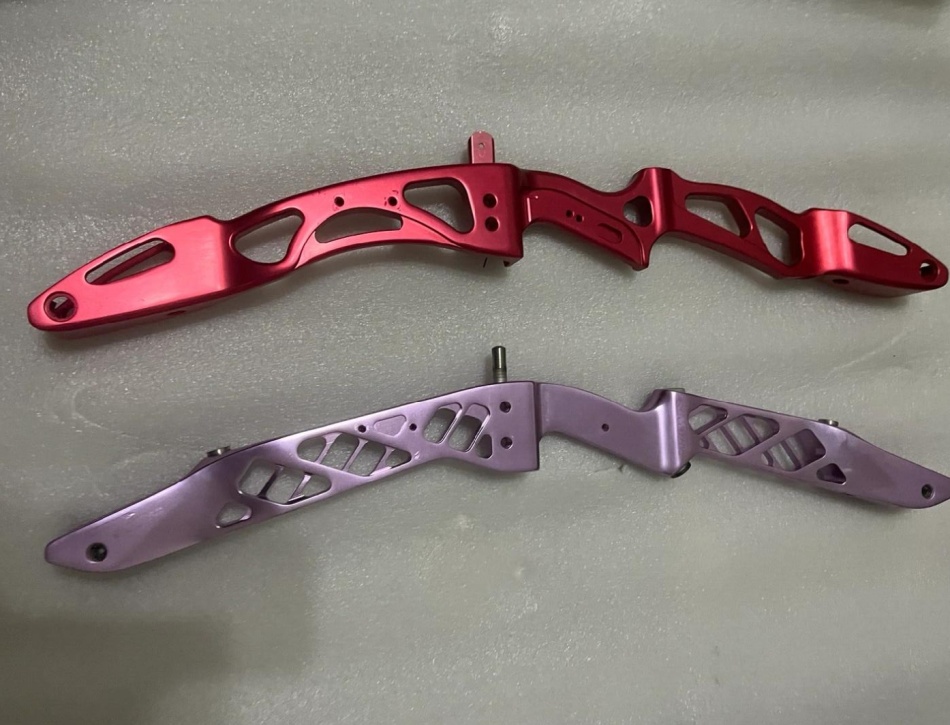
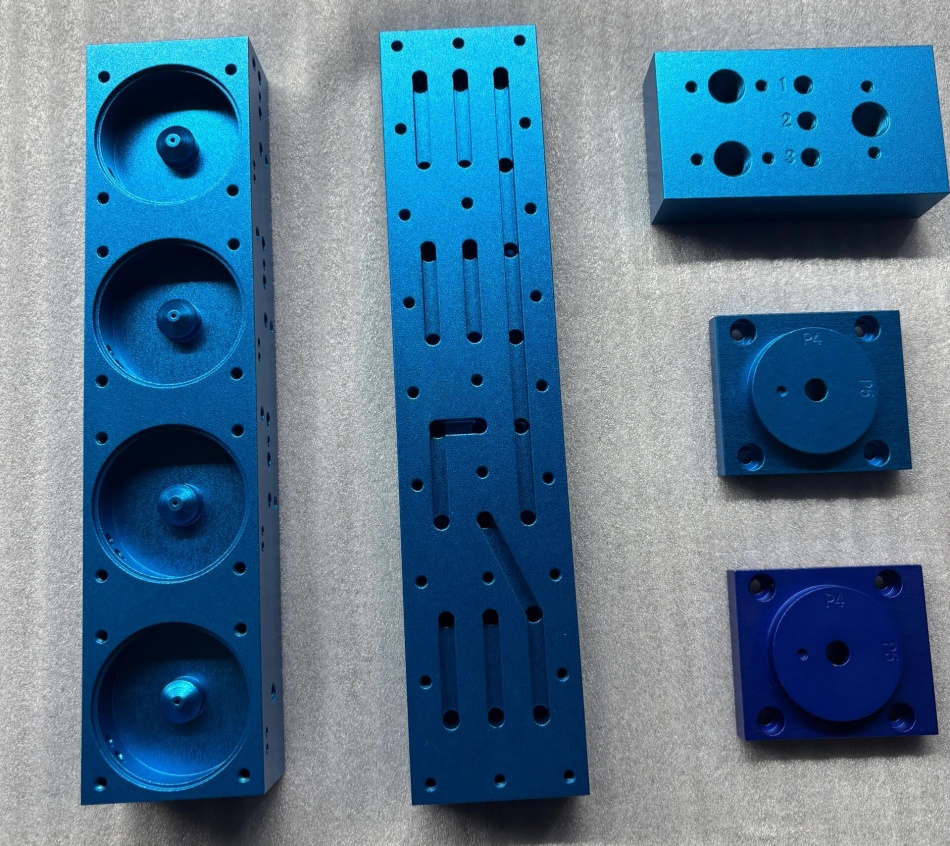
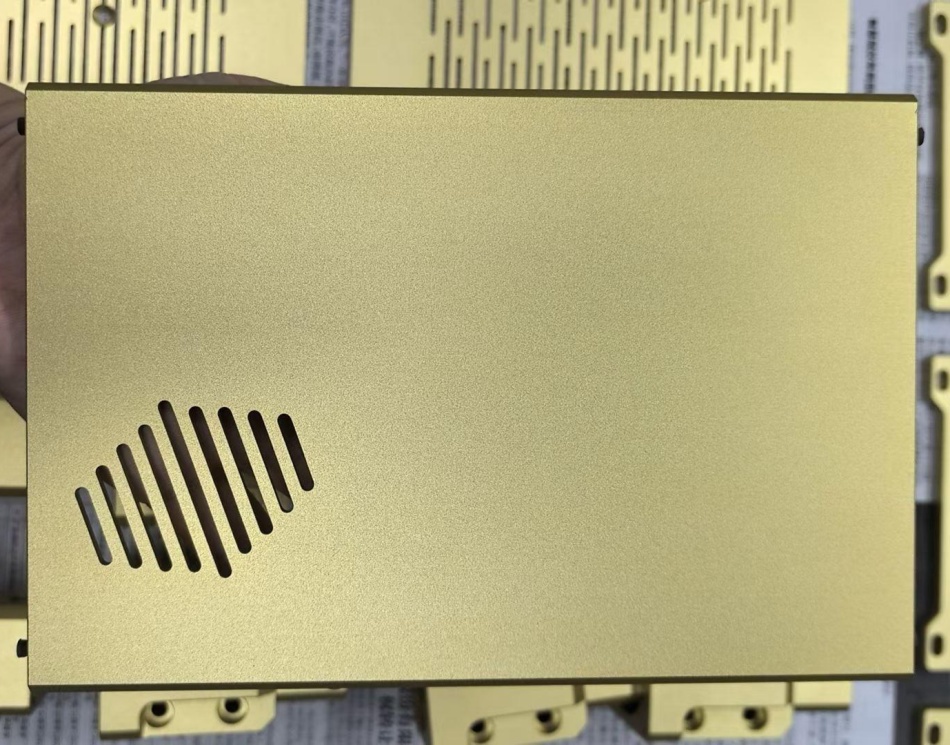
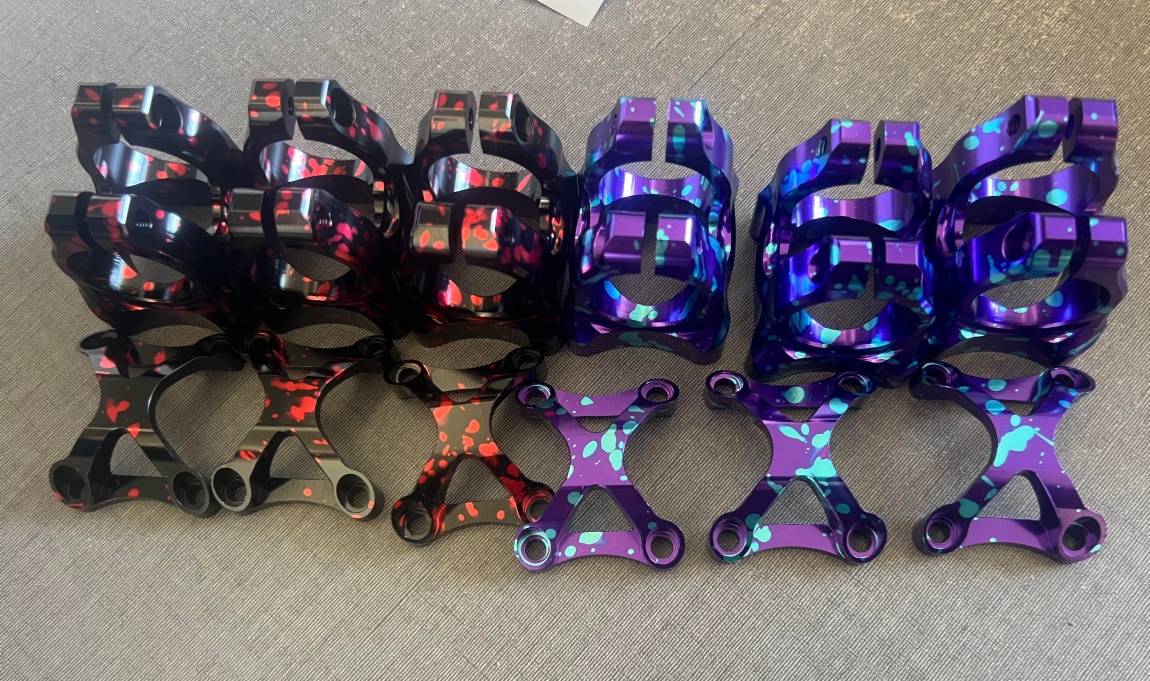
Gallery of Anodizing Parts
Explore a selection of anodized aluminum parts showcasing precision machining and high-quality finishes.
About Aluminum Anodizing FAQs
Find answers to common questions about aluminum anodizing, including process details, material compatibility, and performance benefits.