CNC Machining Core Technology for Precision Control of Humanoid Robot Key Components
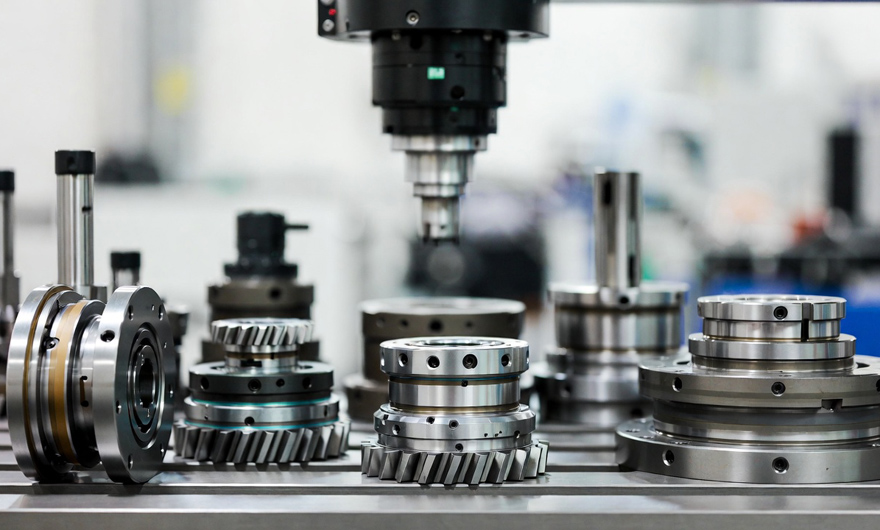
In the era of rapid development in the humanoid robot industry, the machining precision of core components has become the key factor determining the upper limit of product performance. From joint reducers to sensor brackets, every micron-level tolerance directly impacts motion smoothness, noise levels, and service life.
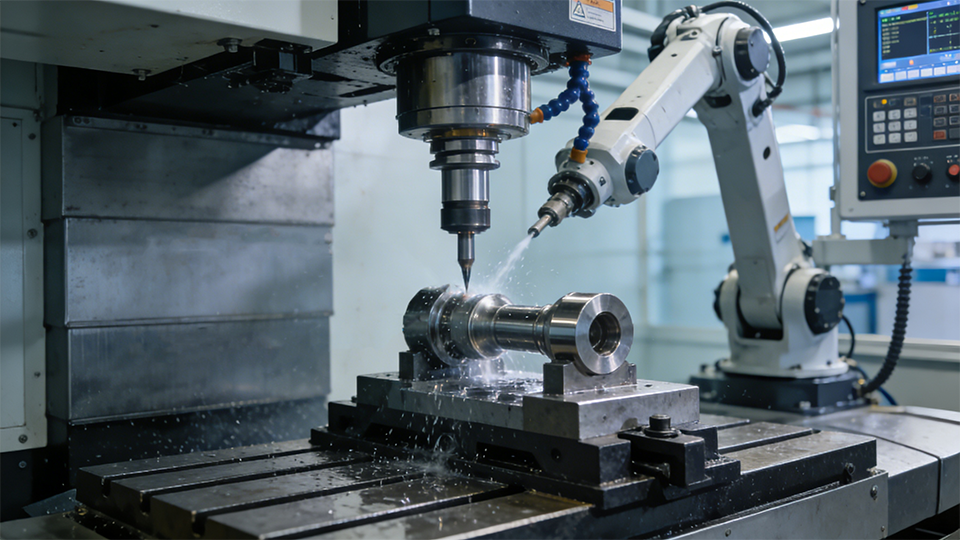
With its advantages of automation, high precision, and process stability, CNC machining has become the core manufacturing solution for humanoid robot components. This article breaks down the precision control logic and practical techniques behind it.
Typical requirements include:
- Gear tooth accuracy reaching IT5 level or better
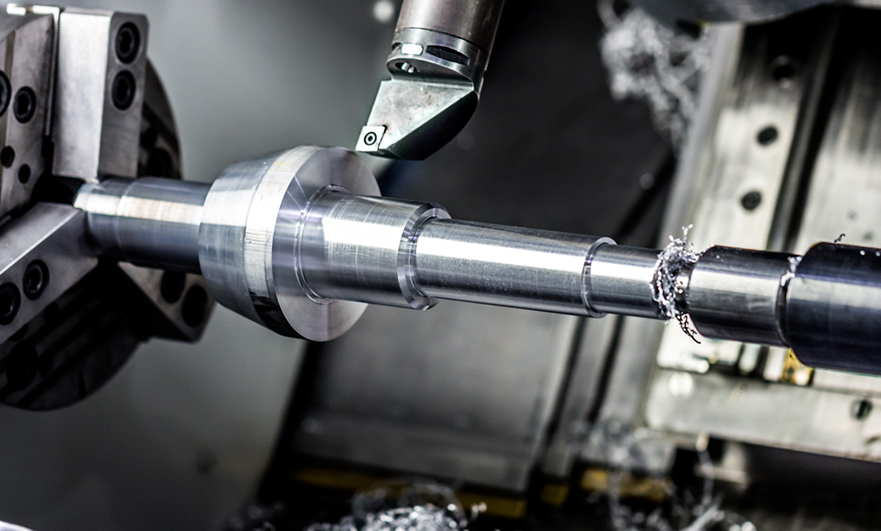
- Shaft roundness tolerance ≤ 0.002 mm
- Strict geometric tolerance control
The fundamental logic of precision control in CNC machining lies in a three-dimensional system: Equipment Precision + Process Optimization + Inspection & Calibration.
I. Equipment Precision: The Foundation
The performance of CNC equipment determines the baseline of machining accuracy. High-end machines used for humanoid robot components require:
- Cast iron or granite machine beds to suppress vibration
- Spindle speeds above 10,000 rpm with ceramic bearings
- Closed-loop servo systems with ±0.001 mm positioning accuracy
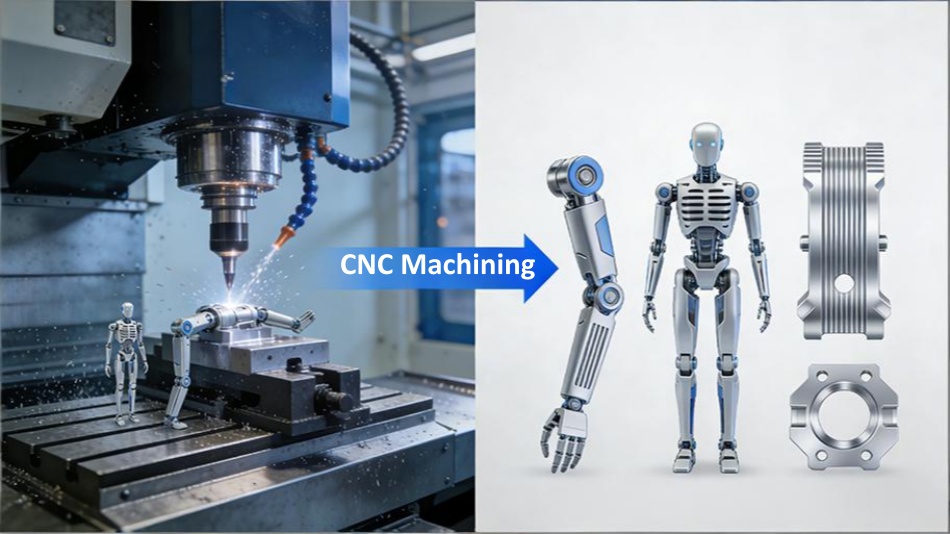
The adoption of five-axis CNC machining has revolutionized complex part production. Multi-axis linkage allows complete machining in a single setup, eliminating repeated clamping errors and significantly improving precision consistency.
II. Process Optimization: The Key to Precision Improvement
Process planning plays a critical role in achieving ultra-high precision.
Tool Selection
- Carbide tools for aluminum alloys
- PCD tools for titanium alloys
Cutting Strategy
- Optimized cutting speed and feed rate
- Controlled depth of cut to reduce thermal deformation
Machining Path Optimization
- Spiral cutting
- Layered cutting
- Deformation control for thin-wall parts
Simulation software is widely used to preview machining processes, predict risks, and optimize tool paths — significantly improving first-pass success rates.
III. Inspection & Calibration: Closed-Loop Quality Assurance
Precision machining must be supported by a robust inspection system:
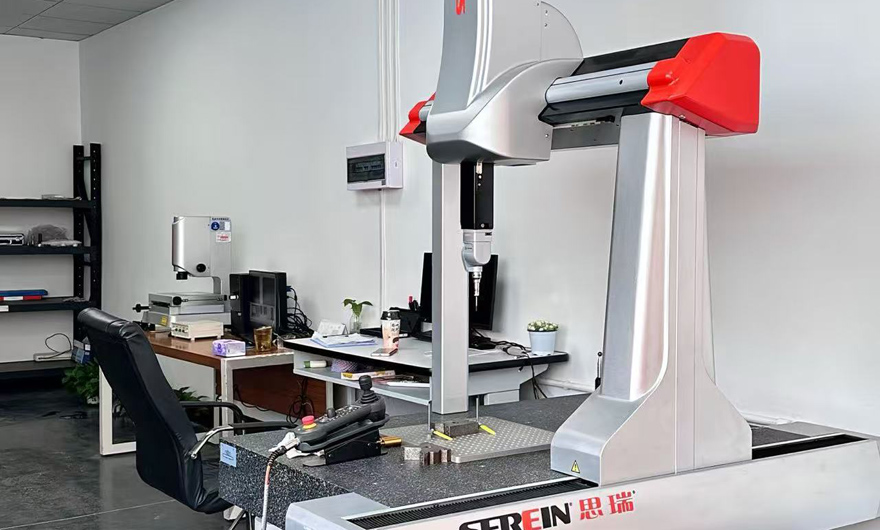
- Coordinate Measuring Machines (CMM)
- Laser interferometers
- Roundness testers
These systems verify dimensional accuracy, geometric tolerances, and surface finish. When deviations occur, corrective actions such as parameter adjustments or fixture redesign are implemented.
Regular calibration of CNC machines — including spindle, guideways, and servo systems — ensures long-term precision stability.
IV. Environmental Control: The Hidden Factor
Environmental conditions significantly affect machining accuracy:
- Temperature control at 20±2℃
- Humidity stability
- Vibration isolation systems
A controlled workshop environment is essential to maintain micron-level precision.
Future Outlook
As humanoid robots evolve toward lightweight and high-load designs, precision requirements will continue to rise. CNC machining must integrate advanced technologies such as artificial intelligence and digital twins to achieve smarter, automated precision control.
This evolution will provide a solid manufacturing foundation for the next generation of high-performance humanoid robots.