CNC Machining of Sensor Parts
With the rapid development of technology, sensors are being used more and more widely across various industries. From industrial automation to smart homes and medical equipment, sensors are everywhere. As the core components of sensors, the machining precision of parts directly affects their performance and reliability.
This article explores the CNC machining process for sensor parts and highlights key considerations for achieving high-performance results.
I. Overview of CNC Machining
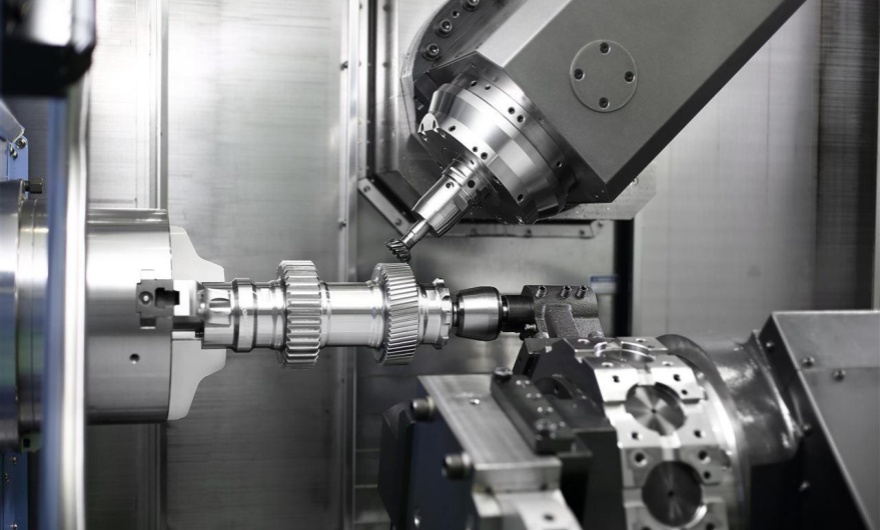
CNC (Computer Numerical Control) machining is a modern manufacturing technology that uses programmed instructions to automatically control machine tools. Compared with traditional manual operations, CNC machining offers significant advantages such as high precision, high efficiency, and excellent repeatability.
This level of control is essential in industries where even the smallest deviation can impact sensor accuracy and reliability.
II. Special Requirements for Machining Sensor Parts
High Precision: Sensor components demand extremely tight tolerances. Even minimal dimensional errors can directly affect measurement accuracy.
High Surface Quality: Many sensor parts require fine surface finishes. For example, pressure sensor diaphragms need polishing to reduce roughness and improve sensitivity.
Material Selection: Different sensor types require different materials. Optical sensors need high transparency, while acceleration sensors require high strength and toughness.
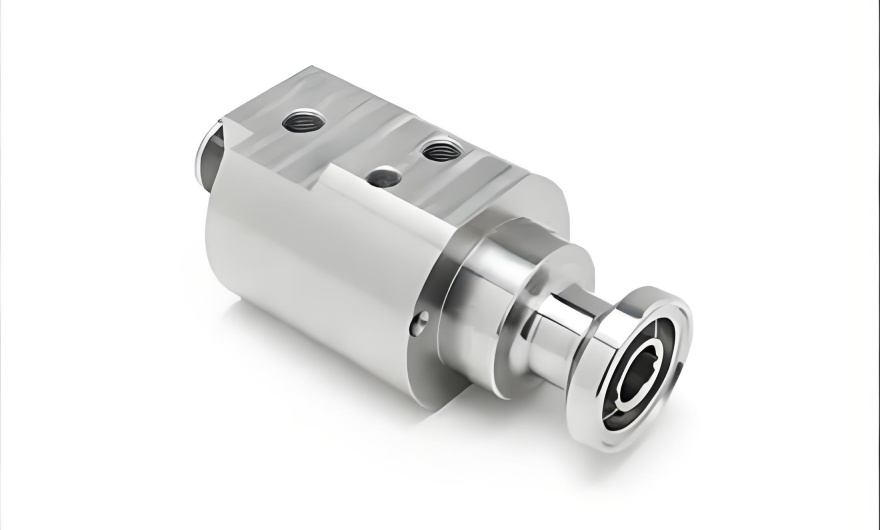
III. Applications of CNC Machining in Sensor Manufacturing
Temperature Sensors: Typically use metals such as platinum, nickel, and copper. CNC machining ensures high dimensional accuracy and stability.
Pressure Sensors: Require precision-machined diaphragms. CNC combined with polishing improves durability and performance.
Acceleration Sensors: Widely used in automotive and aerospace industries. CNC machining guarantees geometric accuracy and structural integrity.
Conclusion
CNC machining technology not only improves precision and efficiency but also plays a key role in advancing sensor performance. As technology continues to evolve, CNC machining will become even more important in the sensor manufacturing industry.
With continuous innovation and process optimization, the future of CNC machining for sensor parts holds enormous potential for broader applications and higher performance standards.