CNC Machining Tolerance Guide – Understanding Precision for High-Quality Parts
In precision CNC manufacturing, tolerance determines the accuracy, fit, and performance of machined components. Understanding CNC machining tolerances is crucial for engineers, designers, and procurement teams who rely on high-precision parts for automotive, medical, aerospace, and industrial applications.
This guide explains what tolerance is, how it is measured, the factors that affect it, and industry standards for high-precision machining.
This guide explains what tolerance is, how it is measured, the factors that affect it, and industry standards for high-precision machining.
What is CNC Machining Tolerance?
CNC machining tolerance refers to the allowable deviation from the specified dimensions on a part. It is usually expressed in millimeters (mm) or inches. Tight tolerances ensure parts fit together correctly, function properly, and meet safety and performance requirements.
Example:
- A shaft specified at 20.00 mm ±0.01 mm means the actual diameter can range from 19.99 mm to 20.01 mm.
Types of Tolerance in CNC Machining
1. Dimensional Tolerance
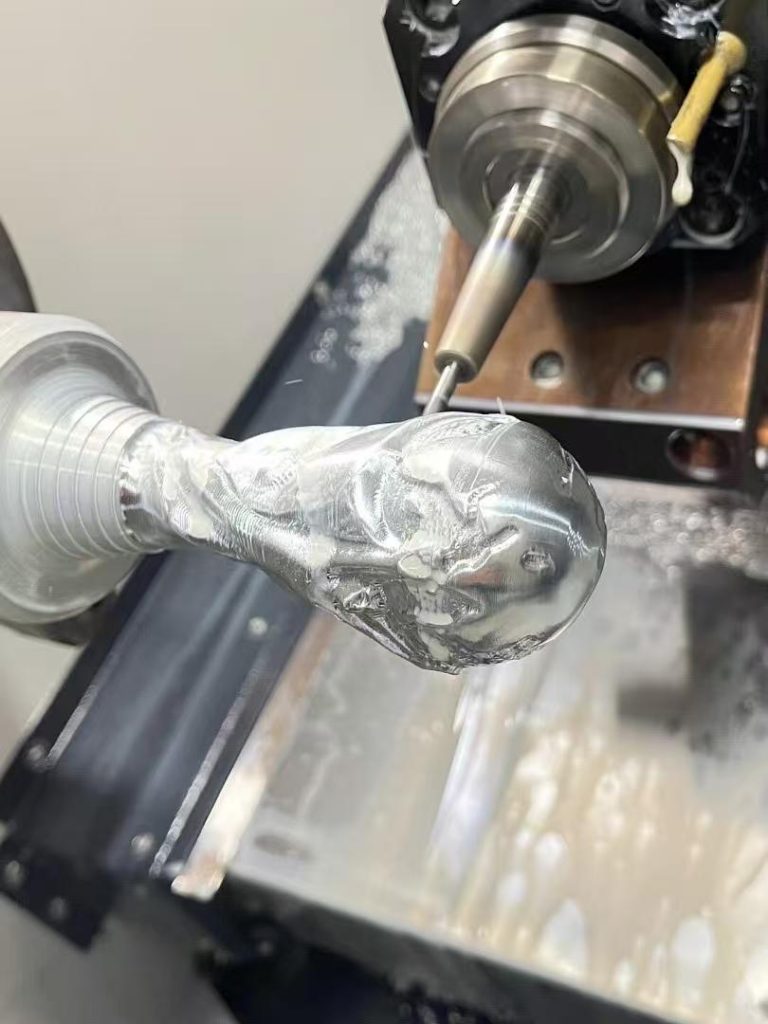
- The most common type
- Ensures length, width, diameter, or height remains within the specified range
- Critical for assembly and moving components
2. Geometric Tolerance
- Controls the shape, flatness, roundness, straightness, or parallelism
- Ensures parts align and fit precisely
- Example: A cylindrical pin must be perfectly round to fit into a bearing
3. Surface Finish Tolerance
- Measures smoothness or roughness of a surface
- Expressed as Ra (roughness average)
- Affects friction, sealing, and appearance
4. Positional Tolerance
- Controls exact location of holes, slots, or features
- Key for parts with multiple mating points or complex assemblies
Factors Affecting CNC Machining Tolerances
- Material Type
- Aluminum is easier to machine with tight tolerance than hardened stainless steel
- Plastics may expand or shrink under temperature changes
- Machine Accuracy
- High-end 3-, 4-, or 5-axis CNC machines achieve tighter tolerances
- Proper calibration is essential
- Tooling & Fixturing
- Sharp, precise cutting tools reduce dimensional deviation
- Stable workholding prevents vibration and deflection
- Process Type
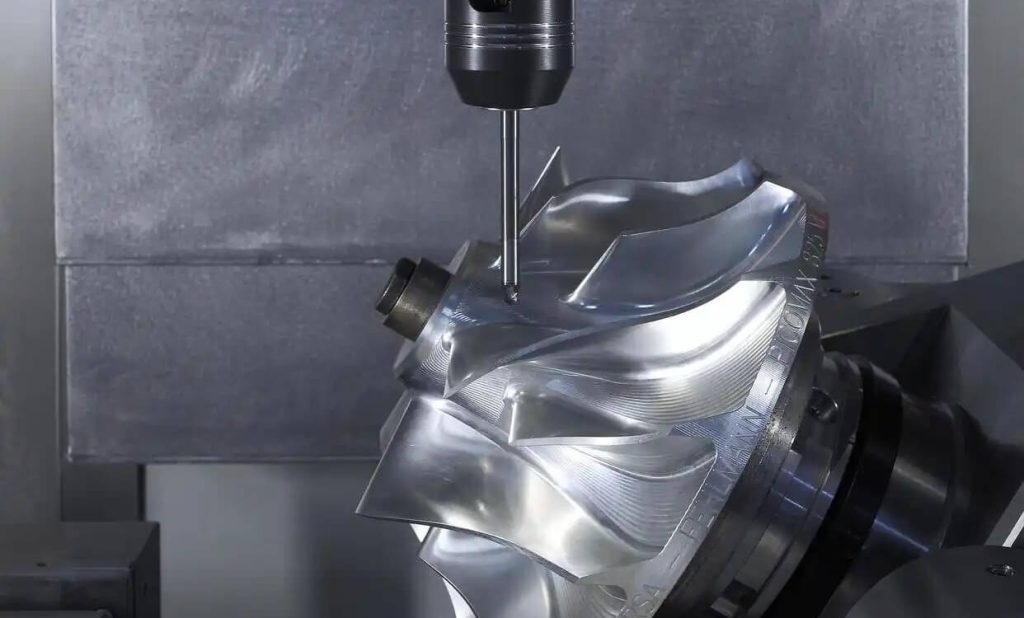
- Milling allows ±0.01 mm on complex geometries
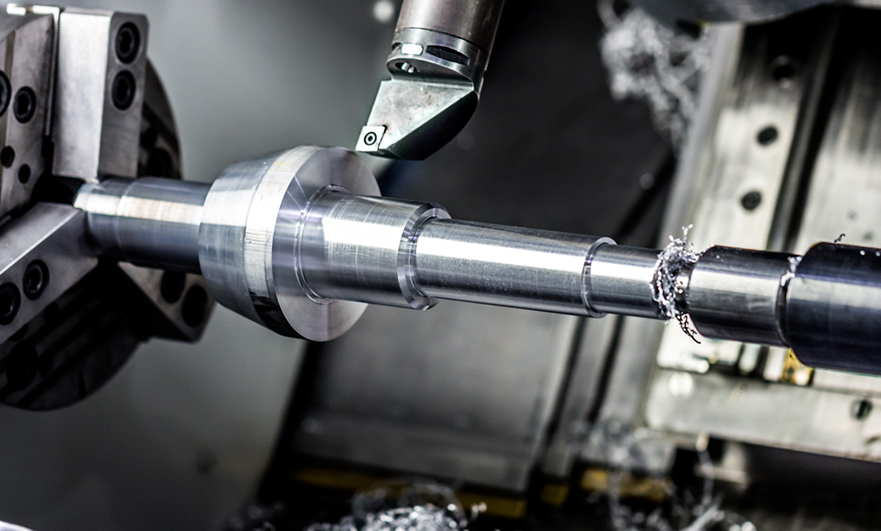
- Turning typically achieves ±0.01 mm for cylindrical parts
- Operator Skill & Inspection
- Experienced programmers and operators ensure optimal tool paths
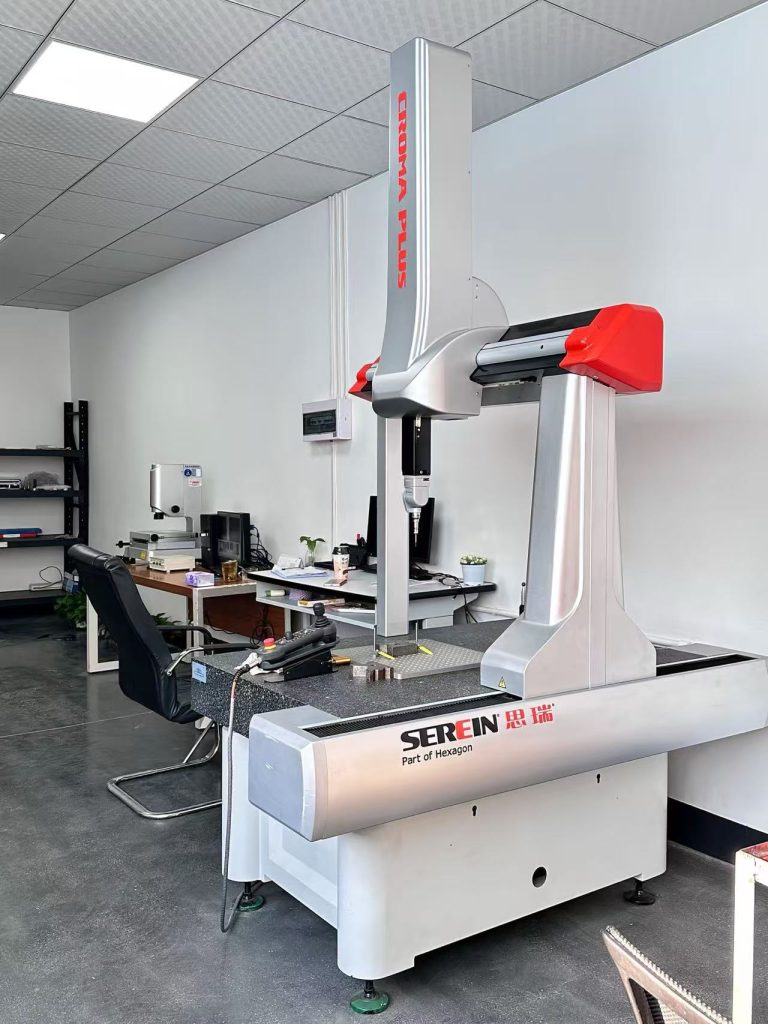
- Quality control measures like CMM inspection and surface testing maintain precision
Common CNC Tolerance Standards
| Material | Typical Tolerance | High Precision Tolerance |
|---|---|---|
| Aluminum | ±0.02 mm | ±0.01 mm |
| Stainless Steel | ±0.03 mm | ±0.01 mm |
| Brass / Copper | ±0.03 mm | ±0.01 mm |
| Engineering Plastics | ±0.05 mm | ±0.02 mm |
CNCTAL regularly achieves ±0.01 mm tolerance for metals, suitable for aerospace, medical, and automotive applications.
Tips for Designers and Engineers
- Specify Realistic Tolerances
- Overly tight tolerances increase cost
- Use ±0.01 mm only when necessary
- Communicate Surface Finish Requirements
- Smooth surfaces reduce wear and improve sealing
- Example: Ra 0.8 for precision sliding components
- Consider Material Properties
- Thermal expansion and hardness affect achievable tolerance
- Account for post-machining processes like plating or anodizing
- Collaborate with Your CNC Supplier
- Experienced manufacturers can suggest design optimizations
- Helps reduce cost while meeting functional requirements
Quality Control in CNC Tolerance
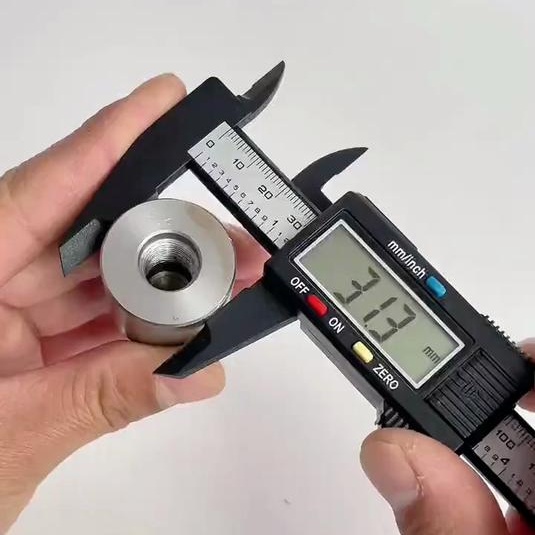
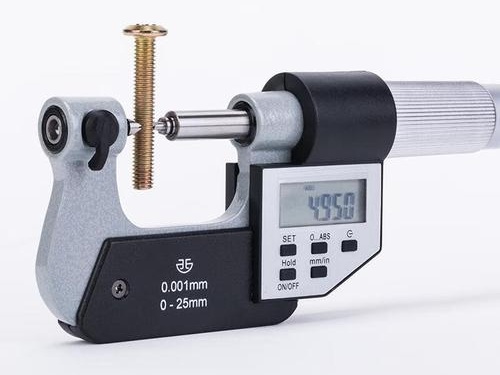
At CNCTAL, quality control ensures all parts meet the specified tolerances:
- CMM Measurement – Coordinate Measuring Machine checks critical dimensions
- Calipers & Micrometers – For rapid verification
- Surface Roughness Testing – Ra measurements confirm finish
- First Article Inspection (FAI) – Ensures initial production matches design
This systematic approach guarantees consistency and reliability across small-batch and custom orders.
CNC Tolerance and Industry Applications
Automotive Parts
- Shafts, bushings, and engine components require ±0.01 mm precision
Medical Devices
- Surgical instruments and implants need tight tolerance and smooth finishes
Aerospace Components
- High-strength aluminum and stainless steel parts must adhere to exact tolerances
Industrial Equipment
- Mechanical assemblies and tooling components rely on consistent accuracy
Need High-Precision CNC Machining?
If your project requires custom CNC parts with tight tolerances up to ±0.01 mm, CNCTAL can help:
- Aluminum, stainless steel, brass, copper, and plastics
- Prototype to small-batch production
- Serving Europe & North America
- Experienced team ensuring quality, reliability, and on-time delivery