CNC Milling vs CNC Turning – Key Differences, Tolerances and Applications
Choosing the right machining process is critical in precision manufacturing. Whether you are producing aluminum housings, stainless steel shafts, or custom mechanical components, understanding the differences between CNC milling and CNC turning can significantly impact cost, lead time, and final quality.
In this guide, we break down the technical differences, tolerance capabilities, material compatibility, and real-world applications of both processes to help engineers and procurement teams make informed decisions.
What is CNC Milling?
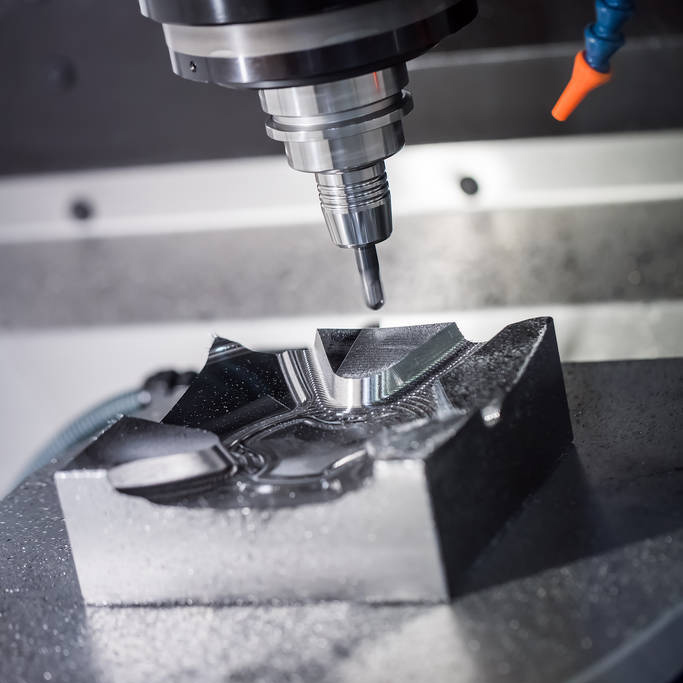
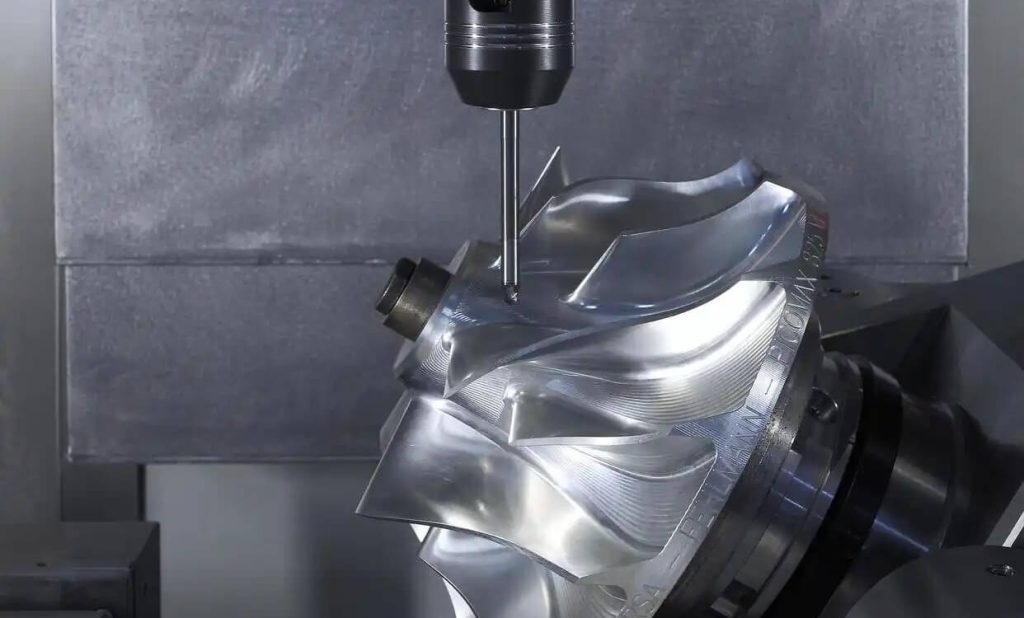
CNC milling is a subtractive manufacturing process where rotating cutting tools remove material from a fixed workpiece. It is ideal for complex geometries, pockets, slots, and multi-surface machining.
Key Characteristics of CNC Milling
- Supports 3-axis, 4-axis, and 5-axis machining
- Suitable for complex 3D structures
- Capable of tight tolerances up to ±0.01 mm
- Excellent surface finish (Ra 0.8 achievable)
CNC milling is commonly used for:
- Aluminum enclosures
- Medical device components
- Aerospace brackets
- Precision mechanical assemblies
What is CNC Turning?
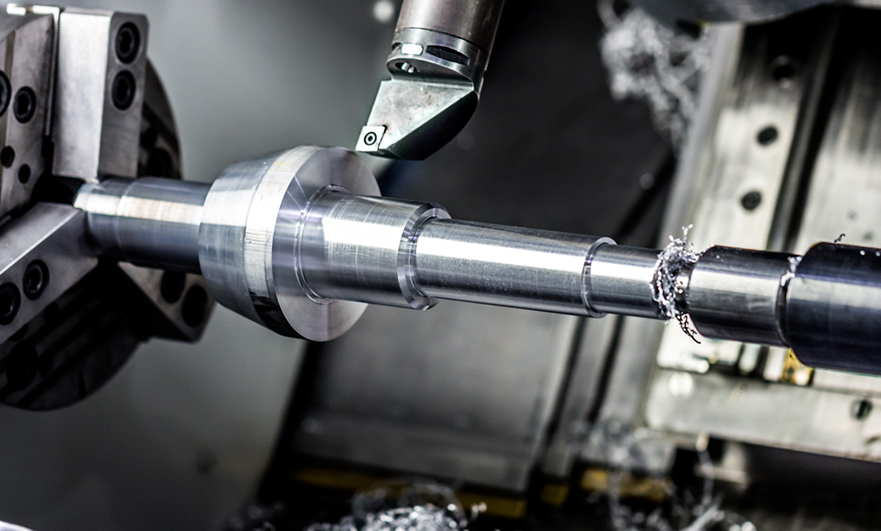
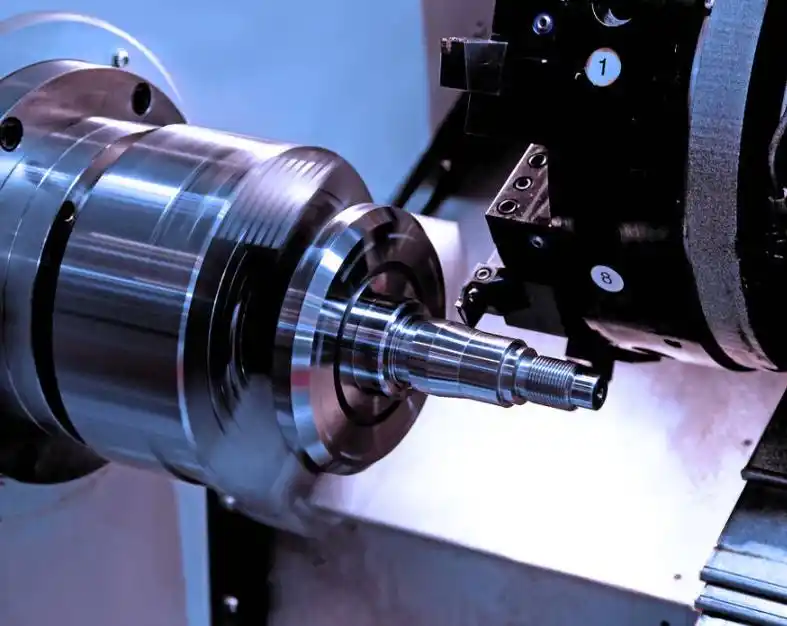
CNC turning is a machining process where the workpiece rotates while a stationary cutting tool removes material. It is best suited for cylindrical or round components.
Key Characteristics of CNC Turning
- Ideal for shafts, pins, bushings, and threaded parts
- High concentricity and symmetry
- Faster production for round components
- Tolerances up to ±0.01 mm
Turning is typically more cost-efficient when manufacturing high volumes of rotational parts.
CNC Milling vs CNC Turning – Technical Comparison
| Feature | CNC Milling | CNC Turning |
|---|---|---|
| Ideal Shape | Complex, multi-surface | Cylindrical / rotational |
| Geometry Capability | High | Moderate |
| Tolerance | ±0.01 mm | ±0.01 mm |
| Surface Finish | Ra 0.8 | Ra 1.6 |
| Cost Efficiency | Best for complex parts | Best for round parts |
| Production Speed | Moderate | High for shafts |
For many projects, both processes may be combined to achieve optimal results.
Materials Suitable for Both Processes
At CNCTAL, we regularly machine:
Aluminum Alloys
- 6061
- 7075
Lightweight and corrosion-resistant.
Stainless Steel
- 303
- 304
- 316
Ideal for medical and industrial environments.
Other Materials
- Brass
- Copper
- Engineering plastics
- Mild steel
Material selection depends on application, load requirements, corrosion resistance, and budget.
Surface Finishing Options
Surface treatment affects durability, appearance, and corrosion resistance.
Common finishing options include:
- Anodizing (Type II & Type III)
- Zinc / Nickel plating
- Powder coating
- Sandblasting
- Polishing and brushing
Selecting the right finish ensures the component meets functional and aesthetic requirements.
Tolerance and Quality Control
Precision is critical in CNC machining. Achieving ±0.01 mm tolerance requires:
- Calibrated machining centers
- Proper tool path programming
- Stable clamping systems
- Post-machining inspection
Quality control typically involves:
- Digital calipers and micrometers
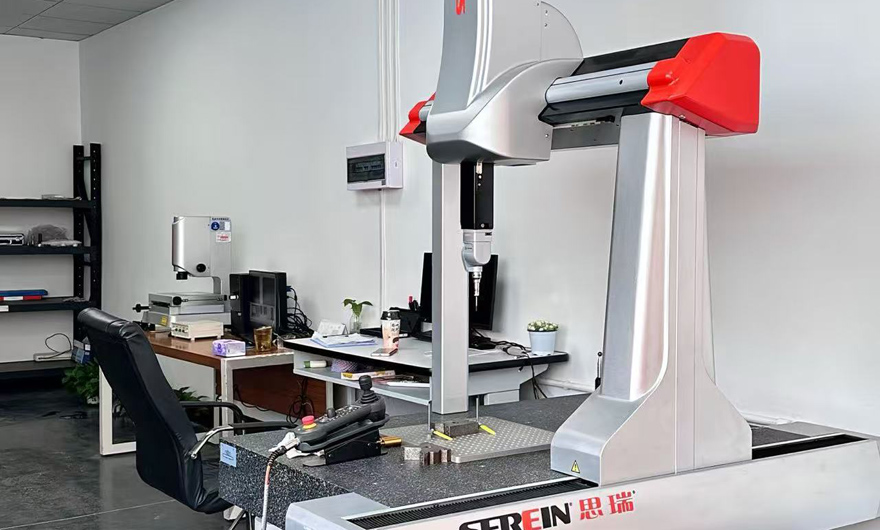
- CMM (Coordinate Measuring Machine) inspection
- Surface roughness measurement
- First article inspection reports
For export-oriented production, consistent inspection processes are essential to ensure repeatability and reliability.
Industry Applications
CNC milling and turning are widely used across industries:
Automotive
- Engine brackets
- Sensor housings
- Transmission components
Medical
- Surgical components
- Equipment housings
- Stainless steel fittings
Industrial Equipment
- Structural parts
- Shafts and rollers
- Mounting plates
Aerospace
- Lightweight aluminum brackets
- High-precision mechanical parts
Selecting the correct machining method ensures performance, durability, and cost efficiency.
How to Choose Between CNC Milling and CNC Turning
Consider the following factors:
- Part Geometry – Is the part cylindrical or complex?
- Tolerance Requirements – Do you need ultra-tight accuracy?
- Production Volume – Is it prototype or small batch?
- Surface Finish – Does the application require cosmetic quality?
- Budget Constraints – Which method optimizes cost?
In many cases, consulting with an experienced CNC manufacturer helps optimize the design before production.
Frequently Asked Questions
What tolerance can CNC machining achieve?
Precision CNC machining can achieve tolerances up to ±0.01 mm depending on geometry and material.
Can both milling and turning be combined?
Yes. Many components require both processes to complete all features.
Is CNC turning cheaper than milling?
For cylindrical parts and higher volumes, turning is typically more cost-effective.
Do you support small batch production?
Yes, from prototype to small-batch manufacturing.
Need Custom CNC Parts?
If you are looking for high-precision CNC milling or turning services for aluminum, stainless steel, brass, or custom materials, we can help.
Upload your drawings today and receive a detailed quotation within 24 hours.
Precision capability: ±0.01 mm
Small batch & custom production
Serving Europe & North America
Email: gemini@cnctal.com