Precision Aluminum Parts Machining
1.Material Selection
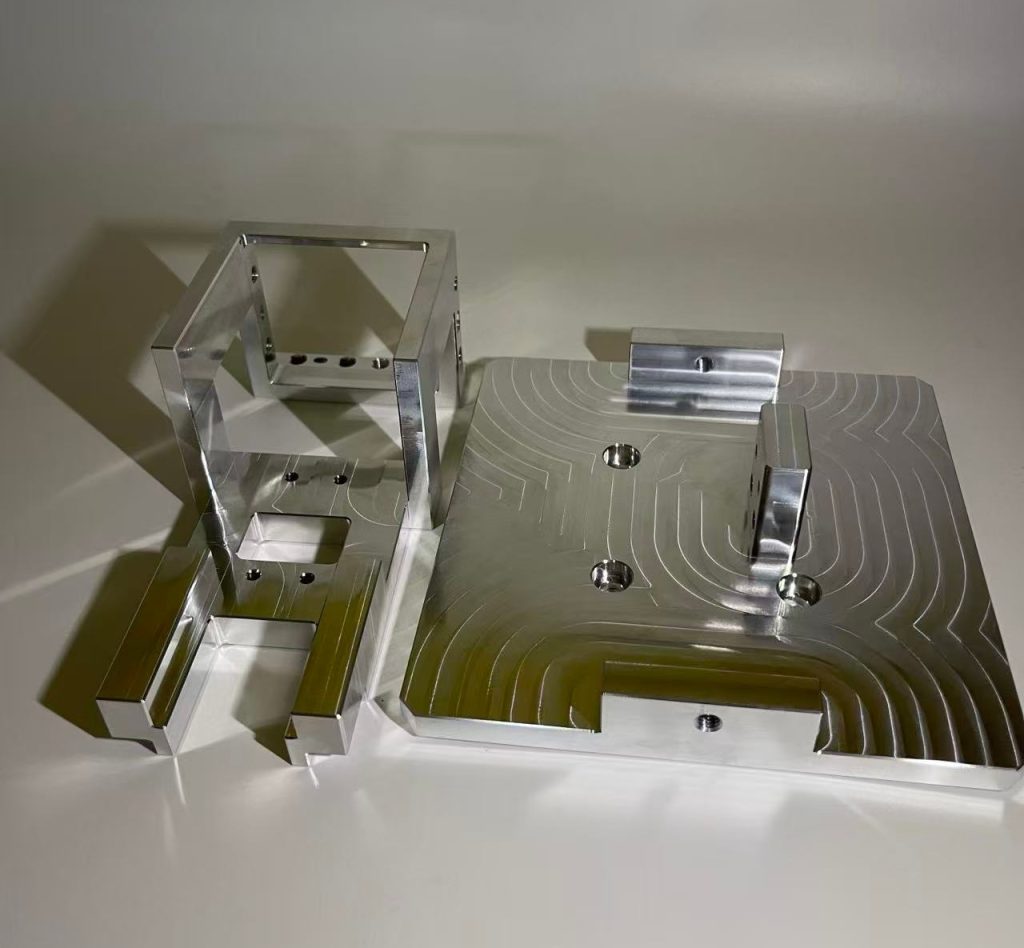
Precision aluminum parts are typically made from aluminum alloys as raw materials. Aluminum alloys offer the advantages of light weight, good corrosion resistance, and excellent plasticity. Commonly used aluminum alloy materials include aluminum-silicon alloys, aluminum-manganese alloys, aluminum-magnesium alloys, and aluminum-zinc alloys. When selecting aluminum alloy materials, the appropriate material must be chosen according to the product’s intended use and specific requirements.
2.Product Design
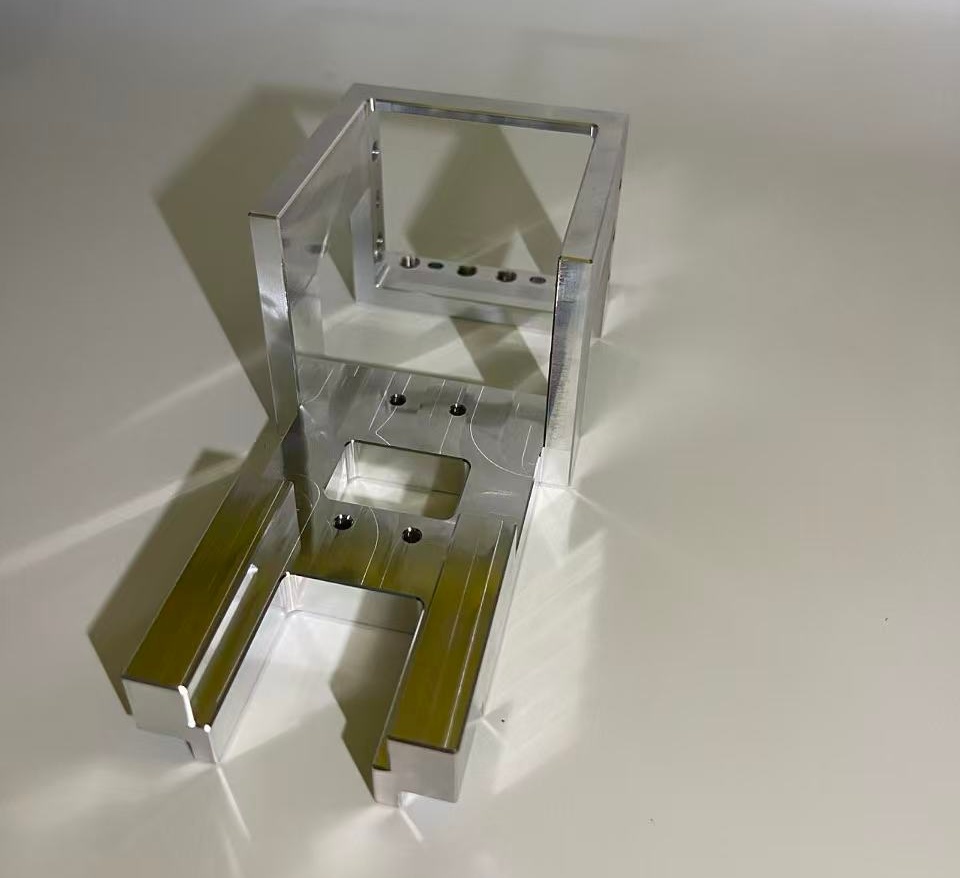
Product design is a critical stage in precision aluminum parts machining. Designers use CAD software to create three-dimensional models and determine the product’s structure and machining process. During the design phase, factors such as the material’s coefficient of thermal expansion and shrinkage rate must also be considered to ensure the product does not deform during processing.
3.Determination of Machining Process
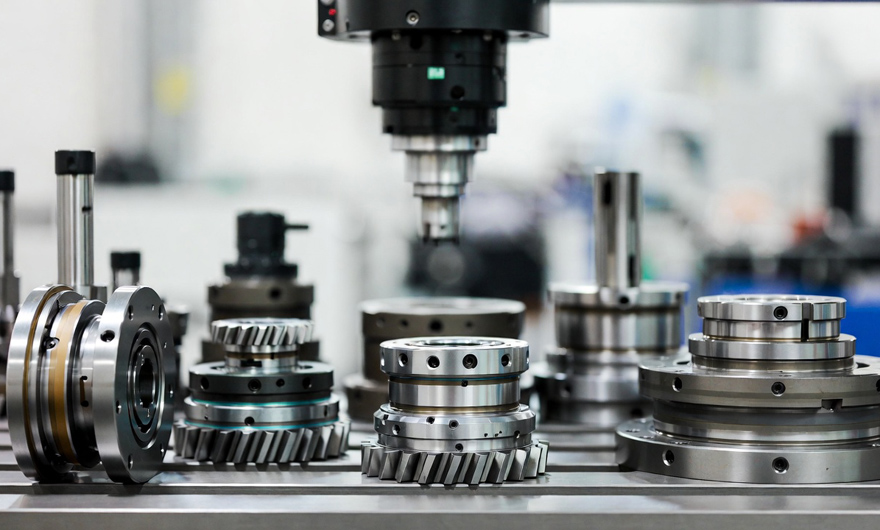
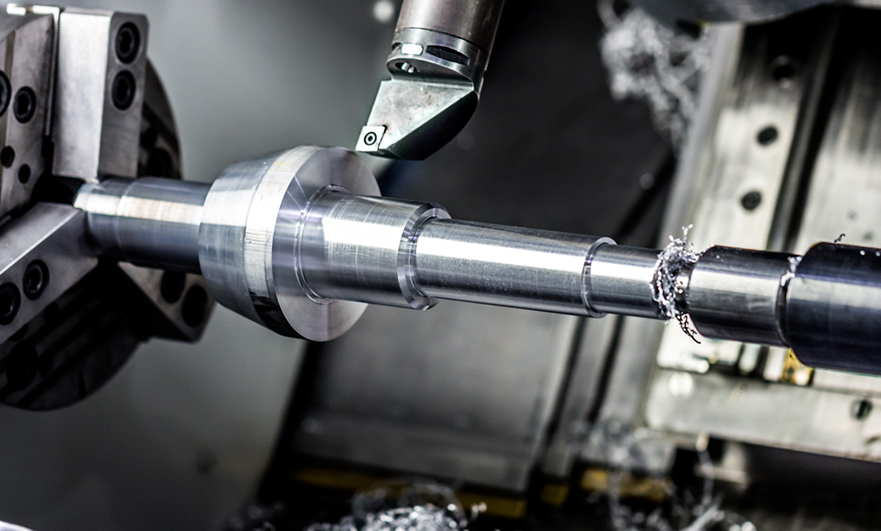
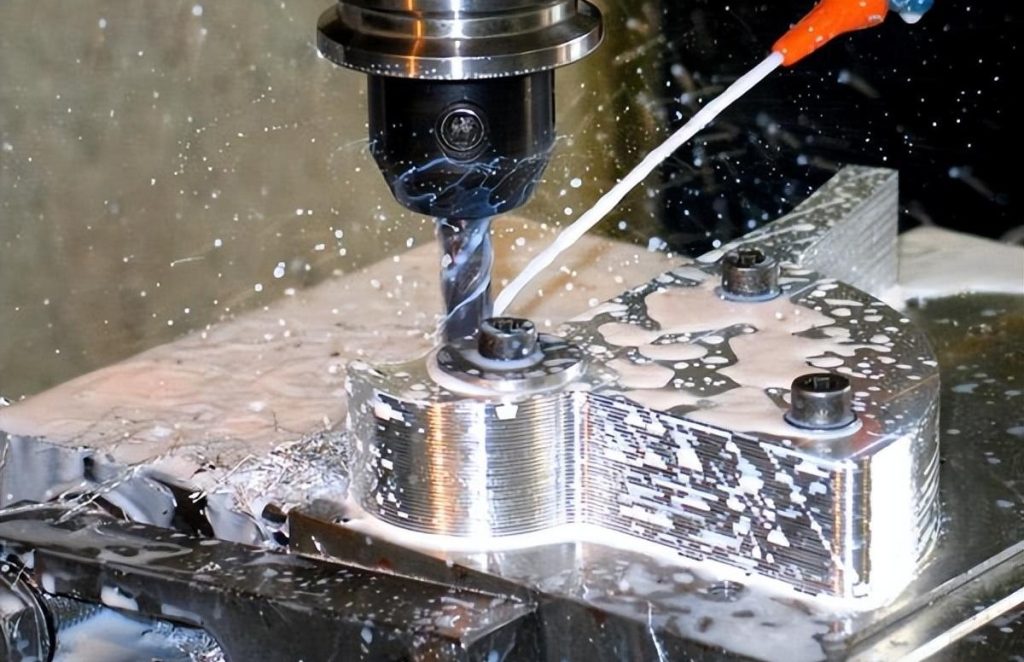
Determining the most suitable machining process based on the product’s design requirements and material characteristics is key to precision aluminum parts machining. Common machining processes include milling, turning, drilling, stamping, welding, and casting. Depending on the specific product and process requirements, a single machining process or a combination of multiple processes may be used. Selection of Machining Method Precision aluminum parts machining can generally be carried out using either traditional mechanical machining methods or CNC machining methods. Traditional mechanical machining mainly includes manual operation and conventional machine tool processing, which is suitable for products with simple shapes and small batch sizes. CNC machining, on the other hand, utilizes CNC machine tools to achieve high-precision processing and is suitable for products with complex shapes and large-scale production.
4.Surface Treatment
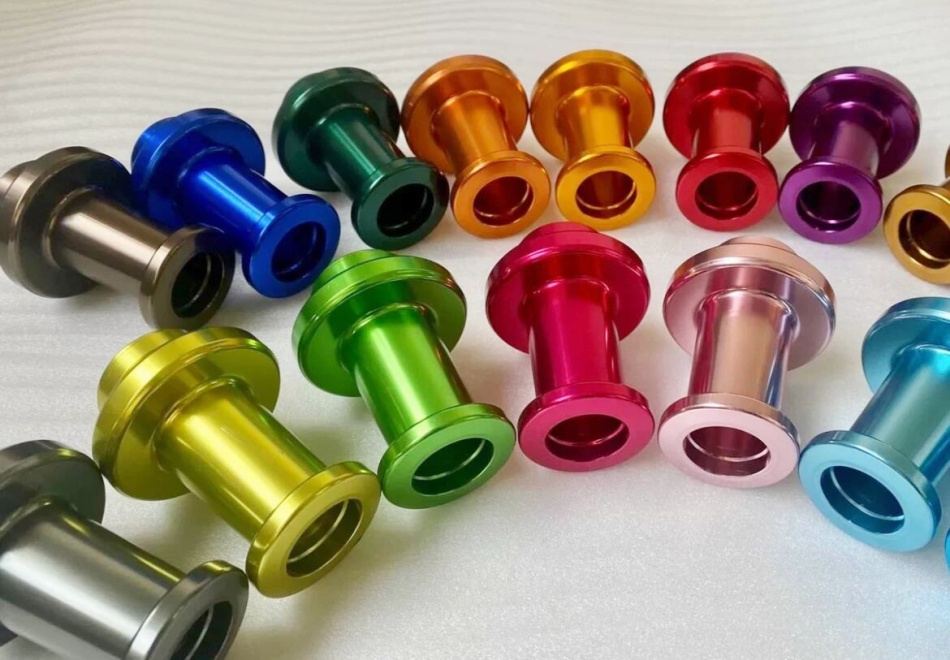
Surface treatment of precision aluminum parts can improve both the appearance and performance of the product, while enhancing its corrosion resistance and wear resistance. Common surface treatment methods include anodizing, electroplating, spraying, and polishing. Anodizing forms a hard aluminum oxide film that provides excellent corrosion resistance and mechanical properties. Electroplating can improve the decorative appeal and wear resistance of the product. Spraying allows for changes in color and texture. Polishing enhances the smoothness and tactile quality of the product.