The Beauty of Precision in Simple Geometry
In the world of precision CNC machining, we’re often drawn to the most intricate and challenging parts—multi-axis linkages, deep cavities, thin walls, and complex curves. These “high-difficulty” projects truly test the limits of our capabilities. Yet, what often reveals the true level of a machining shop’s craftsmanship are the seemingly “simple” aluminum components
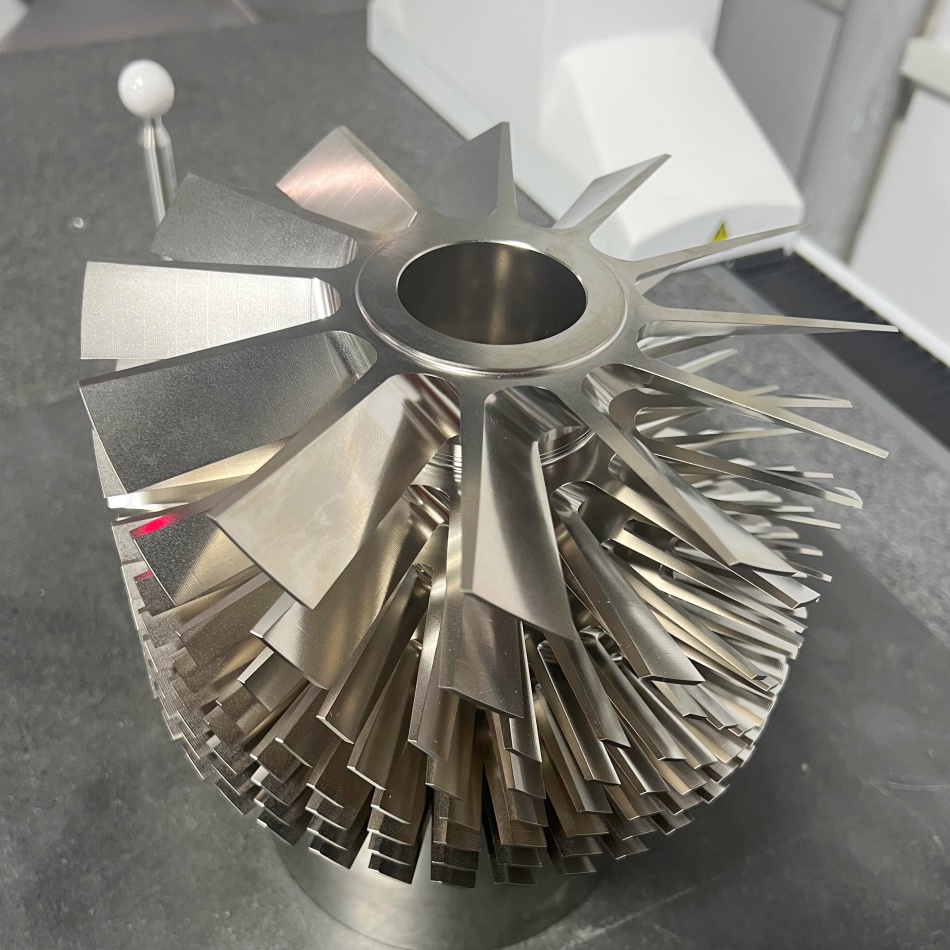
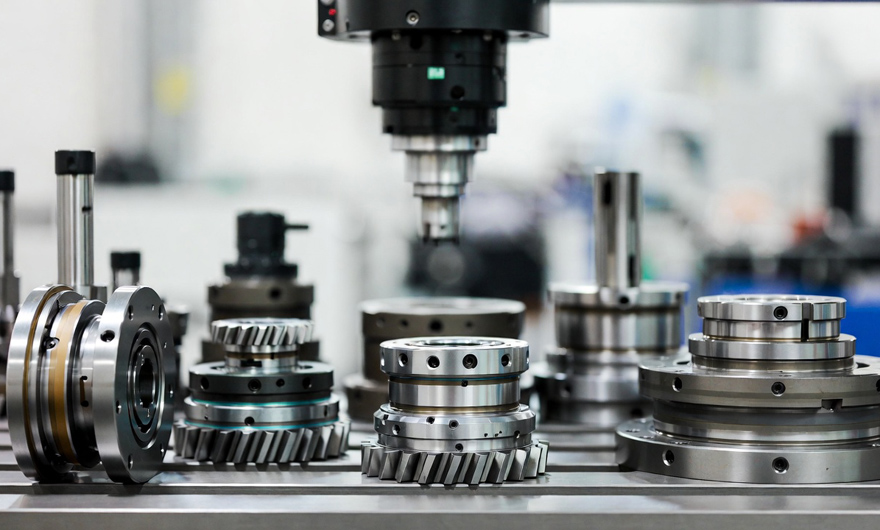
Aluminum alloys (such as the common 6061 and 7075 grades) offer excellent machinability: chips break easily, cutting resistance is low, and heat dissipates quickly. As a result, even parts with clean, straightforward geometry and minimal features can achieve exceptionally high surface quality and dimensional consistency. Crisp right angles, smooth flat surfaces, glossy sidewalls, and sharp edges—these seemingly ordinary details bring a profound sense of visual and technical satisfaction in our shop.
Why do these “simple” aluminum parts feel so captivating?
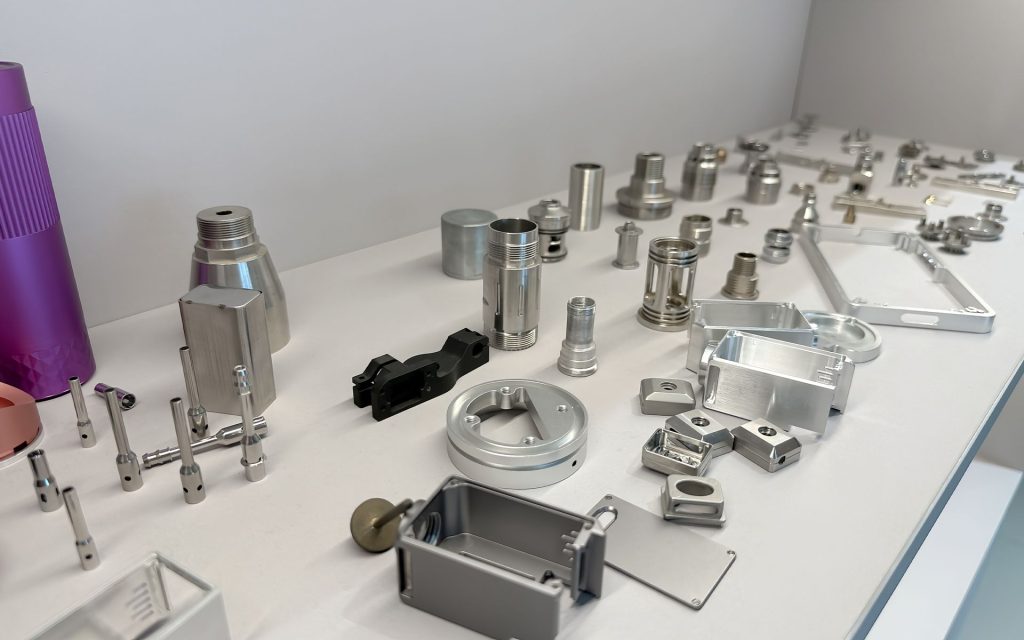
First, the smooth surface finish. Aluminum’s excellent thermal conductivity prevents built-up edge or thermal deformation during CNC machining. With the right tools (such as coated carbide end mills), optimized spindle speeds and feeds, and stable coolant delivery, we can routinely achieve surface roughness as low as Ra 0.8μm—or even better. This mirror-like smoothness is not only visually appealing but also provides an ideal foundation for secondary finishes like anodizing, electroless nickel plating, bead blasting + powder coating, etc. A uniform surface ensures denser, more consistent anodic films, truer colors, and superior corrosion resistance.
Second, the tight consistency. Even when producing hundreds or thousands of pieces in a batch, the CNC machine’s repeatability (typically within ±0.005mm) and precise toolpath control guarantee that every part maintains identical dimensions, tolerances, parallelism, and perpendicularity. Simple geometry actually amplifies this sense of “consistency”—when parts from the same batch are lined up, their edges align perfectly, surfaces reflect light uniformly, and visual differences are virtually nonexistent to the naked eye. This level of reliability is exactly what customers in aerospace, medical devices, consumer electronics, automation equipment, and other fields value most.
Of course, achieving such “simple yet extreme” quality is far from easy. It relies on:
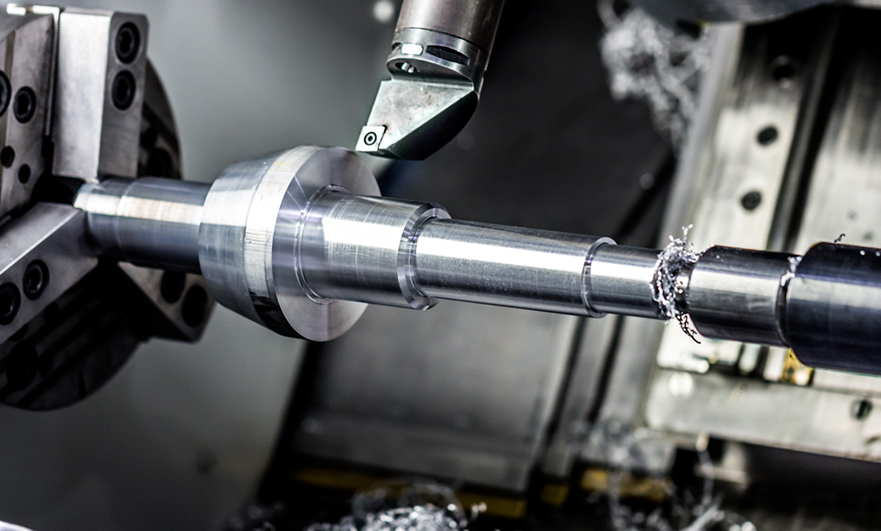
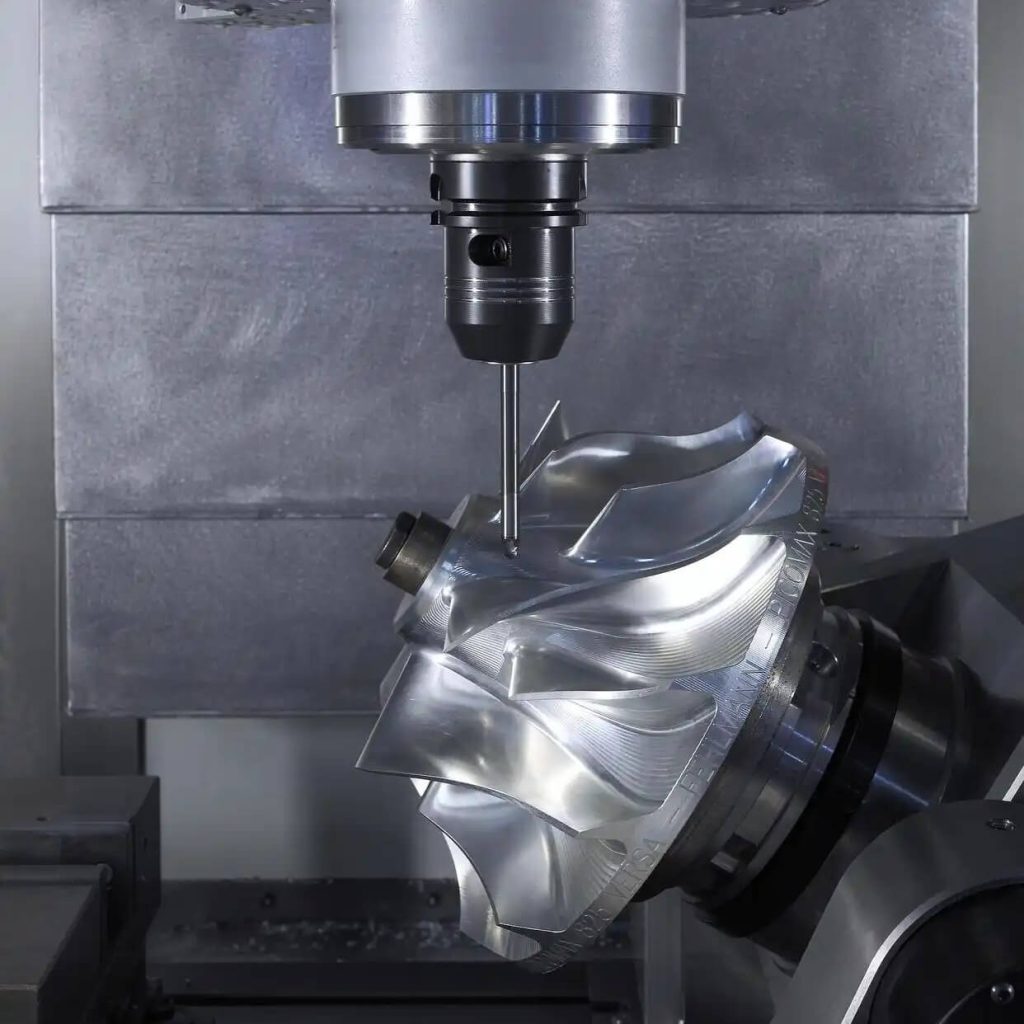
- Careful toolpath planning: Even for face milling, we optimize roughing and finishing sequences to minimize vibration and tool deflection; small stepovers and multi-pass strategies eliminate visible tool marks.
- Stable workpiece fixturing and setup: Aluminum is relatively soft—excessive clamping force causes deformation, while insufficient force leads to chatter. Vacuum tables, soft jaws, and low-stress fixtures are common choices.
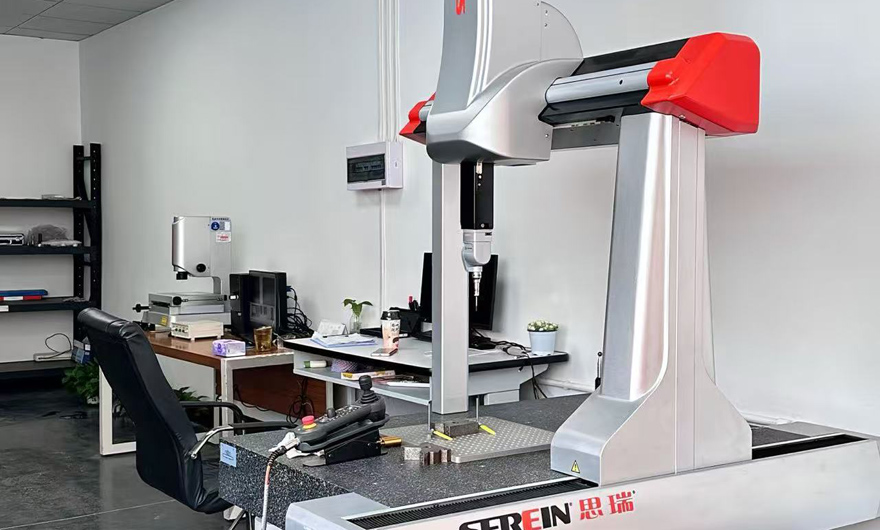
- Meticulous attention to detail: Deburring (manual + mechanical + electrochemical), dimensional inspection (CMM + surface roughness testing), batch traceability… every step demands unwavering focus.
At cnctal.com, we handle everything from complex multi-cavity molds to “just an aluminum bracket” on a daily basis. But every time we complete a batch of clean, smooth, highly consistent aluminum parts, the team can’t help but pause and admire them—the pure satisfaction of craftsmanship is something complex parts simply can’t replicate.
The true charm of precision CNC machining lies not only in “how difficult we can make it,” but in “how perfectly we can execute the simple.” If your project requires aluminum alloy components with exceptional consistency, pristine surface finish, and reliable delivery, feel free to upload your drawings for free DFM feedback. We believe real expertise often hides in the details of the seemingly straightforward.
(Word count ≈ 650. Suitable for your website’s blog or “Industry Insights” section. Pair it with close-up workshop photos of shiny aluminum parts to highlight the clean geometry and smooth surfaces. Suggested title: CNC Machined Aluminum Parts: The Beauty of Precision in Simple Geometry )