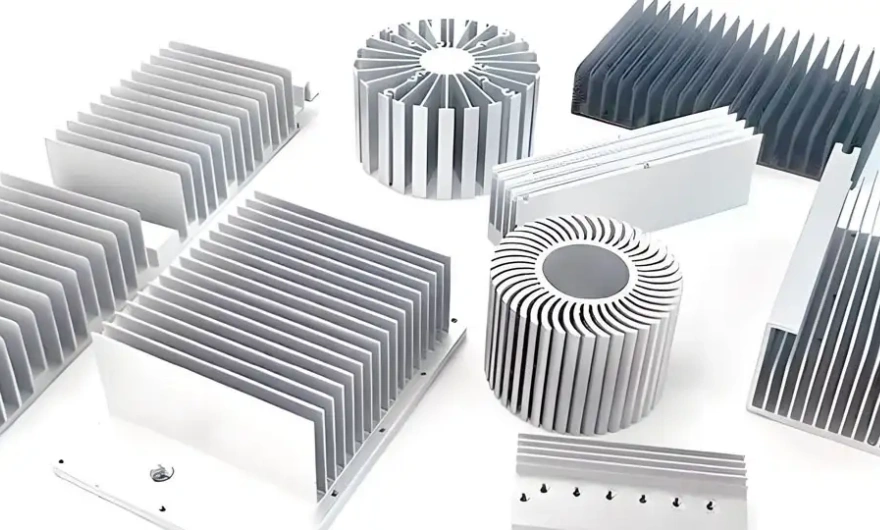

How Much Does CNC Machining Cost?
CNC machining cost depends on material selection, part complexity, machining time, tolerances, surface finishing, production quantity, and inspection requirements. Understanding these factors can help engineers, startups, and purchasing teams reduce cost without sacrificing quality.
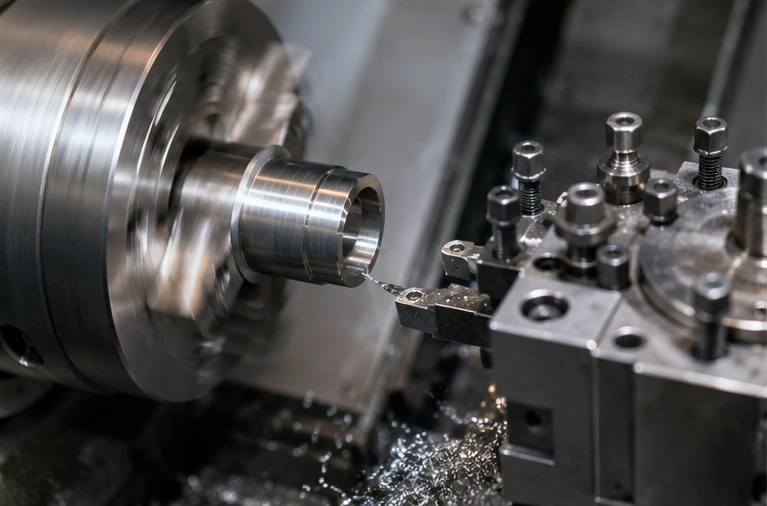
CNC machining cost is influenced by material, machining time, complexity, tolerance, quantity, and finishing requirements.
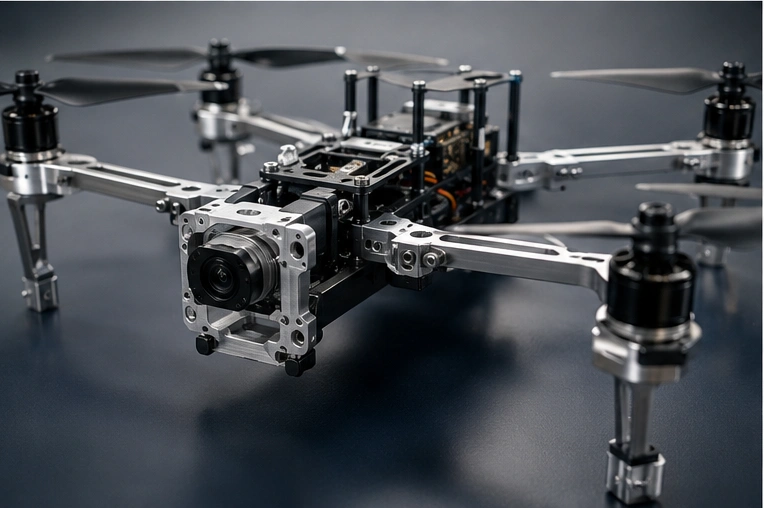
CNC machining is one of the most widely used manufacturing processes for producing precision parts in industries such as aerospace, robotics, automotive, electronics, medical devices, industrial equipment, and consumer products.
However, one of the most common questions customers ask before starting a project is: “How much does CNC machining actually cost?”
The answer is not always simple. CNC machining prices can vary significantly from one project to another because every part has different material, geometry, tolerance, and production requirements.
CNC machining is not priced only by part size. The real cost is mainly determined by machining time, material cost, setup difficulty, tolerance requirements, and post-processing needs.
What Determines CNC Machining Cost?
CNC machining pricing is usually influenced by several core factors. Each factor affects machine time, programming work, tooling wear, operator labor, inspection effort, and production risk.
- Material cost
- Machining time
- Part complexity
- Tolerance requirements
- Surface finishing
- Quantity and batch size
- Machine type and setup
- Inspection and quality control
1. Material Cost
Material is one of the most important factors affecting CNC machining cost. Different materials have different raw material prices, machinability, cutting speeds, tool wear rates, and finishing requirements.
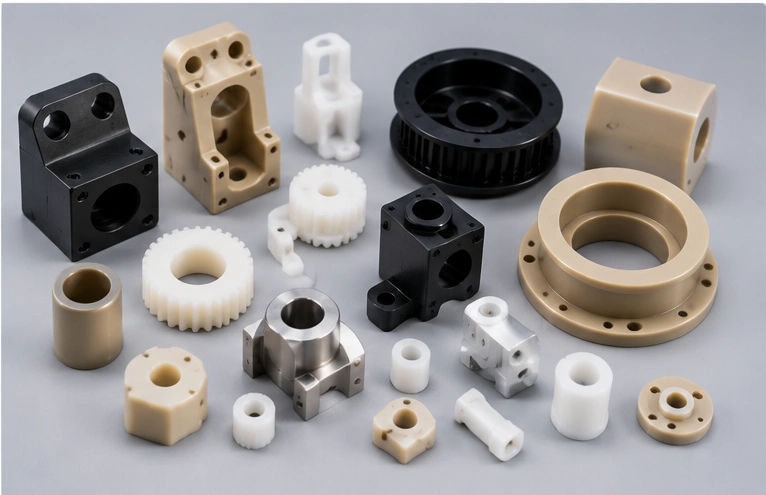
Common CNC machining metals include aluminum, stainless steel, carbon steel, brass, copper, and titanium. Common CNC machining plastics include ABS, POM, Nylon, Acrylic, PEEK, and PTFE.
Aluminum is usually more affordable and easier to machine. Stainless steel is harder and often requires longer machining time. Titanium is strong and corrosion-resistant, but it is expensive and difficult to machine. High-performance plastics such as PEEK also have much higher raw material costs than standard plastics.
2. Machining Time
Machining time is often the biggest cost driver in CNC manufacturing. The longer a part stays on the machine, the higher the cost.
Simple parts with basic drilling, facing, and milling operations can usually be produced quickly. Complex parts with deep cavities, thin walls, curved surfaces, small features, or multi-sided machining require longer cycle times.
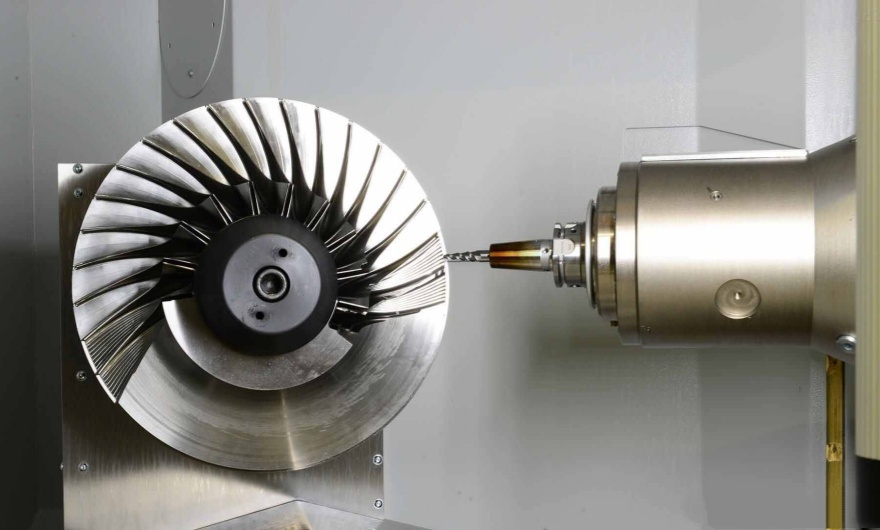
In general, simple 2.5-axis parts are more cost-effective, while complex five-axis precision parts cost more because they require advanced programming, setup, and machine capability.
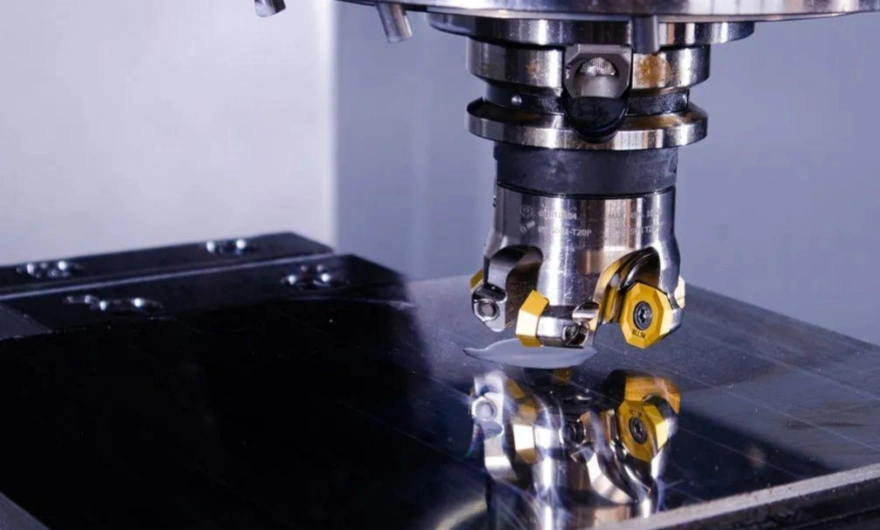
Material selection and machining time are two of the biggest factors that affect CNC machining price.
3. Part Complexity
Part geometry directly affects manufacturing difficulty. A simple bracket may be easy to machine, while a complex housing, thin-wall structure, or precision connector may require multiple setups, custom fixtures, and special cutting tools.
Features that usually increase CNC machining cost include deep pockets, thin walls, sharp internal corners, complex curved surfaces, small holes, tight internal features, threads, and fine details.
Designing parts with manufacturability in mind can significantly reduce cost while maintaining the required function.
4. Tolerance Requirements
Tighter tolerances usually increase CNC machining cost. Standard tolerances are enough for many industrial components, but some applications require much higher precision.
For example, ±0.1 mm is relatively easy for many CNC parts. ±0.01 mm requires more accurate machining and inspection. ±0.005 mm can significantly increase difficulty, especially for complex materials or thin-wall parts.
The tighter the tolerance, the more time is needed for machining, measurement, tool control, and quality verification.
5. Surface Finishing
Many CNC machined parts require additional surface treatments after machining. These finishing processes improve appearance, corrosion resistance, wear resistance, electrical insulation, or brand presentation.
Common surface finishing options include anodizing, hardcoat anodizing, sandblasting, powder coating, polishing, brushing, electroplating, black oxide, and laser marking.
Every additional finishing step increases production cost and lead time, especially when strict cosmetic requirements are involved.
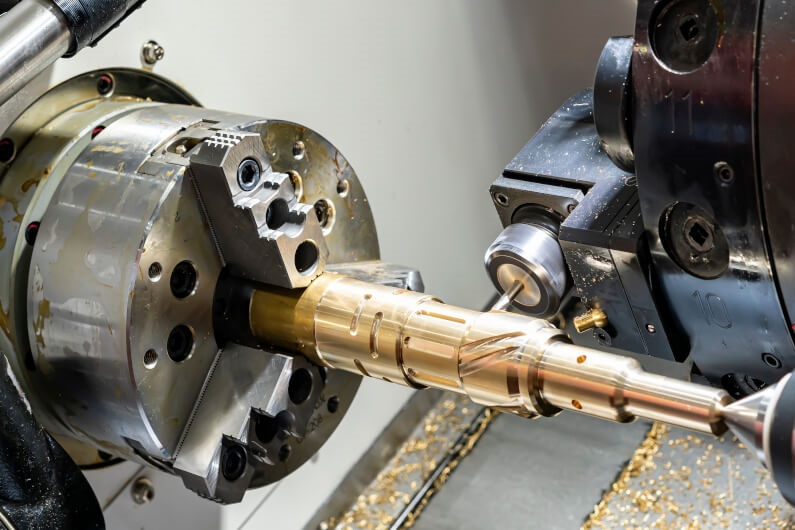
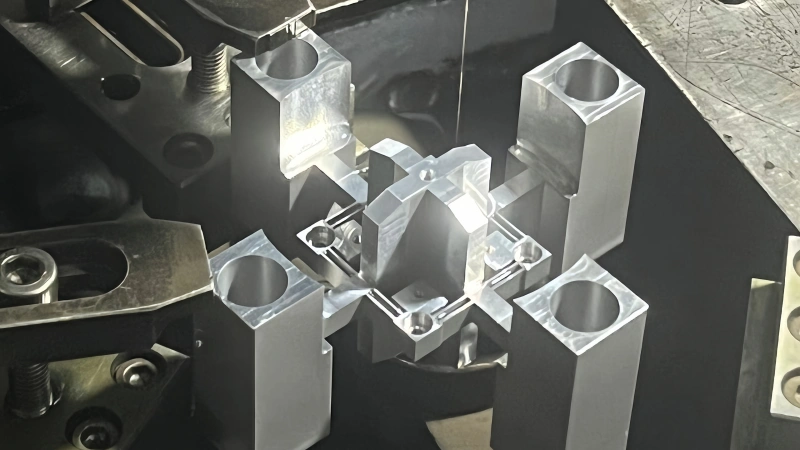
Surface finishing, tolerance requirements, and inspection standards can significantly affect the final CNC machining cost.
6. Quantity and Batch Size
Production quantity has a major impact on unit price. Prototype and low-volume CNC machining usually has a higher unit cost because programming, setup, and tool preparation are shared across fewer parts.
Larger production quantities usually reduce unit cost because setup costs are distributed across more parts, production becomes more efficient, and material purchasing can be optimized.
CNC machining is especially suitable for prototypes, custom parts, and low-to-medium production volumes. For extremely large quantities, die casting, stamping, or injection molding may become more cost-effective.
7. Machine Type and Manufacturing Capability
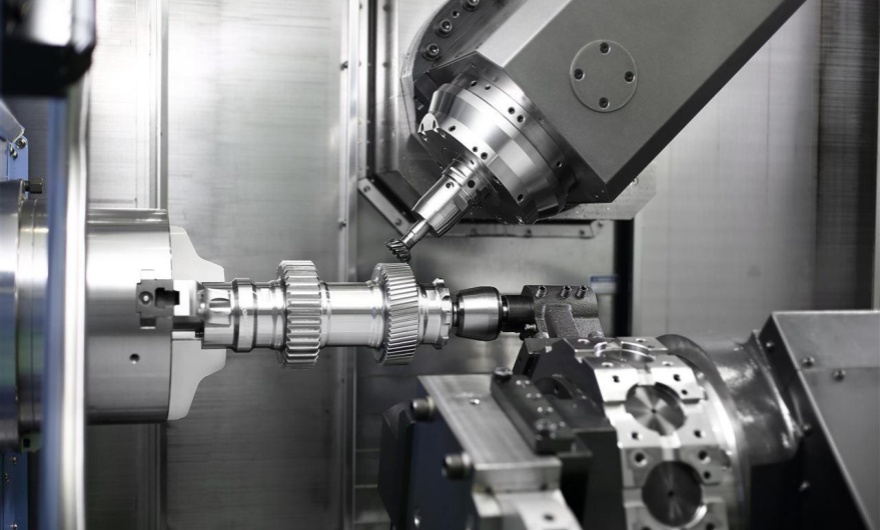
Different CNC machines have different operating costs. Standard three-axis milling is usually more affordable, while four-axis and five-axis machining centers are more expensive but can handle more complex geometries.
Advanced machines provide higher precision, faster production, better surface finish, and fewer setups for complex parts. However, machine hourly rates are also higher.
8. Inspection and Quality Control
Quality inspection also contributes to total manufacturing cost. Some parts require simple dimensional checks, while others require CMM inspection, surface roughness reports, material certificates, first article inspection, or full traceability documentation.
Industries such as aerospace, medical devices, semiconductors, and precision instruments usually require stricter inspection standards.
How to Reduce CNC Machining Cost
CNC machining cost can often be reduced through better design and clearer manufacturing requirements.
- Simplify part design: Avoid unnecessary complex features when possible.
- Use standard materials: Standard aluminum, steel, brass, and engineering plastics are usually more cost-effective.
- Relax non-critical tolerances: Apply tight tolerances only to functional dimensions.
- Reduce setup complexity: Design parts that can be machined with fewer setups.
- Increase production quantity: Larger quantities usually reduce unit price.
- Choose suitable surface finishes: Avoid unnecessary finishing operations.
Is CNC Machining Expensive?
CNC machining is not always expensive. Compared with molding or casting, CNC machining does not require expensive tooling, making it highly suitable for prototypes, custom parts, low-volume production, and precision components.
For low-volume production and high-precision components, CNC machining can often be one of the most cost-effective manufacturing solutions available.
Conclusion
CNC machining cost depends on material selection, machining time, part complexity, tolerance requirements, surface finishing, production quantity, machine type, and inspection standards.
Understanding these factors helps engineers, product designers, startups, and purchasing managers make better manufacturing decisions and optimize production budgets.
Whether you need a simple aluminum bracket, a complex five-axis aerospace component, or a precision AI liquid cooling connector, choosing an experienced CNC machining supplier can help balance cost, quality, and lead time effectively.
Need a CNC Machining Quote?
CNCTAL provides custom CNC machining services for aluminum, stainless steel, brass, copper, plastics, prototypes, low-volume production, and precision machined parts. Send us your CAD files or drawings for an engineering review and quotation.
Request a QuoteFAQ About CNC Machining Cost
What is the biggest factor affecting CNC machining cost?
Machining time is often the biggest factor, followed by material cost, part complexity, tolerance requirements, and surface finishing.
Why do complex CNC parts cost more?
Complex parts may require more programming, multiple setups, custom fixtures, special tools, longer machining time, and more inspection.
Can increasing quantity reduce CNC machining price?
Yes. Larger quantities usually reduce unit cost because setup and programming costs are shared across more parts.
How can I reduce CNC machining cost?
You can reduce cost by simplifying design, using standard materials, relaxing non-critical tolerances, reducing setups, and choosing only necessary surface finishes.