

Titanium CNC Machining
Lightweight strength and corrosion resistance for demanding custom machined components.
CNCTAL machines custom titanium parts for aerospace, medical, robotics, marine and industrial applications. We support prototypes and low-volume production using Grade 2, Grade 5 and other titanium specifications based on project requirements.
- Grade 2 and Grade 5 titanium
- CNC milling and turning
- Complex multi-axis components
- Prototype and volume orders
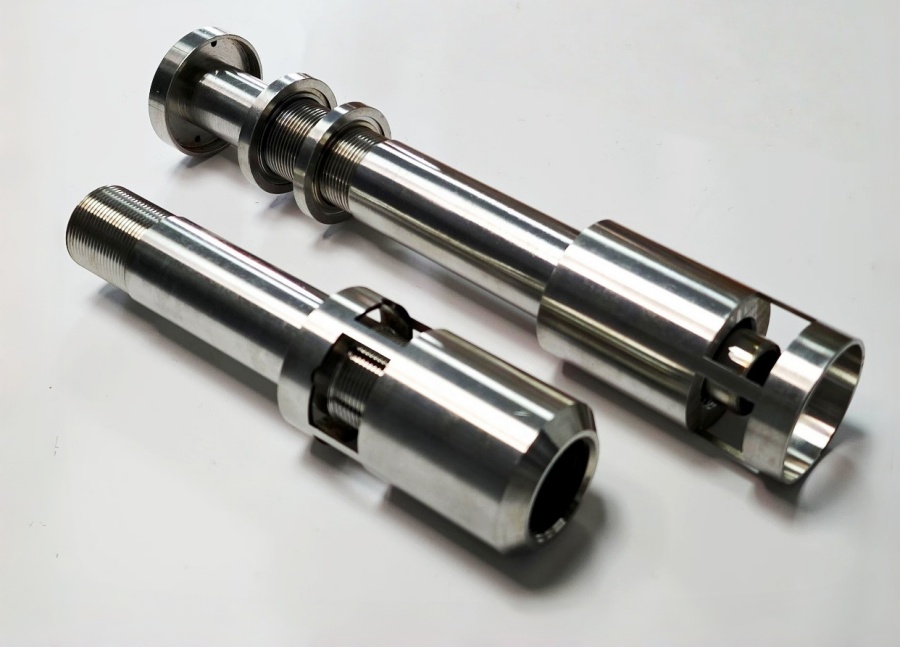
Why Choose Titanium for CNC Machined Parts?
Titanium combines low weight, high mechanical strength and excellent corrosion resistance. These properties make it suitable for precision parts used in demanding environments where standard metals may not provide the required performance.
The final titanium grade should be selected according to strength, temperature, corrosion, weight and certification requirements. Grade 2 and Grade 5 are the most common choices for CNC machining.
High Strength-to-Weight Ratio
Titanium provides high mechanical strength without the weight of many traditional engineering metals, making it useful for lightweight structural and moving components.
Excellent Corrosion Resistance
Titanium performs well in seawater, moisture, chemicals and other corrosive environments, helping extend the service life of machined components.
Stable Performance at Temperature
Selected titanium alloys retain useful strength and mechanical stability in elevated-temperature applications such as aerospace, energy and industrial equipment.
Suitable for Medical Applications
Certain titanium grades offer good biocompatibility and corrosion resistance, making them suitable for medical instruments, device components and other controlled applications.
Titanium Material Properties
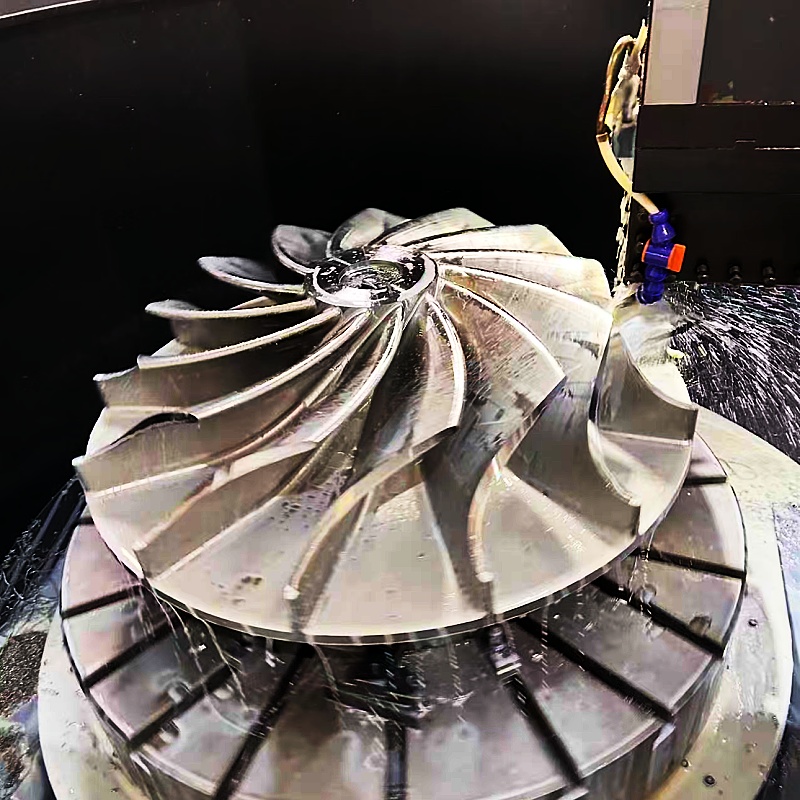
Grade 2 and Grade 5 are the most commonly used titanium materials for CNC machining. Their density is similar, but strength, hardness and typical applications differ significantly.
For Corrosion Resistance and Ductility
Commonly selected for marine, chemical, medical and general industrial parts where corrosion resistance is more important than maximum strength.
For Higher Strength and Structural Performance
Widely used for aerospace brackets, robotic parts, shafts and other components requiring a high strength-to-weight ratio.
Property values are typical references only and may vary according to material specification, product form, heat treatment and supplier data. Final material requirements should follow the customer drawing and applicable material standard.
Titanium CNC Machining Capabilities
CNCTAL manufactures custom titanium components using CNC milling, turning and multi-axis machining. The process is selected according to part geometry, tolerance, material grade and production quantity.
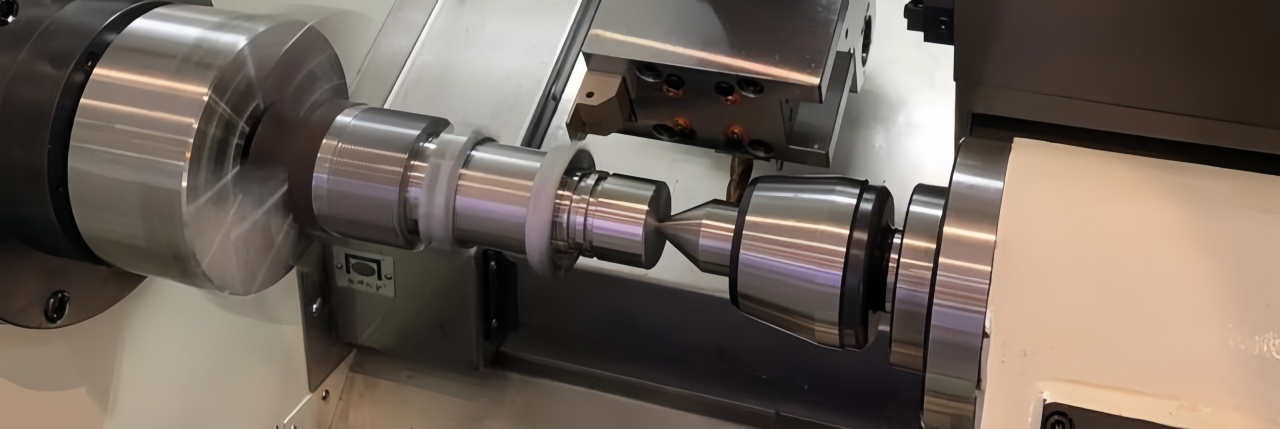
Machining Processes for Custom Titanium Parts
Titanium has low thermal conductivity and places greater demand on tooling than aluminum or mild steel. Our engineers review tool access, wall thickness, heat concentration and machining sequence before production.
CNC Milling
Used for titanium brackets, housings, plates, pockets and structural components with milled surfaces and detailed features.
CNC Turning
Suitable for shafts, pins, bushings, sleeves, threads and round titanium parts requiring controlled diameters and concentricity.
Multi-Axis Machining
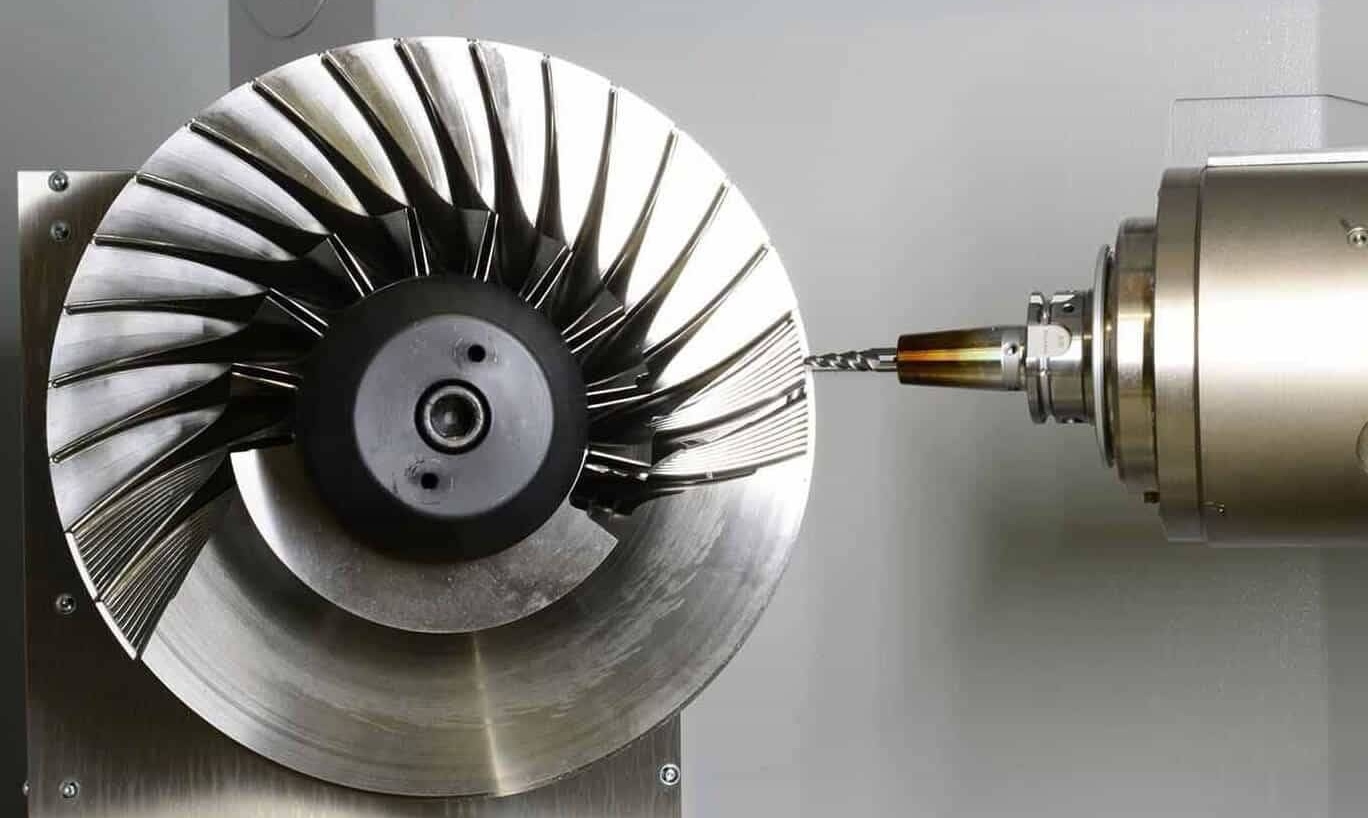
Supports complex titanium parts with multiple faces, angled holes, curved surfaces and features requiring fewer setups.
Prototype & Low-Volume Production
Suitable for engineering samples, functional prototypes, specialized equipment and repeat small-batch production.
Final tolerance capability depends on part size, geometry, wall thickness, datum design and inspection access. Critical dimensions should be clearly identified on the technical drawing.
View Titanium CNC Parts →Common Titanium Grades for CNC Machining
Grade 2 and Grade 5 are the most commonly requested titanium materials for custom CNC parts. Grade 2 is generally selected for corrosion resistance and ductility, while Grade 5 is used where higher strength and structural performance are required.
Titanium Grade 2
Grade 2 provides excellent corrosion resistance, good ductility and moderate mechanical strength. It is well suited to parts used in marine, chemical, medical and general industrial environments.
Titanium Grade 5
Grade 5 offers significantly higher strength than commercially pure titanium while retaining low weight and good corrosion resistance. It is widely used for performance-driven and load-bearing components.
Which Titanium Grade Should You Choose?
Choose Grade 2 when corrosion resistance, ductility and general environmental durability are the main requirements. Choose Grade 5 when the part must carry higher loads or achieve better structural performance at a lower weight. Final material selection should follow the drawing, working environment, certification requirements and cost target.
Other titanium grades may also be available depending on material specification, quantity and sourcing requirements. Material certificates should be requested before production when traceability is required.
Surface Finishing for Titanium Parts
Surface finishing plays an important role in improving the appearance, corrosion resistance, and performance of titanium CNC machined parts. CNCTAL offers several common finishing options based on functional and aesthetic requirements.
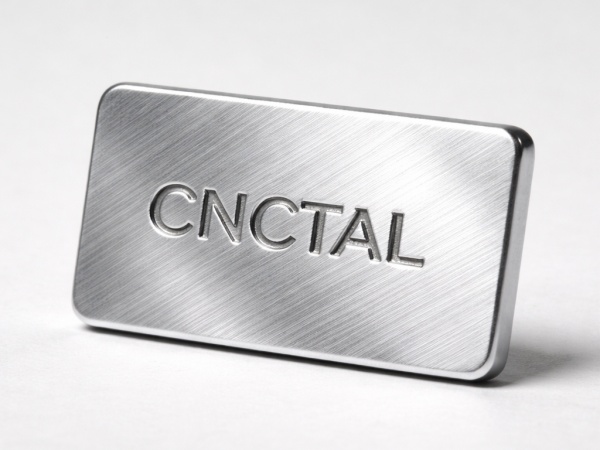
As Machined
The standard finish directly from CNC machining. Visible tool marks may remain, making it suitable for functional parts where surface appearance is not critical.
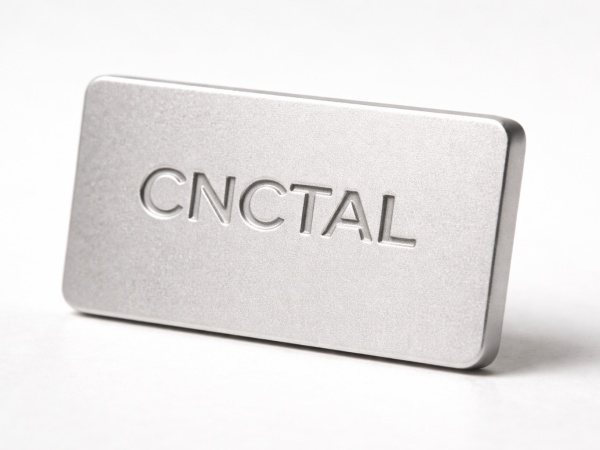
Sandblasting
Creates a uniform matte surface by removing machining marks. Improves visual consistency and provides a clean industrial appearance.
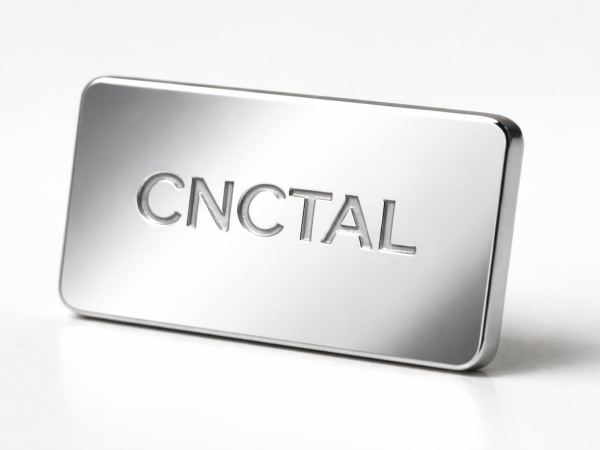
Polishing
Produces a smooth or mirror-like surface finish. Suitable for applications requiring improved surface quality or aesthetic appearance.
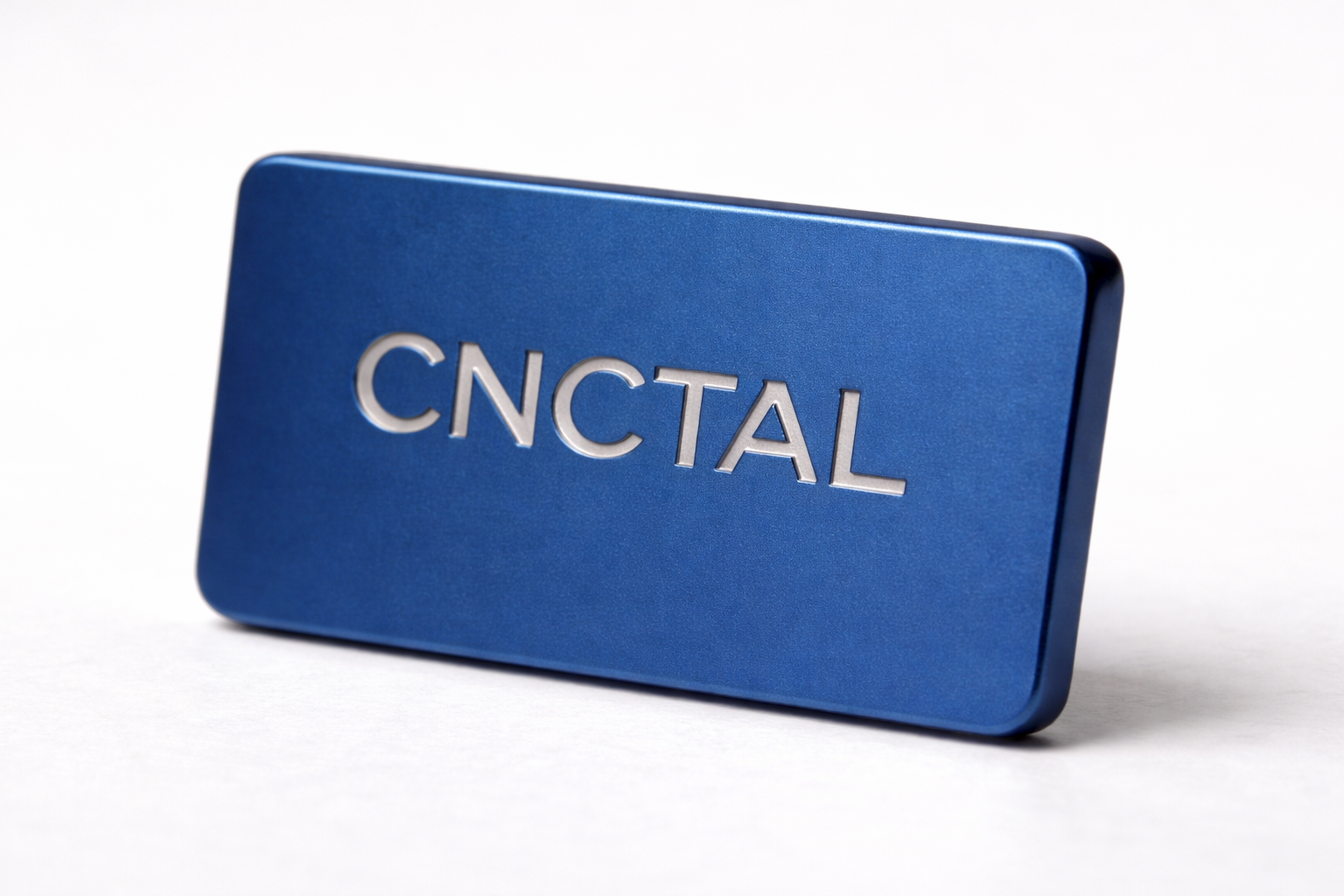
Titanium Anodizing
Generates oxide layers that can produce color effects while enhancing corrosion resistance. Commonly used for medical, decorative, and high-end components.
Design Tips for Titanium CNC Machining
Titanium parts can often be made more economical and stable by simplifying difficult features, improving tool access and applying tight tolerances only where they are functionally required.
Avoid Unnecessarily Deep Cavities
Deep pockets require longer cutting tools and can increase vibration, heat concentration and machining time. Reduce depth where possible or increase the cavity width to improve tool access.
Use Practical Internal Radii
Internal corners cannot be machined perfectly sharp with standard milling tools. Larger radii allow stronger tools, smoother cutting motion and shorter machining times.
Keep Thin Walls Stable
Very thin titanium walls may move during machining as material is removed. Use consistent wall thickness and add support around lightweight features where the design allows.
Limit Tight Tolerances
Apply close tolerances only to critical fits, datums and functional features. Unnecessary tight tolerances increase machining, inspection and rejection costs.
Provide Clear Tool Access
Angled holes, narrow slots and hidden features may require additional setups or 5-axis machining. Accessible features generally reduce setup time and improve dimensional control.
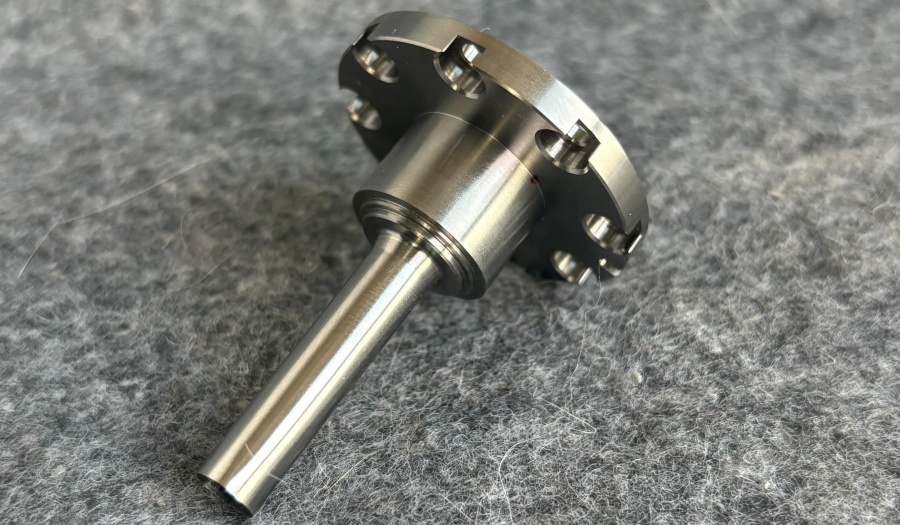
Review the Design Before Production
Early DFM review can identify difficult tool access, thin walls, deep features and excessive tolerance requirements before material and machining time are committed.
Design recommendations depend on the actual titanium grade, part size, geometry, quantity and functional requirements. Final manufacturability should be confirmed using the 3D model and technical drawing.
View Titanium CNC Parts →Titanium CNC Machining FAQs
Here are some common questions customers ask about titanium CNC machining. If you have a specific project, feel free to contact us for more details.
Yes, titanium is more difficult to machine than materials like aluminum or brass. It generates heat quickly, causes tool wear, and requires optimized cutting parameters. This is why experience and proper machining strategies are critical when working with titanium.
The most commonly used grades are Grade 2 and Grade 5 (Ti-6Al-4V). Grade 2 is preferred for corrosion resistance and general use, while Grade 5 is widely used for high-strength applications such as aerospace and medical parts.
CNCTAL can achieve tight tolerances up to ±0.01 mm depending on part geometry, material grade, and machining complexity. Precision control is especially important for titanium components.
Yes, titanium offers excellent corrosion resistance and performs well in marine, chemical, and outdoor environments. It is one of the best materials for long-term durability in harsh conditions.
Yes, we specialize in both prototype and low-volume production. Whether you need one sample or small batch orders, we can support your titanium machining project with stable quality and fast response.