
CNC Metal Parts

Custom CNC Metal Parts in Aluminum, Steel, Brass, Copper & Titanium

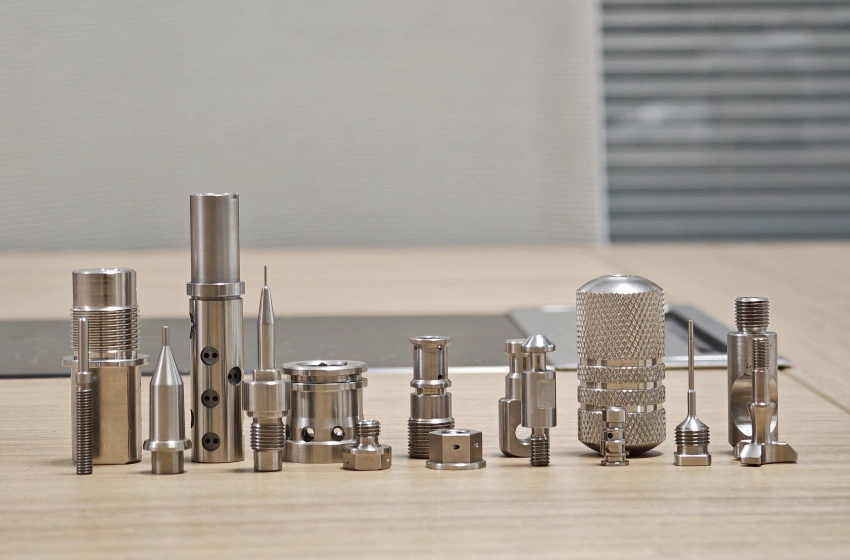
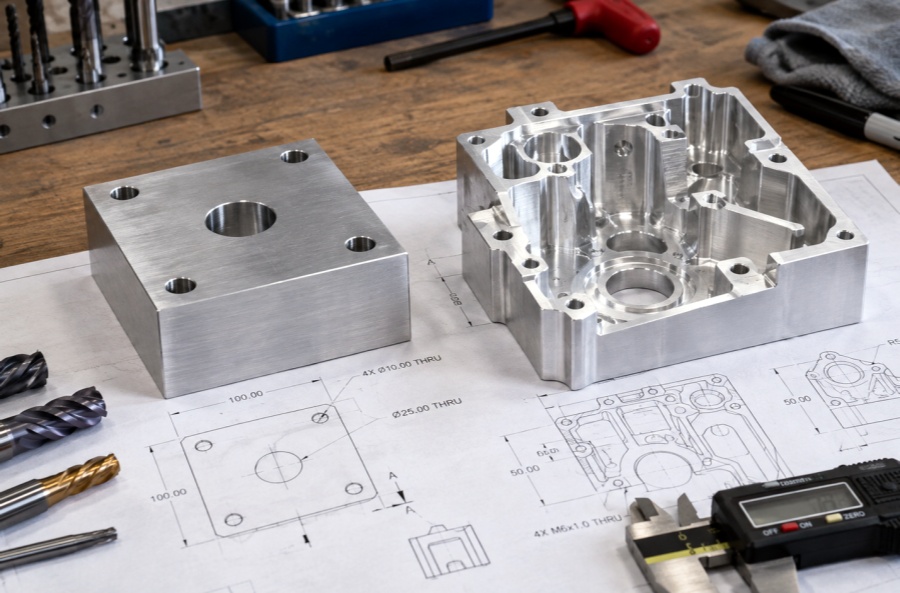
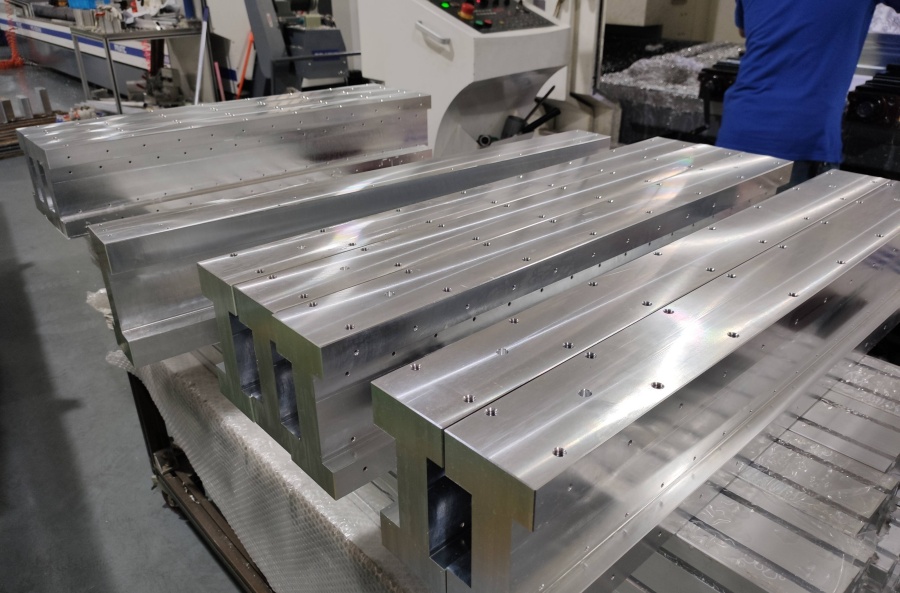
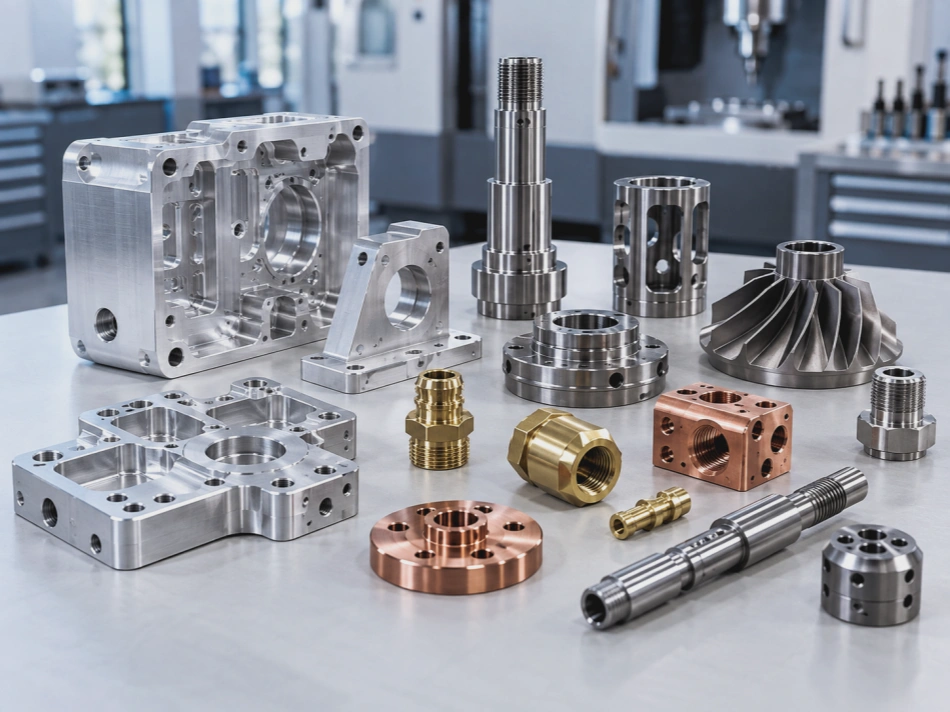
Explore our full range of CNC machined metal parts for prototypes, custom components, and volume production. CNCTAL machines aluminum, stainless steel, carbon and alloy steel, brass, copper, titanium, magnesium, and other engineering metals for precision mechanical and industrial applications.

✓
Wide Metal Material Options Aluminum, stainless steel, carbon steel, brass, copper, titanium, magnesium, and more.
✓
Precision CNC Machining Milling, turning, 5-axis machining, EDM, and tight-tolerance production support.
✓
Prototype to Volume Production Flexible support for one-off parts, pilot runs, and repeat custom orders.
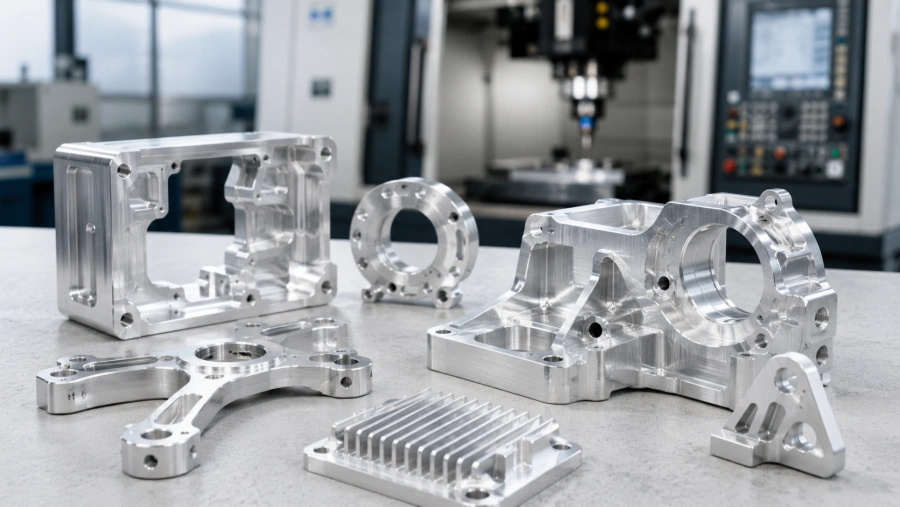
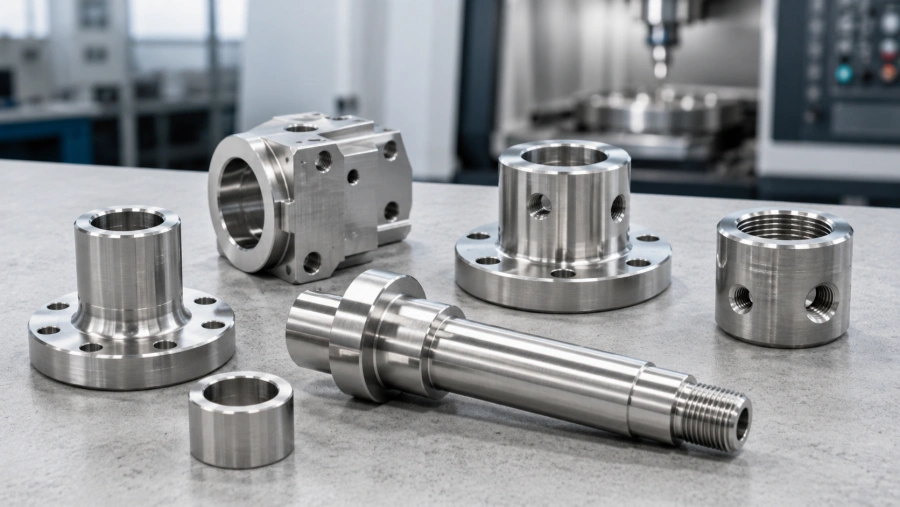
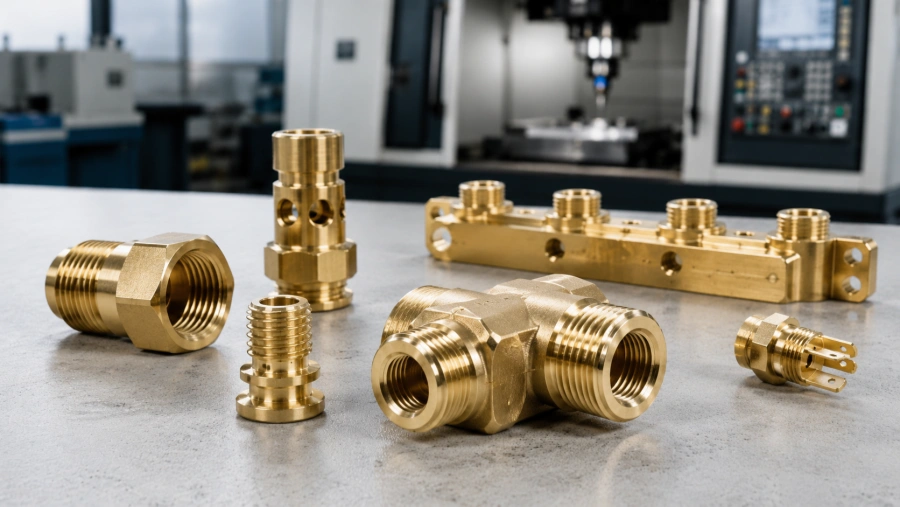
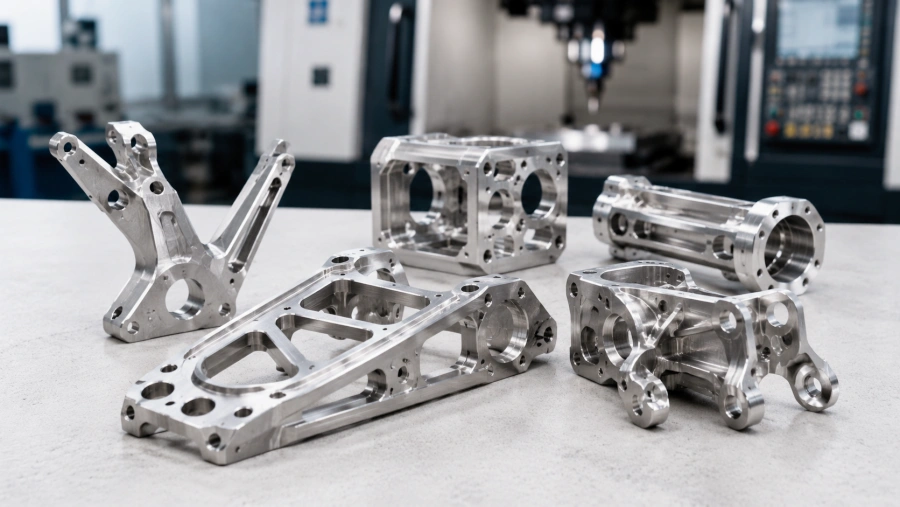
Custom CNC machined metal parts in aluminum stainless steel brass copper titanium and other metals
Metal Materials Multiple alloy options
Precision Machining Milling & turning support
Fast Quote Support Global project delivery

Explore the Metal Materials We Machine

CNCTAL machines a wide range of engineering metals for custom CNC parts, prototypes, and low-volume production. Compare common alloys based on strength, weight, corrosion resistance, machinability, and application requirements.

Aluminum

Lightweight, easy to machine, and corrosion-resistant. Ideal for housings, brackets, frames, enclosures, and precision structural parts.

6061 6063 7075
View Aluminum Parts

Stainless Steel

Strong, wear-resistant, and corrosion-resistant. Suitable for industrial equipment, medical devices, fixtures, shafts, and demanding functional parts.

304 316 17-4PH
View Stainless Steel Parts

Carbon Steel

Cost-effective and durable for structural parts, machine components, fixtures, and industrial applications requiring reliable mechanical strength.

1018 1045 A36
View Carbon Steel Parts

Alloy Steel

Improved toughness, wear resistance, and mechanical performance for gears, shafts, tooling parts, and heavy-duty machined components.

4140 4340 8620
View Alloy Steel Parts

Magnesium

Lightweight with a high strength-to-weight ratio. Used for aerospace, automotive, electronics, UAV, and weight-sensitive engineering components.

AZ31B AZ61A
View Magnesium Parts

Brass

Excellent machinability and good corrosion resistance. Common for fittings, valves, connectors, inserts, precision components, and electrical applications.

C360 C260 C272
View Brass Parts

Copper

High electrical and thermal conductivity makes copper suitable for electrical contacts, heat-transfer parts, busbars, cooling components, and conductive assemblies.

C101 C110 C145
View Copper Parts

Titanium

Lightweight, high-strength, and highly corrosion-resistant. Ideal for aerospace, UAV, medical, marine, and high-performance engineering applications.

Grade 2 Grade 5 Ti-6Al-4V
View Titanium Parts

Need help choosing the right metal? Our engineers can review strength, weight, machinability, corrosion resistance, surface finishing, and cost requirements to recommend a practical material for your CNC project.

Why Metal Materials Are Widely Used for CNC Machined Parts

CNC machined metal parts are widely selected for applications that require strength, stability, durability, and long-term performance. From lightweight aluminum components to high-strength steel and corrosion-resistant titanium, metal materials provide reliable solutions for industrial and precision manufacturing.

Reliable Performance for Structural and Functional Parts

Metal materials are often the first choice for custom CNC parts when customers need strong mechanical performance, dimensional stability, and dependable service life. Compared with plastics, metals are better suited for load-bearing structures, wear-resistant parts, heat-resistant components, and precision assemblies.

At CNCTAL, we machine a wide range of metals to meet different project needs, whether you need lightweight housings, durable machine parts, conductive copper components, or high-strength titanium parts for demanding industries.

High Strength & Rigidity Suitable for brackets, shafts, fixtures, frames, and demanding structural components.
Better Heat & Wear Resistance Ideal for industrial parts exposed to friction, pressure, or elevated operating temperatures.
Corrosion Resistance Options Available materials such as aluminum, stainless steel, brass, and titanium perform well in harsh environments.
Wide Surface Finish Compatibility Supports anodizing, plating, polishing, brushing, powder coating, and other post-processing options.

Material Flexibility

Different metals offer different benefits in weight, strength, machinability, conductivity, and corrosion resistance, making CNC metal machining suitable for many industries and product types.

Precision Manufacturing

CNC machining makes it possible to produce tight-tolerance metal parts with accurate dimensions, clean details, and repeatable quality for prototypes and low-volume production.

Fit for Many Applications

Metal CNC parts are commonly used in robotics, automation equipment, automotive systems, electronics, aerospace, medical devices, and custom machinery projects.

How to Choose the Right Metal for Your CNC Part

Selecting the right metal material is an important step in CNC machining. The best option depends on your part’s strength requirements, weight target, corrosion resistance, surface finish needs, and project budget. A suitable material choice can improve performance, reduce machining cost, and support long-term product reliability.

Choose Based on Function, Environment, and Cost

Not every CNC metal part requires the same material. Lightweight parts may benefit from aluminum, while high-load or wear-resistant components may be better suited for steel. For corrosive environments, stainless steel or titanium can provide better long-term durability. Brass and copper are often selected when machinability or conductivity is important.

At CNCTAL, we help customers compare material options based on actual part usage, machining difficulty, finishing requirements, and target price. This helps avoid over-specifying expensive materials or choosing a metal that does not match the application.

Strength Requirement Choose steel or titanium for higher mechanical loads, while aluminum fits many lightweight structural parts.
Weight Target Aluminum and titanium are preferred when reducing part weight is important for system performance.
Corrosion Resistance Stainless steel, aluminum, brass, and titanium are good options for humid, outdoor, or chemical environments.
Machining Cost Some metals machine faster and more economically, while harder alloys may increase cycle time and tooling cost.
Conductivity Needs Copper and brass are commonly used when electrical or thermal conductivity is required.
Surface Finish Plan Consider whether the part needs anodizing, polishing, brushing, plating, or powder coating after machining.

Common Material Matching Logic

  • Choose aluminum for lightweight parts, enclosures, brackets, and general precision components.
  • Choose stainless steel for corrosion resistance, strength, and industrial durability.
  • Choose carbon or alloy steel for structural strength and cost-effective machine parts.
  • Choose brass for fittings, inserts, connectors, and excellent machinability.
  • Choose copper for electrical contacts, conductive parts, and heat transfer components.
  • Choose titanium for premium high-strength, lightweight, and corrosion-resistant applications.

Need Help Choosing a Material?

If you are not sure which metal grade is best for your project, our engineering team can recommend a suitable option based on your drawing, application, tolerance, and finishing requirements.

Share Your Drawing for Material Advice

We can help you compare material options and suggest a practical choice for cost, performance, and machining efficiency.

Request a Quote

Recommended CNC Metals by Industry

Different applications require different combinations of strength, weight, corrosion resistance, conductivity, and machinability. Explore common CNC metal choices for major engineering industries.

05
Industry

Electronics & Semiconductor

  • Aluminum for enclosures, frames and heat sinks
  • Copper for thermal management and conductive components
  • Engineering plastics for insulation and lightweight parts
Explore Electronics
Not sure which metal fits your application? Our engineers can review strength, weight, corrosion, conductivity, machining, finishing, and cost requirements to recommend a practical CNC material.
Scroll to Top