

Polycarbonate (PC) CNC Machining Services
Precision CNC machining for Polycarbonate (PC) parts used in transparent covers, enclosures, and protective components.
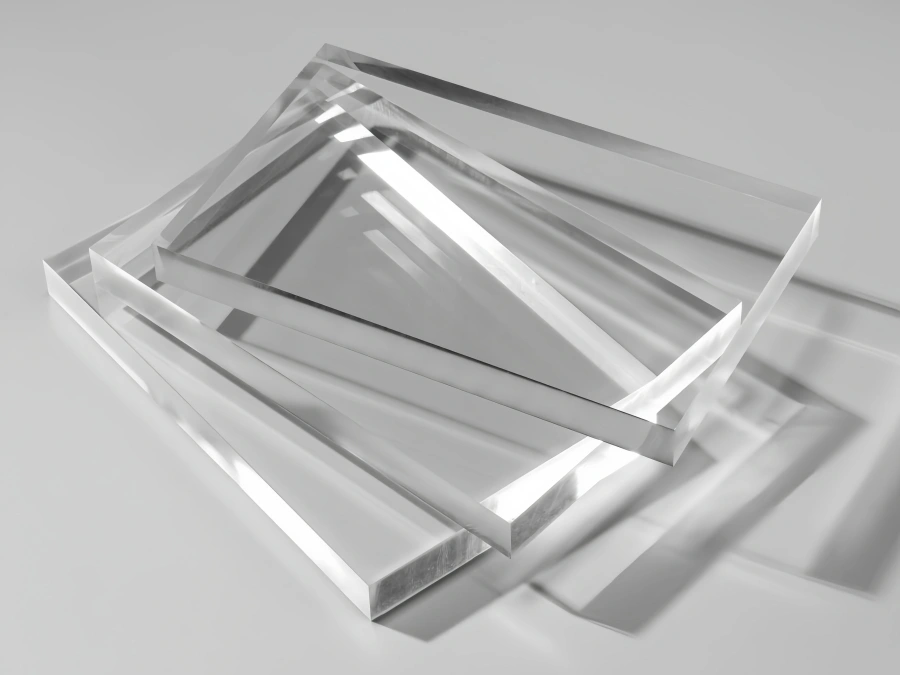
What is Polycarbonate (PC)?
Polycarbonate (PC) is a strong and transparent engineering plastic widely used for parts that require impact resistance, dimensional stability, and a clean appearance. It is often selected as a lightweight alternative to glass in industrial and commercial applications.
Polycarbonate CNC machining is ideal for custom parts such as transparent covers, equipment guards, electronic housings, and protective panels. It works well for prototypes, functional testing, and low-volume production where precision and flexibility are important.
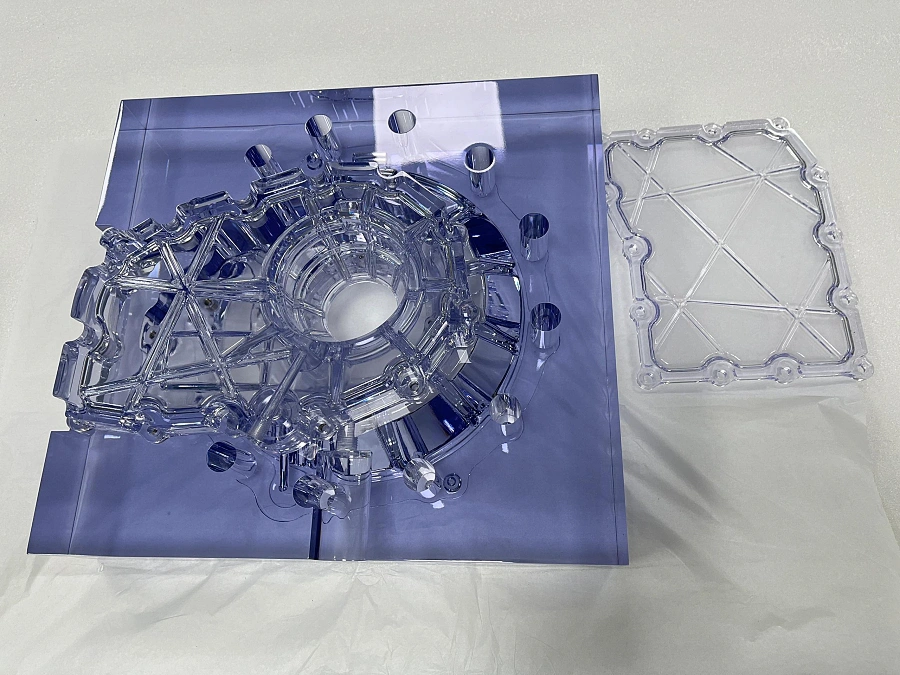
Typical Polycarbonate (PC) CNC Machined Parts
Polycarbonate is widely used for custom CNC machined parts that require clarity, strength, and impact resistance. It is a practical choice for transparent covers, housings, and protective components.
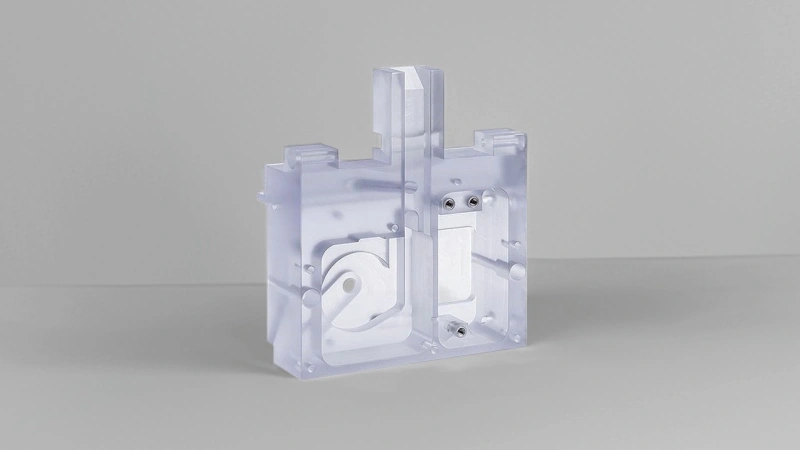
Electronic Enclosures
CNC machined PC housings offer lightweight protection, dimensional stability, and a clean appearance for electronic devices.
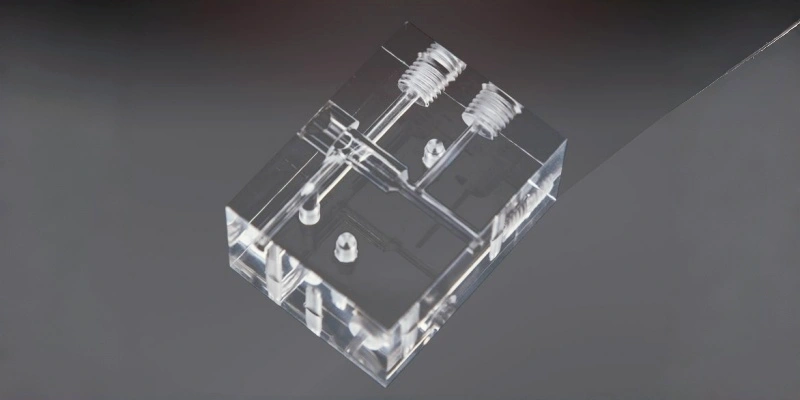
Optical Covers & Clear Panels
Polycarbonate is commonly used for transparent covers, display windows, and clear functional panels.
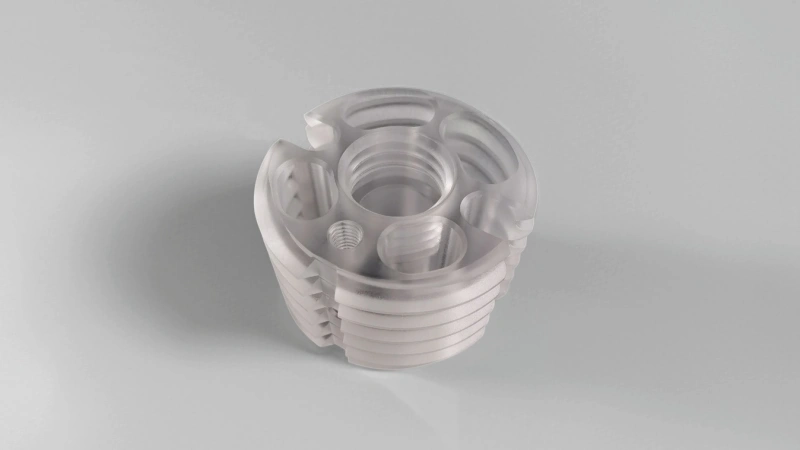
Medical Device Housings
PC parts are suitable for medical equipment covers and housings that require strength, light weight, and precise machining.
Why CNC Machining for Polycarbonate (PC) Parts?
CNC machining is a practical solution for Polycarbonate (PC) parts that require precision, flexibility, and fast delivery. Compared with molding, CNC machining is more suitable for custom prototypes and low-volume production without tooling cost.
It also allows more freedom for design updates, tighter dimensional control, and cleaner machining results for transparent or functional plastic components. This makes Polycarbonate CNC machining a strong choice for industrial covers, enclosures, guards, and engineering parts.
No Tooling Cost
Ideal for prototypes and small batches because parts can be machined directly from PC material without mold investment.
Fast Lead Time
CNC machining helps shorten development time and is suitable for projects that need quick turnaround.
High Precision
Supports tight tolerances and stable part dimensions for functional and assembly-critical applications.
Flexible Design Changes
Easy to adjust part geometry, hole positions, or features during the prototype and validation stage.
Our Polycarbonate (PC) CNC Machining Capabilities
CNCTAL provides custom Polycarbonate CNC machining for transparent, durable, and precision plastic parts. We support prototype development, functional testing, and low-volume production with stable quality and fast response.
CNC Milling
Suitable for complex Polycarbonate parts with pockets, slots, contours, and precision surface features.
CNC Turning
Ideal for round PC components such as sleeves, bushings, rings, and custom cylindrical parts.
Drilling & Threading
Supports machined holes, mounting features, and threaded details for functional assembly parts.
Custom Sheet Machining
Suitable for Polycarbonate panels, guards, covers, and flat custom plastic components with clean edges.
Built for Precision Plastic Parts
We machine Polycarbonate parts for applications that require impact resistance, dimensional accuracy, and a clean appearance. This includes transparent covers, safety shields, equipment housings, and custom industrial components.
Our machining process is suitable for projects that need tight tolerances, fast revisions, and reliable repeatability from prototype to low-volume production.
What We Can Support
- Custom transparent and impact-resistant PC parts
- Tight tolerance machining up to ±0.01 mm
- Prototype to low-volume production
- Clean machining for covers, housings, and panels
- Engineering support for custom part geometry
Design Tips for Polycarbonate (PC) CNC Parts
Good part design helps improve machining quality, reduce risk of cracking, and achieve better surface results. These simple design tips can help make Polycarbonate CNC machining more stable and efficient.
Avoid Sharp Internal Corners
Adding internal radii helps reduce stress concentration and makes machining more stable for Polycarbonate parts.
Use Balanced Wall Thickness
Keeping wall thickness reasonable can help reduce deformation and improve part consistency during machining.
Consider Heat During Machining
Polycarbonate is sensitive to heat buildup, so proper design and machining parameters help achieve better part quality.
Add Fillets Where Possible
Rounded transitions can improve structural strength and reduce the chance of stress marks or cracking.
Allow for Functional Tolerances
For assembly parts, proper tolerance planning helps ensure fit, repeatability, and reliable product performance.
Frequently Asked Questions About Polycarbonate (PC) CNC Machining
Here are some common questions about Polycarbonate CNC machining, part performance, transparency, tolerances, and production use.
Is Polycarbonate (PC) good for CNC machining?
Yes. Polycarbonate is a strong and versatile engineering plastic that is suitable for CNC machining. It offers good impact resistance, dimensional stability, and is often used for clear covers, housings, protective guards, and functional plastic parts.
What are the advantages of Polycarbonate compared with acrylic?
Polycarbonate is generally tougher and more impact-resistant than acrylic. It is a better choice for parts that need higher strength and durability, while acrylic is often chosen when visual clarity is the top priority.
Can Polycarbonate parts remain transparent after CNC machining?
Yes, Polycarbonate can be machined into transparent parts. However, the final surface appearance depends on machining quality, part geometry, and whether additional polishing or finishing is required.
What tolerance can be achieved for Polycarbonate CNC parts?
Polycarbonate CNC machining can support tight tolerances for many custom parts. For standard projects, CNCTAL can support machining tolerance up to ±0.01 mm depending on part geometry, size, and feature design.
Is Polycarbonate suitable for prototype and low-volume production?
Yes. Polycarbonate is widely used for prototype development, testing parts, and low-volume production. CNC machining is especially suitable when you need custom sizes, fast lead times, and no tooling cost.
What types of Polycarbonate parts are commonly machined?
Common machined Polycarbonate parts include transparent covers, machine guards, protective panels, equipment housings, electronic enclosures, and custom industrial plastic components.