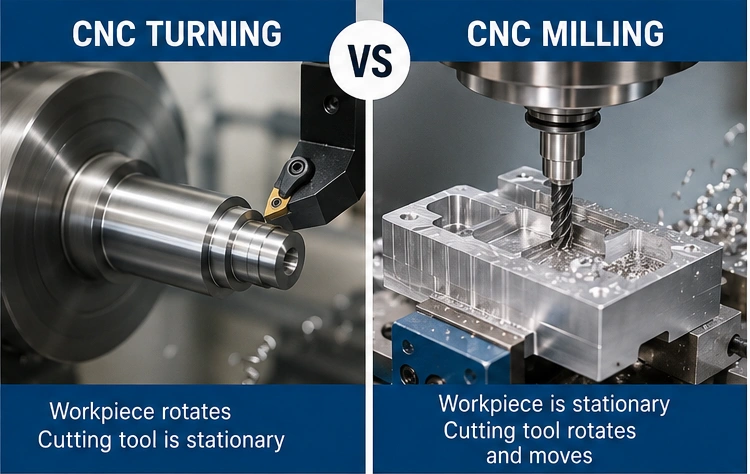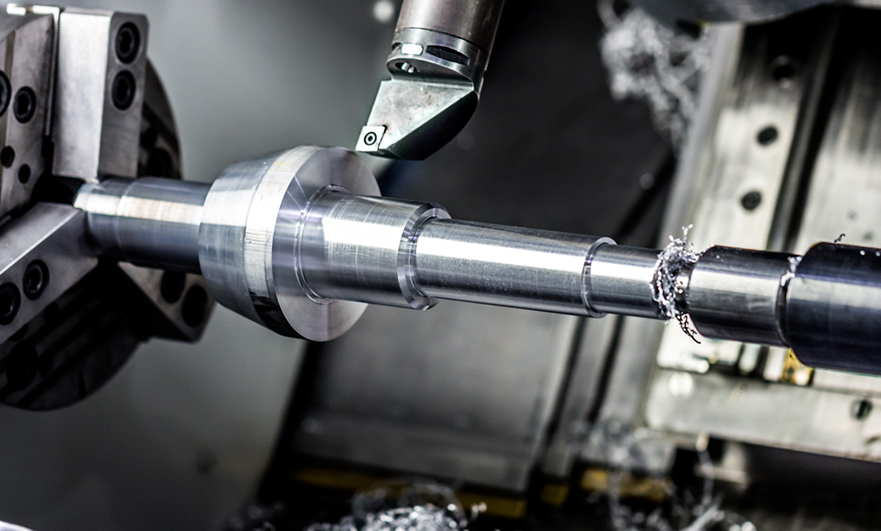

Best Aluminum Grades for CNC Machining: How to Choose the Right Alloy
Aluminum is one of the most commonly used materials in CNC machining. It is lightweight, easy to machine, corrosion resistant, and suitable for a wide range of precision parts. From prototype housings to aerospace brackets and industrial fixtures, aluminum is often the first material engineers consider when designing CNC machined components.
However, not all aluminum grades perform the same. Some alloys are better for general machining, some are stronger, some resist corrosion better, and others are preferred for precision tooling plates.
In this article, we will look at the most common aluminum grades for CNC machining and explain how to choose the right one for your project.
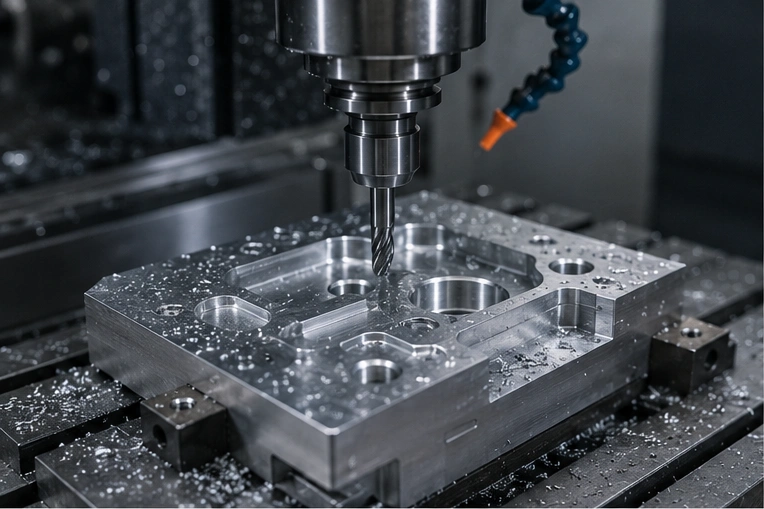
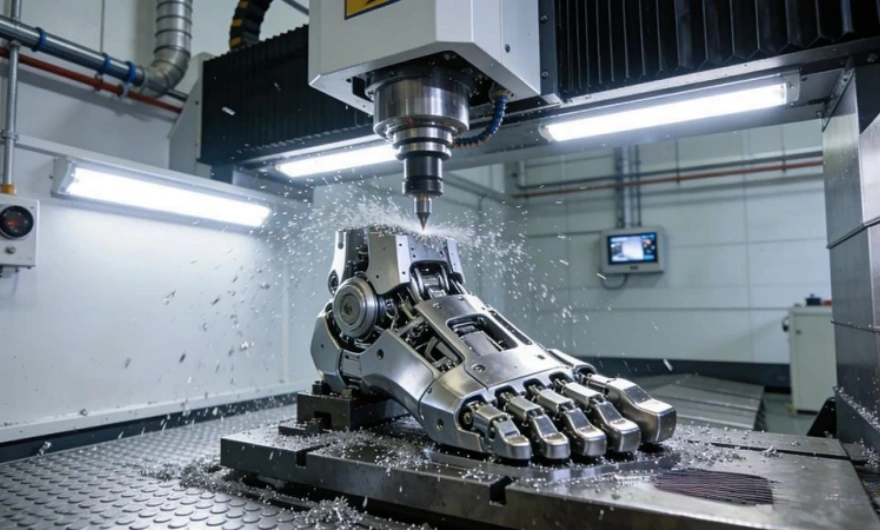
Image suggestion: CNC machining aluminum parts or aluminum components on a clean industrial workbench.
Why Aluminum Is Widely Used in CNC Machining
Aluminum is popular in CNC machining because it offers a good balance between weight, strength, machinability, and cost. Compared with stainless steel or titanium, aluminum usually allows faster cutting speeds, shorter machining cycles, and lower tool wear.
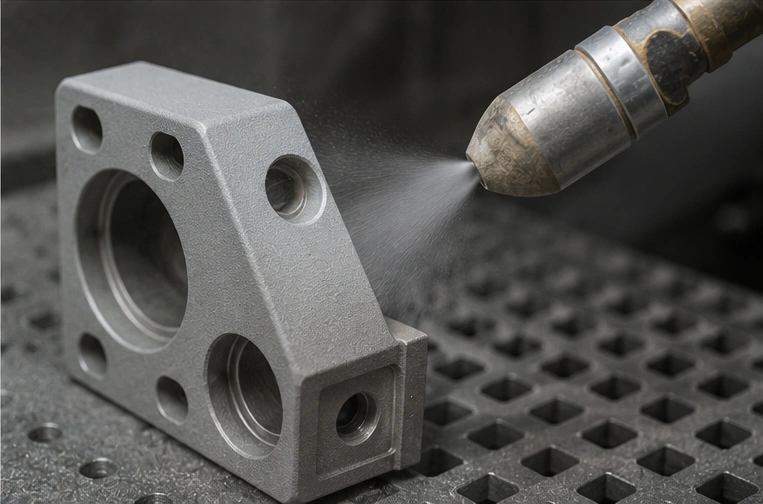
For many industries, aluminum is also easier to finish. It can be anodized, bead blasted, polished, brushed, or coated to improve appearance and corrosion resistance.
Common applications include:
- Electronic enclosures and housings
- Automotive and motorcycle components
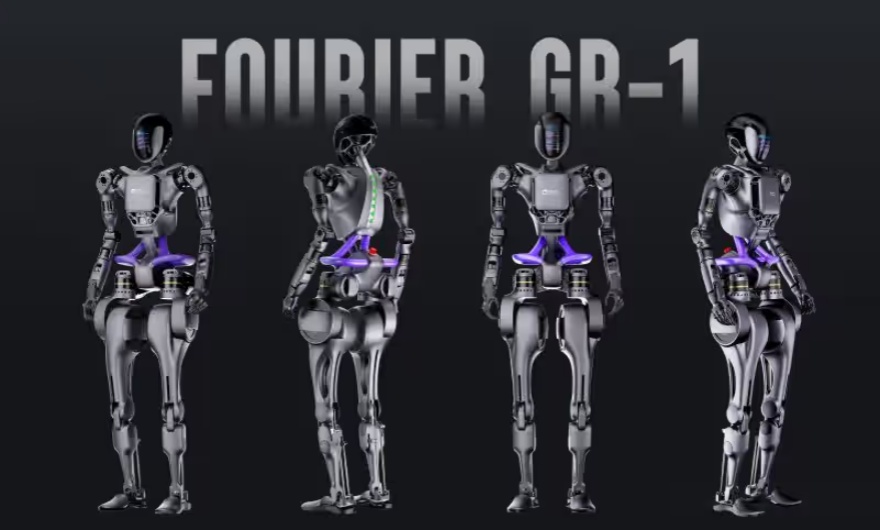
- Robotics and automation parts
- Aerospace brackets and structural components
- Medical device parts
- Industrial machinery components
- Jigs, fixtures, and tooling plates
1. Aluminum 6061: The Most Versatile CNC Machining Grade
Aluminum 6061 is probably the most commonly used aluminum alloy for CNC machining. It offers a good combination of strength, machinability, corrosion resistance, and cost efficiency.
For many general CNC projects, 6061 is the safest material choice. It machines well, provides stable performance, and is suitable for anodizing. This makes it widely used for both functional and appearance parts.
Typical applications of 6061 aluminum:
- CNC aluminum housings
- Mounting brackets
- Automation components
- Robotics parts
- Consumer electronics enclosures
- Fixture components
If your project does not require extremely high strength or special corrosion resistance, 6061 aluminum is often a practical and cost-effective option.
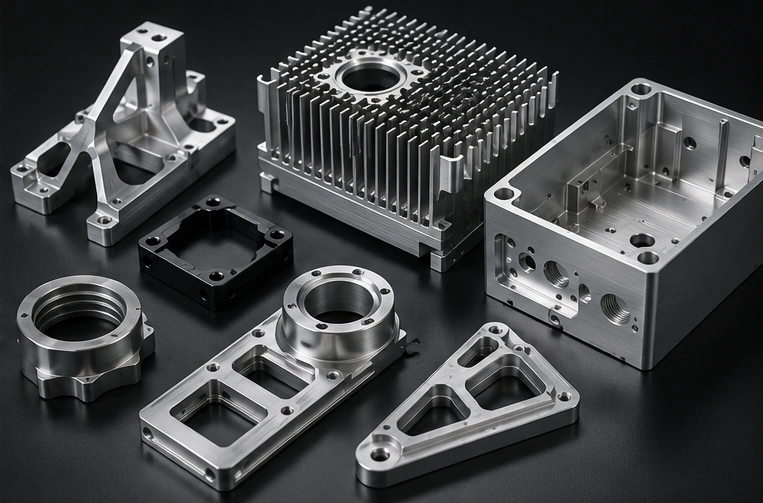
Image suggestion: 6061 aluminum machined parts with clear or black anodized surface finish.
2. Aluminum 7075: High Strength for Demanding Parts
Aluminum 7075 is known for its high strength-to-weight ratio. It is commonly used when the part needs to handle higher load, impact, or fatigue stress.
Compared with 6061, 7075 provides much higher strength, but it is usually more expensive and has lower corrosion resistance. It is also not ideal for welding. For this reason, 7075 is often selected for performance parts rather than general-purpose components.
Typical applications of 7075 aluminum:
- Aerospace structural parts
- UAV and drone components
- Motorsport parts
- High-load mechanical parts
- Precision brackets and supports
If your part needs to be lightweight but strong, 7075 aluminum can be a good choice. For outdoor or corrosive environments, additional surface treatment should be considered.
3. Aluminum 5052: Better Corrosion Resistance
Aluminum 5052 is often selected when corrosion resistance is more important than maximum mechanical strength. It performs well in humid, marine, and outdoor environments.
Although 5052 is not usually the first choice for complex high-strength CNC parts, it is suitable for parts exposed to moisture or mild chemicals. It also has good formability, which makes it useful for sheet-based components that require additional machining.
Typical applications of 5052 aluminum:
- Marine components
- Outdoor equipment parts
- Electronic enclosures
- Sheet metal parts with CNC finishing
- Corrosion-resistant covers and panels
For parts used in wet or outdoor conditions, 5052 can be a better choice than 6061 in some cases.
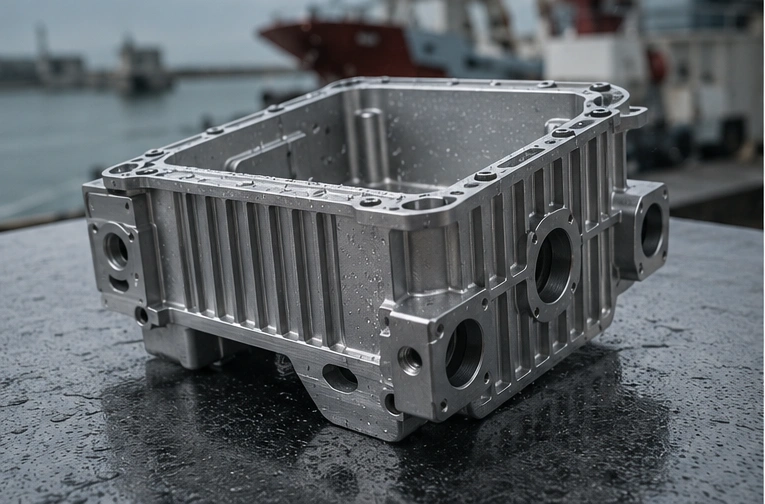
Image suggestion: Aluminum CNC parts used for outdoor equipment, marine hardware, or industrial enclosure parts.
4. Aluminum 2024: Aerospace Grade with Good Fatigue Strength
Aluminum 2024 is commonly associated with aerospace applications. It offers high strength and good fatigue resistance, making it suitable for structural parts that experience repeated stress.
The main limitation of 2024 aluminum is corrosion resistance. Compared with 6061, it usually needs better protection through anodizing, coating, or other surface finishing processes.
Typical applications of 2024 aluminum:
- Aircraft components
- Aerospace brackets
- Structural supports
- Precision mechanical assemblies
- Parts requiring fatigue resistance
When strength and fatigue performance are important, 2024 aluminum is worth considering. But if corrosion resistance is a major requirement, the finishing process must be planned carefully.
5. MIC-6 Aluminum Tooling Plate: Best for Flatness and Stability
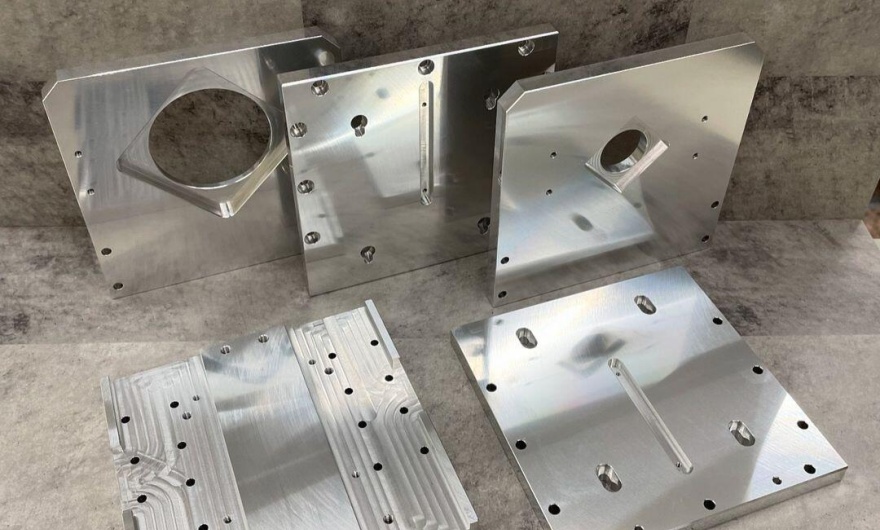
MIC-6 is a cast aluminum tooling plate. It is not usually selected for high-load structural parts, but it is excellent for applications where flatness and dimensional stability are critical.
Because MIC-6 is stress relieved, it helps reduce deformation during machining. This makes it suitable for large plates, fixtures, jigs, and inspection tools.
Typical applications of MIC-6 aluminum:
- Precision fixtures
- Jigs and tooling plates
- Vacuum tables
- Inspection plates
- Machine base plates
For CNC machined plates that need to remain flat and stable, MIC-6 is often a better choice than standard rolled aluminum plate.
Aluminum Grade Comparison for CNC Machining
| Aluminum Grade | Main Advantage | Best Used For |
|---|---|---|
| 6061 | Balanced performance and cost | General CNC machined parts, housings, brackets |
| 7075 | High strength | Aerospace, UAV, motorsport, high-load parts |
| 5052 | Corrosion resistance | Marine, outdoor, enclosure parts |
| 2024 | Fatigue strength | Aerospace structural components |
| MIC-6 | Flatness and dimensional stability | Fixtures, tooling plates, jigs |
How to Choose the Right Aluminum Grade
The best aluminum grade depends on how the part will be used. Before choosing material, engineers and buyers should consider several important factors:
- Strength: Does the part need to handle heavy load or impact?
- Weight: Is lightweight design a key requirement?
- Corrosion resistance: Will the part be used outdoors, underwater, or in a humid environment?
- Surface finish: Does the part need anodizing, polishing, or a cosmetic finish?
- Tolerance: Does the part require tight dimensional control?
- Cost: Is this a prototype, small batch, or production order?
In many cases, 6061 aluminum is the best starting point. For stronger parts, 7075 may be better. For corrosion resistance, 5052 should be considered. For precision plates and tooling, MIC-6 is often the better solution.
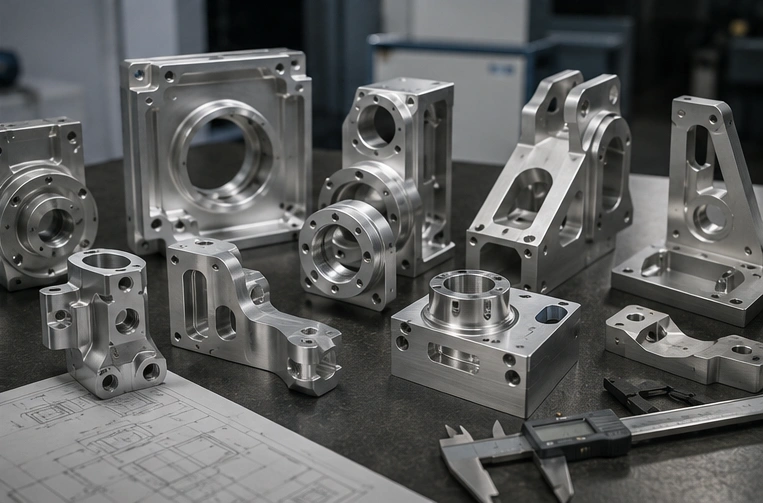
Image suggestion: A group of precision aluminum CNC machined components for industrial, robotics, and automation applications.
Surface Finishing Options for CNC Aluminum Parts
One major advantage of aluminum CNC machining is that aluminum works well with many surface finishing processes. The right finish can improve corrosion resistance, wear resistance, and product appearance.
Common aluminum surface finishes include:
- Clear anodizing
- Black anodizing
- Hard anodizing
- Bead blasting
- Brushing
- Polishing
- Powder coating
It is important to choose the material and surface finish together. For example, 6061 usually gives good anodizing results, while some high-strength alloys may produce slightly different color consistency after anodizing.
Final Thoughts
There is no single best aluminum grade for every CNC machining project. The right choice depends on the part’s function, environment, tolerance requirements, appearance needs, and budget.
As a simple guide:
- Choose 6061 for general CNC machining.
- Choose 7075 for high-strength lightweight parts.
- Choose 5052 for better corrosion resistance.
- Choose 2024 for aerospace and fatigue-resistant parts.
- Choose MIC-6 for precision tooling plates and fixtures.
At CNCTAL, we provide custom CNC machining for aluminum parts, from prototypes to low-volume and production orders. Our team supports aluminum milling, turning, drilling, surface finishing, and precision inspection for customers in North America, Europe, and other global markets.
Need Help Choosing the Right Aluminum for Your CNC Parts?
Send us your 2D drawings, 3D files, material requirements, and quantity. Our engineering team can help review your project and recommend a suitable aluminum grade and machining solution.
Send Your RFQ