
How to Reduce CNC Aluminum Part Machining Costs
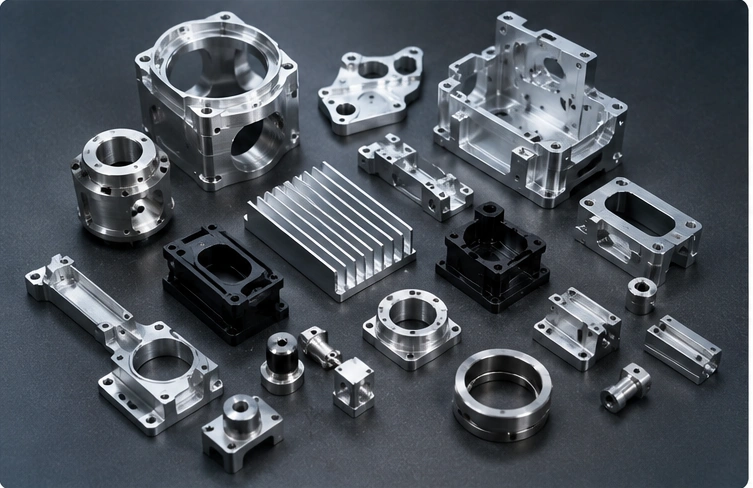
CNC aluminum parts are widely used in robotics, automation, electronics, automotive, aerospace, and industrial equipment. The good news is that machining cost can often be reduced with better design choices, reasonable tolerances, and smarter production planning.
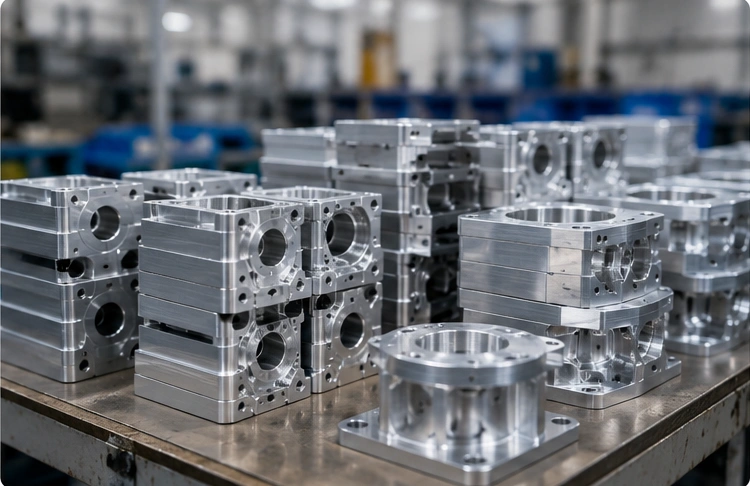
Aluminum is one of the most common materials used in CNC machining. It is lightweight, easy to machine, corrosion-resistant, and suitable for many applications. However, CNC aluminum parts can still become expensive when the design is too complex, tolerances are too tight, or the machining process requires too many setups.
Reducing CNC machining cost does not mean lowering quality. In many cases, the best way to reduce cost is to make the part easier and more stable to manufacture. A small design change can save machining time, reduce tool wear, simplify inspection, and improve production consistency.
Why Aluminum Is Popular for CNC Machining
Compared with stainless steel, titanium, or tool steel, aluminum is generally faster to cut and easier on cutting tools. This makes it suitable for both prototypes and production parts.
Lightweight
Aluminum is ideal for parts where weight reduction matters, such as robotics, UAVs, and automation equipment.
Good Machinability
Aluminum allows faster cutting speeds, shorter cycle times, and smoother machining compared with harder metals.
Surface Finishing
Aluminum works well with anodizing, hard anodizing, sandblasting, brushing, and powder coating.
1. Simplify the Part Geometry
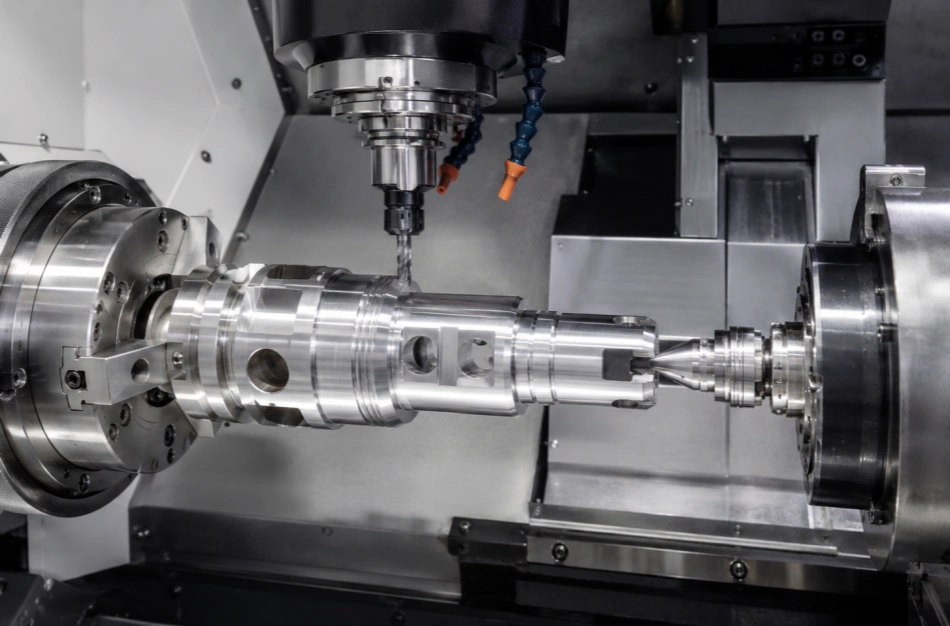
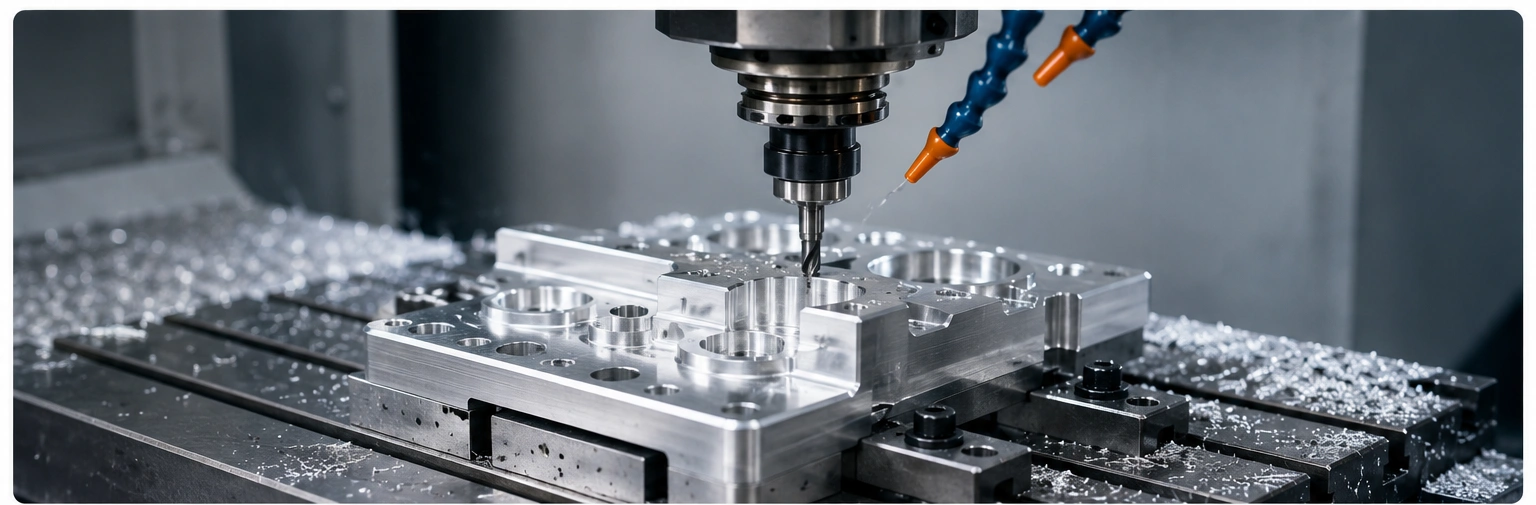
Part complexity is one of the biggest factors affecting CNC machining cost. A simple aluminum bracket may be quick to machine, but a deep-pocket, thin-wall, multi-face part may require longer cutting time, more setups, special tools, and slower machining parameters.
To reduce cost, avoid unnecessary complicated features. If a pocket does not need to be very deep, make it shallower. If a sharp internal corner is not functionally required, add a larger radius. If a cosmetic curve does not affect performance, consider whether it can be simplified.
2. Avoid Unnecessary Tight Tolerances
Many CNC drawings use tight tolerances on every dimension, even when only a few areas are actually critical. This can increase machining cost because the supplier must machine more slowly, inspect more dimensions, and sometimes use additional processes.
A better approach is to apply tight tolerances only to functional features such as bearing fits, sealing areas, locating holes, or mating surfaces. For non-critical outer dimensions, standard CNC machining tolerances are usually enough.
3. Choose the Right Aluminum Grade
Material choice also affects cost. Some aluminum grades are easier to source and machine, while others provide higher strength but may increase material cost.
| Aluminum Grade | Main Features | Cost Consideration |
|---|---|---|
| Aluminum 6061 | Good machinability, stable supply, suitable for anodizing | Often the most cost-effective choice for general CNC parts |
| Aluminum 7075 | High strength, good for lightweight structural parts | More expensive than 6061; use when strength is truly required |
| Aluminum 5052 | Good corrosion resistance, often used for sheet or formed parts | May not be the best choice for all precision machined parts |
| Aluminum 2024 | High strength and fatigue resistance | Suitable for demanding applications, but not always necessary |
4. Reduce the Number of Machining Setups
Every time a part needs to be re-clamped or machined from another side, cost increases. Multiple setups require more operator time and can also make it harder to control positional accuracy.
When possible, design parts so that most features can be machined from one or two directions. Avoid unnecessary undercuts, hard-to-reach features, and complex angles unless they are required for function.
5. Use Standard Holes, Threads, and Tools
Non-standard holes, unusual threads, and very small internal features can increase machining cost. They may require special tools, extra tool changes, or slower cutting speeds.
Using standard drill sizes, standard metric or imperial threads, and practical corner radii can make the machining process faster and more reliable.
6. Avoid Very Thin Walls When Possible
Thin aluminum walls can vibrate or deform during machining. To maintain quality, the machinist may need to reduce cutting speed, use special toolpaths, and add extra finishing passes.
If the part does not need to be extremely thin, increasing wall thickness slightly can improve rigidity and reduce machining difficulty. This is especially useful for housings, enclosures, lightweight brackets, and pocketed structures.
7. Be Practical With Surface Finishing
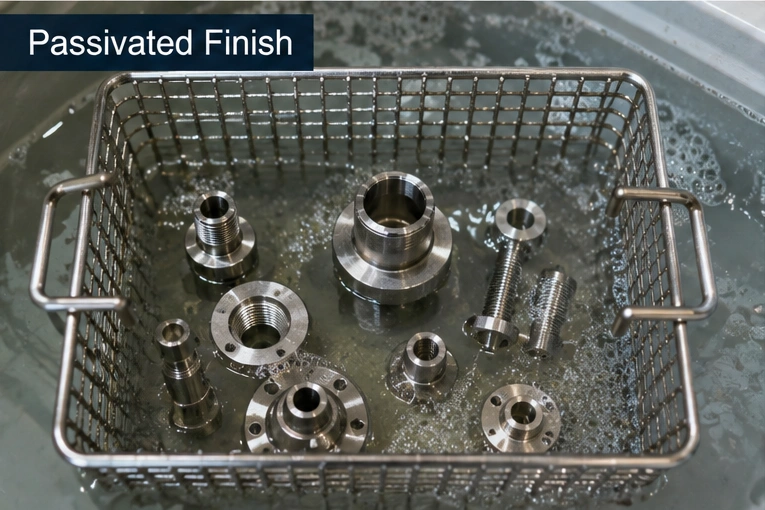
Surface finishing can add a noticeable cost to CNC aluminum parts. Anodizing, hard anodizing, polishing, brushing, sandblasting, and powder coating all require additional handling and processing.
If the part is hidden inside equipment, a simple as-machined finish may be enough. If the part is visible or used in a customer-facing product, anodizing or sandblasting may be worth the additional cost. The key is to match the finish to the real application.
8. Increase Quantity When the Design Is Stable
Prototype parts usually have a higher unit cost because programming, setup, and inspection time are divided across only a few pieces. When the design becomes stable, ordering a slightly larger batch can often reduce the unit price.
For repeat orders, the supplier can also improve fixture design, optimize cutting programs, and plan material purchasing more efficiently.
9. Work With Your CNC Supplier Before Finalizing the Drawing
One of the easiest ways to reduce cost is to ask for DFM feedback before production starts. A good CNC machining supplier may suggest changing a radius, adjusting a tolerance, using a different aluminum grade, or modifying a feature to reduce machining time.
At CNCTAL, we help customers review drawings and identify practical ways to improve manufacturability. The goal is not to change the product function, but to make the part easier, more stable, and more economical to machine.
Need Cost-Effective CNC Aluminum Parts?
Send your 2D/3D drawings, material requirements, quantity, tolerance details, and surface finishing needs. CNCTAL can support prototype, low-volume, and batch CNC aluminum machining projects.
FAQ: Reducing CNC Aluminum Machining Costs
What is the easiest way to reduce CNC aluminum machining cost?
The easiest way is to simplify the design, avoid unnecessary tight tolerances, and reduce difficult features such as deep pockets, thin walls, and non-standard holes.
Is 6061 aluminum cheaper than 7075 aluminum?
In many cases, 6061 aluminum is more cost-effective and easier to source. 7075 aluminum is stronger but usually costs more, so it should be used when the application really needs higher strength.
Do tight tolerances increase CNC machining cost?
Yes. Tight tolerances require more careful machining, inspection, and process control. It is better to use tight tolerances only on critical functional dimensions.
Can CNCTAL help optimize my aluminum part design?
Yes. CNCTAL can review your drawings and provide practical CNC machining suggestions to help reduce cost while maintaining the required function and quality.