
How Much Does It Cost to CNC Machine One Part?
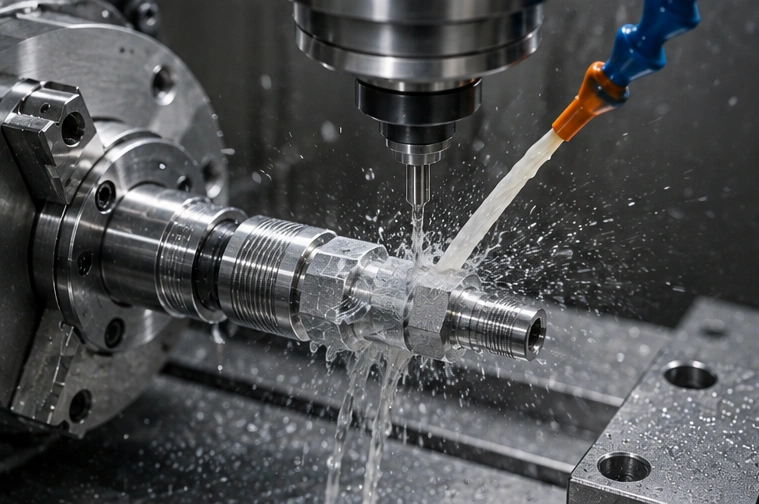
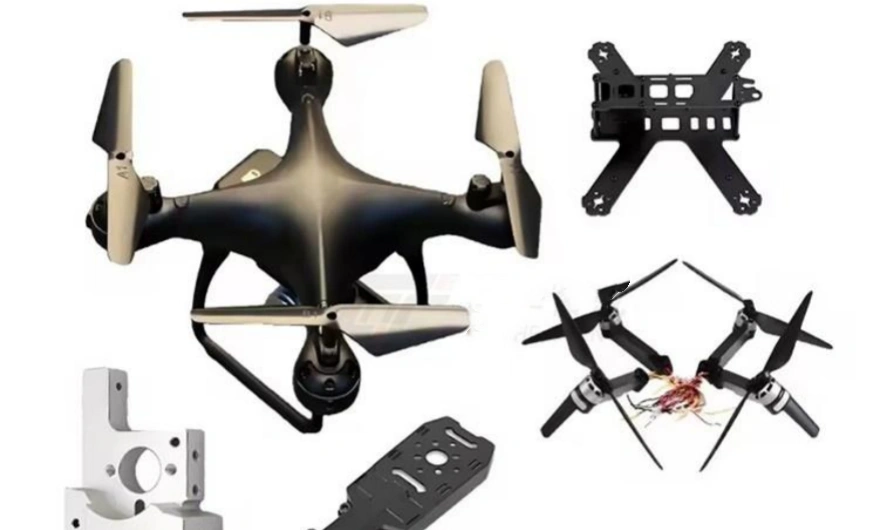
CNC machining is an efficient and highly precise manufacturing process used for automotive parts, medical devices, industrial components, robotics parts, and custom prototypes. However, one of the most common questions from buyers is: how much does it actually cost to CNC machine one part?
1. Material Cost
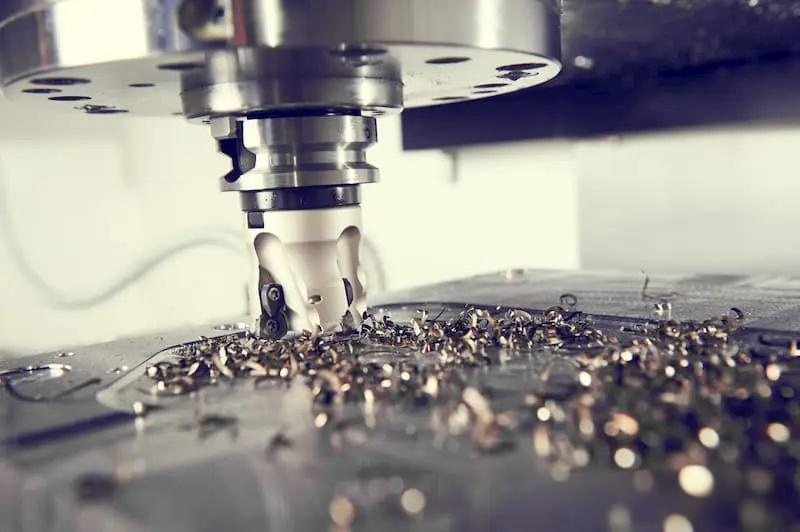
Material is one of the primary factors influencing CNC machining costs. Prices vary significantly depending on the material. Common CNC materials include aluminum, steel, stainless steel, brass, copper, and engineering plastics.
Aluminum is usually more affordable and easy to machine, while titanium alloys, stainless steel, and special alloys are more expensive due to higher material cost and more difficult machining. When selecting materials, it is important to balance part performance, application requirements, and total project cost.
2. Machining Complexity
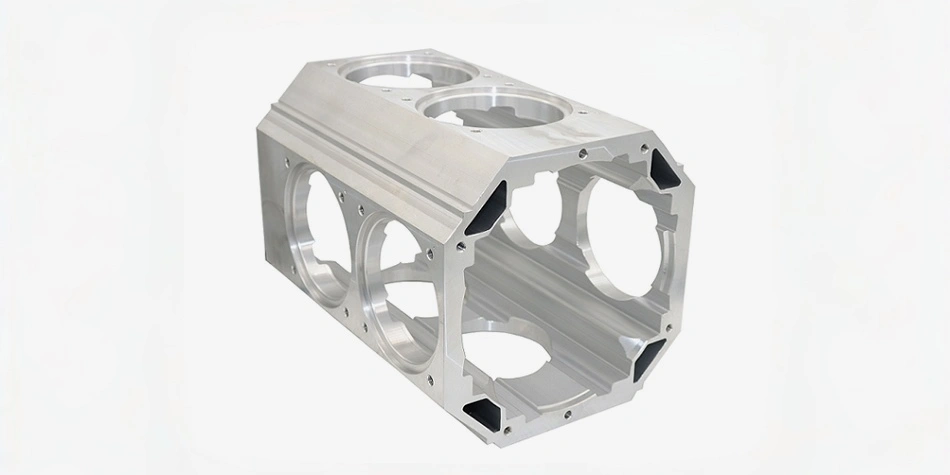
The design complexity of a part directly affects CNC machining cost. Simple parts with basic holes, flat surfaces, and standard tolerances are easier and faster to machine.
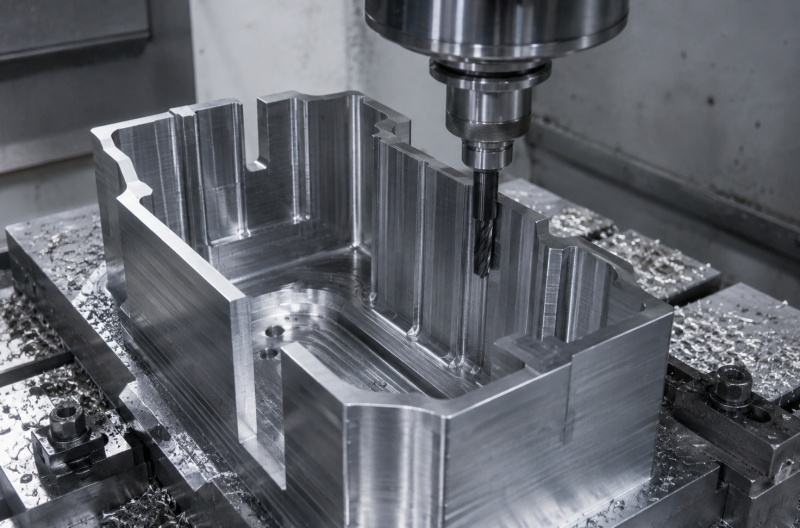
Complex geometries, tight tolerances, thin walls, curved surfaces, deep cavities, and internal features usually require more programming time, more setups, slower machining, and more inspection work. This increases both machine time and labor cost.
Lower Cost Parts
Simple shapes, standard tolerances, easy-to-machine materials, fewer setups, and no special finishing.
Higher Cost Parts
Complex surfaces, tight tolerances, multiple setups, difficult materials, and advanced surface treatments.
3. Production Quantity
Quantity is a critical factor in determining the final unit cost. In general, the unit price for mass production is much lower than for small-batch production.
This is because fixed costs such as programming, machine setup, fixture preparation, and first-piece inspection can be spread across more parts. A single prototype or small batch usually has a higher unit cost because the setup cost cannot be shared by many pieces.
4. Machine Tools and Tooling
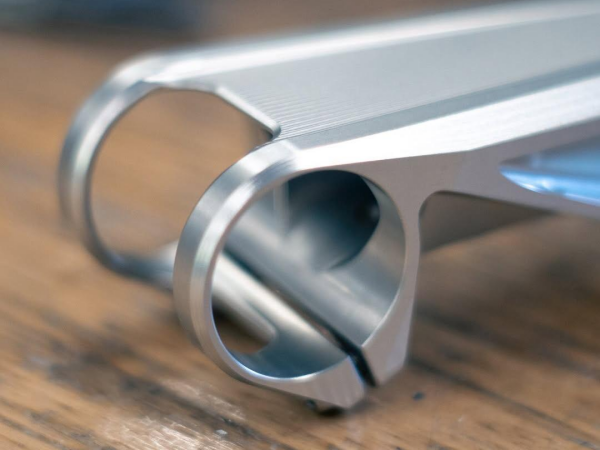
Different CNC machines and cutting tools also affect machining costs. A standard 3-axis CNC machine is usually more cost-effective for simple parts, while 5-axis CNC machining is better for complex parts but has a higher operating cost.
Tooling cost should also be considered. Some parts may require special cutters, custom fixtures, or frequent tool replacement. Tool wear directly affects machining efficiency, surface finish, and dimensional accuracy.
| Cost Factor | Impact on CNC Machining Price |
|---|---|
| 3-Axis CNC Machining | More cost-effective for simple parts and standard features. |
| 5-Axis CNC Machining | Better for complex parts, but machine hourly rate is usually higher. |
| Special Cutting Tools | May increase cost if custom tools or frequent tool changes are required. |
| Fixtures | Custom fixtures may be needed for repeatability or batch production. |
5. Labor Cost
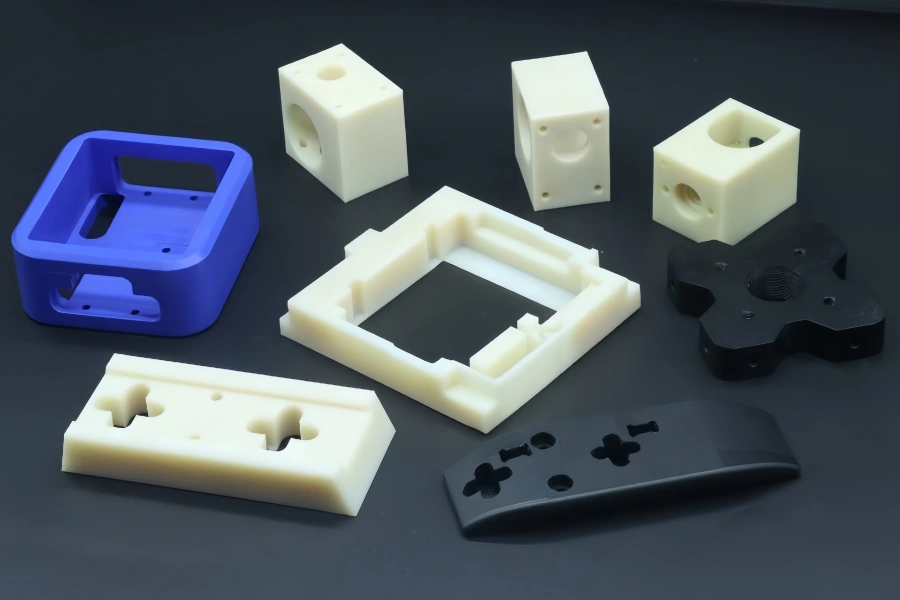
CNC machining requires skilled engineers and technicians for programming, machine operation, setup, process control, and quality inspection. Labor cost varies by region and technical expertise.
Complex parts require more programming, setup, debugging, and inspection time. This is why a part that looks small may still be expensive if it has high precision or complicated features.
6. Other Costs
Additional costs may include surface finishing, heat treatment, coating, assembly, inspection reports, packaging, logistics, and international shipping.
For example, anodizing, polishing, powder coating, plating, black oxide, and heat treatment can improve part performance and appearance, but they also add cost and lead time.
Cost Estimation Example
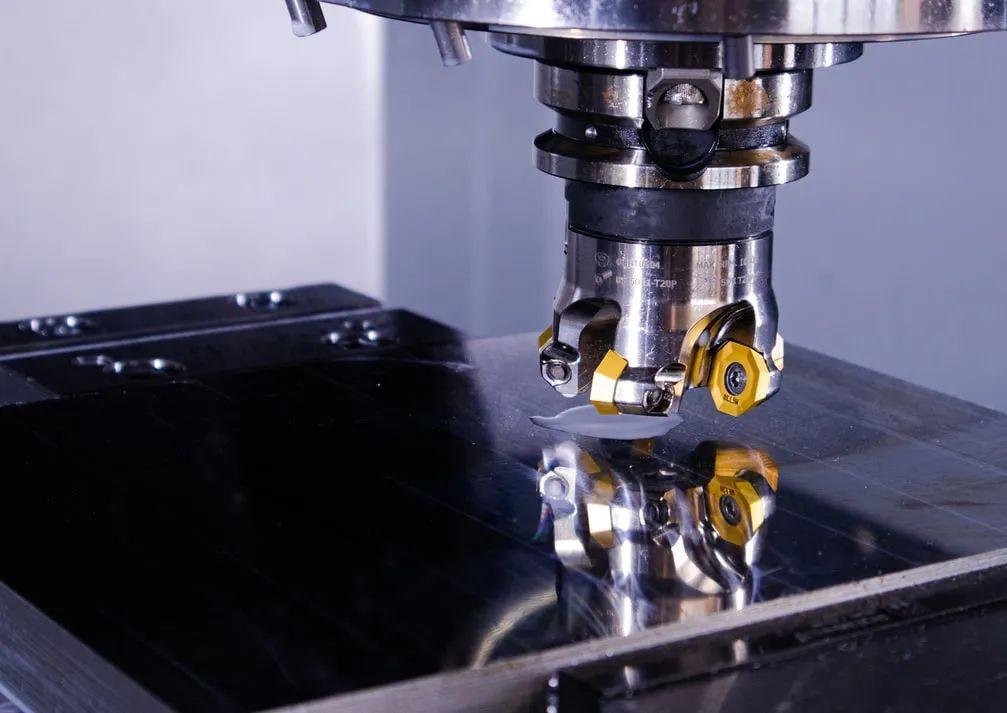
To better understand CNC machining costs, consider a simple aluminum part with dimensions of 100 mm × 50 mm × 25 mm, produced in a batch size of 100 pieces.
Material Cost: Aluminum material cost is estimated at approximately $5 per part.
Machining Cost: If machining time is 30 minutes per part and the machining rate is $150 per hour, machining cost is approximately $75 per part.
Other Costs: Post-processing and shipping are estimated at approximately $5 per part.
Total Estimated Cost: The total cost to CNC machine one such part is approximately $85 per part.
Conclusion
CNC machining costs are influenced by material, part complexity, production quantity, machine type, tooling, labor, finishing, and shipping requirements. By understanding these cost factors, buyers can estimate project budgets more accurately and choose a suitable CNC machining supplier.
For custom CNC parts, the best way to get accurate pricing is to provide CAD files, drawings, material requirements, quantity, tolerance requirements, and surface finishing details.
Need a Quote for Your CNC Machined Parts?
Send your CAD files or drawings to CNCTAL. Our engineering team can help review material, tolerance, surface finishing, quantity, and cost-saving options for your project.
Get a CNC Machining Quote