
How to Choose Between Aluminum Alloy Casting and CNC Machining?
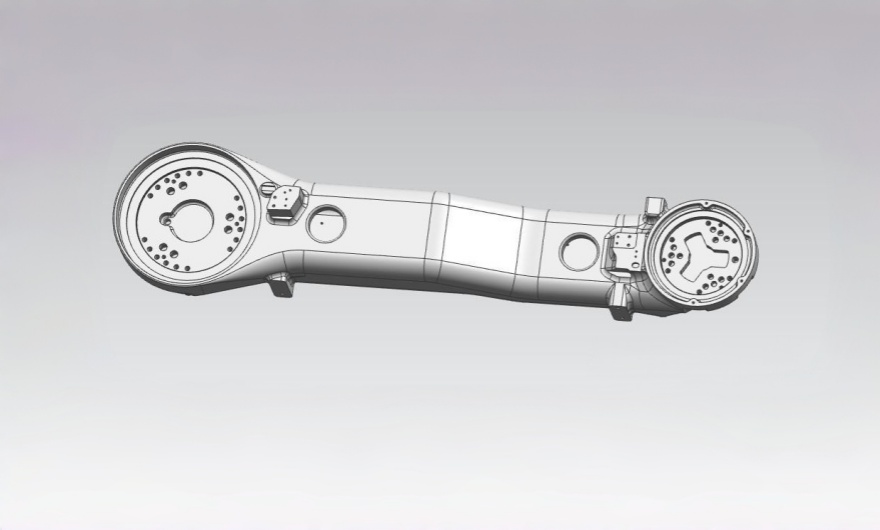
Aluminum alloy casting and CNC machining are two common manufacturing methods for aluminum parts. Each process has its own advantages depending on part structure, production volume, tolerance requirements, surface quality, and total cost.
01. Material Properties
Aluminum Alloy Casting
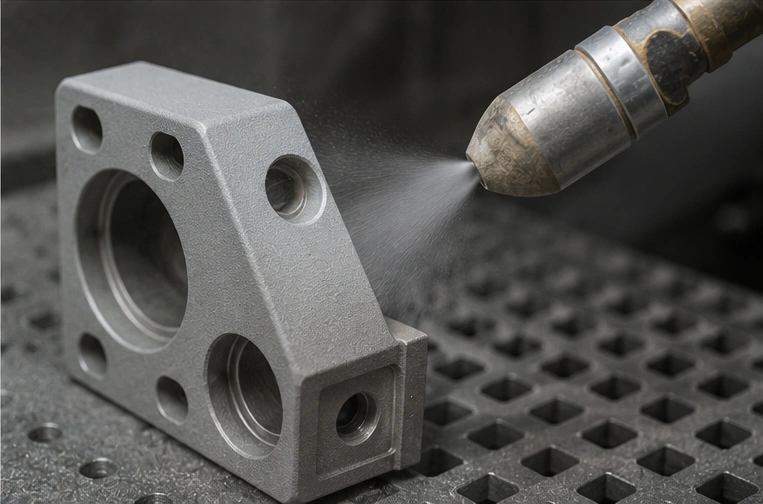
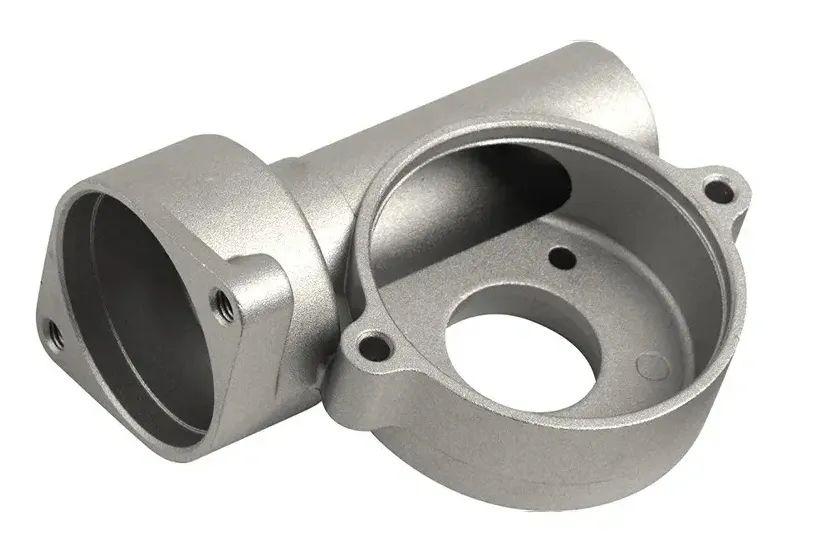
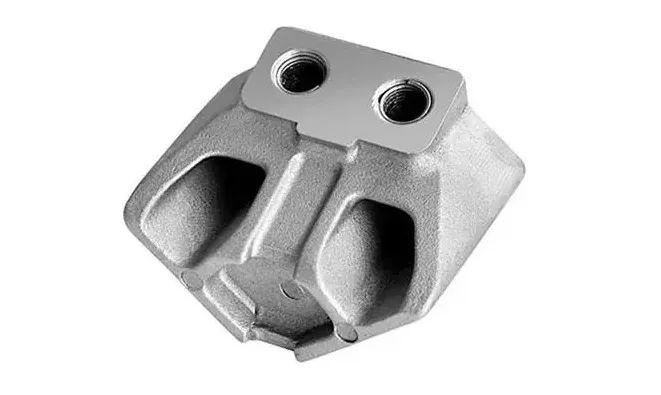
Aluminum alloy casting is suitable for producing parts with complex geometries. Aluminum alloys have excellent fluidity, making them ideal for casting processes. However, the mechanical properties of cast materials may be more limited compared with machined billet materials.
CNC Machining
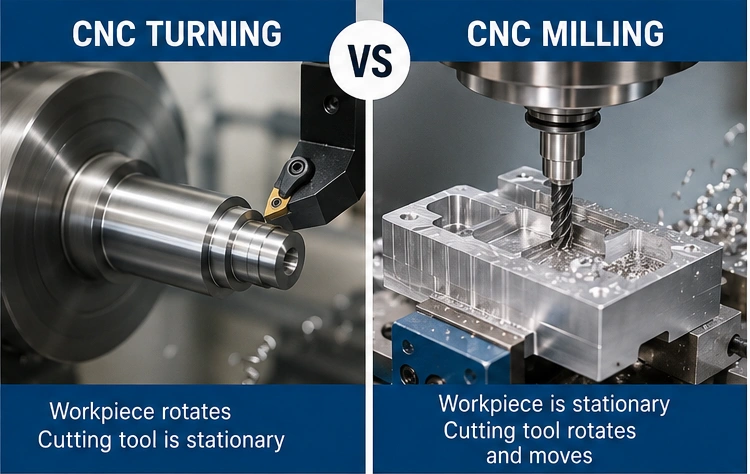
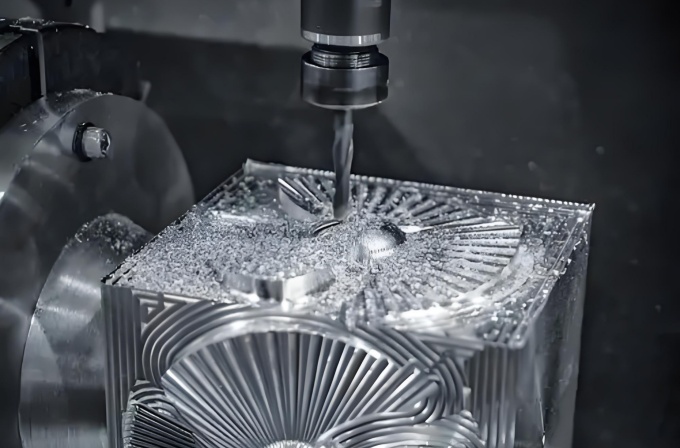
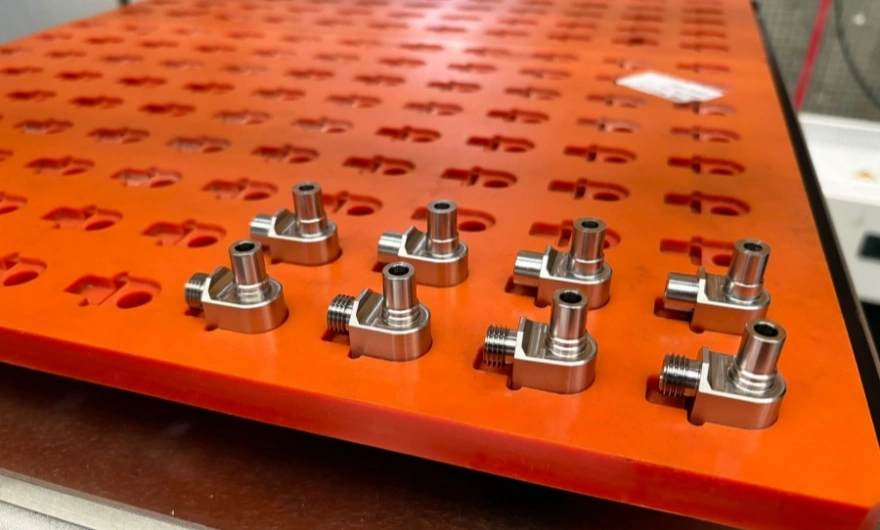
CNC machining can process a wide range of aluminum alloys and is especially suitable for high-strength, high-precision components. It is often preferred when tighter tolerances, better material consistency, and stronger mechanical performance are required.
02. Cost
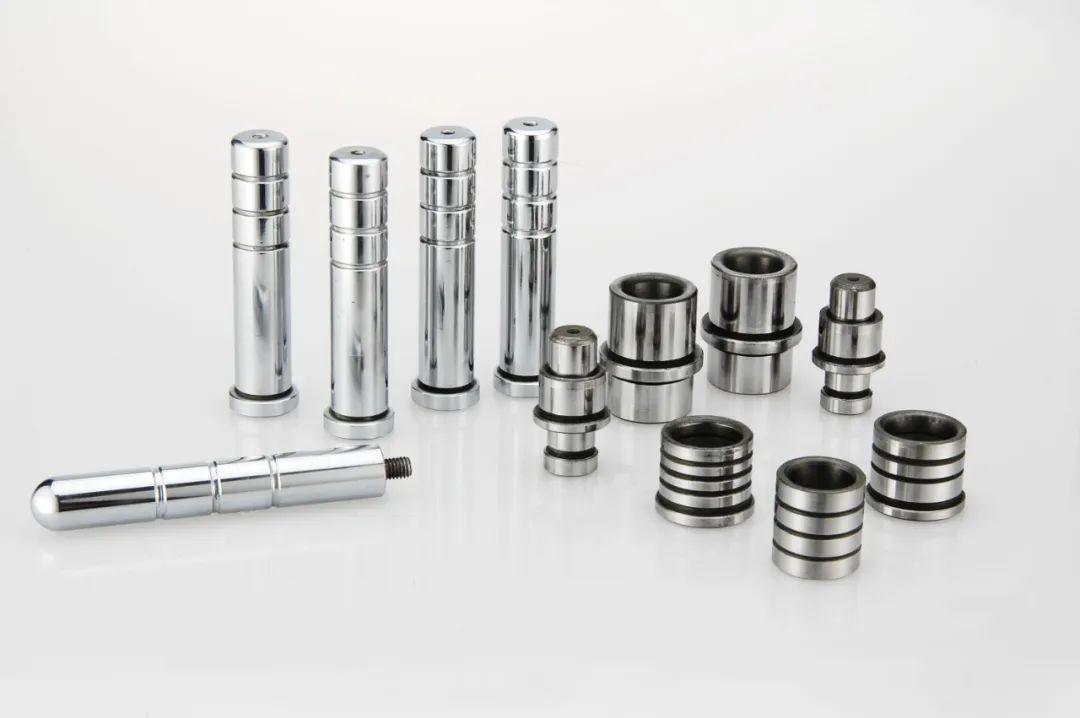
Cost is one of the most important factors when choosing between aluminum casting and CNC machining. The right choice depends heavily on production volume.
| Process | Cost Characteristics | Best Fit |
|---|---|---|
| Aluminum Alloy Casting | Higher initial mold cost, but lower unit cost in mass production. | High-volume production |
| CNC Machining | Lower upfront cost, but unit cost can be higher for large quantities. | Prototype, small batch, low-volume production |
03. Production Lead Time
Aluminum Alloy Casting
Casting requires mold design and mold fabrication before production starts. This makes the initial lead time longer. However, once the mold is completed, large quantities of parts can be produced quickly and efficiently.
CNC Machining
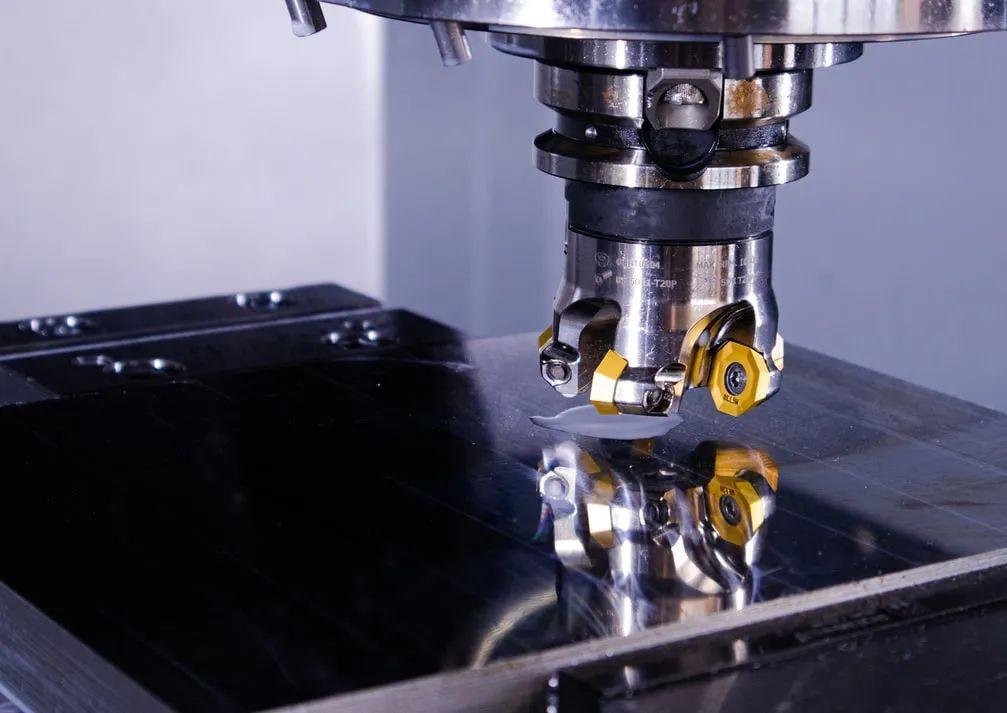
CNC machining allows a much faster start-up because no casting mold is required. It is well-suited for prototypes, engineering samples, and small-batch production. For very large production volumes, however, CNC machining may require more production time.
04. Precision and Surface Quality
Precision and surface quality are key differences between the two processes. Casting normally produces a rougher surface and lower dimensional accuracy, so secondary machining may be needed for critical features.
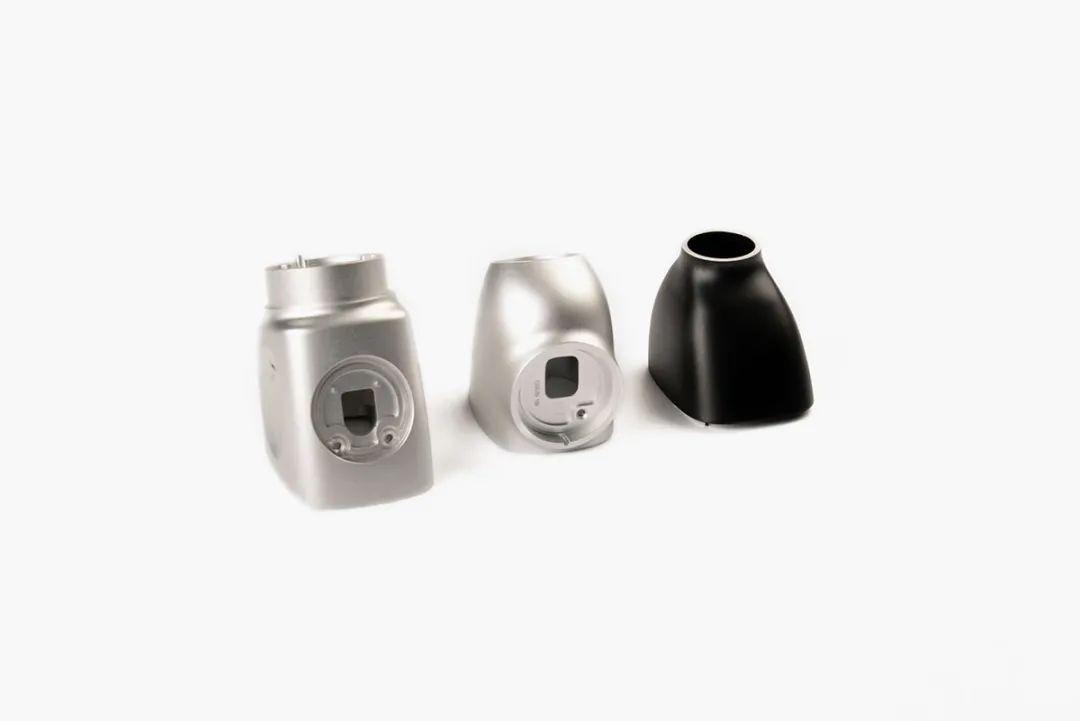
CNC machining delivers high dimensional accuracy and excellent surface quality. In many cases, CNC machined aluminum parts can meet final tolerance and surface requirements with minimal secondary processing.
05. Suitable Applications
Aluminum Alloy Casting Applications
- Automotive parts
- Large-volume industrial components
- Parts with complex shapes
- Components where lower unit cost is the priority
CNC Machining Applications
- Aerospace components
- Robotics and automation parts
- Precision equipment components
- Prototypes and low-volume production parts
Final Recommendations
For high-volume production of parts with complex geometries, especially when higher initial investment and longer mold lead time are acceptable, aluminum alloy casting is usually a cost-effective and efficient choice.
For low-volume production, prototypes, or parts requiring high precision, better surface quality, and flexible design changes, CNC machining is generally more suitable.
In real manufacturing projects, it is also common to combine both processes. For example, casting can be used to create the basic shape, while CNC machining can be used for critical surfaces, holes, threads, and tolerance-sensitive features.
Need Help Choosing the Right Process for Your Aluminum Parts?
CNCTAL provides precision CNC machining for custom aluminum components, prototypes, and low-volume production. Send us your CAD files or drawings, and our engineering team will help review the best manufacturing solution.
Get a Quote