
CNC Turning vs CNC Milling: What’s the Difference?
CNC turning and CNC milling are two of the most widely used machining processes. Understanding the difference between them helps engineers, buyers, and product developers choose the right manufacturing method for precision machined parts.
When selecting the right CNC machining process for your project, understanding the difference between CNC turning and CNC milling is essential. Both manufacturing methods offer unique capabilities and advantages that can affect part geometry, surface finish, production efficiency, and final cost.
In this article, we explain the main differences between CNC turning and CNC milling, including workpiece movement, suitable part types, surface finish, tooling requirements, and how to choose the best process for your project.
Workpiece Movement: The Core Difference
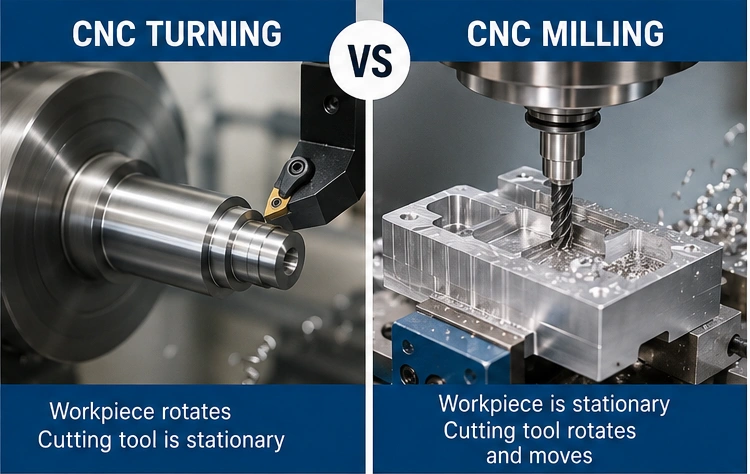
The primary difference between CNC turning and CNC milling lies in how the workpiece and cutting tool move during machining.
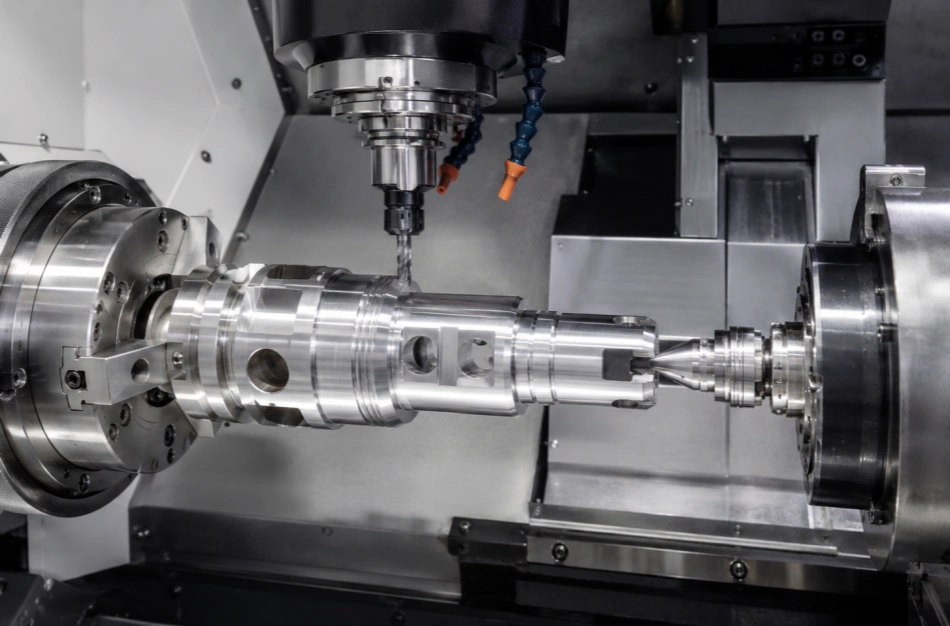
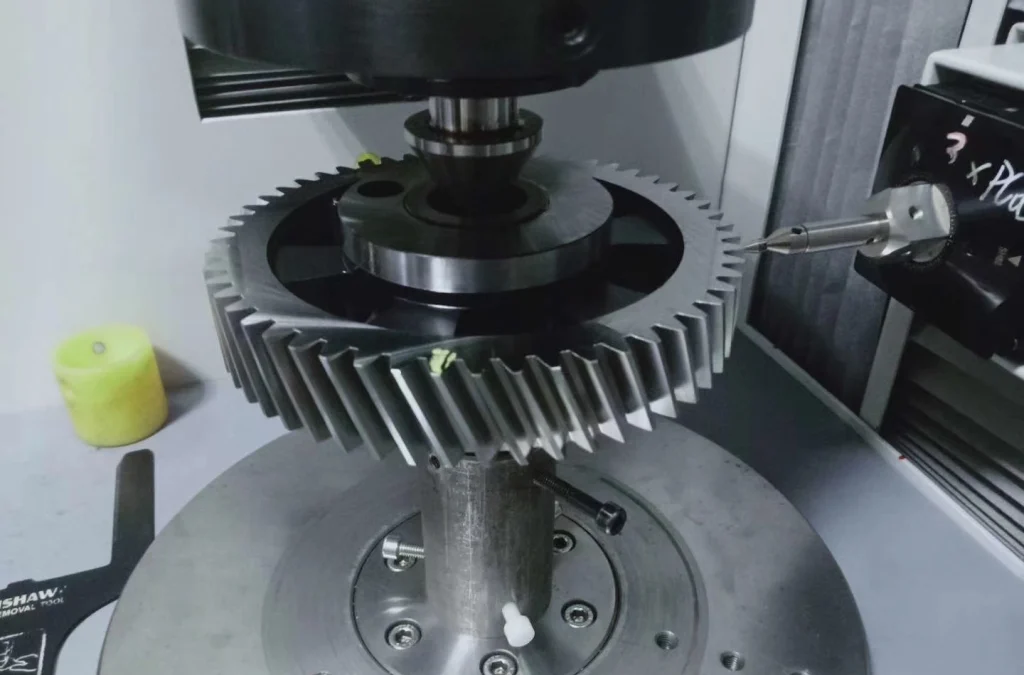
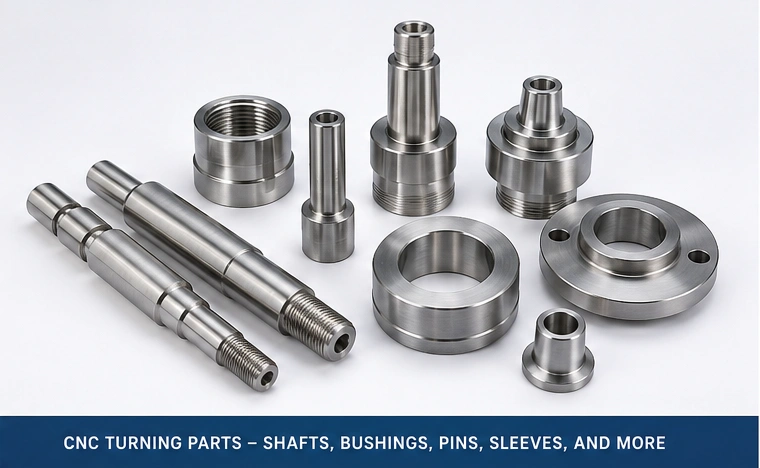
In CNC turning, the workpiece rotates at high speed while the cutting tool moves along programmed paths to remove material. This process is ideal for producing rotational or axisymmetric parts with excellent dimensional accuracy and smooth surface finishes.
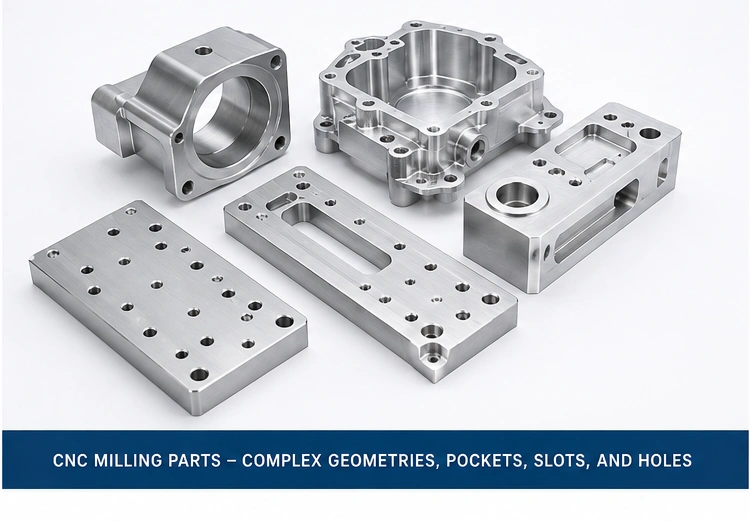
By contrast, CNC milling uses a fixed workpiece while the cutting tool rotates and moves across multiple axes. This allows manufacturers to create complex geometries, pockets, slots, holes, flat surfaces, and detailed 3D features.
Part Geometry and Design Flexibility
CNC turning and CNC milling differ significantly when it comes to part geometry. CNC turning is best suited for round, cylindrical, or symmetrical parts, while CNC milling provides much greater flexibility for complex shapes and multi-face features.
CNC Turning Is Suitable For
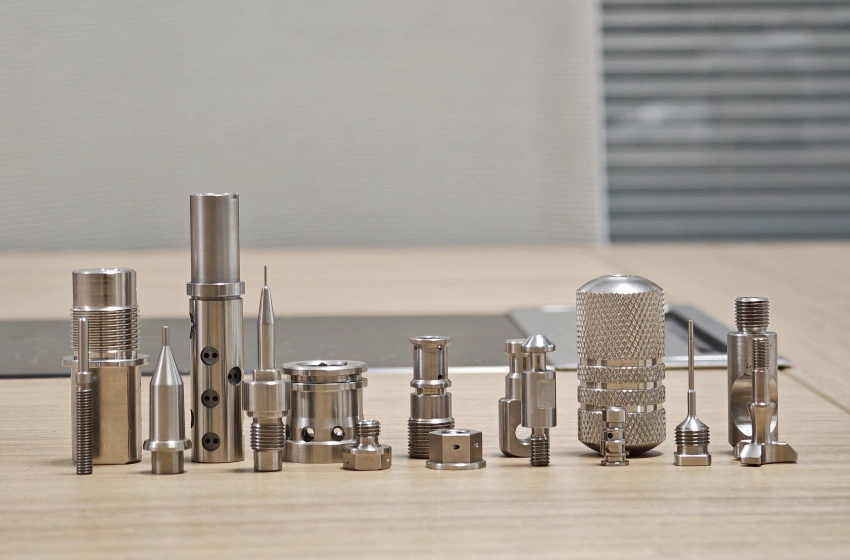
- Precision shafts
- Bushings and sleeves
- Pins and threaded parts
- Cylindrical connectors
- Round spacers and discs
CNC Milling Is Suitable For
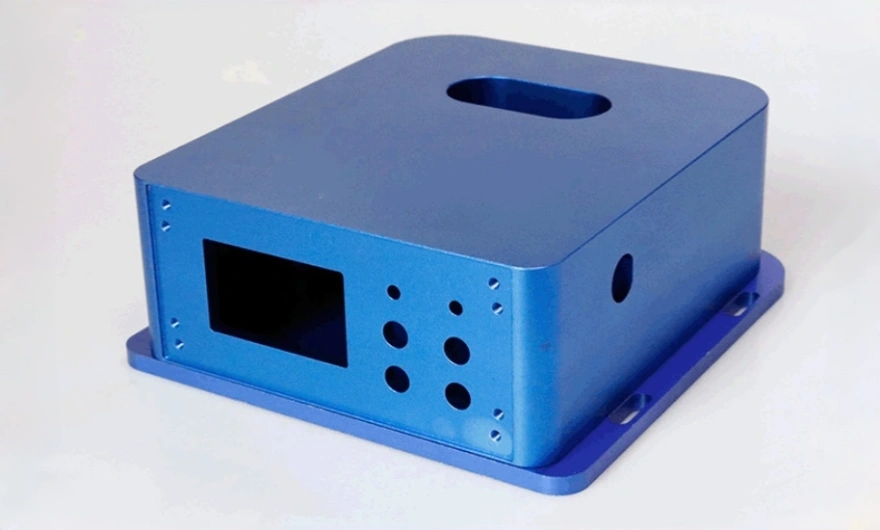
- Complex housings
- Brackets and plates
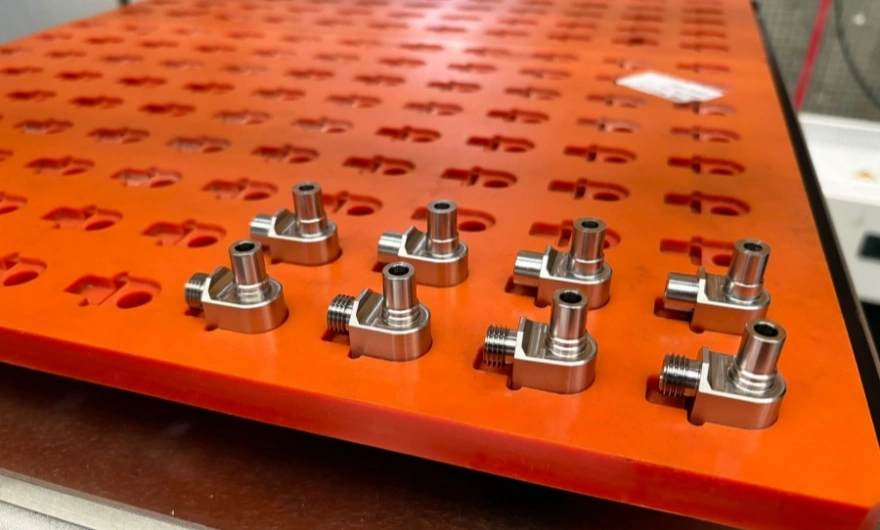
- Pockets and cavities
- Slots and grooves
- Multi-sided precision parts
For components requiring flat surfaces, irregular profiles, holes, threaded features, or multiple machined faces, CNC milling is often the preferred solution. For round parts requiring concentricity and efficient production, CNC turning is usually more practical.
Surface Finish Capabilities
Both CNC turning and CNC milling can achieve high-quality surface finishes, but the surface characteristics may differ depending on the process.
Because the workpiece rotates continuously during CNC turning, the process often produces a smooth and uniform finish on cylindrical surfaces. This makes turning a strong choice for components where roundness, surface consistency, and concentricity are important.
CNC milling may leave visible tool marks depending on toolpath strategy, cutting parameters, tool geometry, and material type. However, with optimized machining parameters and proper finishing operations, CNC milling can also achieve excellent surface quality for both industrial and cosmetic applications.
Practical note: The final surface finish depends not only on the machining process, but also on material selection, tool condition, cutting speed, feed rate, and any post-processing such as anodizing, polishing, sandblasting, or plating.
Tooling, Setup Time, and Manufacturing Cost
Tooling requirements and setup complexity are important factors when comparing CNC turning and CNC milling.
CNC turning generally requires fewer cutting tools and simpler machine setup, especially for rotational parts. This can make it more efficient and cost-effective for medium to high-volume production of shafts, bushings, sleeves, and similar parts.
CNC milling often involves multiple cutting tools, tool changes, fixtures, and more complex programming to achieve detailed geometries. This may increase setup time, machining time, tooling cost, and overall manufacturing cost.
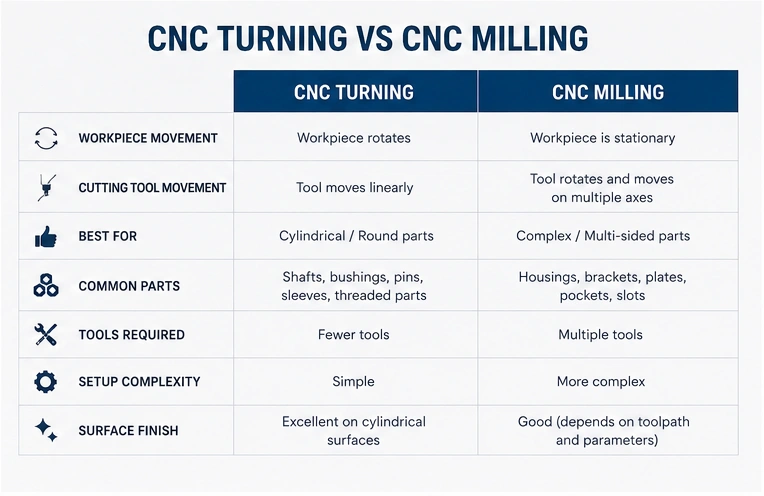
CNC Turning vs CNC Milling Comparison Table
| Factor | CNC Turning | CNC Milling |
|---|---|---|
| Workpiece Movement | Workpiece rotates | Workpiece is usually fixed |
| Cutting Tool Movement | Tool moves along programmed paths | Rotating tool moves across multiple axes |
| Best For | Round and cylindrical parts | Complex and multi-sided parts |
| Typical Parts | Shafts, pins, bushings, sleeves | Brackets, housings, plates, pockets |
| Setup Complexity | Usually simpler | Usually more complex |
| Design Flexibility | Limited to rotational features | High flexibility for complex geometries |
How to Choose Between CNC Turning and CNC Milling?
Choosing between CNC turning and CNC milling depends on your part design, material, tolerance requirements, production quantity, and cost target.
Choose CNC Turning When
- Your part is round or cylindrical
- High concentricity is required
- You need smooth outer surface finishes
- The part has simple rotational geometry
- You want efficient production for turned components
Choose CNC Milling When
- Your part has complex shapes
- You need pockets, slots, or flat surfaces
- The design includes multi-sided features
- The part requires detailed 3D machining
- You need more freedom in part geometry
Final Thoughts
CNC turning and CNC milling are both essential machining technologies, but they serve different manufacturing purposes. CNC turning is highly efficient for round and cylindrical components, while CNC milling is better suited for complex geometries and multi-face machining.
Understanding their differences in workpiece movement, geometry capability, surface finish, tooling requirements, and production efficiency can help engineers and buyers choose the most suitable process for their parts.
At CNCTAL, we provide custom CNC turning and CNC milling services for prototypes, low-volume production, and precision industrial components. Our engineering team can help review your drawings, material requirements, and machining needs before production.
Need CNC Turning or CNC Milling Parts?
Send us your 2D drawings, 3D CAD files, material requirements, and quantity details. CNCTAL can help evaluate the best machining process for your custom parts.
Upload CAD for Quote