
Prototype vs Low Volume CNC Production
Prototype machining and low-volume CNC production are both important stages in product development. Understanding the difference can help companies reduce risk, control cost, and move from early testing to stable production more smoothly.
In the CNC machining industry, customers often ask the same question during project discussions: should we start with prototype machining, or move directly into low-volume production?
Although prototype CNC machining and low-volume CNC production may look similar from the outside, they serve different purposes. Prototyping focuses on testing and design validation, while low-volume production focuses on repeatability, stable quality, and controlled manufacturing cost.
What Is Prototype CNC Machining?
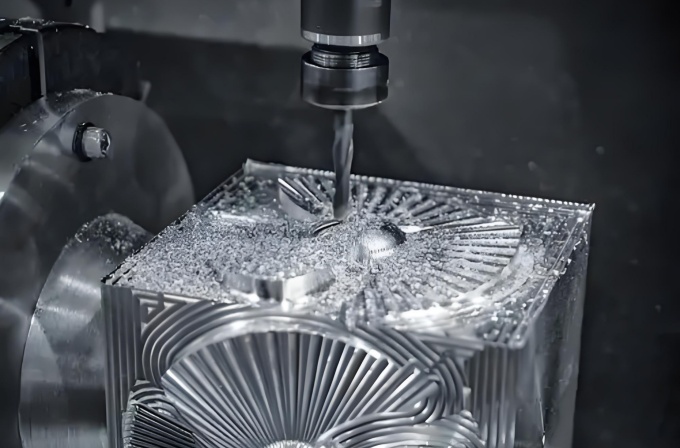
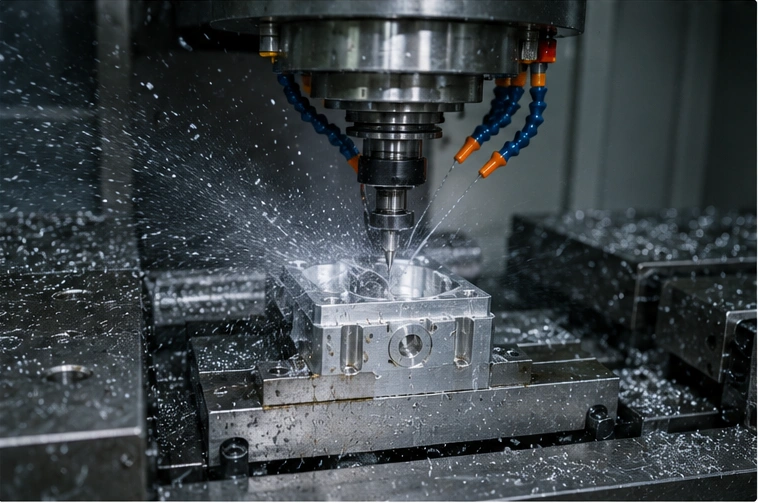
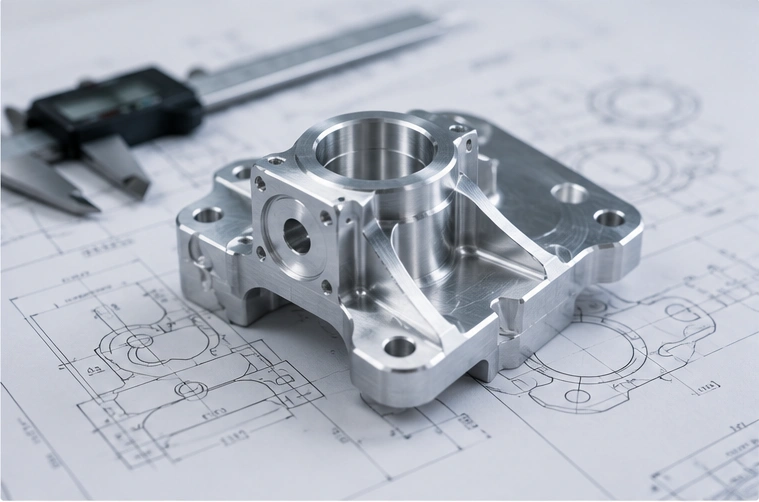
Prototype CNC machining is used to produce early-stage parts before full production begins. The goal is not always the lowest unit cost. The main purpose is to verify whether the design works correctly in real conditions.
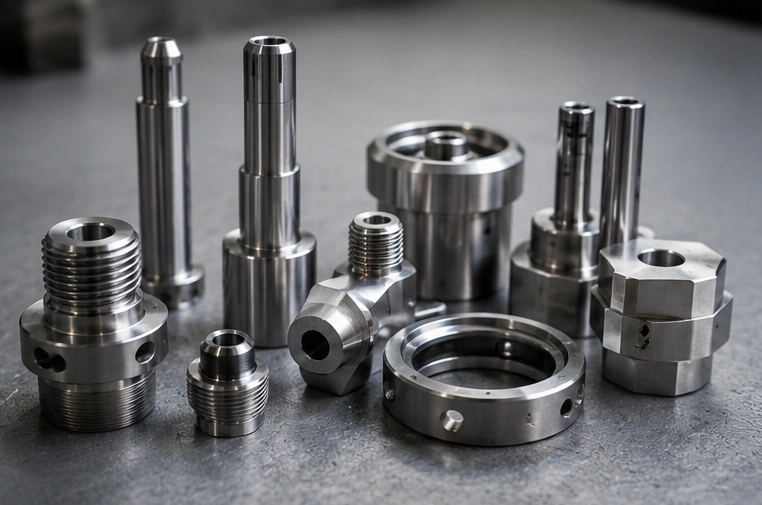
Prototype parts are commonly used for product testing, assembly checking, functional evaluation, appearance review, engineering adjustment, and investor or customer demonstration.
Small Quantity
Prototype orders are often 1, 2, 5, or 10 pieces because the design is still being tested.
Fast Revision
Hole positions, wall thickness, mounting features, and shapes may change after testing.
Design Validation
The main purpose is to check function, assembly, structure, and real-world performance.
What Is Low Volume CNC Production?
Low-volume CNC production usually begins when the design has become more stable. The quantity is higher than prototype machining, but it is still more flexible than mass production with expensive tooling.
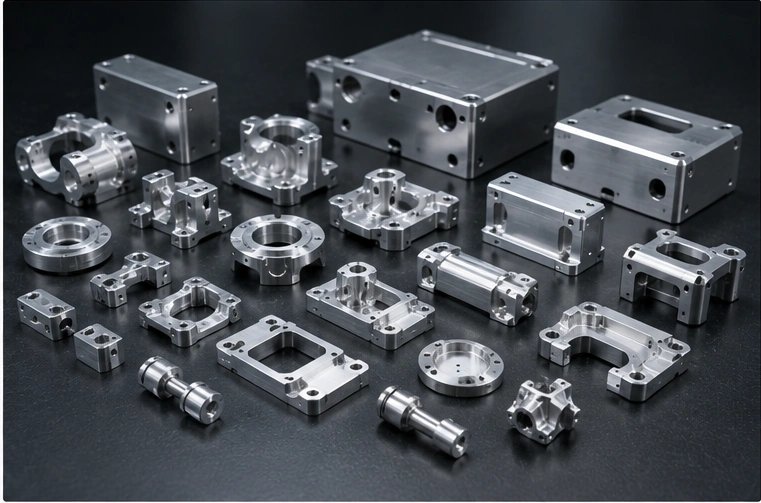
Typical low-volume CNC production may include 20 pieces, 50 pieces, 100 pieces, or several hundred pieces, depending on the industry and product stage.
Prototype vs Low Volume Production: Key Differences
| Area | Prototype CNC Machining | Low Volume CNC Production |
|---|---|---|
| Main Purpose | Testing, validation, and design improvement | Stable manufacturing and small-batch delivery |
| Quantity | Usually 1–10 pieces | Usually 20–500+ pieces depending on project |
| Design Status | Often changing | Mostly confirmed or close to final |
| Cost Focus | Speed and flexibility | Unit cost and repeatability |
| Engineering Changes | Frequent | Limited but still possible |
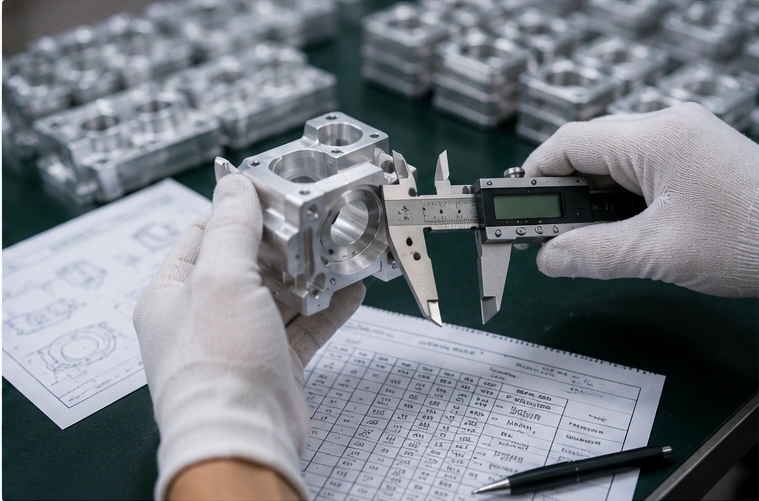
| Inspection | Critical dimensions and functional checks | Batch consistency and repeatable QC process |
Material Selection: Prototype Stage vs Production Stage
During prototyping, customers sometimes choose easier-to-machine or lower-cost materials to test the structure. For example, an early aluminum prototype may be used before switching to stainless steel or high-strength aluminum for production.
In low-volume production, the material is usually closer to the final product requirement. Strength, corrosion resistance, surface treatment compatibility, and long-term supply stability become more important.
Surface Finishing Differences
Prototype parts often focus more on function than appearance. In many cases, as-machined parts are enough for early testing. For low-volume production, the surface finish usually needs to be more consistent, especially if the parts are visible or shipped to end customers.
As-Machined
Common for early prototypes where function is more important than appearance.
Anodizing
Common for aluminum production parts that need corrosion resistance and better appearance.
Polishing / Plating
Used when appearance, corrosion resistance, or wear performance is important.
Cost Differences Between Prototype and Low Volume CNC Production
Prototype parts usually have higher unit cost because programming, setup, and communication time are divided across only a few pieces. The machining process may also change several times as the design is updated.
Low-volume production can reduce unit cost because machining programs become more stable, fixtures can be improved, material purchasing can be planned better, and inspection methods become more repeatable.
When Should You Choose Prototype CNC Machining?
Prototype machining is the better choice when the product is still under development and the design may still change. It helps reduce the risk of producing a larger batch before the part has been properly tested.
When Is Low Volume CNC Production the Better Choice?
Low-volume CNC production is suitable when the design has become stable and the company needs a small production batch without expensive tooling. It is often used before mass production or for products that do not require very large quantities.
This approach is common in robotics, automation equipment, medical devices, precision instruments, industrial machinery, and new product launches.
How CNCTAL Supports Prototype and Low Volume CNC Production
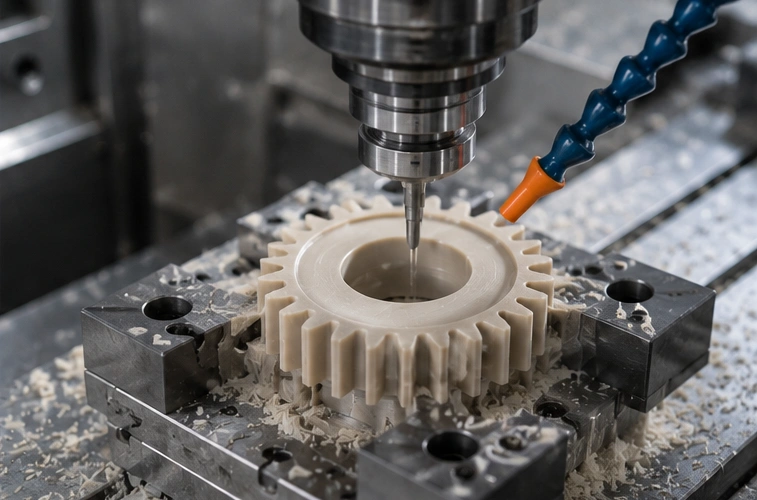
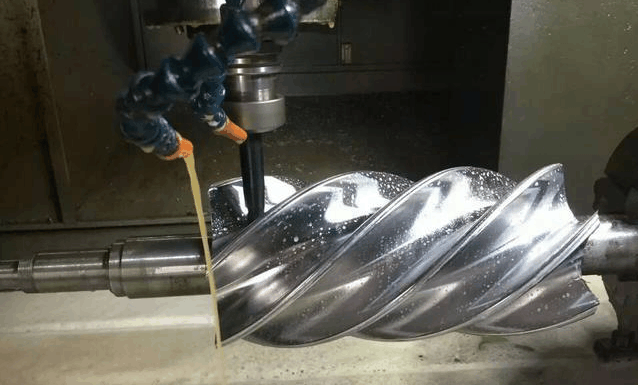
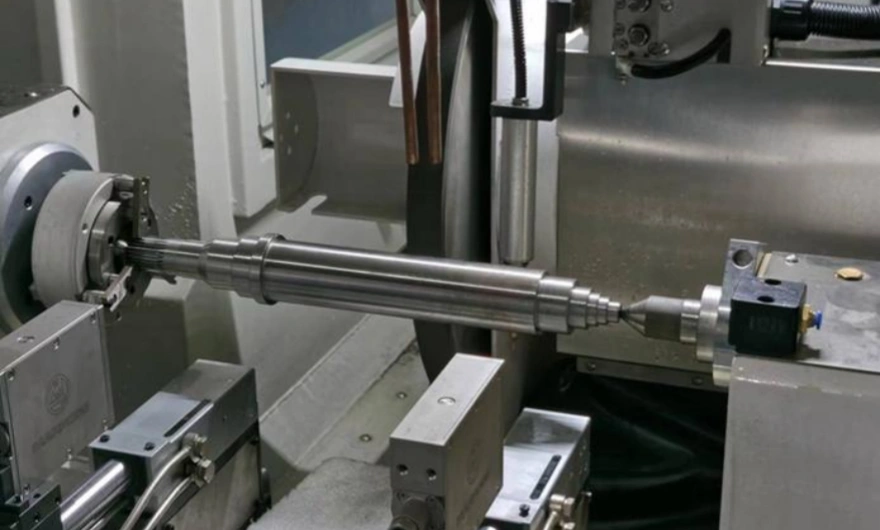
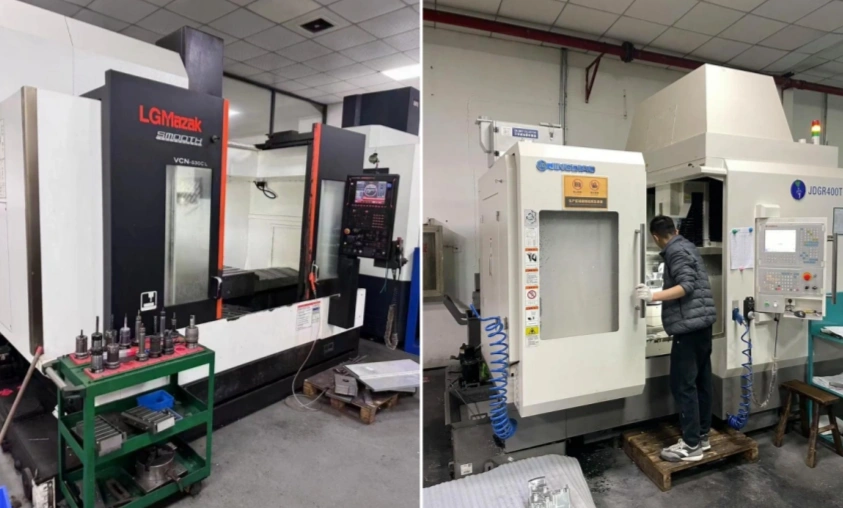
At CNCTAL, we support customers from early prototype development to low-volume production and ongoing CNC manufacturing. Our capabilities include CNC milling, CNC turning, 5-axis machining, aluminum machining, stainless steel machining, engineering plastics machining, and surface finishing support.
We work with customers in North America, Europe, and other global markets on custom CNC machined parts for robotics, automation, electronics, automotive, medical equipment, aerospace, and industrial applications.
Need Prototype or Low Volume CNC Machining?
Send your 2D/3D drawings, material requirements, tolerance details, quantity, and surface finishing needs. CNCTAL can support prototype machining and low-volume CNC production for custom parts.
FAQ: Prototype vs Low Volume CNC Production
What is the main difference between prototype CNC machining and low-volume production?
Prototype CNC machining focuses on testing and design validation, while low-volume production focuses on repeatable quality, stable manufacturing, and controlled unit cost.
What quantity is considered low-volume CNC production?
It depends on the project, but low-volume CNC production often includes quantities from 20 pieces to several hundred pieces.
Should I make prototypes before low-volume production?
If the design has not been tested, making prototypes first is usually safer. It helps identify design, assembly, and functional problems before producing a larger batch.
Can CNCTAL support both prototype and low-volume CNC machining?
Yes. CNCTAL supports prototype machining, low-volume production, CNC milling, CNC turning, 5-axis machining, material selection, and surface finishing for custom CNC parts.