
CNC Machining for Robotics Components
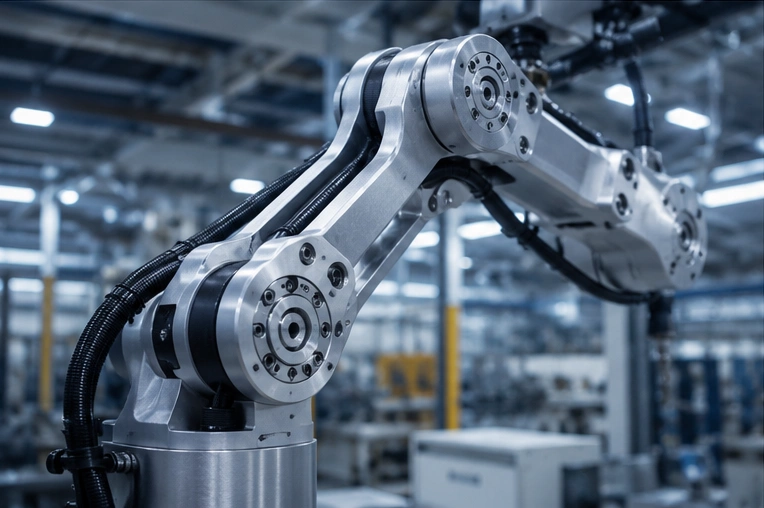
Robotics systems depend on precise mechanical parts. From robot arms and motor mounts to custom grippers and lightweight housings, CNC machining helps engineers turn robotics designs into accurate, reliable, and production-ready components.
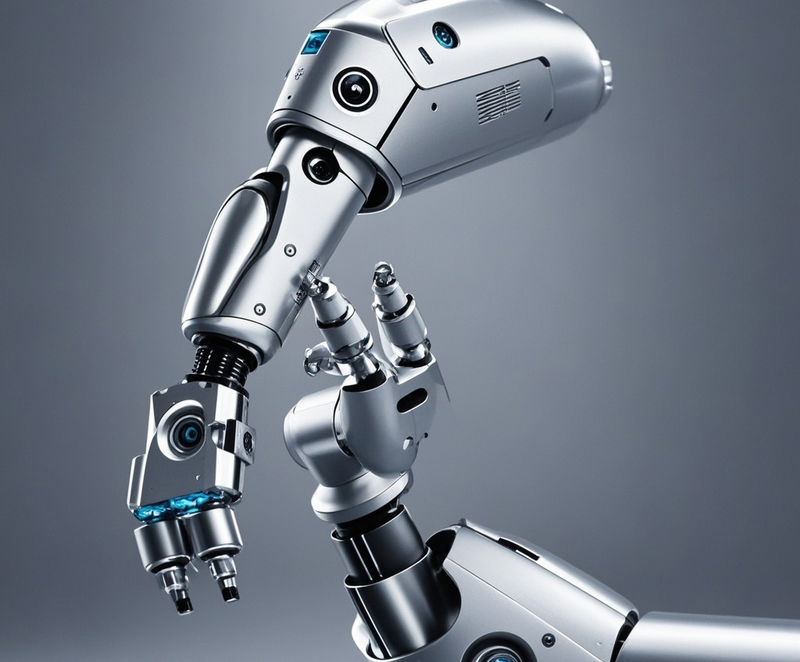
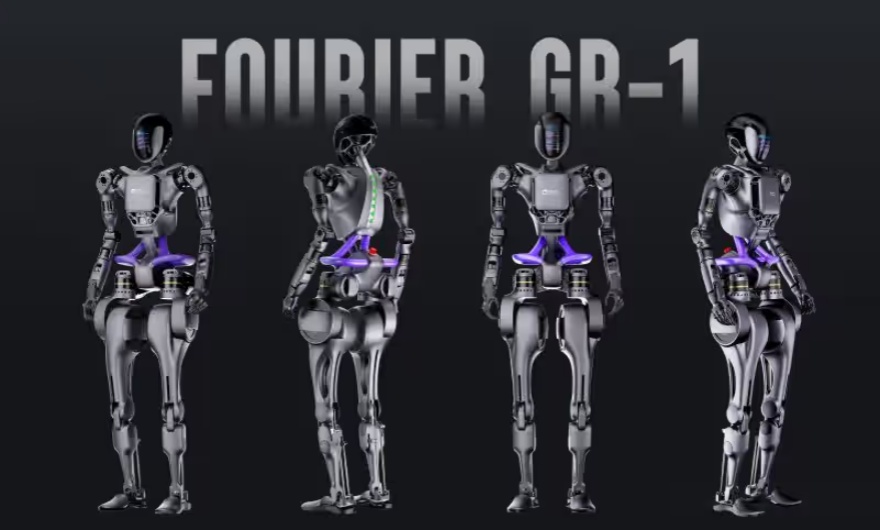
The robotics industry is growing quickly, from industrial automation and warehouse robots to medical robots, service robots, and new humanoid robot projects. Behind every robotic system are many precision parts that must fit together correctly, move smoothly, and keep stable performance over time.
CNC machining is one of the most practical manufacturing methods for robotics components. It supports tight tolerances, complex shapes, fast design changes, and a wide range of engineering materials. For many robotics companies, especially during prototype and low-volume production stages, CNC machining offers a flexible way to develop reliable mechanical parts without expensive tooling.
Why CNC Machining Matters in Robotics
A robot is not only software, sensors, and motors. Mechanical accuracy is also important. If a mounting hole is slightly off, if a shaft has poor concentricity, or if a bracket is not rigid enough, the whole system may suffer from vibration, poor positioning, or shorter service life.
High Accuracy
CNC machining helps maintain accurate dimensions for joints, housings, brackets, and motion parts.
Fast Iteration
Designs can be updated quickly between prototype versions without building molds or tooling.
Material Flexibility
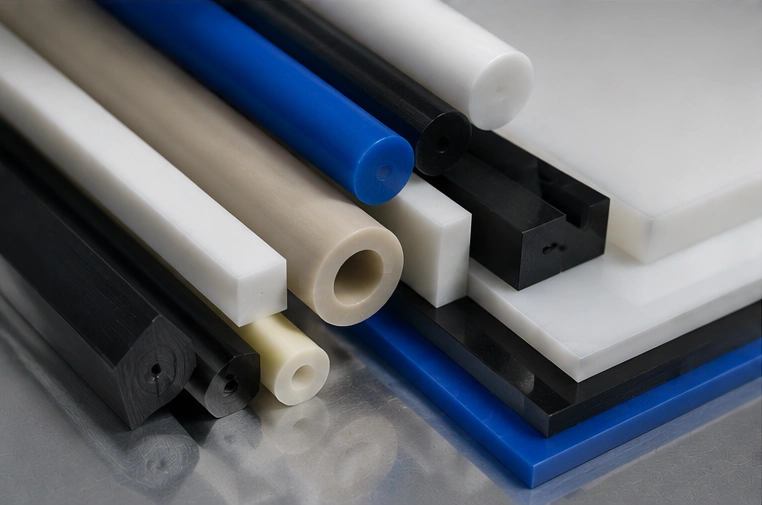
Aluminum, stainless steel, brass, copper, PEEK, POM, nylon, and other materials can be machined.
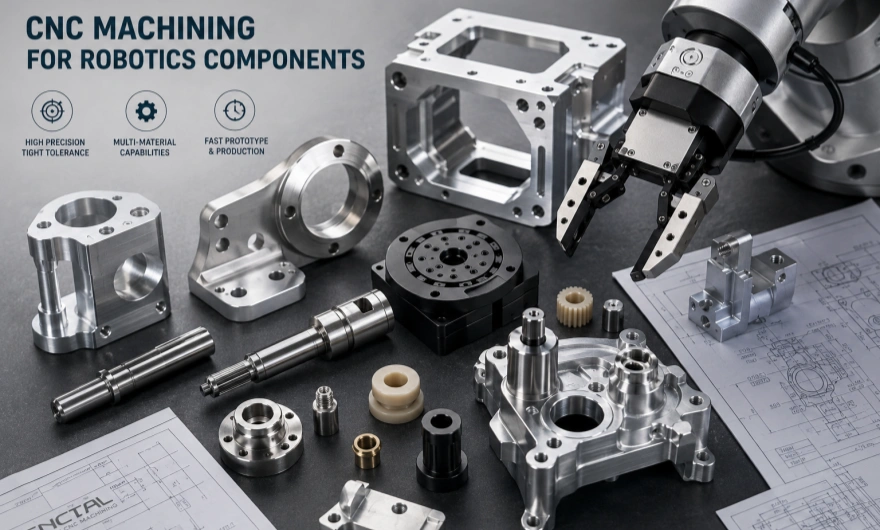
Common CNC Machined Robotics Components
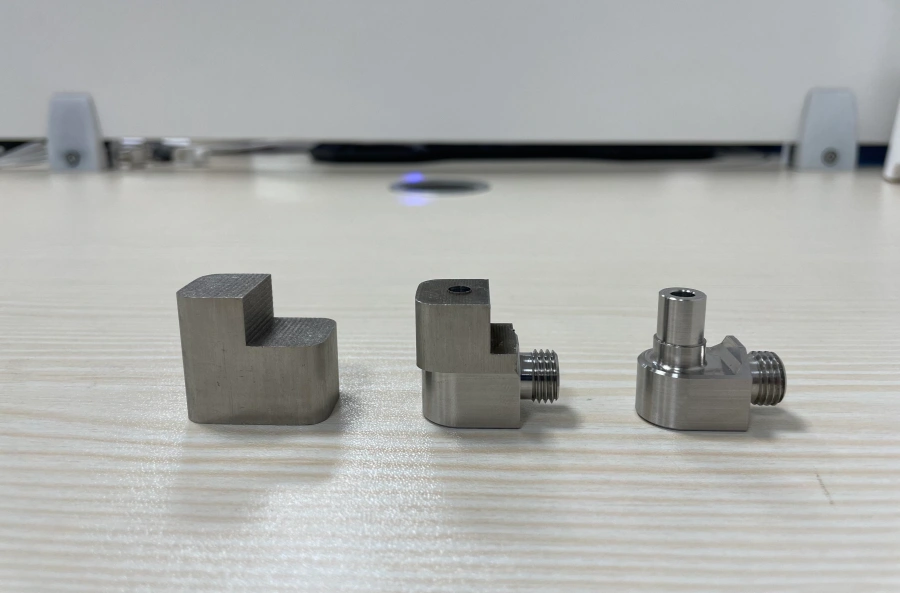
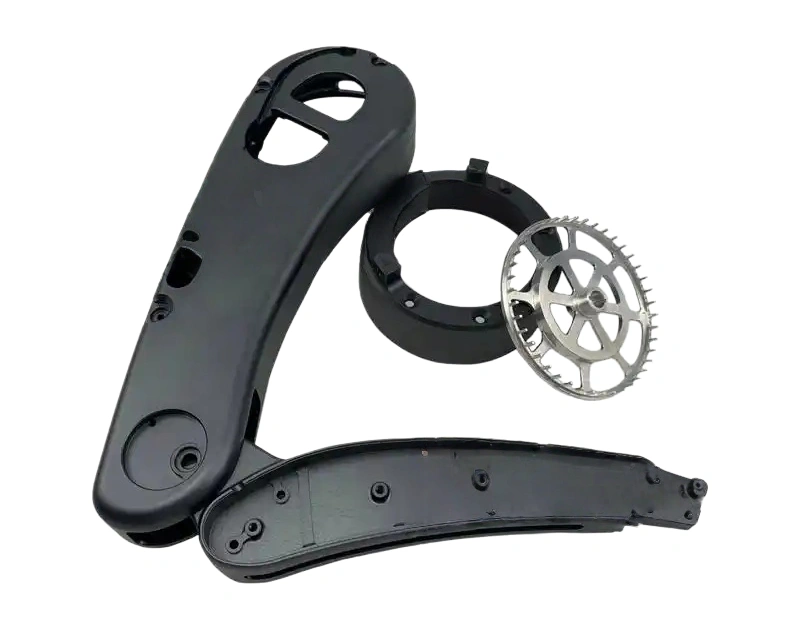
Robotics projects often require many different types of custom parts. Some components provide structural support, while others directly affect motion accuracy, assembly stability, and load capacity.
Materials Used for Robotics CNC Machining
Material selection depends on strength, weight, wear resistance, corrosion resistance, and cost. In robotics, engineers often need to reduce weight while keeping enough rigidity for accurate motion.
| Material | Main Advantages | Typical Robotics Applications |
|---|---|---|
| Aluminum 6061 | Good machinability, lightweight, cost-effective | Robot arms, brackets, housings, support plates |
| Aluminum 7075 | Higher strength, good for lightweight structural parts | High-load robot structures and precision fixtures |
| Stainless Steel | High strength, wear resistance, corrosion resistance | Shafts, pins, joints, high-load mechanical parts |
| POM / Delrin | Low friction, good dimensional stability | Guides, rollers, bushings, sliding components |
| PEEK | High performance plastic with heat and wear resistance | Medical robots, precision mechanisms, demanding applications |
Important Machining Requirements for Robotics Parts
Robotics components usually require more than basic machining. Many parts must control position, weight, surface quality, and assembly fit at the same time.
Hole Position Accuracy
Accurate hole locations help motors, sensors, bearings, and joints align correctly during assembly.
Concentricity
For shafts, couplings, and rotating parts, concentricity directly affects vibration and motion stability.
Lightweight Design
Pocket milling, thin-wall structures, and optimized shapes help reduce moving mass in robotic systems.
CNC Machining for Robotics Prototypes
Robotics development often requires several rounds of testing. Engineers may need to change hole positions, reduce weight, adjust mounting areas, or improve stiffness after each test. CNC machining is suitable for this process because design changes can be made directly from updated CAD files.
For robotics startups and automation equipment manufacturers, this flexibility is very useful. Instead of waiting for tooling, teams can produce prototype parts quickly, assemble them, test the robot, and continue improving the design.
Surface Finishing for Robotics Components
Surface finishing is not only for appearance. In robotics, finishing can improve corrosion resistance, wear resistance, handling quality, and product presentation.
Quality Control for Robotics CNC Machining
For robotics parts, inspection is important because small dimensional errors may affect the final assembly. Common inspection items include hole position, flatness, thread quality, surface finish, shaft runout, and key assembly dimensions.
At CNCTAL, we manufacture custom robotics components according to customer drawings and technical requirements. Our machining team supports CNC milling, CNC turning, 5-axis machining, engineering plastics machining, and surface finishing for robotics and automation projects.
Need Custom CNC Machined Robotics Components?
Send your 2D/3D drawings, material requirements, quantity, and surface finishing needs. CNCTAL can support prototype, low-volume, and batch production for robotics parts.
FAQ: CNC Machining for Robotics Components
What robotics components can be CNC machined?
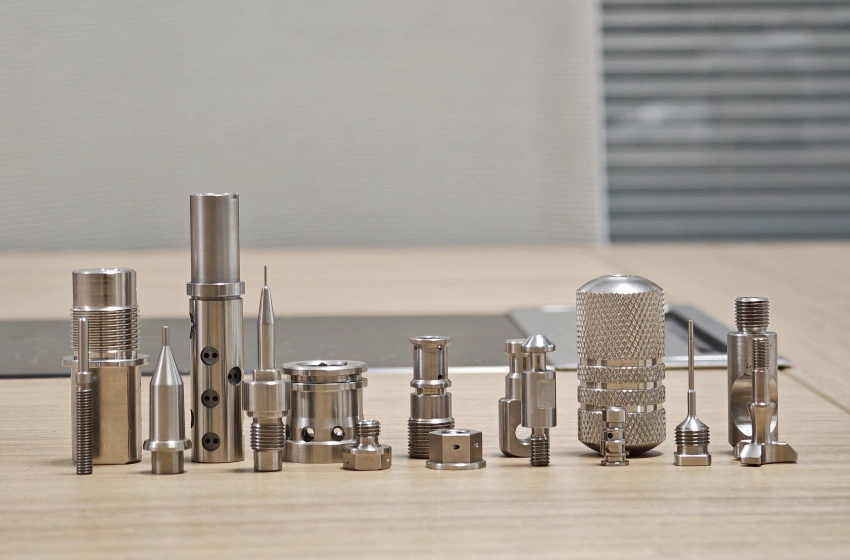
Common parts include robot arms, brackets, motor mounts, grippers, sensor mounts, shafts, bearing seats, housings, and custom fixtures.
Which material is best for robotic parts?
Aluminum 6061 and 7075 are common for lightweight structures. Stainless steel is used for high-strength or wear-resistant parts. POM, PEEK, and nylon are used for low-friction or lightweight plastic components.
Can CNC machining support robotics prototypes?
Yes. CNC machining is very suitable for robotics prototypes because it allows fast design changes, low-volume production, and accurate parts without mold investment.
Does CNCTAL support surface finishing for robotic parts?
Yes. CNCTAL supports anodizing, hard anodizing, polishing, sandblasting, plating, black oxide, and other surface finishing options depending on the material and application.