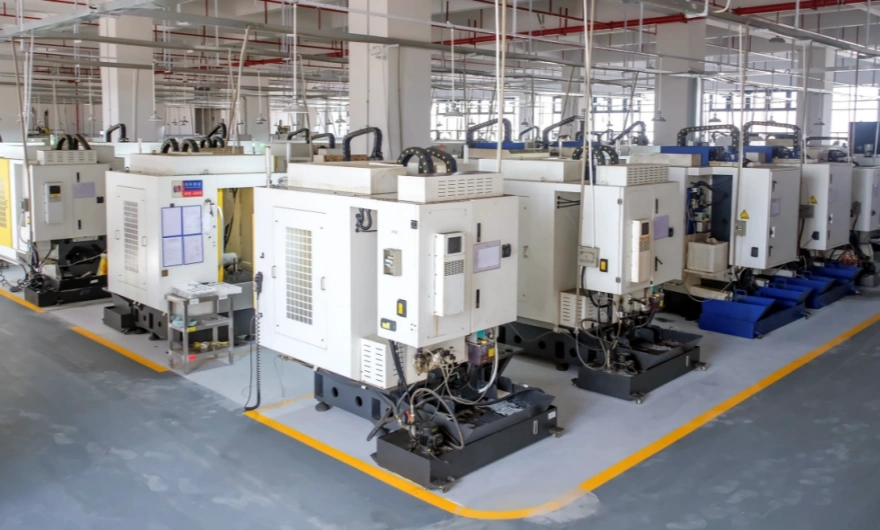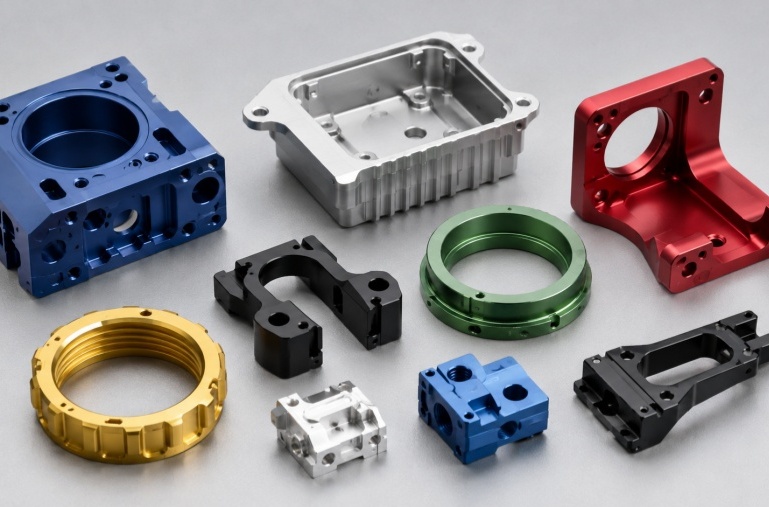

Precision CNC Stainless Steel Shaft Manufacturing
Stainless steel shafts are essential components in automation equipment, robotics, medical devices, food processing machinery, and industrial transmission systems. Although they may look simple, precision shaft manufacturing requires careful control of tolerance, concentricity, straightness, and surface finish.
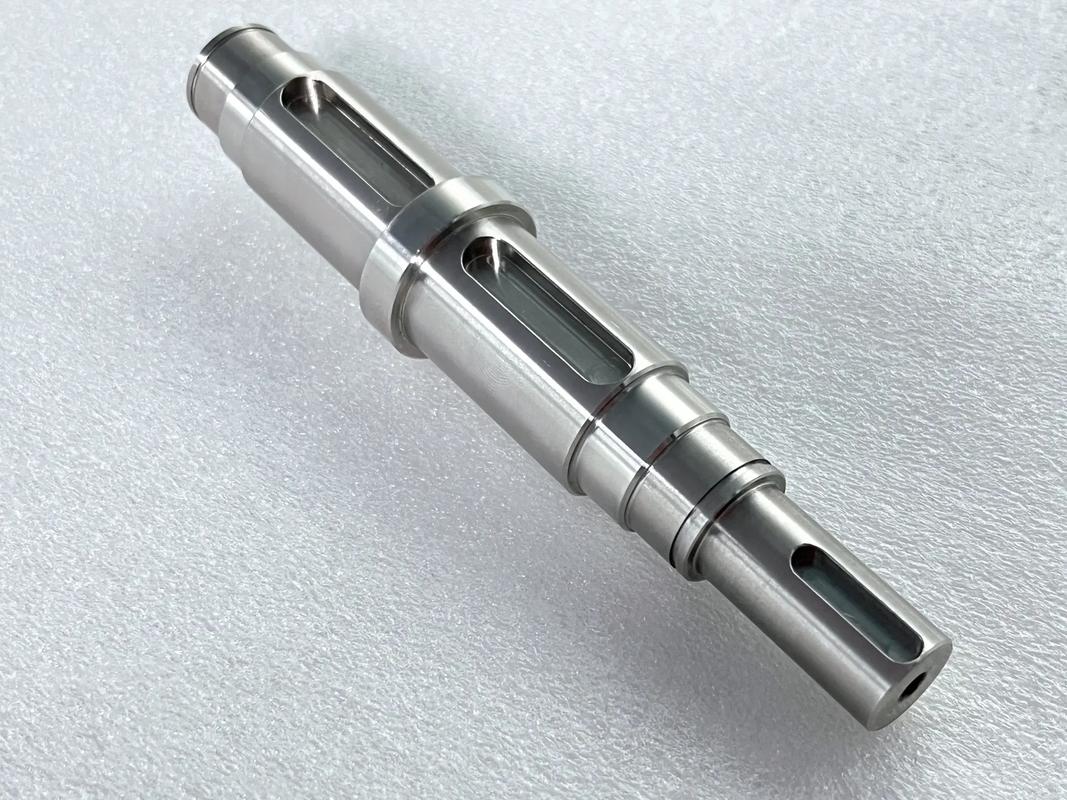
In many mechanical assemblies, the shaft is the part that quietly carries the load, transfers motion, and keeps the whole system running smoothly. A small error in diameter, runout, or surface roughness can cause vibration, bearing wear, assembly problems, or shortened service life.
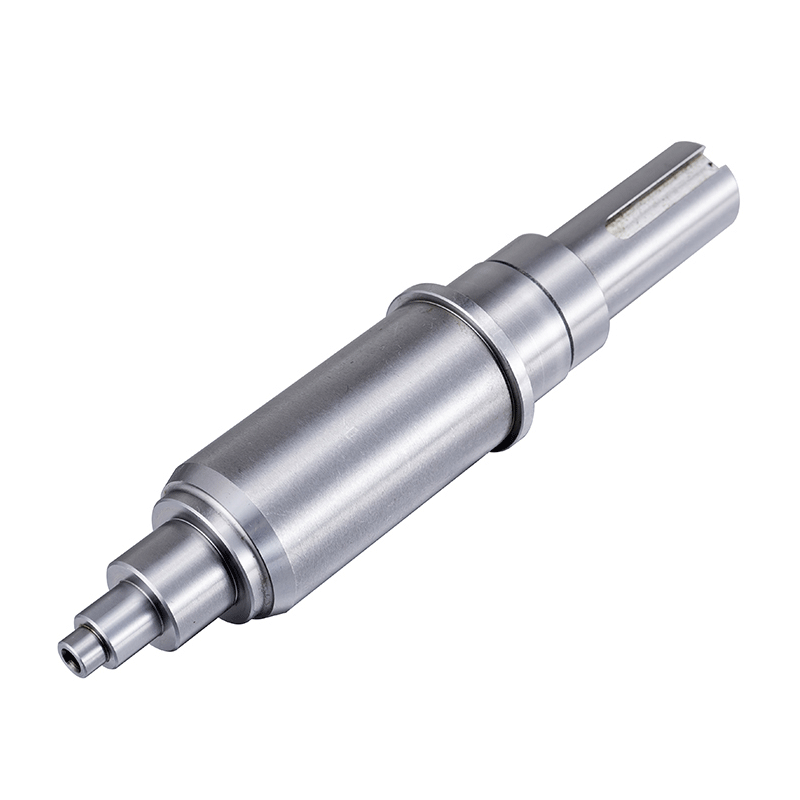
At CNCTAL, we manufacture custom CNC stainless steel shafts for customers in North America, Europe, and other global markets. Our work covers simple turned shafts, stepped shafts, threaded shafts, slotted shafts, motor shafts, and special stainless steel components based on customer drawings or samples.
Why Stainless Steel Is Used for Precision Shafts
Stainless steel is commonly selected for shaft manufacturing because it provides a good balance of corrosion resistance, mechanical strength, wear resistance, and long-term stability. For parts used in wet environments, food equipment, medical devices, or outdoor machinery, stainless steel is often a better choice than ordinary carbon steel.
| Material | Main Features | Typical Shaft Applications |
|---|---|---|
| 303 Stainless Steel | Good machinability, suitable for precision turning | Small shafts, threaded shafts, precision turned parts |
| 304 Stainless Steel | Good corrosion resistance and general mechanical properties | Automation equipment, food machinery, general industrial shafts |
| 316 Stainless Steel | Better corrosion resistance, especially in harsh environments | Marine parts, medical equipment, chemical equipment |
| 420 Stainless Steel | Can be heat treated for higher hardness | Wear-resistant shafts and mechanical drive parts |
| 17-4 PH Stainless Steel | High strength, good toughness, stable performance | Aerospace, precision instruments, high-load components |
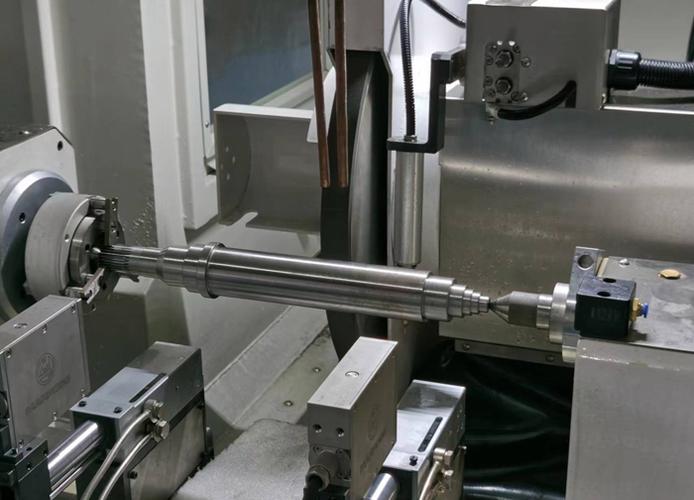
CNC Machining Process for Stainless Steel Shafts
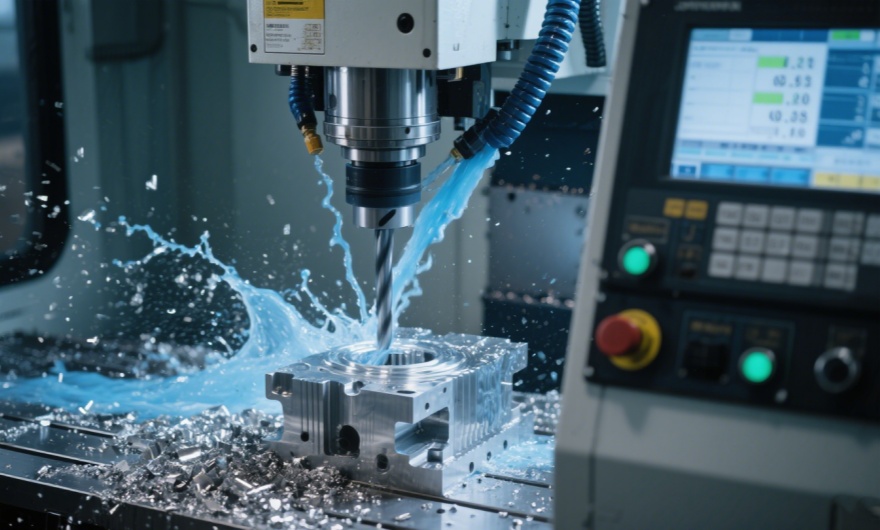
A high-quality stainless steel shaft is usually not made by one simple operation. Depending on the drawing, the part may require CNC turning, milling, drilling, grinding, polishing, and final inspection.
Key Quality Points in Precision Shaft Manufacturing
Shaft manufacturing looks straightforward, but real production quality depends on many small details. The following factors are especially important when machining stainless steel shafts.
Concentricity
Good concentricity helps reduce vibration, noise, and uneven bearing wear. Stable clamping and fewer setups are important for precision shafts.
Straightness
Long stainless steel shafts may bend during machining if cutting force, tool pressure, or clamping method is not controlled correctly.
Surface Finish
Bearing surfaces, sealing areas, and sliding contact areas often require a smoother finish than general machined surfaces.
Challenges When Machining Stainless Steel Shafts
Stainless steel is more difficult to machine than aluminum and many mild steels. It can generate more heat, cause faster tool wear, and create chip control problems. Some stainless steel grades also work harden during cutting, which makes the next tool pass more difficult if the machining strategy is not correct.
For this reason, experienced machinists must choose the right cutting tools, speeds, feeds, coolant, and machining sequence. Good process planning can improve dimensional stability and reduce the risk of surface defects, deformation, or inconsistent production quality.
Applications of CNC Stainless Steel Shafts
Precision stainless steel shafts are used in many industries where reliability, corrosion resistance, and accurate motion are required.
Automation Equipment
Used in conveyors, linear motion systems, pneumatic equipment, and custom machinery.
Medical Devices
Stainless steel shafts are suitable for clean, corrosion-resistant, and precision mechanical assemblies.
Food Machinery
304 and 316 stainless steel shafts are commonly used in food processing and packaging equipment.
Robotics
Robotic systems require accurate rotating and positioning components for stable motion control.
Industrial Machinery
Shafts are used in drive systems, transmission assemblies, fixtures, and mechanical equipment.
Precision Instruments
Small stainless steel shafts are often used in instruments where accuracy and stability matter.
Quality Inspection Before Delivery
For precision shaft components, inspection is not only about checking the outer diameter. A complete inspection process may include diameter measurement, thread gauge inspection, runout checking, surface roughness inspection, straightness testing, and CMM measurement for critical dimensions.
At CNCTAL, we manufacture stainless steel shafts according to customer drawings and technical requirements. Our team checks the important dimensions before shipment to help customers receive parts that are ready for assembly.
Need Custom Stainless Steel Shafts?
Send us your 2D/3D drawings, material requirements, tolerance details, and quantity. CNCTAL can support prototype, low-volume, and batch CNC stainless steel shaft manufacturing.
FAQ: Precision CNC Stainless Steel Shaft Manufacturing
What tolerance can be achieved for CNC stainless steel shafts?
It depends on the shaft size, material, length, structure, and inspection requirements. For many precision shaft projects, tolerances such as ±0.01 mm can be supported based on the drawing.
Which stainless steel is best for precision shafts?
303 stainless steel is easier to machine, 304 is widely used for general corrosion resistance, 316 is better for harsh environments, and 17-4 PH is suitable for higher-strength applications.
Can stainless steel shafts be polished or passivated?
Yes. Stainless steel shafts can be polished, passivated, electropolished, sandblasted, or finished according to the final application and drawing requirements.
Can CNCTAL manufacture small batches of stainless steel shafts?
Yes. CNCTAL supports prototype machining, small-batch production, and batch manufacturing for custom CNC stainless steel shaft components.