

Industrial Automation Parts CNC Machining
CNCTAL manufactures precision CNC machined parts for industrial automation equipment, robotic systems, fixtures, sensors, motion modules and custom production machines. From prototype parts to repeat small-batch orders, we help engineers turn CAD designs into stable, production-ready components.
- Custom automation components from drawings or 3D files
- CNC milling, turning, 5-axis machining and EDM support
- Aluminum, stainless steel, brass, copper and engineering plastics
- Prototype, low-volume and repeat production orders available
Send STEP, STP, IGS, IGES, DWG, DXF or PDF drawings for engineering review and quotation.
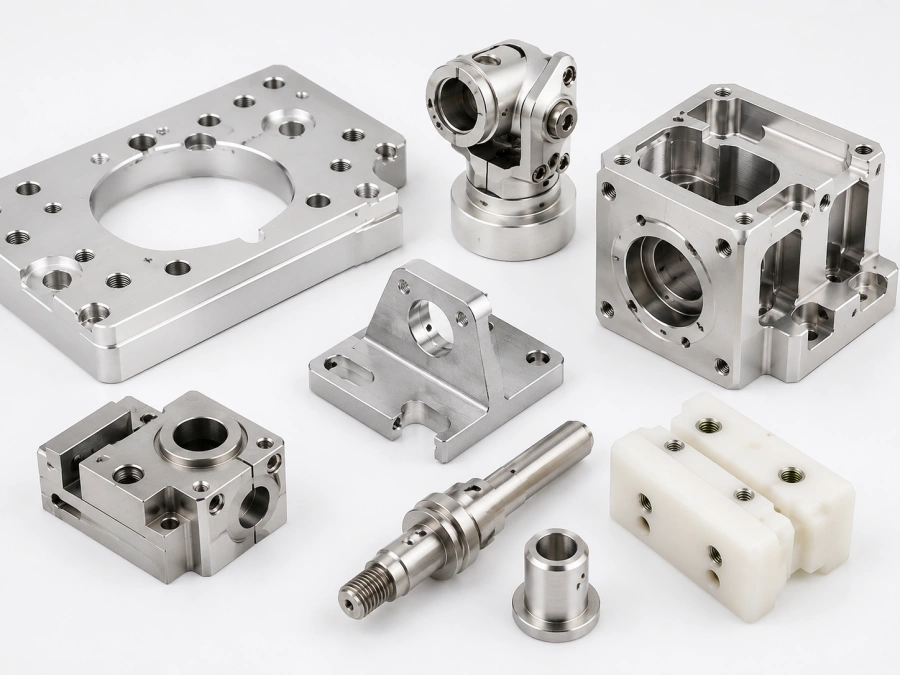
Industrial Automation Parts We Commonly Machine
Industrial automation projects often require many different machined parts in small to medium quantities. CNCTAL supports custom CNC machining for brackets, fixture blocks, motion parts, housings and precision components used in automated production equipment.
Sensor Brackets & Mounting Plates
CNC machined brackets, plates and small frames for proximity sensors, photoelectric sensors, inspection modules and custom equipment assemblies.
Robot Arm & End-Effector Components
Precision connectors, adapter plates, gripper parts and lightweight aluminum components for robotic automation systems and custom end-of-arm tooling.
Automation Fixture Parts
Locating blocks, clamping parts, support plates, pins and custom fixture components used for repeatable positioning in automated production lines.
Actuator & Motion System Parts
Machined sliders, actuator mounts, shaft supports, rail connectors and motion-related components where alignment and surface finish are important.
Machine Vision Components
Camera brackets, lens holders, light source mounts and inspection equipment components for machine vision systems and measurement devices.
Connector Housings & Precision Blocks
Custom housings, interface blocks, connector bases and precision machined modules for industrial automation control and assembly equipment.
Why Precision Machining Matters in Industrial Automation
Industrial automation parts are usually not decorative components. They are installed inside machines, fixtures, sensors, robot modules and motion systems where small dimensional errors can affect assembly, alignment or long-term repeatability.
- Accurate hole positions and flat mounting faces help sensors, cameras, rails and actuator modules fit correctly during machine assembly.
- Stable batch consistency is important when the same automation component is used across multiple stations, fixtures or production lines.
- Prototype flexibility allows engineers to test different mounting designs, adjust hole locations and improve part geometry before repeat orders.
- Material and finish selection can improve wear resistance, corrosion protection, insulation, sliding performance or appearance depending on the application.
Many automation parts need clean threads, accurate slots, counterbores and locating features so they can be installed without extra hand fitting.
Fixture blocks, guide parts and machine modules may run every day, so machining accuracy and surface condition both matter.
Automation projects often start with 1–10 prototype parts, then move to 50, 100 or repeat batch orders after testing.
Aluminum, stainless steel, brass, copper, POM, nylon and PEEK can all be selected based on strength, weight, wear or insulation requirements.
From CAD Design to Machine-Ready Parts
Review drawings, tolerance points and material requirements.
Confirm CNC milling, turning, 5-axis or EDM process route.
Machine prototype or small batch parts for testing.
Inspect key dimensions before packing and shipment.
Machining Materials Selected for Strength, Weight and Function
Industrial automation parts are used in different working environments. Some parts need lightweight aluminum, some need stainless steel strength, and others require low-friction plastics or conductive metals. CNCTAL helps match the material to the actual application, not just the drawing name.
Material Choice Affects Assembly and Machine Performance
For automation equipment, material selection is often linked to positioning accuracy, wear life, corrosion resistance, electrical performance and total machine weight. We commonly machine both metal and plastic automation components for prototype builds and repeat production orders.
- Lightweight aluminum parts for machine frames, sensor mounts and robot tooling.
- Stainless steel components for wear resistance, strength and harsh environments.
- Brass and copper parts for conductive, connector or contact-related applications.
- Engineering plastics for sliding, insulation, low-friction or lightweight components.
Aluminum 6061 / 6082 / 7075
Aluminum is widely used for industrial automation parts because it is lightweight, easy to machine and suitable for anodizing. It is commonly selected for brackets, plates, housings, robot tooling and machine vision mounts.
Stainless Steel 304 / 316 / 17-4PH
Stainless steel is suitable for locating pins, bushings, shafts, fixture parts and components exposed to moisture, cleaning processes or higher mechanical loads.
Brass & Copper
Brass and copper are used for connector bases, conductive blocks, contact parts, inserts and custom electrical or thermal components inside automation equipment.
POM / Delrin / Nylon
These plastics are often used for guide blocks, rollers, spacers, sliding parts and non-metallic automation components where low friction and low weight are important.
PEEK / PTFE / Engineering Plastics
For higher temperature, insulation, chemical resistance or special sliding requirements, engineering plastics such as PEEK and PTFE can be used in selected automation applications.
Typical CNC Machined Parts Used in Automation Projects
Every automation project has different drawings, tolerances and functional details. The examples below show the type of parts CNCTAL commonly supports for machine builders, equipment developers and automation system integrators.
Aluminum Sensor Mounting Brackets
Used for inspection modules, positioning sensors and compact automation equipment where clean assembly and lightweight structure are both important.
Sensor brackets and mounting plates for automated inspection equipment and production line modules.
Accurate hole locations, flat mounting surfaces, counterbores and clean threaded holes for easy assembly.
Small batch quantities with consistent dimensions and stable anodized appearance across repeat orders.
These parts are suitable for prototype testing and repeat production after the customer confirms installation fit, sensor alignment and surface finish requirements.
Stainless Steel Locating Pins and Bushings
Used in automation fixtures and positioning systems where wear resistance and repeatable locating performance are more important than appearance.
Locating pins, guide bushings, small shafts and fixture inserts for repeat positioning in automation tools.
Diameter control, concentricity, surface finish and chamfer details to reduce assembly problems.
Reliable batch consistency, especially when the same fixture design is used across multiple stations.
Properly machined locating parts help improve fixture repeatability and reduce manual adjustment during machine setup or maintenance.
POM Guide Blocks for Motion Systems
Used for light-load sliding, guiding and spacing applications where low friction and clean edges are important for smooth movement.
Plastic guide blocks, spacers, sliding parts and wear components for compact motion assemblies.
Smooth machined surfaces, controlled slots, burr-free edges and stable dimensions after machining.
Lightweight parts with low friction, good wear behavior and no sharp edges that could affect movement.
CNC machined POM parts are often a practical option for testing guide designs before moving into larger equipment builds or repeat orders.
CNC Machining Support for Custom Automation Components
Industrial automation equipment often includes many different part types in one project. Some parts are milled plates, some are turned shafts or bushings, and others may require tight slots, deep holes, EDM features or post-machining surface finishing.
- CNC milling for brackets, plates, blocks, housings, fixture components and machine modules.
- CNC turning for pins, shafts, bushings, spacers, collars and round automation components.
- 5-axis machining for complex robot tooling, angled features and multi-face parts.
- Surface finishing including anodizing, polishing, passivation, black oxide, plating and bead blasting.
We can support one-off prototype automation parts, small batch production and repeat orders after your machine design has been tested and approved.
One Supplier for Multiple Automation Part Types
For machine builders and automation integrators, a project may include aluminum frames, stainless pins, POM guide parts, connector blocks and surface-finished housings. CNCTAL can combine different CNC processes to support these mixed-part orders.
CNC Milling
Suitable for automation plates, brackets, sensor mounts, fixture blocks, machine bases and precision machined housings with holes, slots and pockets.
CNC Turning
Used for stainless steel pins, aluminum spacers, brass inserts, bushings, shafts and other round automation parts requiring diameter control.
5-Axis CNC Machining
Helps reduce setups for complex automation components, angled mounting features, robot tooling and parts that require machining on multiple sides.
EDM & Fine Features
EDM support is available for selected automation parts with sharp internal corners, narrow slots or features that are difficult to produce by standard milling.
Surface Finishing
Finishing options include anodizing, bead blasting, polishing, passivation, black oxide, nickel plating and other treatments based on part function.
Inspection Support
Key dimensions, threaded holes, surface finish, hole positions and fitting features can be checked before shipment for better assembly reliability.
Inspection Support for Precision Automation Parts
Automation components often need to fit into larger machines without extra adjustment. That is why hole positions, flatness, threaded features, surface finish and batch consistency should be checked carefully before shipment.
Key Dimensions Checked Before Delivery
For industrial automation parts, inspection is not only about the final size. We pay attention to the features that affect assembly, alignment and repeat operation inside the customer’s equipment.
- Hole locations and threaded holes for sensor brackets, camera mounts, fixture plates and machine modules.
- Flatness and mounting faces for parts that connect to rails, actuators, robot tooling or machine frames.
- Diameter and fit dimensions for pins, bushings, spacers, collars and turned automation parts.
- Deburring and edge condition to reduce assembly problems and protect cables, sensors or moving components.
- Surface finish and coating appearance when anodizing, passivation, plating, black oxide or bead blasting is required.
Tolerances Based on Part Geometry
Tight tolerances such as ±0.01 mm can be supported on selected features depending on material, geometry and machining process. We review the drawing before confirming the best production route.
First Article Inspection
For new automation parts, first article inspection can help confirm critical dimensions before the full batch continues, especially for parts used in fixtures or machine assemblies.
Batch Consistency
Repeat automation orders often require the same fit and function across multiple stations or systems. We keep machining notes and inspection focus points for repeat production.
Practical Feedback
If a feature may increase cost or cause machining risk, we can point it out before production and suggest a more practical machining approach where possible.
Quality note: For parts with tight tolerance requirements, please mark the critical dimensions clearly on your 2D drawing. This helps us quote more accurately and choose the correct machining and inspection method.
Supporting Automation Parts from First Sample to Small Batch Production
Industrial automation projects rarely start with a large order immediately. Engineers usually test the machine design first, adjust the drawings, then move to small batch or repeat production. CNCTAL supports this practical development process with CNC machining, finishing and inspection.
-
01
Upload CAD Drawings
Send 3D files and 2D drawings with material, quantity, tolerance and surface finish requirements. STEP, STP, IGS, IGES, DWG, DXF and PDF files are commonly used for quotation.
-
02
Engineering Review & Quotation
We review machining feasibility, critical dimensions, material choice and process route before quoting. If a feature may increase cost or machining risk, we can point it out early.
-
03
Prototype Machining & Inspection
Prototype parts help verify assembly fit, sensor position, fixture function, motion clearance and finishing appearance before the design moves into repeat production.
-
04
Small Batch or Repeat Production
After the prototype is approved, we can support 10, 50, 100, 500 or repeat batch orders with consistent machining notes and inspection focus points.
Built for Real Automation Development Workflows
Automation parts often change during the machine build stage. A bracket hole may move slightly, a fixture block may need another locating surface, or a plastic guide part may need a smoother edge. CNC machining is well suited for these design changes without waiting for tooling.
FAQs About CNC Machined Industrial Automation Parts
Below are common questions from engineers, machine builders and purchasing teams looking for custom CNC machined automation components.
What types of industrial automation parts can CNCTAL machine?
CNCTAL machines custom industrial automation parts such as sensor brackets, mounting plates, fixture blocks, locating pins, bushings, actuator mounts, guide blocks, connector housings, robot tooling parts and machine vision components.
Can you machine both metal and plastic automation components?
Yes. We commonly machine aluminum, stainless steel, brass, copper, POM, nylon, PEEK, PTFE and other engineering materials for automation equipment. The material is usually selected based on strength, weight, wear resistance, insulation, corrosion resistance or sliding performance.
Do you support prototype automation parts?
Yes. Many automation projects start with prototype parts for fit testing, machine assembly, sensor alignment or motion testing. We can support one-off prototypes, small batches and repeat production after the design is approved.
What tolerances can you achieve for industrial automation parts?
Tolerances depend on the material, geometry, part size and machining process. For selected critical features, tolerances such as ±0.01 mm may be available. For accurate quotation, please mark the critical dimensions clearly on your 2D drawing.
Can you provide surface finishing for automation components?
Yes. Common finishing options include anodizing, bead blasting, polishing, passivation, black oxide, nickel plating, chrome plating and powder coating. Finishing can improve corrosion resistance, appearance, wear behavior or electrical performance depending on the part application.
Can you machine automation fixture parts and locating components?
Yes. We machine fixture blocks, locating pins, guide bushings, support plates, clamping parts, spacers and custom fixture components used in automated production lines, test equipment and assembly machines.
Do you inspect critical dimensions before shipment?
Yes. We can inspect key dimensions such as hole positions, threaded holes, flat mounting faces, diameters, fits, surface finish and other functional features before shipment. First article inspection can also be supported for new automation parts.
Can you handle small batch and repeat production orders?
Yes. CNCTAL supports prototype, low-volume and repeat production orders. Typical automation projects may include 1–10 prototype parts first, then 20–100 pieces for pilot builds, and later repeat orders for approved machine components.
What files do you need for a quotation?
For quotation, please send 3D models and 2D drawings if available. Common file formats include:
- STEP / STP
- IGS / IGES
- DWG / DXF
- PDF drawings
- STL files for reference if needed
Please also include material grade, quantity, surface finish, tolerance requirements and any special inspection notes.
Need CNC Machined Parts for Automation Equipment?
Send your drawings, material requirements and quantity. Our engineering team can review machining feasibility, tolerances, finishing options and quotation details.