

Electronics Enclosures CNC Machining Case Study
Custom CNC machined aluminum and metal enclosures for industrial control systems, sensors, communication devices, power equipment, and embedded electronics applications.
- Precision connector openings and threaded holes
- Aluminum 6061 / 7075 and stainless steel options
- Anodizing, bead blasting, polishing and marking
- Prototype to volume production support
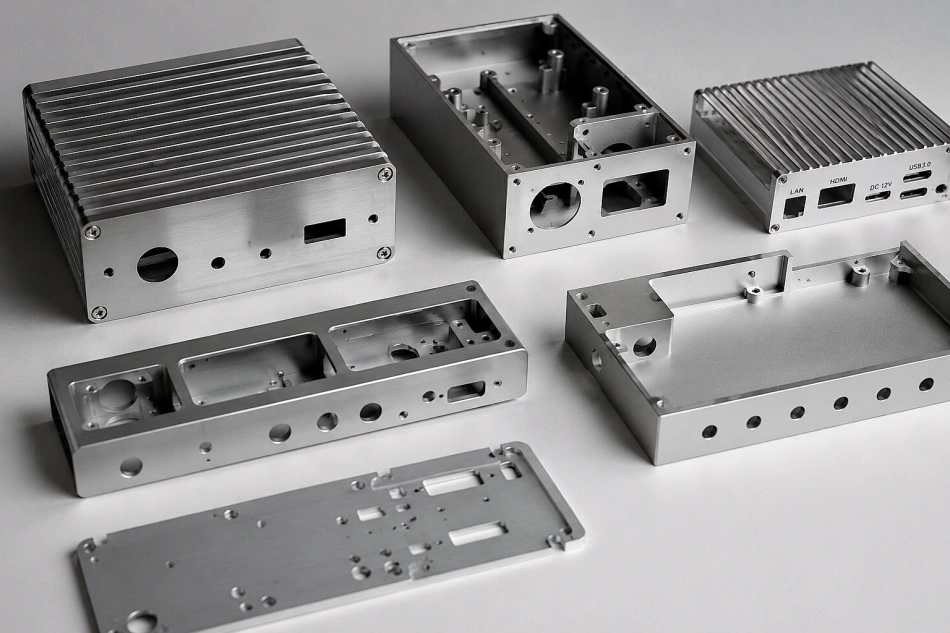
Custom Electronics Enclosure for Industrial Equipment
This case study highlights CNC machined electronics enclosures designed for industrial control, sensor, communication and embedded device applications. The project required accurate machining, clean surface finishing, reliable assembly fit, and stable production quality from prototype to small batch.
Used for control modules, sensor systems, communication equipment and electronic devices.
Lightweight, strong, easy to machine and suitable for anodized electronic housings.
CNC milled internal cavities, threaded holes, connector openings and mounting features.
Clean cosmetic appearance with corrosion resistance and durable surface protection.
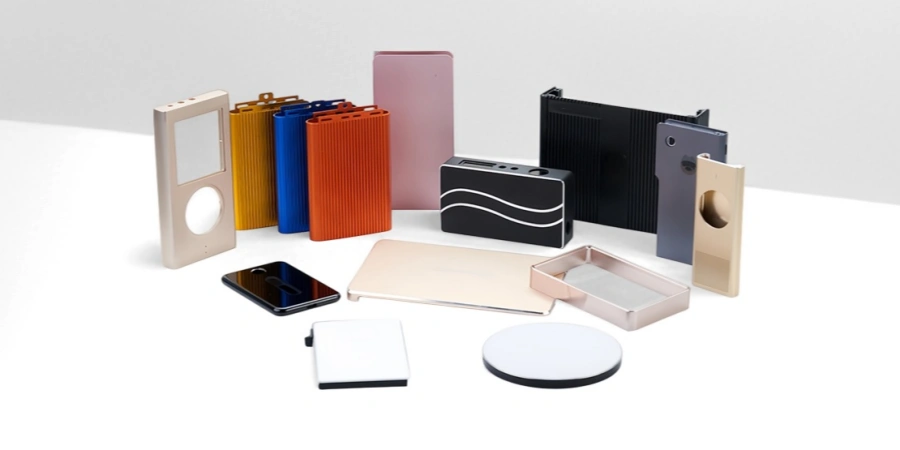
Precision Machining for Complex Electronic Housing Features
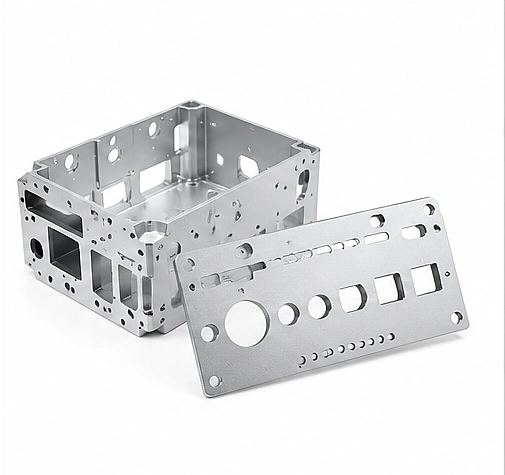
The customer needed a durable and lightweight enclosure for an industrial electronic device. The housing required accurate connector openings, mounting holes, internal pockets, clean edges, and a consistent cosmetic surface suitable for final product assembly.
- Multiple Connector Openings USB, cable, sensor, display or power interface cutouts must be accurately machined to match the customer’s assembly design.
- Thin-Wall Structure Control The enclosure needed lightweight walls while maintaining rigidity, flatness and stable dimensional accuracy after machining.
- Reliable Assembly Fit Threaded holes, counterbores and mounting features had to align correctly with internal PCB boards, covers, brackets and fasteners.
- Clean Cosmetic Surface The final part required a neat appearance with anodizing, bead blasting or polishing suitable for customer-facing electronic equipment.
How CNCTAL Manufactured the Electronics Enclosure
To achieve reliable assembly, attractive appearance and consistent quality, the enclosure was produced through a controlled CNC machining and inspection process.
Precision CNC Milling
High-speed CNC milling was used to create the enclosure body, internal cavities and complex external features while maintaining dimensional consistency.
Thread Machining
Accurate threaded holes were machined for covers, brackets, PCB mounting points and final assembly requirements.
Connector Cutouts
USB ports, cable glands, sensor interfaces, switches and display openings were machined according to customer CAD specifications.
Tight Tolerance Control
Critical dimensions and assembly surfaces were maintained within tight tolerances to ensure proper fit with internal electronic components.
Surface Finishing
Bead blasting and anodizing improved corrosion resistance while providing a clean and professional appearance for the final product.
Final Quality Inspection
Every enclosure underwent dimensional inspection and visual checks before packaging to ensure compliance with customer requirements.
Typical Electronics Enclosures We Manufacture
CNCTAL manufactures custom CNC machined enclosures and housings for industrial electronics, sensors, control systems, communication devices and embedded equipment.
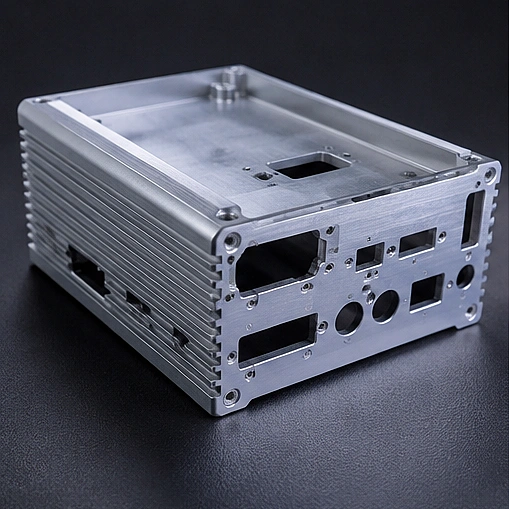
Aluminum Electronics Enclosure
CNC machined aluminum housings with precise pockets, threaded holes, cover mounting features and clean anodized surfaces.
Aluminum Housing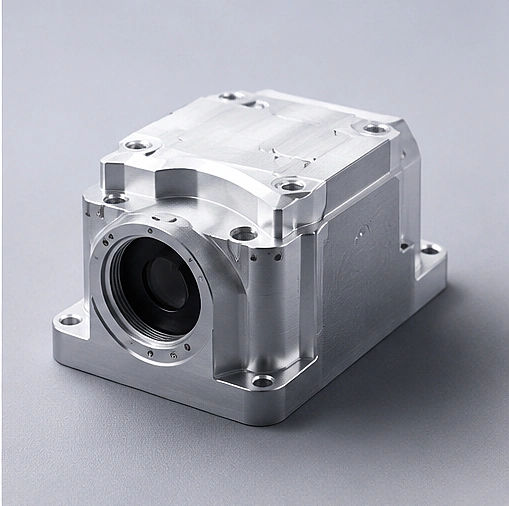
Sensor Housing
Compact CNC sensor housings designed for industrial sensing devices, optical modules, measurement systems and automation equipment.
Sensor Parts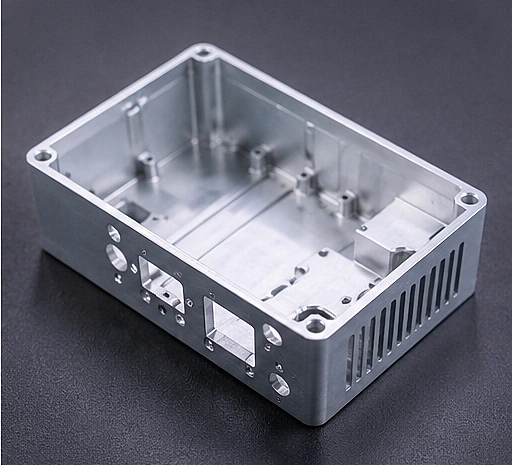
Control Box Housing
Custom control box housings with connector cutouts, mounting holes, internal support features and durable surface finishing.
Control Systems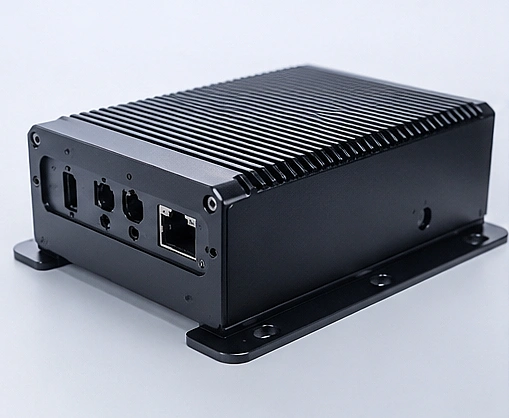
Communication Device Housing
Precision housings for communication modules, network equipment, antenna devices and electronic signal control products.
Communication Equipment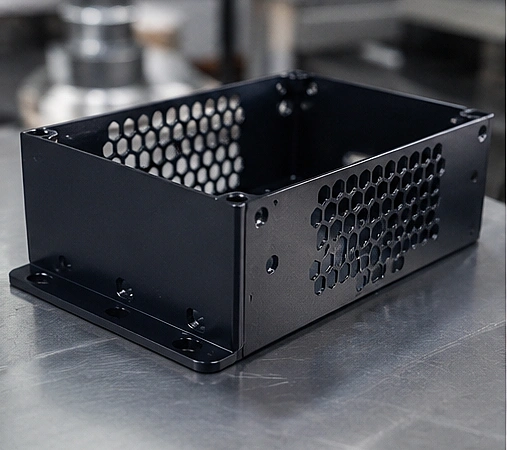
Power Supply Housing
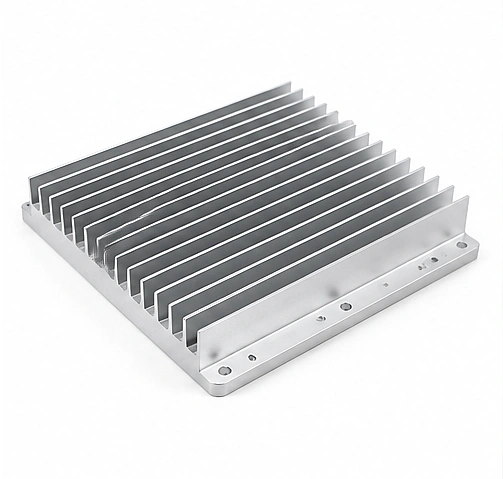
Machined housings for power modules and electrical equipment, supporting heat dissipation, assembly stability and surface protection.
Power Equipment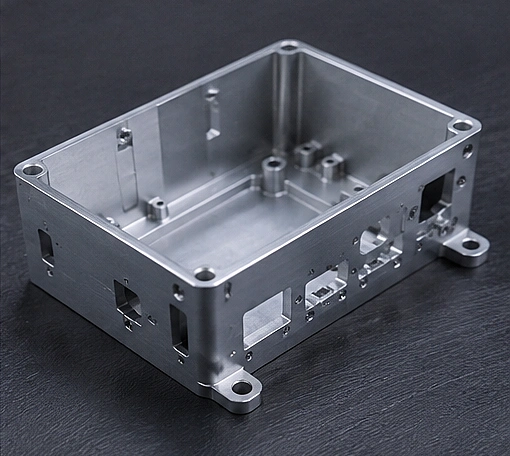
Embedded System Enclosure
Custom machined enclosures for embedded computers, IoT devices, PCB assemblies and compact industrial electronic systems.
Embedded ElectronicsMaterials Commonly Used for Electronics Enclosures
Material selection directly impacts enclosure strength, weight, thermal performance, corrosion resistance and appearance. Below are some of the most common materials used in our electronics enclosure projects.
The preferred material for most electronics housings due to its excellent machinability, lightweight structure and anodizing capability.
- Lightweight and strong
- Excellent CNC machinability
- Ideal for anodizing
- Good corrosion resistance
Suitable for rugged electronic equipment and demanding industrial environments where additional mechanical strength is required.
- High strength-to-weight ratio
- Excellent structural stability
- Precision machining capability
- Premium enclosure applications
Often used in harsh environments where durability and corrosion resistance are more important than weight reduction.
- Excellent corrosion resistance
- Durable and robust
- Suitable for outdoor use
- Industrial-grade reliability
Commonly used for specialized electronic components requiring conductivity, shielding or decorative appearance.
- Excellent electrical conductivity
- Easy to machine
- Decorative surface finish
- Precision threaded components
A practical choice for prototypes, lightweight housings and cost-sensitive electronic products.
- Low material cost
- Easy to machine
- Lightweight solution
- Prototype-friendly material
Suitable for transparent covers, protective housings and electronic enclosures requiring impact resistance.
- High impact strength
- Optically clear options
- Good dimensional stability
- Protective equipment housings
Why CNC Machining Is Ideal for Electronics Enclosures
Compared with molding or sheet metal fabrication, CNC machining offers greater flexibility, higher precision and faster turnaround for custom electronics enclosure projects.
High Precision Features
CNC machining creates precise pockets, mounting surfaces, threaded holes and connector openings that are critical for electronic assemblies.
Fast Prototype Development
Prototype enclosures can be produced directly from CAD files without expensive tooling, helping accelerate product development.
Excellent Surface Finish
CNC machined parts can be bead blasted, anodized, polished or engraved to achieve a professional appearance for commercial products.
Custom Connector Openings
USB ports, switches, displays, antennas and cable interfaces can be machined accurately according to product requirements.
Reliable Assembly Fit
Tight dimensional control ensures proper alignment of PCBs, brackets, covers and internal electronic components.
Scalable Production
Suitable for prototypes, low-volume manufacturing and repeat production while maintaining consistent quality standards.
From Prototype to Production
Many electronics enclosure projects begin with CNC-machined prototypes for validation and testing. Once the design is finalized, the same machining process can support low-volume production without the lead time and tooling costs associated with injection molding, making CNC machining an efficient solution for industrial electronics, automation equipment, communication devices and embedded systems.
Reliable Electronics Enclosures Ready for Assembly
Through controlled CNC machining, surface finishing and final inspection, CNCTAL helped deliver custom electronics enclosures with stable dimensions, clean appearance and reliable assembly performance.
- Faster prototype validation without expensive tooling costs
- Accurate connector openings and mounting features for assembly
- Improved enclosure appearance with anodizing and bead blasting
- Consistent quality from prototype to low-volume production
- Reduced manufacturing risk through engineering review before machining
Custom housings, control boxes, sensor enclosures and electronic device components.
Tight tolerance support for critical mounting surfaces, holes and assembly features.
Dimensional and visual checks help ensure parts meet customer drawing requirements.
Supporting customers in Europe, North America and other global manufacturing markets.
Explore Similar CNC Machining Projects
Discover additional industry and product case studies related to electronic housings, automation equipment, sensors and precision machined components.
Electronics Enclosure CNC Machining FAQs
Common questions about custom CNC machined electronics enclosures, materials, tolerances, surface finishes and production support.