

Precision EDM Machining for Hard & Complex Metal Parts
CNCTAL provides wire EDM and EDM machining solutions for high-precision metal parts, hardened tool steel, mold components, narrow slots, sharp internal corners, and complex profiles.
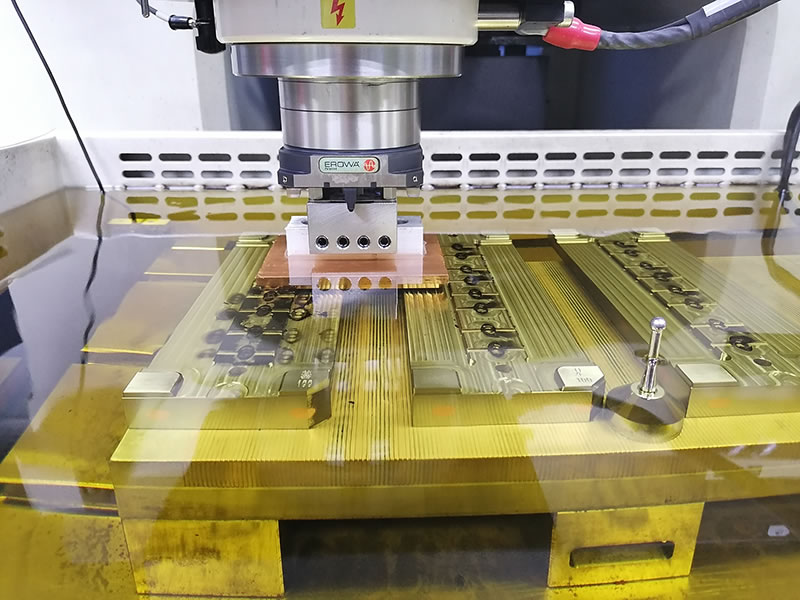
Precision EDM Parts We Manufacture
EDM machining is ideal for metal parts with tight tolerances, hard materials, sharp internal corners, narrow slots, fine profiles, and complex shapes that are difficult to produce with standard CNC milling or turning.
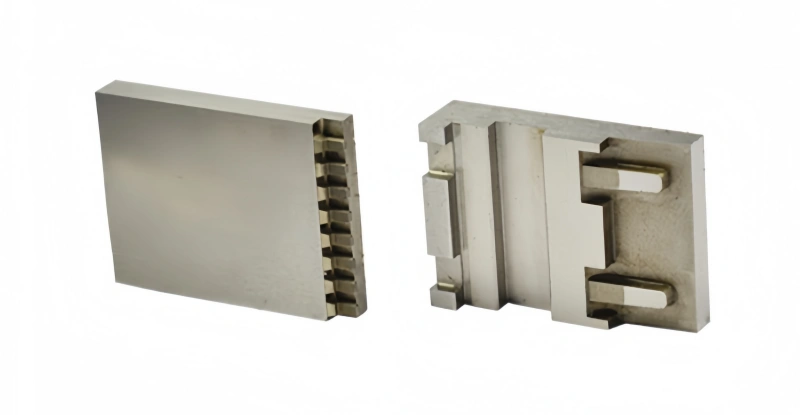
Mold Inserts & Tooling Components
EDM is widely used for mold inserts, cavities, cores, and tooling details where sharp edges, deep features, and hardened steel machining are required.
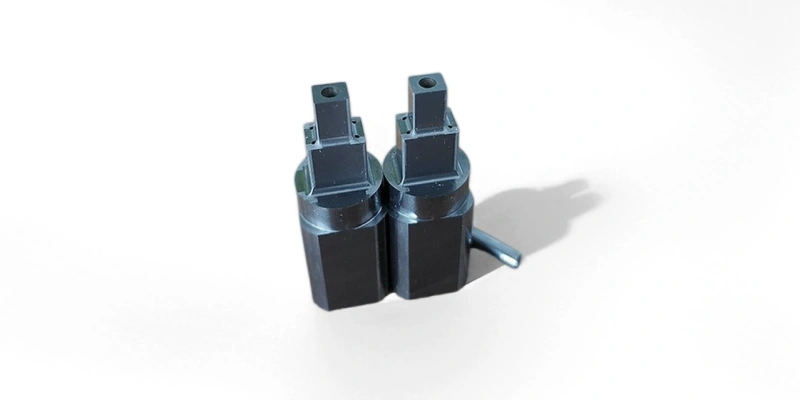
Punch & Die Components
Wire EDM delivers accurate profiles for punches, dies, plates, and precision tooling parts used in stamping, forming, and custom manufacturing.
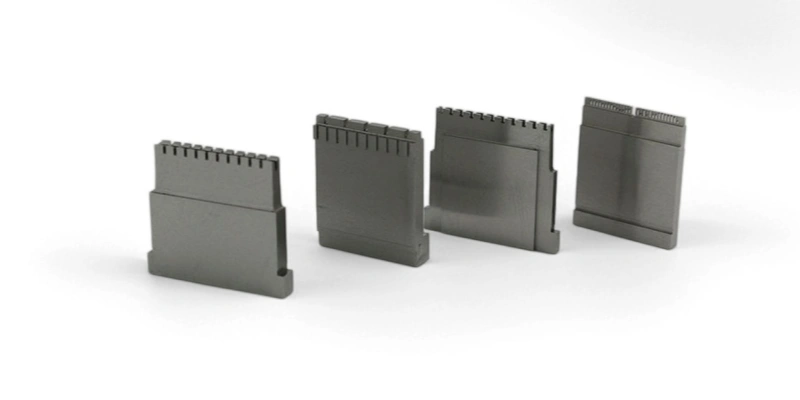
Precision Slots & Narrow Grooves
EDM machining supports narrow slots, thin cuts, fine grooves, and detailed internal features with excellent dimensional stability and low mechanical stress.
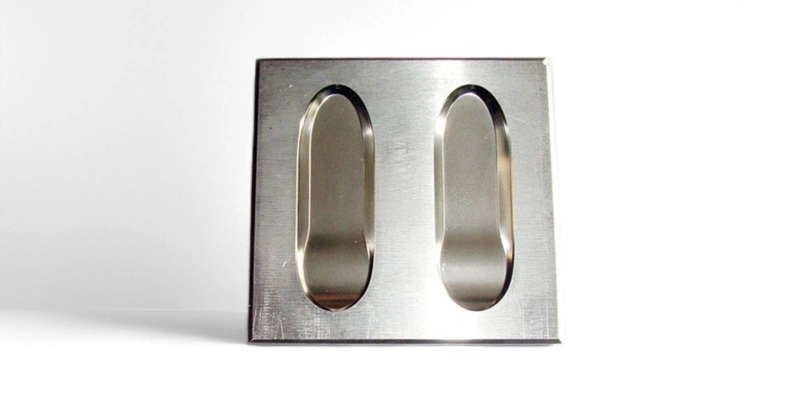
Hardened Steel Parts
EDM is suitable for hardened tool steel and heat-treated metal components, helping reduce tool wear and machining difficulty compared with conventional cutting.
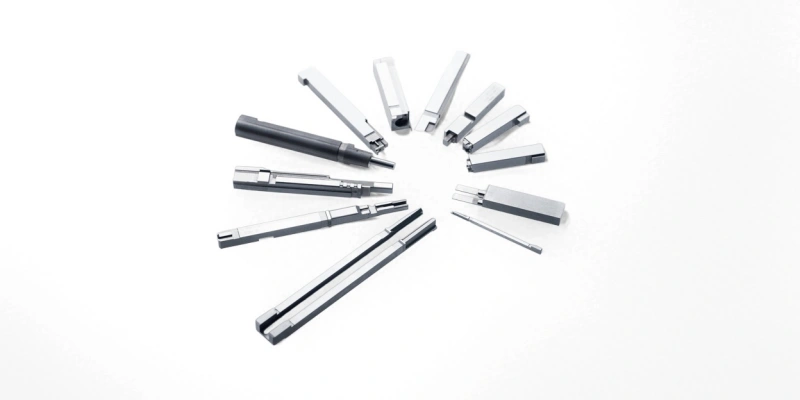
Micro Holes & Fine Features
EDM can create small holes, fine details, and complex conductive metal features for precision instruments, electronics, medical equipment, and custom assemblies.
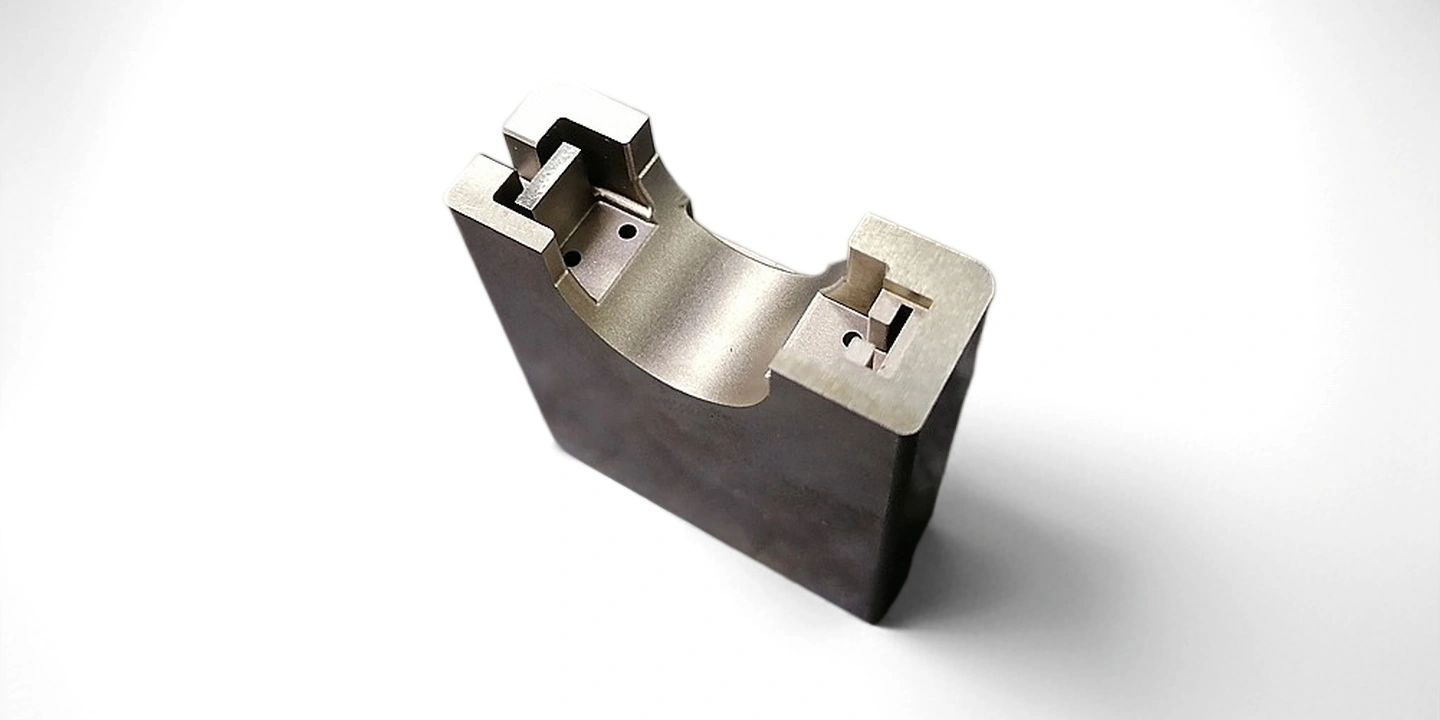
Complex Profile Parts
Wire EDM is ideal for complex outer profiles, internal contours, sharp corners, thin walls, and detailed metal parts requiring accurate repeatability.
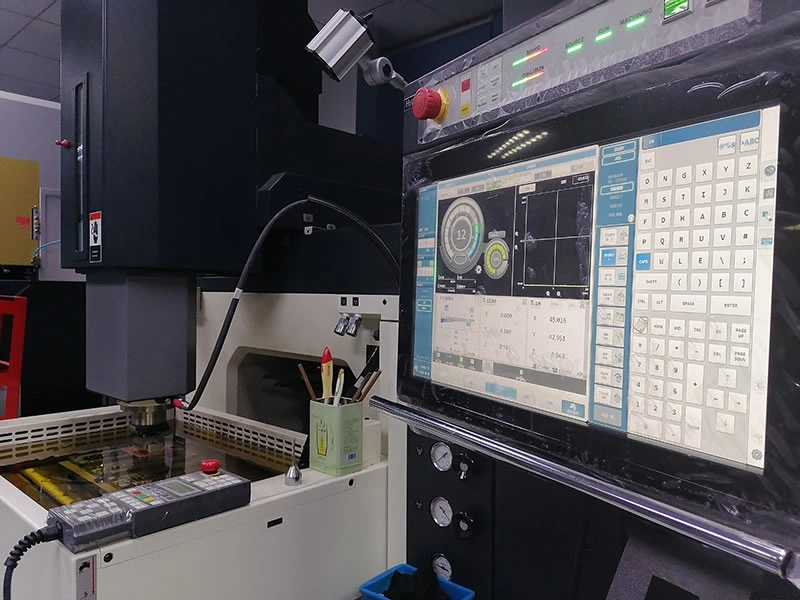
A Precision Process for Hard Materials and Complex Features
EDM machining is a non-contact process used to shape conductive metals with high accuracy, especially for hardened materials, thin walls, and complex geometries.
No Mechanical Cutting Force
Reduces deformation risk on delicate or thin parts.
Ideal for Hardened Metals
Works well after heat treatment.
Excellent for Fine Details
Perfect for slots, corners, and deep cavities.
Wire EDM, Sinker EDM & Hole EDM Support
Different EDM processes are used for different part features. CNCTAL helps customers choose the right machining method based on geometry, material hardness, tolerance, surface requirement, and production quantity.
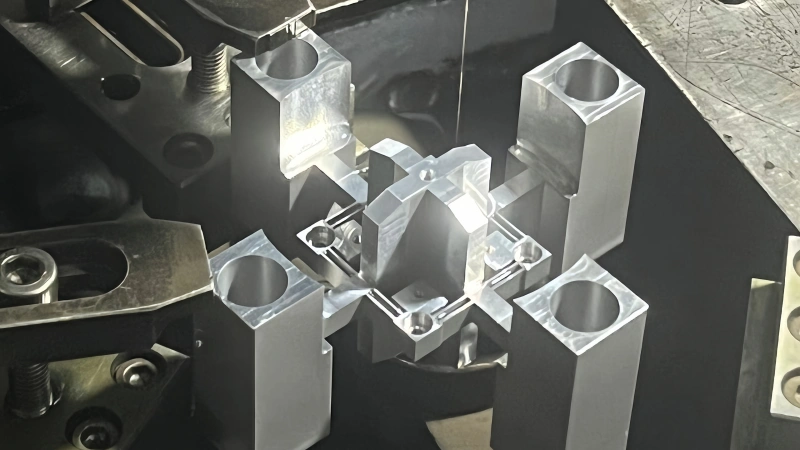
Wire EDM Machining
Wire EDM uses a thin electrically charged wire to cut precise profiles, slots, contours, and complex shapes from conductive metal materials.
- Precision profiles and outer contours
- Narrow slots and fine cut features
- Punches, dies, plates, and tooling parts
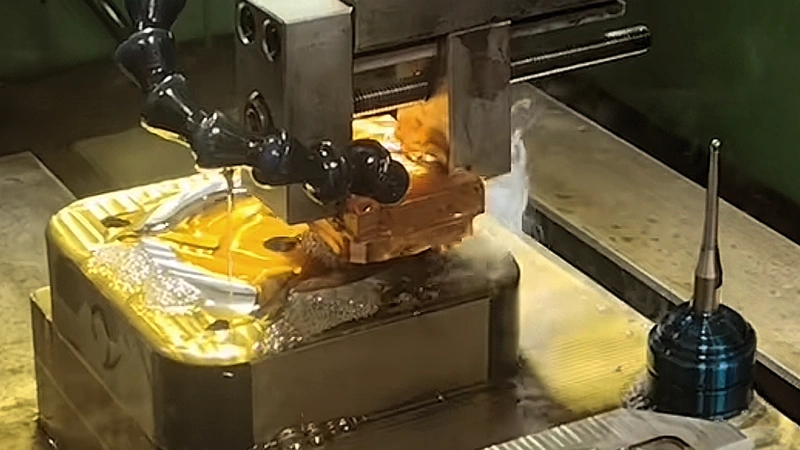
Sinker EDM Machining
Sinker EDM, also called die-sinking EDM, is used to create cavities, deep details, internal shapes, ribs, sharp corners, and complex mold features.
- Mold cavities and inserts
- Deep ribs and internal corners
- Hard steel tooling components
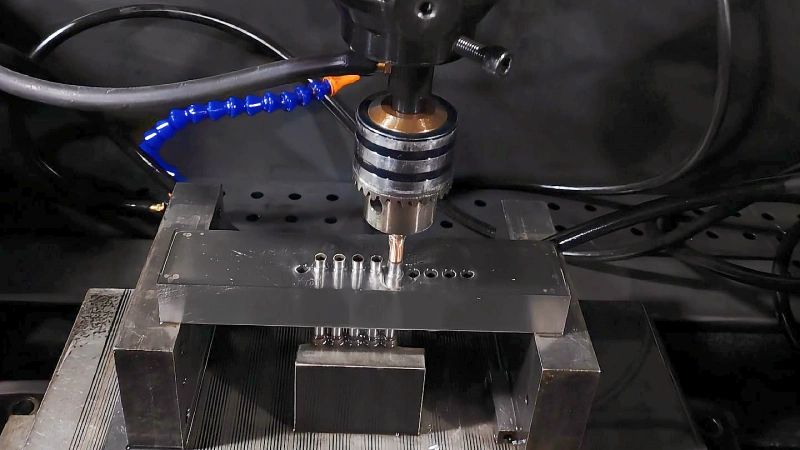
Hole EDM Machining
Hole EDM is suitable for small holes, start holes, deep holes, cooling holes, and fine features in hardened or difficult-to-machine conductive metals.
- Small holes and start holes
- Deep hole machining support
- Precision features in hard materials
Not sure which EDM process is suitable for your part?
Send us your CAD file, drawing, material, tolerance, and quantity. Our engineers can review the geometry and recommend the most efficient CNC + EDM machining solution.
When CNC Cutting Reaches Its Limit, EDM Solves the Problem
EDM machining is a smart choice for hard materials, complex internal features, narrow slots, sharp corners, and precision parts where conventional cutting tools may struggle or create deformation risk.
Designed for difficult-to-machine metal parts
EDM does not depend on cutting force, so it is especially useful for heat-treated steel, thin-wall structures, delicate geometry, deep profiles, and high-precision tooling components.
EDM vs Conventional CNC Machining
CNC machining and EDM are not replacements for each other. For many precision parts, the best solution is to combine CNC milling/turning with EDM finishing or feature cutting.
| Requirement | CNC Machining | EDM Machining |
|---|---|---|
| Hardened steel | More difficult after heat treatment | Excellent for conductive hard metals |
| Sharp internal corners | Limited by tool radius | Better for sharp profiles and corners |
| Narrow slots | Tool access may be limited | Ideal for fine slots and thin cuts |
| Thin or delicate features | Cutting force may cause risk | Non-contact process reduces stress |
| General material removal | Efficient for rough machining | Best for special features |
Hard Material Capability
Suitable for tool steel, stainless steel, titanium, carbide, and other conductive metals.
Sharp Detail Machining
Supports internal corners, narrow grooves, fine profiles, and complex part geometry.
Low Deformation Risk
Non-contact machining helps reduce mechanical stress on thin or delicate features.
One-Stop Production
Combine CNC milling, CNC turning, EDM, surface finishing, and inspection in one workflow.
EDM Machining for Conductive Metals and Hardened Materials
EDM machining is suitable for electrically conductive materials, especially hard metals, heat-treated steel, tooling materials, and precision components that require fine features or tight dimensional control.
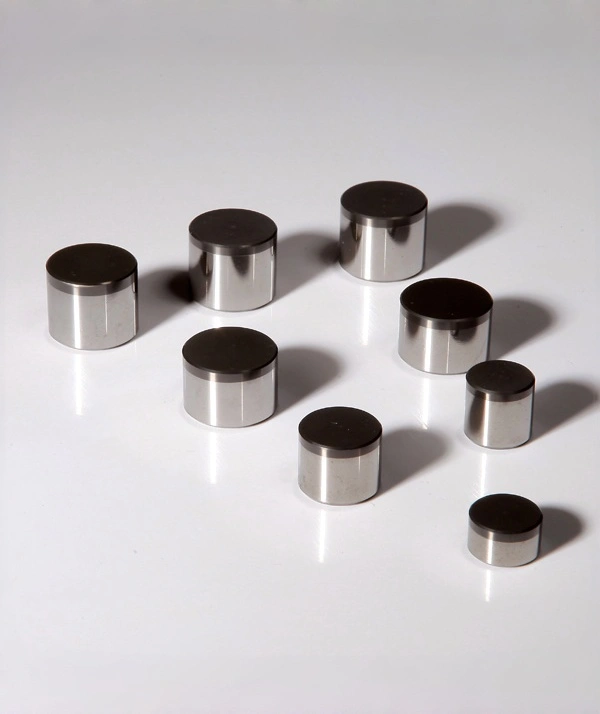
Send your material grade, hardness requirement, drawing, and CAD file for engineering review.
Tool Steel
Common for mold inserts, punches, dies, tooling plates, and heat-treated components, including H13 / 1.2343 and similar tool steel grades.
Stainless Steel
Suitable for precision stainless components requiring fine slots, sharp features, accurate profiles, or post-machining EDM details.
Titanium
EDM can support titanium parts with complex geometry, delicate features, and high-precision profiles for demanding applications.
Carbide
Used for wear-resistant tooling, small precision components, cutting-related parts, and other hard conductive materials.
Aluminum & Brass
EDM is available for conductive non-ferrous metals when sharp profiles, fine details, or low-stress machining are required.
Special Alloys
Support for selected conductive alloys used in aerospace, industrial equipment, automation, molds, and custom precision assemblies.
Need EDM for hardened steel or special alloys?
CNCTAL can combine CNC milling, CNC turning, EDM machining, heat treatment, surface finishing, and inspection for custom metal parts.
Precision EDM Machining with Reliable Inspection Control
For EDM parts, dimensional accuracy, surface finish, edge quality, and material condition must be carefully controlled. CNCTAL supports custom inspection requirements for prototypes, tooling parts, and low-volume production.
EDM Machining Capability Reference
Final tolerance and finish depend on material, geometry, thickness, hardness, and drawing requirements.
| Item | Capability | Typical Use |
|---|---|---|
| General tolerance | ±0.01 mm | Precision profiles, tooling plates, mold components |
| Tight tolerance support | ±0.005 mm | Available after drawing review and process evaluation |
| Surface finish | Ra 0.8–3.2 μm | Depends on EDM process, passes, and finish requirements |
| Material hardness | Heat-treated metals | Tool steel, mold steel, carbide, stainless steel, titanium |
| Feature capability | Slots / profiles / sharp corners | Fine details difficult to machine by standard CNC cutting |
Quality control built around your drawing
We review your CAD file, 2D drawing, material grade, hardness, tolerance, and surface requirements before production to reduce machining risk and improve consistency.
- Drawing & CAD Review Engineer checks geometry, tolerance, material, and EDM feasibility before quotation.
- Process Planning CNC milling, turning, heat treatment, EDM, and finishing steps can be combined.
- Dimensional Inspection Critical features can be checked according to drawing and customer requirements.
- Export Documentation Inspection reports and material-related documentation can be provided when required.
ISO 9001 System
Quality workflow for custom CNC and EDM precision parts.
2D Drawing Control
Critical tolerances are checked based on customer drawings.
Material Verification
Material grade and hardness requirements can be reviewed before machining.
Final Inspection
Dimensional and visual inspection before packing and shipment.
Custom EDM Parts for Demanding Industries
EDM machining is widely used when parts require hard materials, tight tolerances, fine details, sharp corners, or complex profiles. CNCTAL supports custom EDM parts for tooling, aerospace, medical, electronics, automation, and industrial equipment.
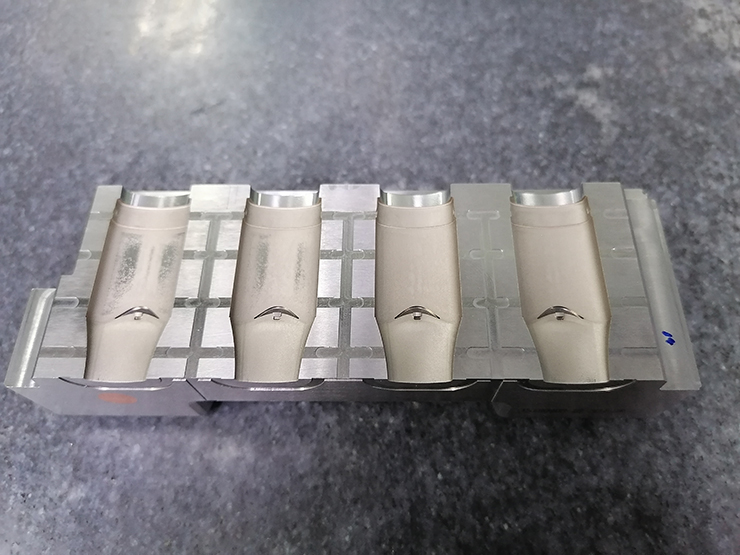
Mold & Die Components
Mold inserts, punches, dies, cavities, cores, tooling plates, sharp corners, and hardened steel mold components.

Aerospace Components
Precision metal parts, lightweight assemblies, titanium components, small holes, profiles, and complex features.
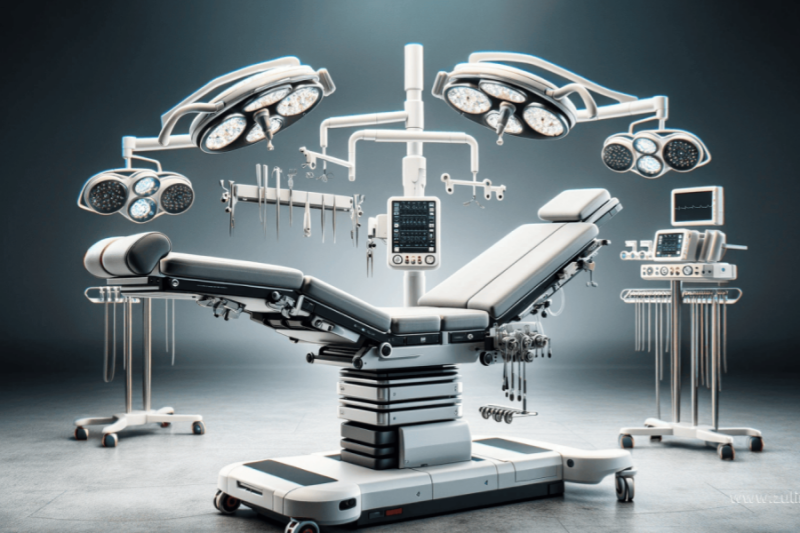
Medical Equipment Parts
Small precision components, fine features, stainless steel parts, instrument parts, fixtures, and custom medical device components.
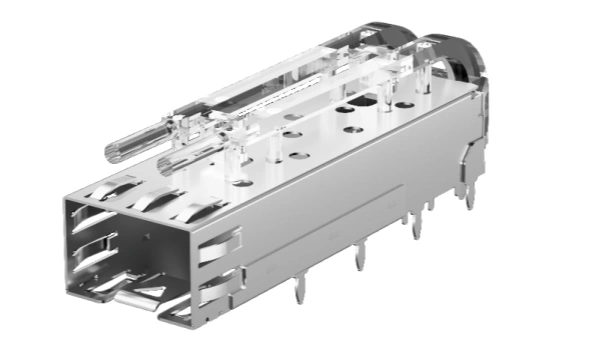
Electronics & Connectors
Fine slots, small conductive parts, connector tooling, micro features, fixtures, and precision electrical component tooling.
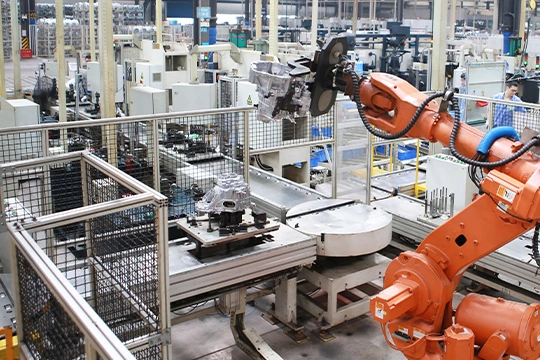
Industrial Equipment
Wear parts, guide blocks, precision plates, custom machine parts, hard metal components, and special tooling.
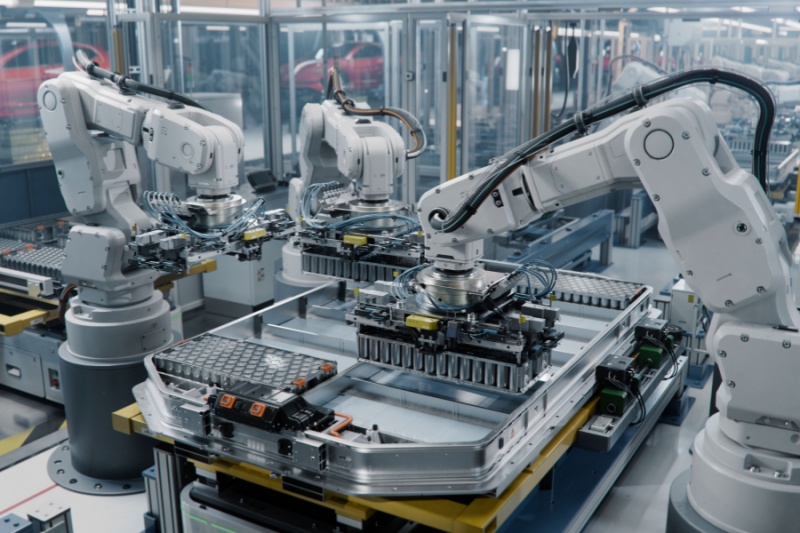
Automation & Robotics
Custom fixtures, gripper parts, sensor mounts, guide components, precision profiles, and small-batch automation parts.
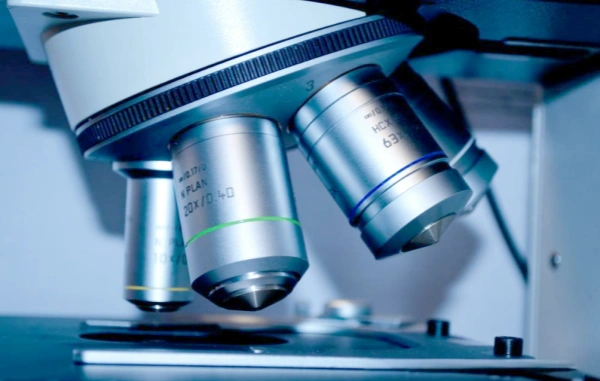
Precision Instruments
Accurate metal parts, detailed profiles, thin features, micro holes, and components requiring stable dimensional control.
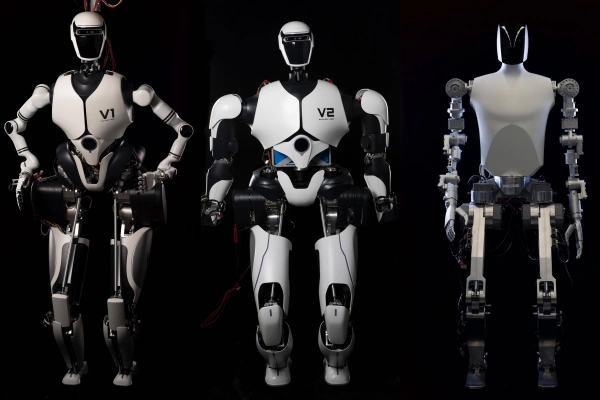
Prototype & Low-Volume Parts
Custom EDM parts for product development, engineering validation, repair components, and low-volume production projects.
Have a complex EDM part for review?
Send your CAD file, 2D drawing, material grade, hardness, tolerance, surface finish, and quantity. Our engineers will review the part and suggest a suitable CNC + EDM process.
How It Works
We make the CNC machining process simple and clear. From your initial drawing submission to final delivery, CNCTAL provides responsive support to help you move your project forward efficiently.
Send Your Drawing
Share your 2D drawing, 3D file, material requirement, quantity, and any surface finish or tolerance details.
Review & Quotation
We review your project requirements and provide a quotation with lead time, machining process, and production details.
Order Confirmation
After confirming pricing and specifications, we arrange production based on your approved drawings and requirements.
Production & Inspection
Parts are machined according to the agreed process and inspected to help ensure dimensional accuracy and surface quality.
Packaging & Delivery
Finished parts are packed carefully and shipped to your address with support for international delivery.
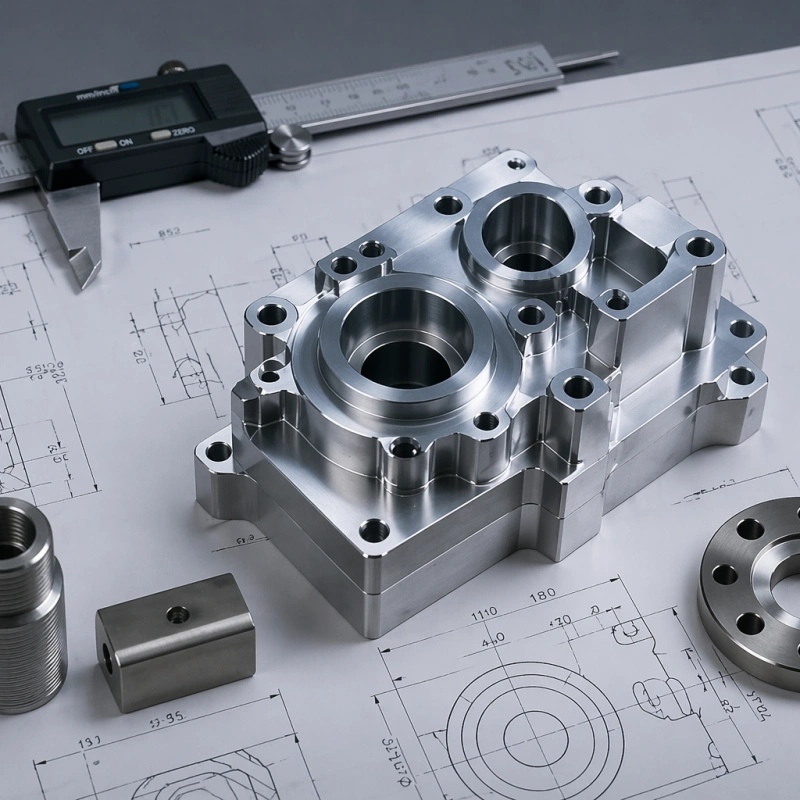
Tolerances up to ±0.01 mm
Get a Faster & More Accurate Quote
Providing complete project information helps our engineers review your design faster, reduce repeated communication, and prepare a more accurate quotation for your CNC parts.
Frequently Asked Questions About EDM Machining
Below are common questions about wire EDM, sinker EDM, materials, tolerances, and when to choose EDM instead of conventional CNC machining.
Need a quick EDM feasibility review?
Send us your CAD file, 2D drawing, material grade, hardness, tolerance, surface finish, and quantity. Our engineers will help review the best process.
Request EDM QuoteWhat is EDM machining used for?
EDM machining is used for hard metals, mold components, tooling parts, narrow slots, sharp internal corners, fine profiles, small holes, and complex features that are difficult to machine with standard cutting tools.
What materials can be machined by EDM?
EDM is suitable for electrically conductive materials, including tool steel, stainless steel, titanium, carbide, aluminum, brass, copper, and selected special alloys.
Is EDM better than CNC machining?
EDM is not always better than CNC machining. CNC is efficient for general material removal, while EDM is better for hard materials, sharp internal corners, narrow slots, deep details, and features where cutting force may cause deformation.
What tolerance can EDM machining achieve?
Typical EDM tolerance can reach ±0.01 mm, and tighter tolerance such as ±0.005 mm may be possible after reviewing part geometry, material, thickness, hardness, and drawing requirements.
What is the difference between wire EDM and sinker EDM?
Wire EDM uses a thin wire to cut profiles, slots, and contours. Sinker EDM uses a shaped electrode to create cavities, deep features, ribs, and internal shapes, often used in mold and tooling applications.
When should I choose EDM instead of milling?
EDM is recommended when the part requires sharp internal corners, very narrow slots, hard heat-treated materials, delicate thin features, deep profiles, or complex shapes that standard milling tools cannot easily access.
Can CNCTAL provide CNC and EDM machining together?
Yes. CNCTAL supports CNC milling, CNC turning, EDM machining, surface finishing, and inspection, making it easier to complete complex custom metal parts through one coordinated manufacturing workflow.