

Medical Device Components CNC Machining Case Study
Precision CNC machined components for medical equipment, diagnostic devices, laboratory instruments, monitoring systems and healthcare technology applications.
- Medical equipment housings and structural parts
- Aluminum, stainless steel, PEEK and engineering plastics
- Precision machining with clean surface finishing
- Prototype to volume production support
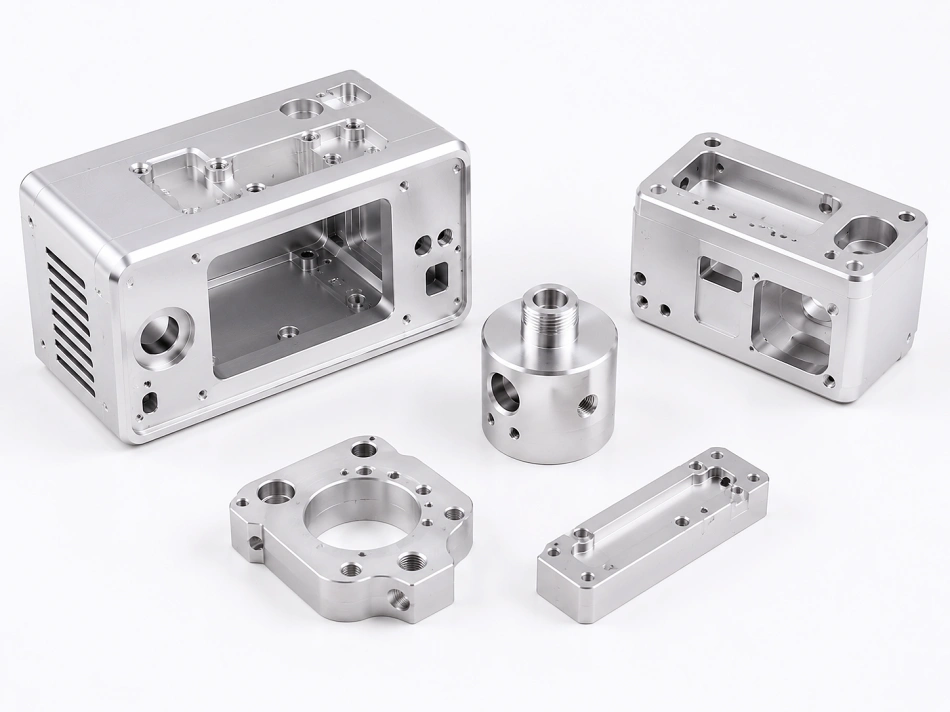
Precision Components for Medical Equipment Applications
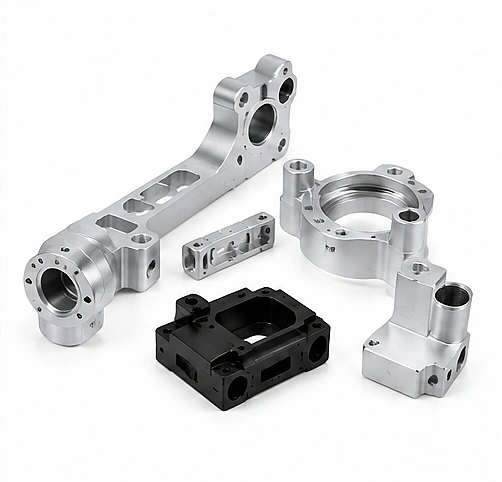
This case study focuses on CNC machined components used in medical equipment, diagnostic devices, laboratory instruments and monitoring systems. The project required stable dimensional accuracy, clean surface quality, reliable assembly fit and consistent production control.
Components for diagnostic devices, laboratory instruments, monitoring equipment and healthcare technology systems.
Common material choices for lightweight housings, corrosion-resistant parts and precision structural components.
Tight tolerances, smooth edges, clean surfaces and reliable fit for device assembly.
Flexible CNC manufacturing support for design validation, pilot runs and repeat orders.
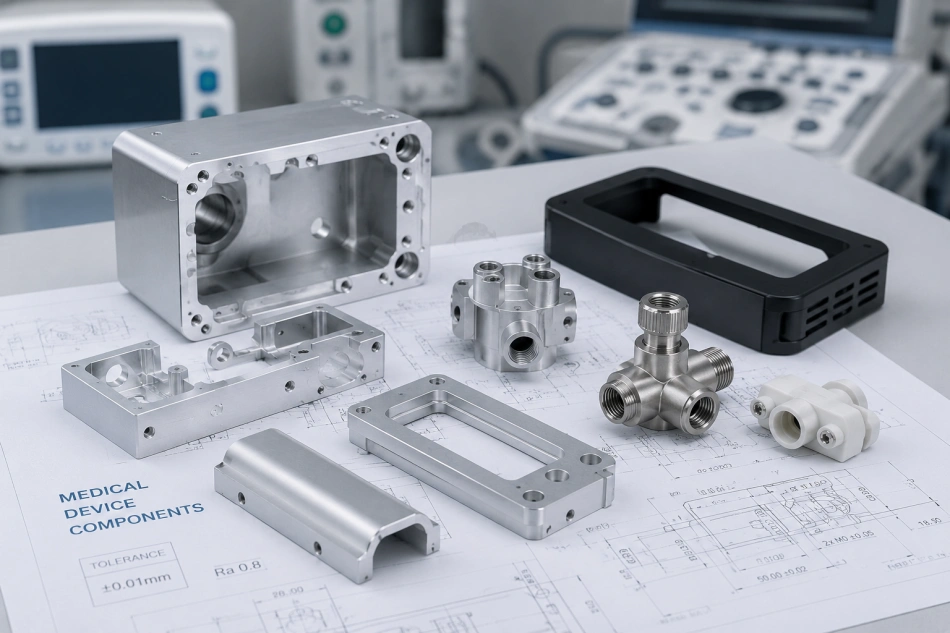
Reliable Machining for Medical Equipment Components
The customer needed precision machined components for a medical equipment assembly. The parts required tight dimensional control, clean surfaces, smooth edges, stable repeatability and reliable fit with other mechanical and electronic modules.
- Tight Tolerance Requirements Critical mounting holes, mating surfaces and assembly features needed accurate machining to support reliable device performance.
- Clean Cosmetic Surfaces Visible medical equipment components required neat surface finishing, smooth edges and consistent appearance after machining.
- Complex Part Geometry The components included pockets, slots, threaded holes, thin walls and multi-side features that required controlled CNC machining.
- Repeatable Production Quality From prototype to low-volume production, every batch needed stable dimensions, consistent finishing and inspection before shipment.
How CNCTAL Manufactured the Medical Device Components
To meet precision, appearance and repeatability requirements, the components were produced through a controlled CNC machining and inspection workflow.
CNC Milling
Multi-axis CNC milling was used to machine complex geometries, mounting surfaces, pockets, slots and critical assembly features.
CNC Turning
Precision turned components such as shafts, bushings, adapters and cylindrical medical equipment parts were produced accurately.
Fine Surface Finishing
Deburring, polishing, bead blasting and anodizing were applied to achieve clean surfaces and professional appearance.
Precision Inspection
Critical dimensions were verified using calibrated inspection equipment to ensure compliance with customer drawings.
Material Traceability
Raw material records and inspection documentation help maintain consistency and quality throughout production.
Controlled Production
From prototypes to repeat orders, machining parameters and inspection standards were maintained for stable quality.
Through precision CNC machining, controlled finishing processes and dimensional verification, CNCTAL delivered medical equipment components ready for assembly, testing and deployment in healthcare technology applications.
Typical Medical Components We Manufacture
CNCTAL manufactures precision CNC machined components for diagnostic equipment, laboratory instruments, monitoring systems and healthcare technology applications.
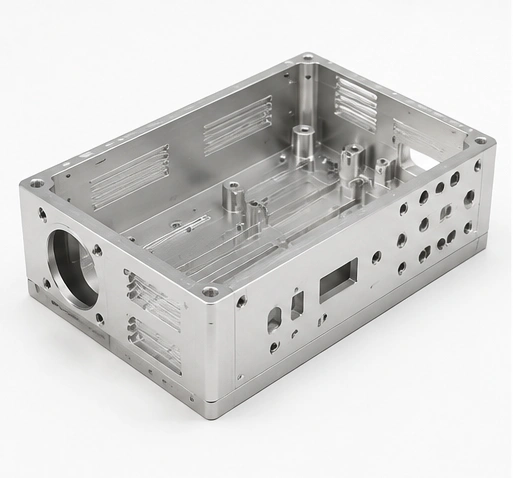
Diagnostic Equipment Housing
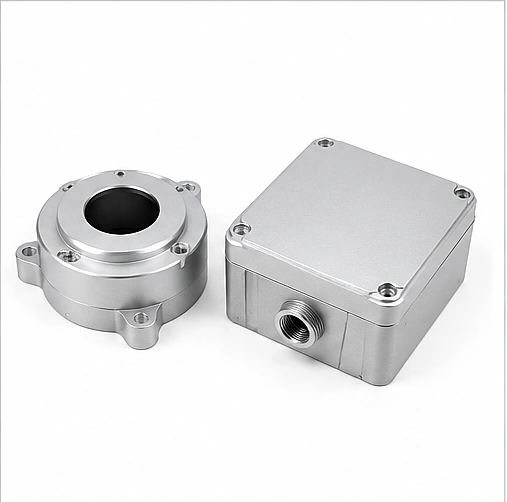
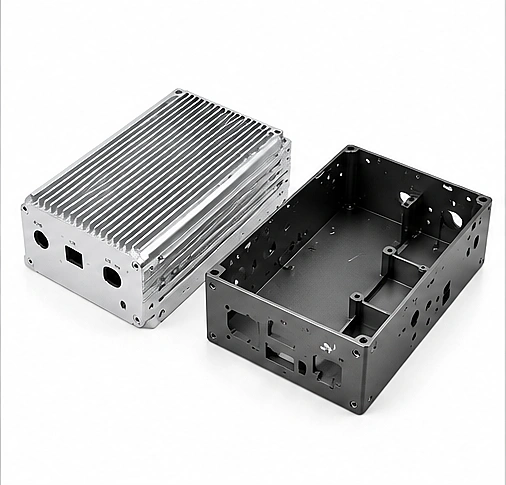
Precision machined aluminum housings for testing, imaging and diagnostic medical equipment requiring dimensional stability and clean appearance.
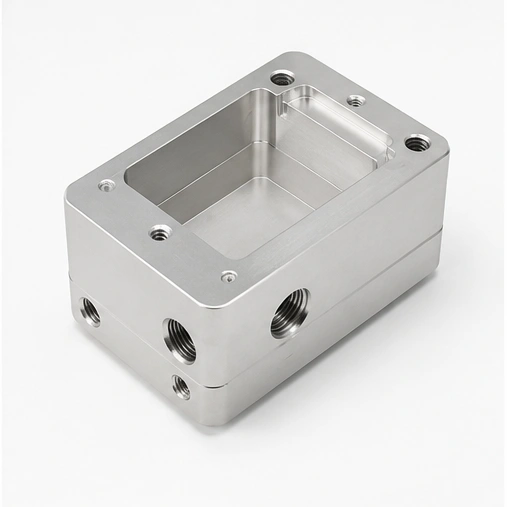
Medical Sensor Housing
Compact machined housings for sensing devices, measurement modules and precision healthcare monitoring equipment.
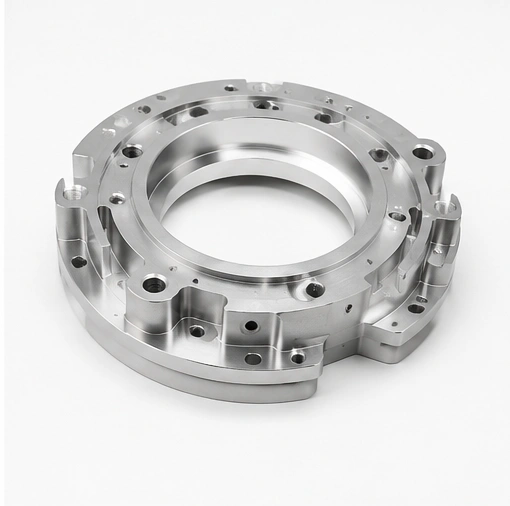
Imaging Equipment Components
Structural and precision machined components used in medical imaging systems where accuracy and repeatability are essential.
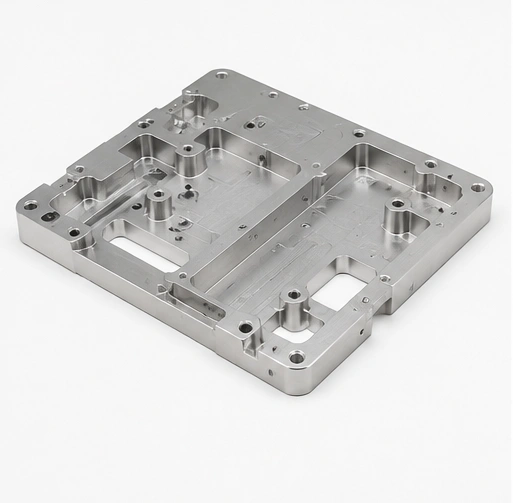
Laboratory Instrument Parts
CNC machined brackets, housings and functional parts designed for analytical instruments and laboratory automation systems.
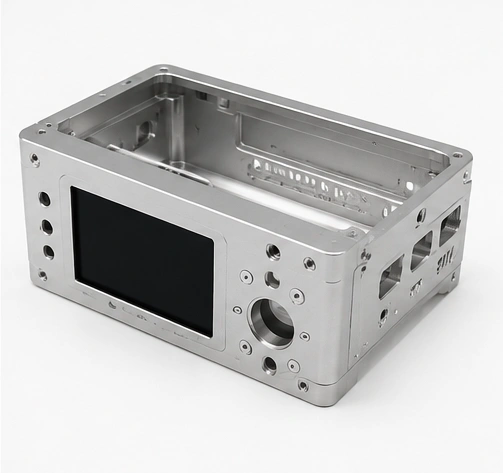
Monitoring Device Enclosure
Custom enclosures for monitoring systems requiring clean design, reliable assembly and durable surface finishing.
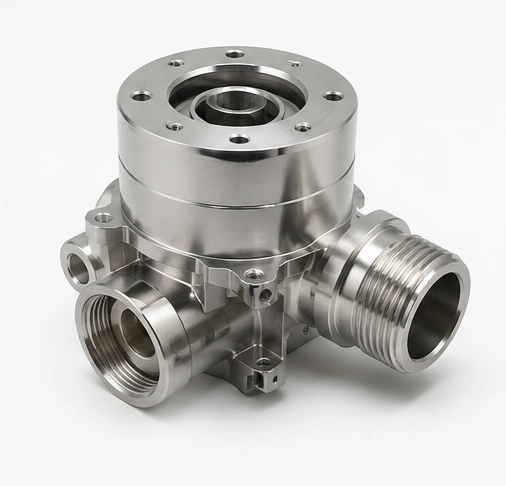
Fluid Control Components
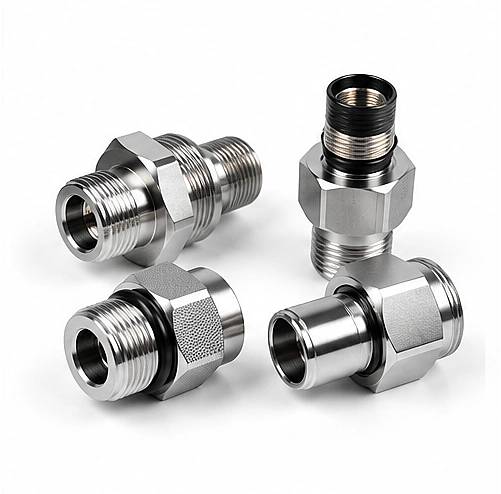
Precision machined valves, connectors and fluid handling components used in laboratory and medical equipment systems.
Materials for Medical Device Components
CNCTAL machines a range of metals and engineering plastics for medical equipment, diagnostic devices, laboratory instruments and healthcare technology components.
A common choice for medical equipment housings, brackets and structural parts requiring good machinability and surface finishing.
- Excellent CNC machinability
- Suitable for anodizing
- Lightweight and stable
- Ideal for equipment housings
Used for stronger structural components where high strength-to-weight ratio and dimensional stability are required.
- High mechanical strength
- Good precision machining
- Stable structural performance
- Suitable for load-bearing parts
Suitable for corrosion-resistant medical equipment parts, brackets, adapters and precision mechanical components.
- Good corrosion resistance
- Strong and durable
- Clean surface appearance
- Used in equipment assemblies
Often selected for medical and laboratory equipment components exposed to cleaning, moisture or demanding operating environments.
- Excellent corrosion resistance
- Suitable for harsh environments
- Reliable long-term durability
- Precision CNC machining support
A high-performance engineering plastic used for precision components requiring strength, chemical resistance and dimensional stability.
- High temperature resistance
- Excellent chemical resistance
- Low moisture absorption
- Lightweight alternative to metal
Suitable for sliding parts, guides, small mechanical components and precision plastic parts used in medical equipment assemblies.
- Low friction performance
- Good dimensional stability
- Easy to machine
- Suitable for moving parts
Why CNC Machining Is Ideal for Medical Device Components
CNC machining provides the precision, material flexibility and production control needed for medical equipment housings, diagnostic device parts, laboratory instrument components and healthcare technology assemblies.
High Precision
CNC machining supports accurate holes, pockets, slots, mating surfaces and assembly features required for medical equipment components.
Excellent Surface Finish
Machined parts can be deburred, polished, bead blasted, anodized or passivated to achieve clean and professional surface quality.
Consistent Quality
Controlled machining programs and inspection procedures help maintain repeatable dimensions from prototype samples to repeat production orders.
Fast Prototyping
Medical equipment prototypes can be machined directly from CAD files without tooling, helping accelerate product development and testing.
Complex Features
CNC milling and turning can produce complex geometry, internal pockets, threaded holes, thin walls and multi-side machining features.
Small Batch Production
CNC machining is suitable for prototype, pilot run and low-volume production without expensive molds or long tooling lead times.
Suitable for Non-Implant Medical Equipment Parts
CNCTAL focuses on precision CNC machined parts for medical equipment and healthcare technology applications, including housings, brackets, adapters, sensor components, fluid control parts and mechanical assemblies.
Common CNC Machining Benefits
- No mold cost for early-stage product validation
- Flexible material selection for metals and plastics
- Accurate assembly fit for mechanical and electronic modules
- Clean finishing options for visible equipment components
- Scalable from prototype samples to repeat production
Precision Components Ready for Medical Equipment Assembly
Through controlled CNC machining, dimensional verification and surface finishing, CNCTAL delivered medical device components with stable quality, accurate assembly fit and reliable production consistency.
- Accelerated prototype development without tooling investment
- Improved assembly consistency for mechanical and electronic modules
- Clean cosmetic surfaces suitable for visible medical equipment parts
- Reliable dimensional control for precision device assemblies
- Flexible support from prototype validation to low-volume production
Components manufactured for medical equipment, diagnostic devices, laboratory instruments and healthcare technology applications.
Tight tolerance machining support for critical holes, mounting surfaces and assembly features.
Dimensional and visual inspections performed before delivery to help ensure drawing compliance.
Supporting customers across Europe, North America and global medical equipment manufacturing markets.
Explore Similar CNC Machining Projects
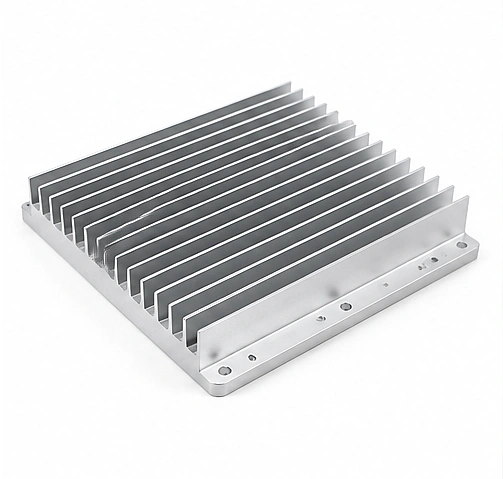
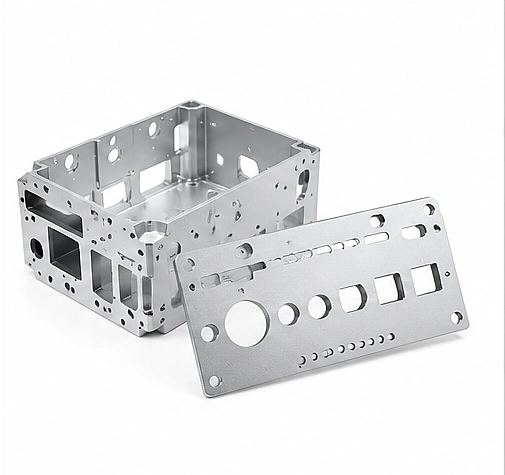
Discover additional industry and product case studies related to electronic housings, automation equipment, sensors and precision machined components.
Medical Device Components CNC Machining FAQs
Common questions about CNC machining for medical equipment components, diagnostic device parts and healthcare technology applications.
What materials are commonly used for medical device components?
Can CNC machining achieve tight tolerances for medical equipment parts?
Do you support medical equipment prototypes and low-volume production?
What surface finishing options are available?
Can you provide inspection reports with shipped parts?
Do you manufacture implantable medical devices?
Need Precision Medical Device Components?
Upload your CAD files, drawings or specifications and receive engineering feedback, manufacturability recommendations and a quotation within 24 hours.