
Small Batch CNC Prototyping: The Survival Guide to Avoid Costly Mistakes
One-piece minimum order and fast CNC delivery sound simple. But if your prototype files, tolerances, materials, or expectations are not prepared correctly, a “quick CNC sample” can quickly become expensive, delayed, or impossible to assemble.
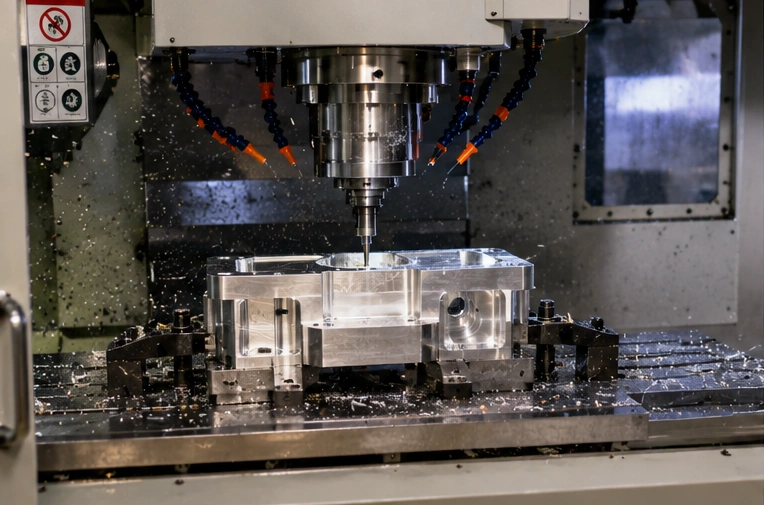
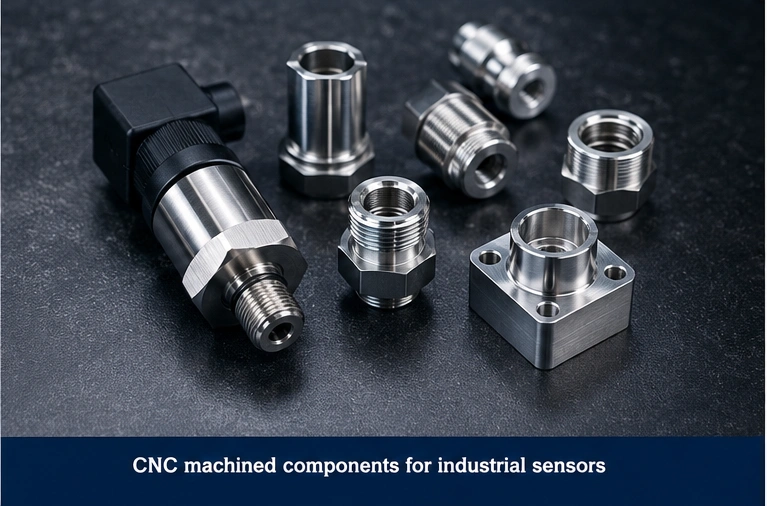
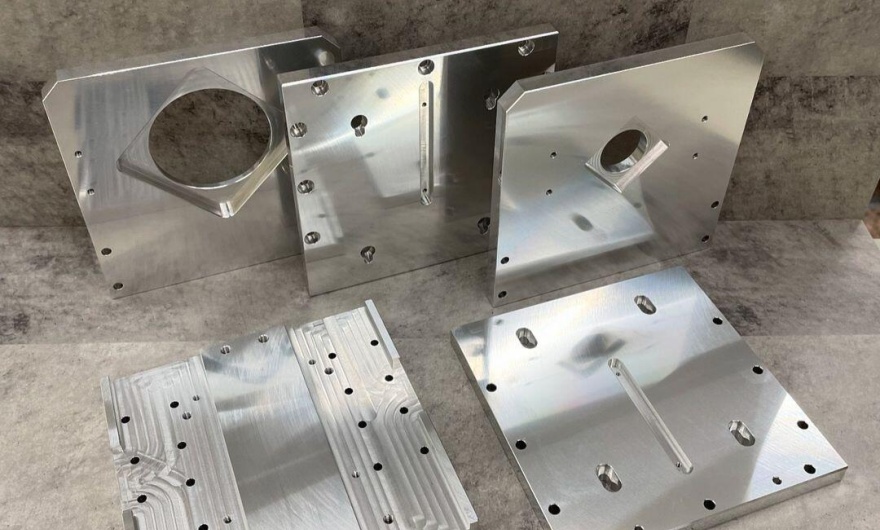
Small batch CNC prototyping helps engineers test real metal and plastic parts before moving into production.
Prototype CNC machining sounds easy.
Upload a STEP file. Get a quote. Machine one piece. Test the part. Done.
At least, that is what many engineers, startups, and purchasing teams expect.
Reality is usually more complicated. A “simple” CNC prototype can quickly turn into a quote that is much higher than expected, endless engineering questions, delayed delivery, or beautiful-looking parts that do not assemble properly.
The painful truth is this:
When you order one-off CNC parts or low-volume CNC prototypes, the priorities are different. Programming strategy changes. Fixturing changes. Inspection strategy changes. Risk changes.
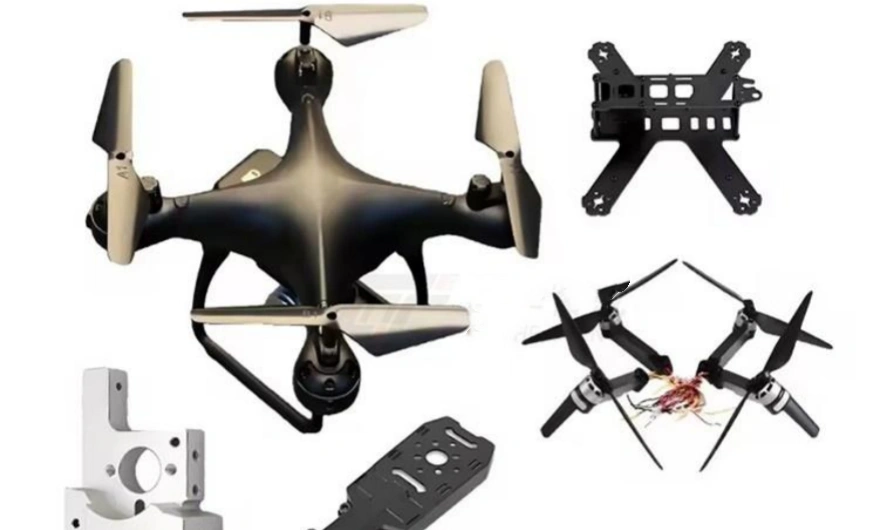
If you are developing robotics components, automation equipment, UAV hardware, medical device parts, precision instruments, or startup products, this guide can help you avoid common CNC prototyping mistakes.
Mistake #1: Treating Prototype CNC Machining Like Mass Production
This is probably the most common problem.
Many customers send a drawing designed for 10,000 units and expect the same logic to work for one-piece CNC machining. It usually does not.
Mass production focuses on optimized cycle time, fixture efficiency, repeatability, and unit cost reduction. Prototype machining focuses on something different:
- Speed
- Flexibility
- Manufacturability
- Engineering verification
- Design feedback
Sometimes the best prototype process is not the lowest-cost production process. And that is okay.
Because your first goal is usually not to reduce every cent of production cost. Your first goal is to answer a much more important question:
Mistake #2: Chasing the Lowest Quote for One-Off CNC Parts
Everyone compares prototype quotes. There is nothing wrong with that.
But if one supplier is dramatically cheaper than everyone else, you should ask why.
In low-volume CNC machining, big price differences often come from:
- Incomplete drawing review
- Ignored tolerance requirements
- Missing surface finish details
- Hidden setup costs
- Underestimated machining time
- No real quality inspection plan
Cheap prototype machining can become very expensive after remakes, redesign cycles, assembly failures, or missed project deadlines.
The right question is not only:
“Who is the cheapest?”
The better question is:
“Who actually understands prototype CNC manufacturing?”
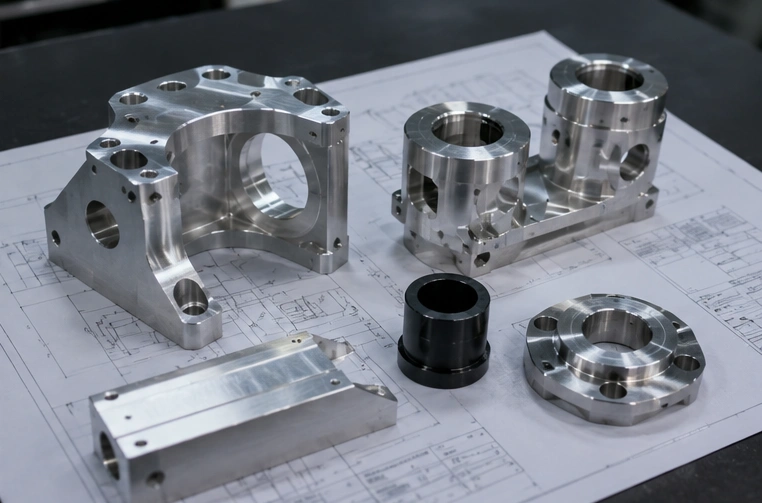
For small batch CNC parts, setup strategy and manufacturability review are often more important than cycle time.
Mistake #3: Sending Files That Are Not Ready for CNC Prototyping
Fast delivery starts with clear engineering information.
Many prototype RFQs arrive with screenshots instead of drawings, incomplete dimensions, no tolerance information, no material specification, or no STEP file.
Then the customer asks for a 24-hour quotation.
That is difficult.
A supplier can respond quickly only when the manufacturing information is clear enough to quote and review.
Recommended RFQ Package for CNC Prototypes
- STEP / STP 3D file
- 2D drawing for critical dimensions
- Material requirement
- Surface finish requirement
- Quantity
- Target lead time
- Critical dimensions or assembly notes
Good RFQ input usually means faster quoting, fewer questions, shorter lead time, and fewer misunderstandings.
Mistake #4: Over-Engineering Prototype Tolerances
This mistake quietly destroys prototype budgets.
Many early-stage prototype drawings request extremely tight tolerances on non-critical cosmetic features. Sometimes we see aerospace-level GD&T applied to parts that are still in the first design validation stage.
That is not always good engineering.
Prototype parts are usually for learning, testing, validation, and iteration. Not every surface needs micron-level perfection.
Overly tight tolerances increase:
- Machining cost
- Setup complexity
- Inspection time
- Scrap risk
- Lead time
A smarter approach is to apply precision only where function actually demands it, and relax tolerance where it does not affect assembly or performance.
Fast CNC Delivery Is Not Magic — It Is Manufacturing Strategy
Everyone wants rapid CNC prototypes.
Three days. Forty-eight hours. Sometimes even faster.
It can be possible, but fast CNC delivery is not achieved by pushing a magic button. It depends on design simplicity, available material, machine scheduling, programming efficiency, and communication speed.
Design Simplicity
Complex deep pockets, thin walls, tight internal corners, difficult undercuts, and unnecessary cosmetic features slow down production.
Material Availability
Aluminum 6061 is usually easy to source and fast to machine. Stainless steel, titanium, copper, or special plastics may require longer preparation.
Supplier Capability
A prototype-focused CNC supplier usually has flexible machine scheduling, quick programming workflow, practical inspection methods, and experience handling low MOQ projects.
Communication Speed
One unanswered engineering question can delay the whole project. Fast delivery requires fast decisions from both sides.
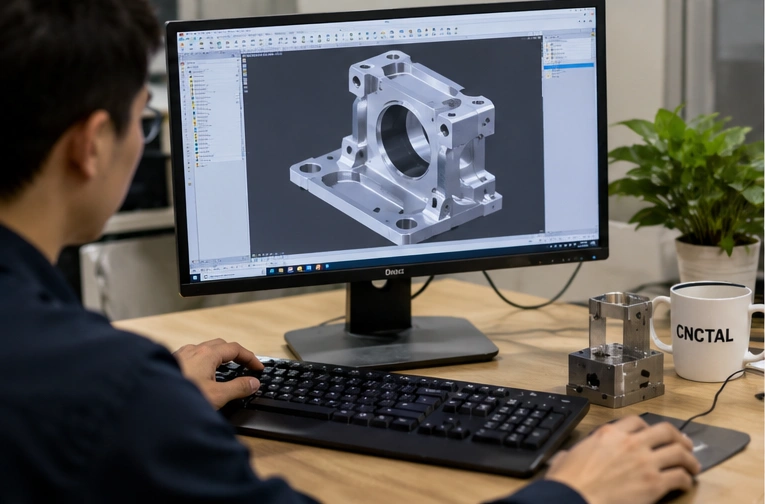
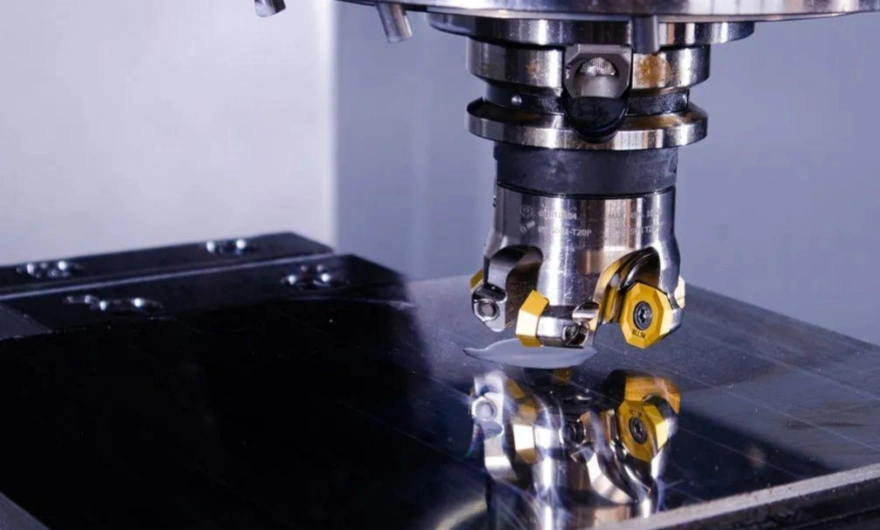
Fast CNC prototyping depends on clear files, available materials, practical tolerances, and quick engineering communication.
Why One Piece MOQ Matters
Traditional manufacturing often dislikes tiny quantities.
Setup time is expensive. Programming takes time. Inspection takes time. Whether you order one part or one hundred parts, some costs are still there.
That is why many suppliers prefer higher MOQs.
But modern prototype CNC manufacturing increasingly supports one piece minimum order. This is important for hardware startups, robotics teams, university R&D projects, automation development, product validation programs, and custom industrial equipment.
Sometimes you do not need 100 parts.
You need one part — quickly — to test an idea.
Choosing the Right Material for CNC Prototypes
Material selection can make or break your prototype schedule.
Aluminum 6061
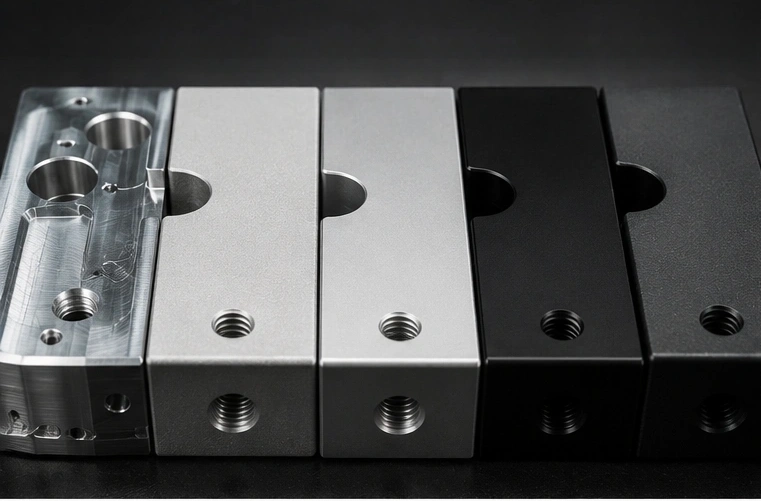
Aluminum 6061 is one of the best materials for rapid CNC prototyping. It machines quickly, has good strength, offers stable performance, and is widely available.
Stainless Steel 304 / 316
Stainless steel is strong and corrosion resistant, but it usually costs more to machine and may require longer cycle time compared with aluminum.
POM / Delrin
POM is a strong engineering plastic for functional prototypes. It offers good machinability, dimensional stability, and wear resistance.
ABS, Acrylic, Nylon, and Other Plastics
Plastic CNC machining is useful for lightweight prototypes, enclosures, covers, and functional test parts. However, plastics behave differently from metals and may require more practical tolerance expectations.
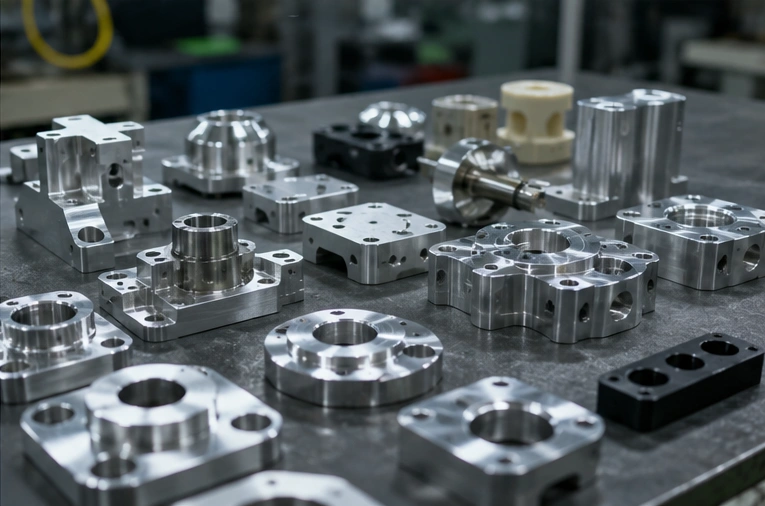
Material choice affects cost, lead time, dimensional stability, and prototype performance.
The Best CNC Prototype Suppliers Do More Than Machine Parts
A good CNC supplier does not simply cut metal.
They review drawings, challenge risky features, identify manufacturability problems, ask the right engineering questions, and recommend smarter machining approaches.
Sometimes the most valuable feedback is not the finished part itself. It is the message that says:
That kind of discussion can save an entire prototype cycle.
Final Thoughts: CNC Prototyping Should Reduce Risk — Not Create More of It
Small batch CNC prototyping is not just about buying metal parts.
It is about reducing engineering uncertainty.
A successful CNC prototype strategy balances one-piece MOQ flexibility, fast delivery, realistic tolerances, manufacturable design, practical materials, and clear communication.
Because the best prototype is not always the most complicated part.
It is the part that helps your team make the next engineering decision faster.
Need One-Off CNC Parts or Low Volume CNC Prototypes?
CNCTAL supports one-piece MOQ, fast CNC prototyping, CNC milling, CNC turning, aluminum parts, stainless steel components, brass parts, and engineering plastic prototypes.
Send us your STEP file or 2D drawing. Our engineering team can review your project for manufacturability, lead time, tolerance control, and cost optimization.
Upload CAD for QuoteFrequently Asked Questions About Small Batch CNC Prototyping
What is small batch CNC prototyping?
Small batch CNC prototyping refers to manufacturing low quantities of CNC machined parts, often from one piece to small production runs, for testing, validation, engineering development, or product iteration.
Can CNC machining support one-piece minimum order?
Yes. Prototype-focused CNC suppliers can support one-piece minimum order for product development, R&D projects, startup hardware, robotics components, automation parts, and engineering validation projects.
How fast can CNC prototype parts be delivered?
Fast CNC prototype delivery depends on material availability, part complexity, machining workload, tolerance requirements, surface finishing, and engineering communication. Some simple prototype projects can ship within a few days under optimized conditions.
What files are needed for a CNC prototyping quotation?
A complete CNC prototype RFQ usually includes a STEP or STP file, a 2D drawing for critical dimensions, material specification, surface finish requirements, quantity, target lead time, and any important assembly notes.
What materials are commonly used for CNC prototypes?
Common CNC prototype materials include Aluminum 6061, Stainless Steel 304/316, Brass, Copper, POM/Delrin, ABS, Acrylic, Nylon, PEEK, and other engineering plastics depending on application requirements.