
Materials Guide
304 vs 316 Stainless Steel for CNC Machining: Which One Should You Choose?
304 and 316 stainless steel are two of the most common materials used for precision CNC machined parts. Both offer strength, corrosion resistance, and a clean surface finish, but they are not always interchangeable.
Why Material Selection Matters
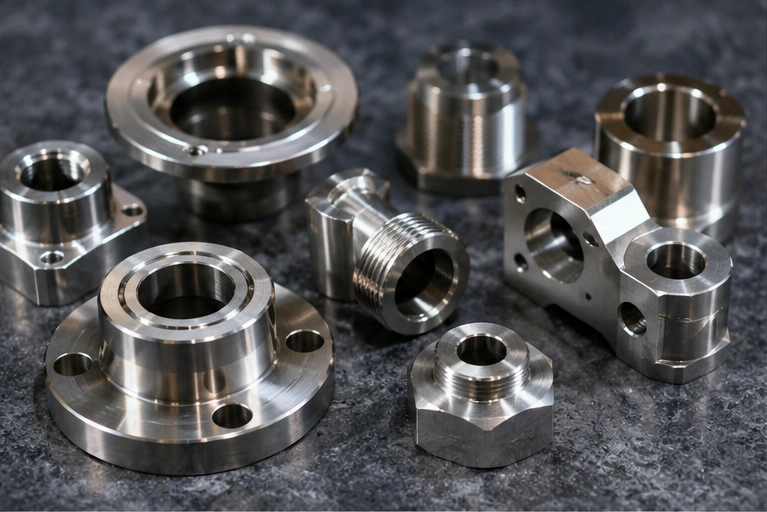
Stainless steel is widely used in CNC machining because it offers a strong balance of mechanical strength, corrosion resistance, and long service life. For many engineers and purchasing teams, the first question is often: should this part be made from 304 or 316 stainless steel?
At first glance, both grades look similar. They can both be CNC milled, CNC turned, polished, passivated, and used for industrial components. However, the working environment, corrosion risk, cost target, and machining complexity can make one grade a better choice than the other.
What Is 304 Stainless Steel?
304 stainless steel is one of the most commonly used austenitic stainless steels. It contains chromium and nickel, giving it good corrosion resistance and a clean metallic appearance.
In CNC machining, 304 is often selected for general industrial parts, brackets, shafts, housings, fixtures, food equipment components, and decorative metal parts. It is a practical choice when the part does not need to work in highly corrosive or saltwater environments.
What Is 316 Stainless Steel?
316 stainless steel is also an austenitic stainless steel, but it includes molybdenum. This improves its resistance to chlorides, saltwater, and aggressive chemical environments.
Because of this, 316 is commonly used for marine hardware, medical equipment, pharmaceutical machinery, chemical processing parts, outdoor systems, and food equipment exposed to stronger cleaning agents.
304 vs 316 Stainless Steel: Main Differences
| Property | 304 Stainless Steel | 316 Stainless Steel |
|---|---|---|
| Corrosion Resistance | Very good | Excellent |
| Saltwater Resistance | Moderate | Excellent |
| Chloride Resistance | Limited | Strong |
| Machinability | Generally easier | Slightly more difficult |
| Material Cost | Lower | Higher |
| Typical Use | General industrial parts | Marine, medical, chemical parts |
Corrosion Resistance: Where 316 Performs Better
The biggest difference between 304 and 316 stainless steel is corrosion resistance. 304 performs well in dry, indoor, and mildly corrosive environments. For many mechanical parts, this is more than enough.
However, 304 can be less reliable when exposed to chlorides, seawater, coastal air, de-icing salts, or aggressive cleaning chemicals. In these conditions, pitting corrosion may appear over time.
316 stainless steel is designed for these harsher environments. The added molybdenum improves resistance to localized corrosion, making it a safer choice for long-term outdoor, marine, medical, and chemical applications.
CNC Machining Performance
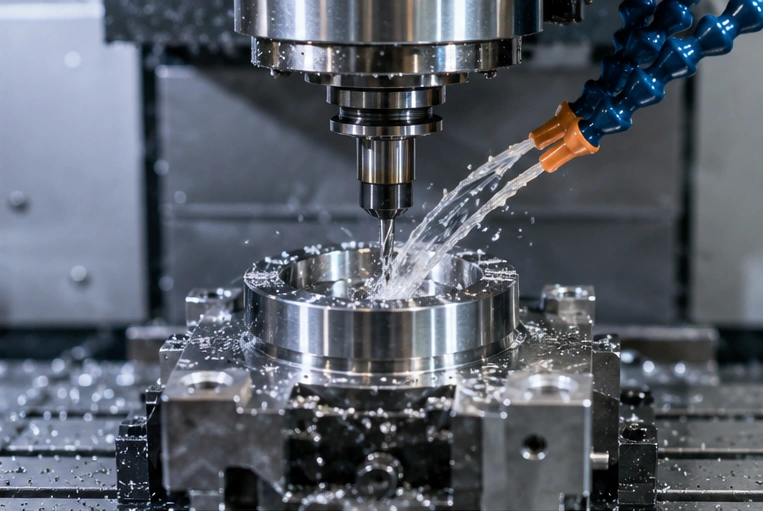
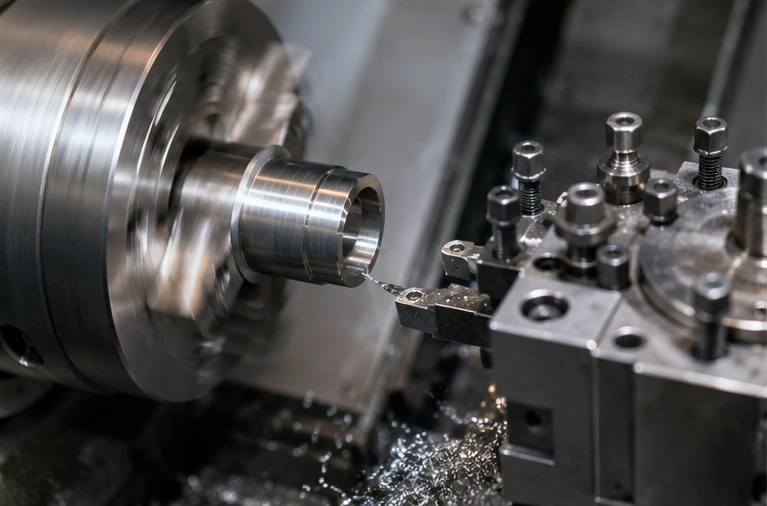
From a CNC machining perspective, 304 is usually easier to machine than 316. Both materials can work harden during cutting, so sharp tools, stable fixturing, and proper coolant control are important.
316 stainless steel often creates more cutting resistance and heat. This may increase tool wear and machining time, especially for complex parts, deep holes, thin walls, or tight tolerance features.
For simple CNC turned or milled components, the difference may not be large. But for precision parts with complex geometry, the machinability difference should be considered during quoting and process planning.
Cost Comparison
316 stainless steel is normally more expensive than 304 because of its higher alloy content, especially nickel and molybdenum. In CNC machining projects, the final cost difference may come from both raw material price and machining cost.
If the part does not need high chloride or marine corrosion resistance, 304 is often the more cost-effective option. If the part will be used in harsh environments, paying more for 316 can reduce long-term failure risk.
When Should You Choose 304 Stainless Steel?
- General industrial components
- Indoor machinery parts
- Mechanical brackets and housings
- Food equipment in mild environments
- Cost-sensitive stainless steel parts
- Parts requiring good appearance and durability
When Should You Choose 316 Stainless Steel?
- Marine and coastal applications
- Medical and pharmaceutical equipment
- Chemical processing components
- Outdoor parts exposed to moisture or salt
- Food equipment exposed to stronger cleaning chemicals
- Parts where corrosion failure would be costly
Surface Finishing Options
Both 304 and 316 stainless steel support common CNC finishing processes, including brushing, polishing, sandblasting, passivation, and electropolishing.
For visible parts, both materials can achieve a clean industrial appearance. For harsh environments, 316 usually provides better long-term surface stability because of its stronger corrosion resistance.
Final Recommendation
There is no single best material between 304 and 316 stainless steel. The right choice depends on your application.
If you need good corrosion resistance at a lower cost, 304 stainless steel is usually a practical choice. If your part will be exposed to saltwater, chemicals, medical environments, or aggressive cleaning processes, 316 stainless steel is usually the safer option.
For CNC machined stainless steel parts, the best decision comes from balancing environment, performance, machining difficulty, and budget.
Need CNC Machined Stainless Steel Parts?
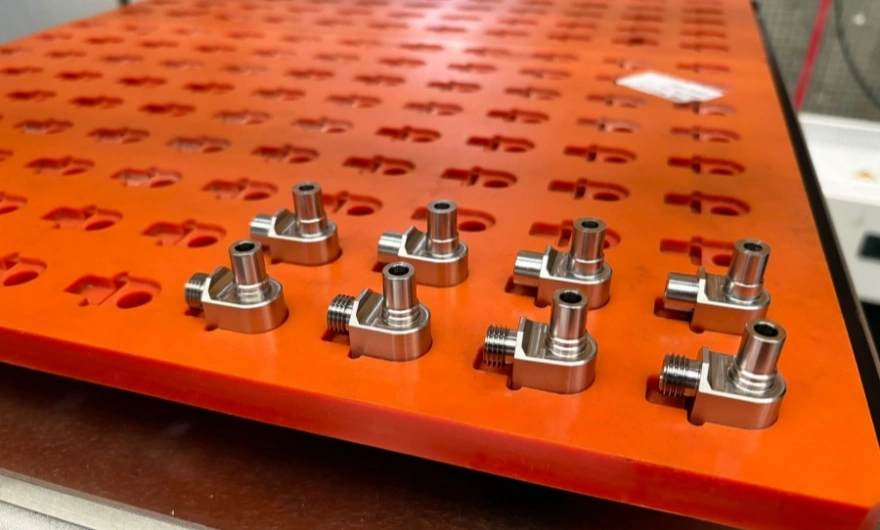
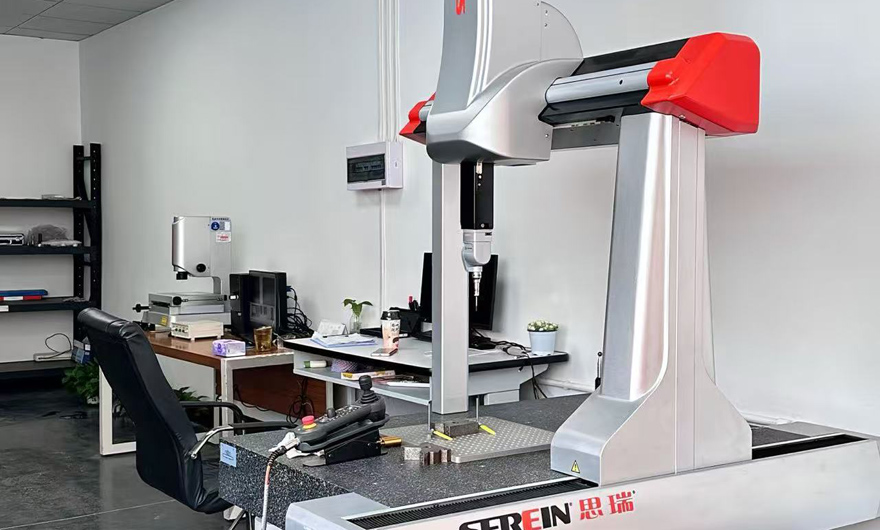
CNCTAL manufactures custom CNC machined stainless steel components in 304, 316, 303, 17-4PH, and other engineering grades. We support CNC turning, CNC milling, surface finishing, and precision inspection for prototype and production orders.
Request a QuoteFAQ
FAQ: 304 vs 316 Stainless Steel for CNC Machining
Is 316 stainless steel better than 304 for CNC machining?
Not always. 316 stainless steel has better corrosion resistance, especially in saltwater and chemical environments. However, 304 is usually more cost-effective and slightly easier to machine for general industrial parts.
Which stainless steel is easier to machine, 304 or 316?
304 stainless steel is generally easier to machine than 316. 316 can create more cutting resistance and heat, which may increase tool wear and machining time.
When should I choose 316 stainless steel?
Choose 316 stainless steel when the part will be used in marine, coastal, medical, pharmaceutical, chemical, or high-humidity environments where corrosion resistance is critical.
Is 304 stainless steel good enough for industrial CNC parts?
Yes. 304 stainless steel is widely used for general industrial components, machine parts, brackets, housings, shafts, and fixtures. It performs well in indoor and mildly corrosive environments.
Does 316 stainless steel cost more than 304?
Yes. 316 stainless steel usually costs more because it contains molybdenum and often has a higher alloy cost. Machining cost may also be slightly higher because 316 can be more difficult to cut.