

CNC Machined Robotics Parts Case Study
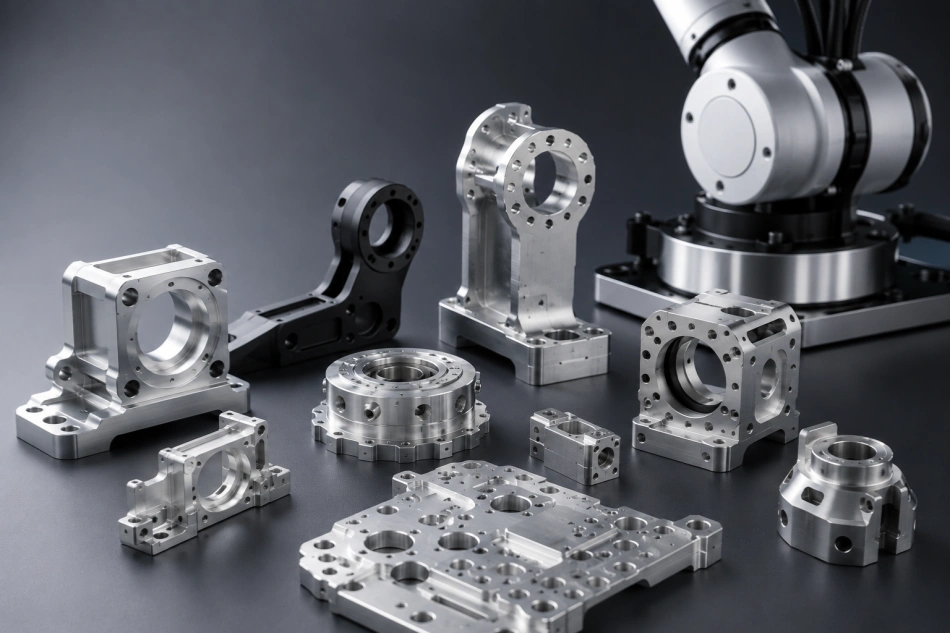
Precision CNC machined aluminum and stainless steel components manufactured for robotic arms, automation equipment, motion systems, and industrial robot assemblies.
- Industry: Robotics & Automation
- Process: CNC Milling & Turning
- Materials: Aluminum / Stainless Steel
- Service: Prototype to Batch Production
Project Snapshot
Precision Robotics Components for Automation Equipment
This case study focuses on a batch of CNC machined robotics parts used in an industrial automation system. The customer required stable dimensional accuracy, clean surface finishing, and reliable assembly performance for moving mechanical structures.
The parts included aluminum mounting brackets, stainless steel positioning components, sensor support plates, and compact structural parts used around robotic arm and motion control assemblies.
Before production, our engineering team reviewed the drawings, checked tolerance requirements, confirmed machining risks, and optimized the process for consistent batch production.
Project Details
CNC Machined Robotics Parts Gallery
Examples of precision components commonly manufactured for robotic arms, motion control systems, automation fixtures, and industrial robot assemblies.
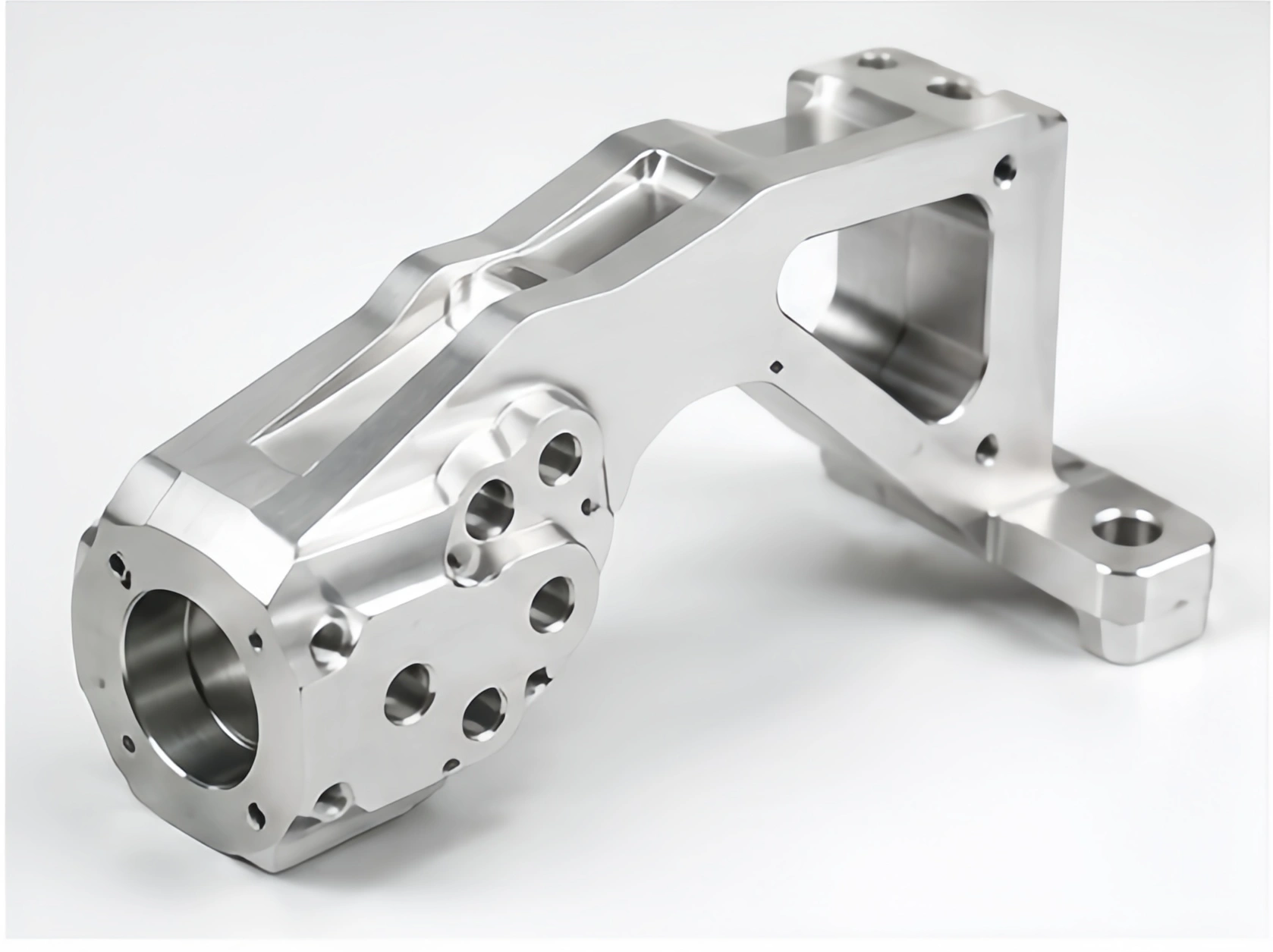
Robot Arm Bracket
Lightweight aluminum bracket with accurate mounting holes and flat reference surfaces for robotic arm structures.
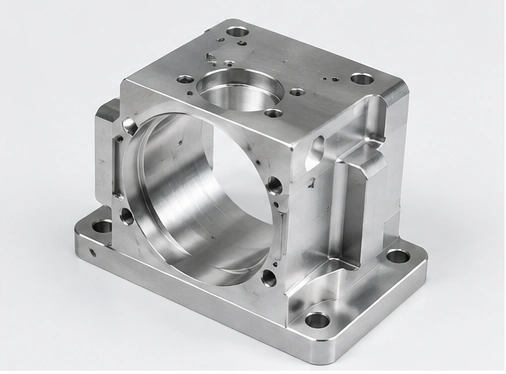
Servo Motor Mount
Precision machined motor mounting component designed for stable alignment and vibration control in motion systems.
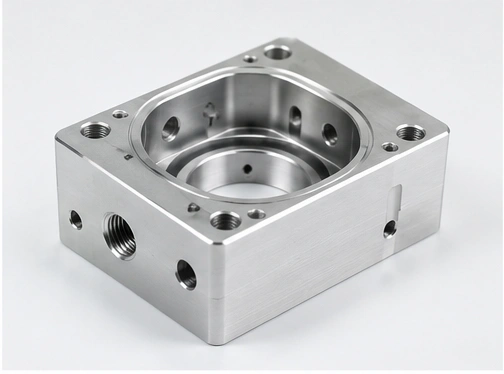
Sensor Housing
Compact CNC machined housing used to protect sensors and maintain accurate positioning in robotic inspection systems.
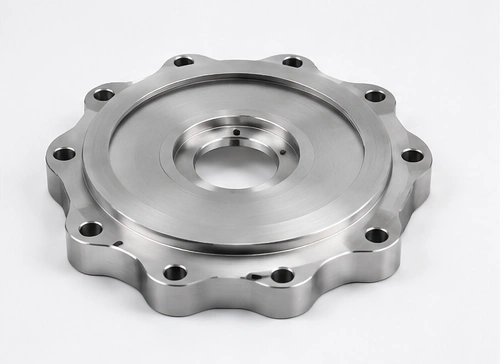
Gearbox Cover
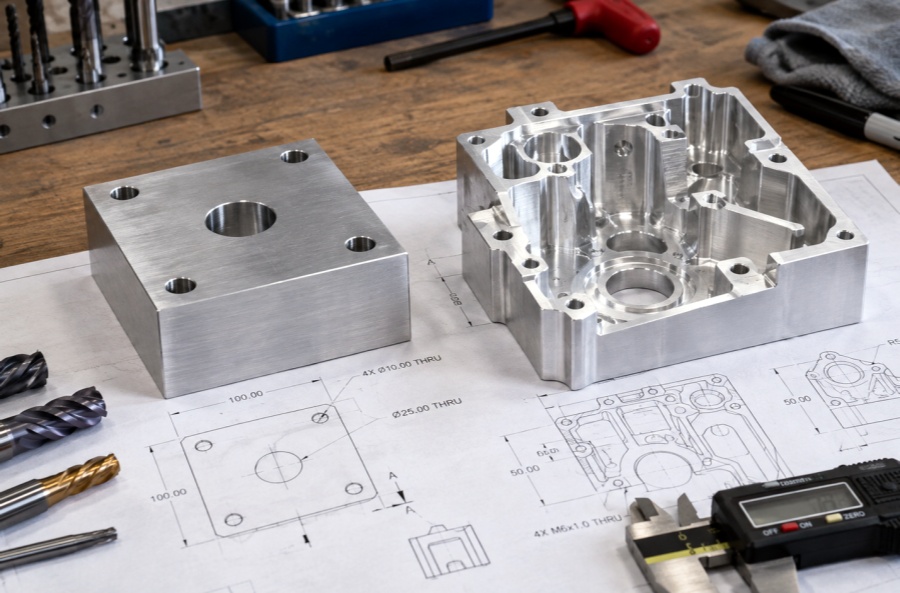
Machined cover plate for robotic drive units, with controlled flatness and clean sealing surfaces for reliable assembly.
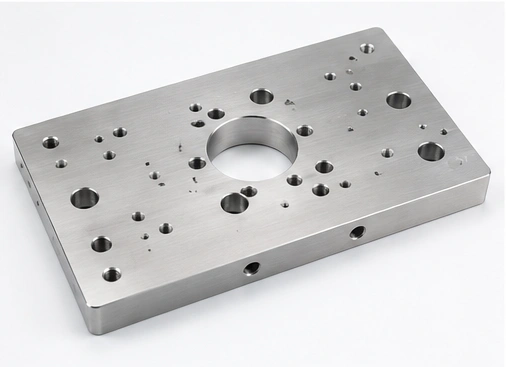
Linear Motion Plate
Flat machined plate with precision hole patterns for linear guides, sliders, and robotic positioning modules.
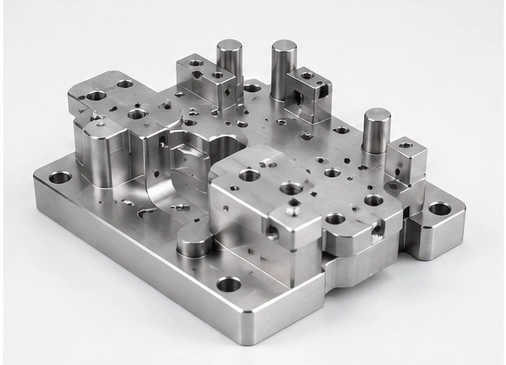
Automation Fixture
Custom fixture component used for robotic handling, positioning, testing, and repeatable production assembly.
Key Challenges in Robotics Parts Machining
Robotics components are not only mechanical parts. They directly affect motion accuracy, assembly stability, sensor positioning, and long-term equipment reliability.
Tight Positioning Accuracy
Mounting holes, bearing seats, and reference surfaces required stable dimensional control to ensure accurate assembly with motors, guides, and sensors.
Flatness & Parallelism
Several structural plates needed controlled flatness and parallel surfaces to prevent vibration, misalignment, and uneven load distribution during robotic movement.
Lightweight Structure
Aluminum parts had to reduce unnecessary weight while keeping enough rigidity for repeated high-speed motion and long operating cycles.
Assembly-Ready Finish
Burrs, sharp edges, thread quality, and anodized surfaces had to be carefully controlled so the parts could be installed without additional hand rework.
How CNCTAL Controlled Precision and Batch Consistency
To meet the customer’s assembly requirements, we focused on machining stability, tolerance control, surface preparation, and inspection before the parts moved to finishing.
Each key feature was reviewed before production, including hole position, mounting surfaces, thread quality, edge condition, and areas that could affect robotic movement or assembly fit.
Engineering Review & DFM Check
Our engineers reviewed the drawings, checked tolerance risks, confirmed machining references, and suggested practical improvements where needed.
Optimized CNC Machining Process
CNC programs were prepared to control deformation, keep stable clamping, and maintain accurate hole positions and flat reference surfaces.
Deburring & Surface Preparation
Burrs, sharp edges, threaded holes, and visible surfaces were carefully cleaned before anodizing, passivation, or other finishing processes.
Inspection Before Delivery
Critical dimensions were checked using CMM, 2D vision measurement, gauges, and manual inspection to confirm the parts were ready for assembly.
From Drawing Review to Assembly-Ready Robotics Parts
A controlled production workflow helps reduce machining risk, improve batch consistency, and ensure each robotics component is ready for customer assembly.
Drawing Review
Review 2D drawings, 3D models, tolerances, threads, surface finish, and assembly requirements.
Material Preparation
Prepare aluminum or stainless steel material according to the required grade and part size.
CNC Machining
Machine key features using CNC milling, turning, and 5-axis machining when required.
In-Process Check
Check critical dimensions during production to control hole position, flatness, and fit.
Deburring
Remove burrs, protect threads, clean sharp edges, and prepare visible surfaces for finishing.
Surface Finishing
Apply anodizing, bead blasting, passivation, or other finishes based on the project requirement.
Final Inspection
Inspect key features before packaging to confirm the parts are clean, accurate, and assembly-ready.
Process Control
Critical machining references are controlled from first article inspection to final batch production, helping maintain repeatable part quality.
Assembly Readiness
Parts are checked for burrs, threads, hole alignment, surface condition, and packaging protection before shipment.
Consistent Robotics Parts Ready for Customer Assembly
Through controlled machining, inspection, finishing, and packaging, the finished parts met the customer’s assembly and functional requirements.
Parts Delivered
Small-batch robotics components produced with stable dimensional consistency.
mm Tolerance
Key mounting and positioning features were controlled according to drawing requirements.
Key Feature Check
Critical holes, threads, flat surfaces, and assembly features were inspected before shipment.
Assembly Rework
Parts were delivered clean, deburred, finished, and ready for customer installation.
The final batch helped the customer move from prototype validation to stable assembly.
The customer received consistent CNC machined components with controlled dimensions, clean finishing, protected surfaces, and packaging suitable for international delivery. This helped reduce incoming inspection work and supported a smoother assembly process.
Why Robotics Companies Work With CNCTAL
Robotics and automation projects need more than simple machining. They need engineering review, stable quality, clean finishing, and reliable delivery from prototype to small batch production.
Prototype to Batch Support
We support early prototypes, pilot runs, and small-batch production for robotics and automation projects without unnecessary complexity.
5-Axis CNC Machining
Complex robotic brackets, housings, and structural parts can be machined with fewer setups for better accuracy and cleaner surfaces.
Tight Tolerance Control
Critical holes, reference surfaces, thread positions, and assembly features are checked carefully to reduce fitting problems.
Aluminum & Stainless Expertise
We regularly machine aluminum 6061, 7075, stainless steel 304, 316, and other materials used in robotic systems.
Engineering Feedback
Our team can review drawings, check manufacturability, and provide practical suggestions before production starts.
Inspection Before Shipment
CMM, 2D vision measurement, gauges, and final visual checks help ensure parts are ready for assembly and delivery.
Latest Blog Posts
Have a Similar Robotics CNC Machining Project?
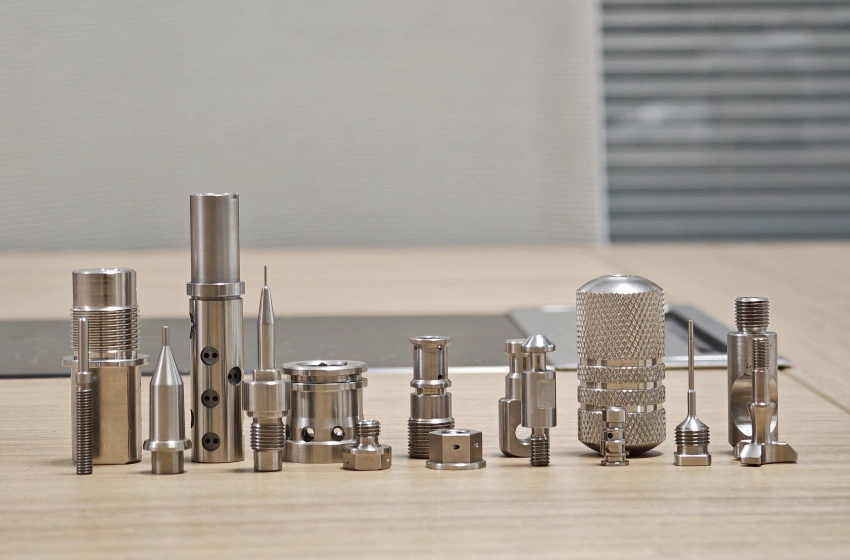
Upload your robotics part drawings, 3D models, or sample photos. CNCTAL can review your requirements and provide practical CNC machining feedback for prototype, small-batch, and production projects.
- Robotics brackets, housings, plates, fixtures, and motion system components
- Aluminum, stainless steel, brass, copper, titanium, and engineering plastics
- CNC milling, CNC turning, 5-axis machining, surface finishing, and inspection
- Engineering review support for tolerance, material, finish, and manufacturability