

Aluminum Anodizing Services for CNC Machined Parts
Enhance aluminum CNC parts with durable, corrosion-resistant, and decorative anodized finishes. CNCTAL provides Type II and Type III anodizing solutions for prototypes, small batches, and custom production parts.
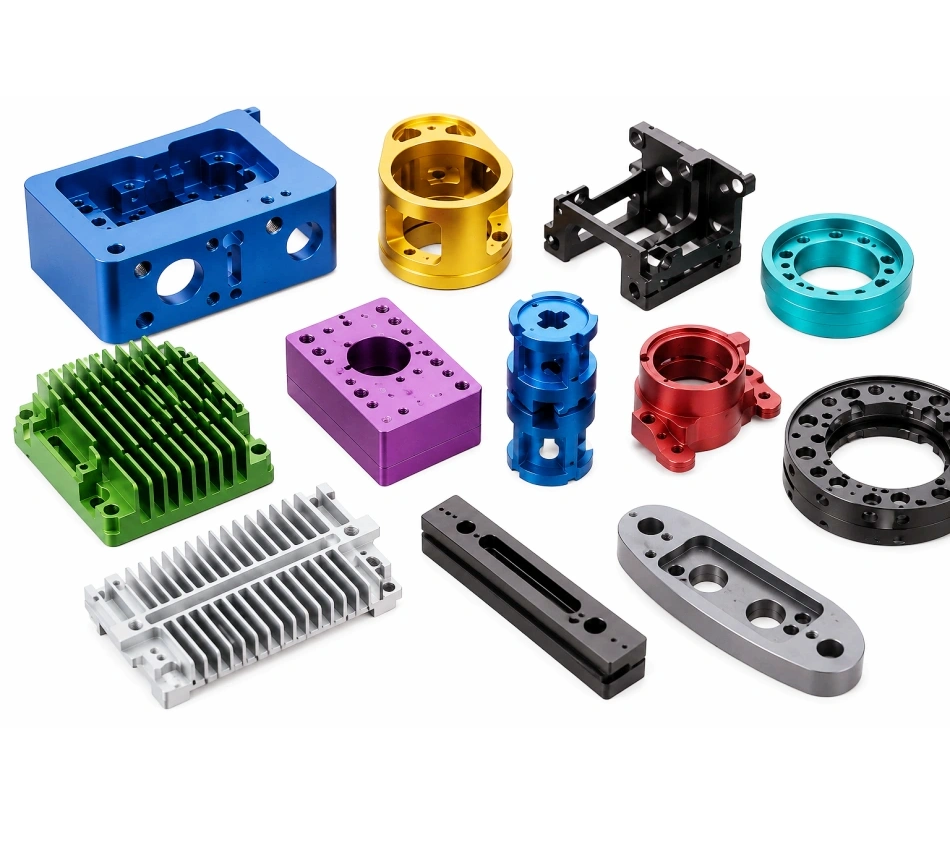
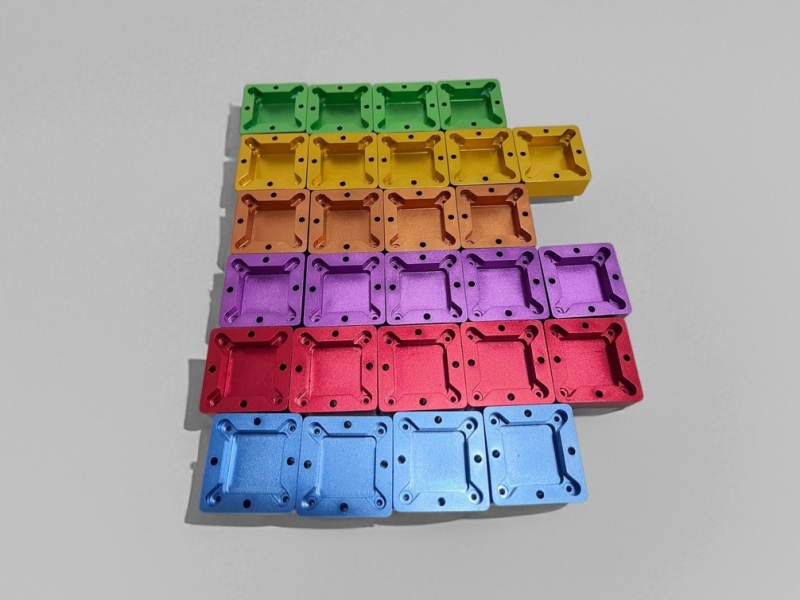
What is Aluminum Anodizing?
Aluminum anodizing is an electrochemical process that converts the surface of aluminum into a durable, corrosion-resistant oxide layer. Unlike painting or coating, this layer is fully integrated into the material, ensuring long-term performance without peeling or flaking.
This process enhances both the functional and aesthetic properties of CNC machined parts, making it an ideal solution for industries requiring durability, precision, and premium appearance.
Key Benefits of Aluminum Anodizing
Enhance performance, durability, and appearance of your CNC machined parts with professional anodizing solutions.
Superior Corrosion Resistance
Protect aluminum parts from oxidation, moisture, and harsh environments, making them ideal for outdoor and industrial use.
Increased Surface Hardness
Hard anodizing significantly improves surface hardness, reducing wear and extending the lifespan of critical components.
Durable Color Finish
Achieve long-lasting colors that are embedded in the material and resistant to fading, peeling, or chipping.
Excellent Adhesion
Unlike coatings, anodized layers bond with the aluminum, ensuring no cracking, flaking, or delamination over time.
Eco-Friendly Process
Anodizing is a clean and environmentally friendly process with minimal waste and no harmful coatings.
Precision Compatibility
Maintains tight tolerances and works seamlessly with CNC machining for high-precision components.
Thermal Stability
Anodized surfaces perform well under high temperatures, making them suitable for demanding applications.
Professional Appearance
Deliver premium-looking parts with consistent finish quality, enhancing product value and brand perception.
Types of Aluminum Anodizing
Different anodizing processes provide different levels of corrosion resistance, wear protection, surface thickness, and appearance for CNC machined aluminum parts.
Type II Anodizing
Standard AnodizingA common sulfuric acid anodizing process used for decorative finishes, color options, and general corrosion protection on aluminum CNC parts.
Type III Anodizing
Hard AnodizingA thicker and harder anodized coating designed for parts requiring better wear resistance, surface durability, and long-term performance.
Type I Anodizing
Chromic Acid AnodizingA thinner anodized layer with minimal dimensional change, suitable for precision components where coating thickness must be carefully controlled.
Anodizing Type Comparison
The final coating thickness and surface result depend on material grade, part geometry, color, and project requirements.
| Anodizing Type | Typical Thickness | Main Features | Typical Applications |
|---|---|---|---|
| Type II | 8–25 μm | Decorative finish, good corrosion resistance, suitable for clear, black, and custom colors. | Electronics housings, consumer products, brackets, panels, and machined aluminum covers. |
| Type III | 25–60 μm | Hard coating, improved wear resistance, stronger protection for demanding working conditions. | Industrial parts, sliding components, machinery parts, automotive parts, and functional aluminum components. |
| Type I | 1–5 μm | Thin coating, low dimensional impact, good for precision parts with tight tolerance requirements. | Aerospace components, precision fixtures, lightweight structures, and high-accuracy aluminum parts. |
Available Colors & Surface Finishes
Customize the appearance and texture of your aluminum parts with a wide range of anodizing colors and finishing options.
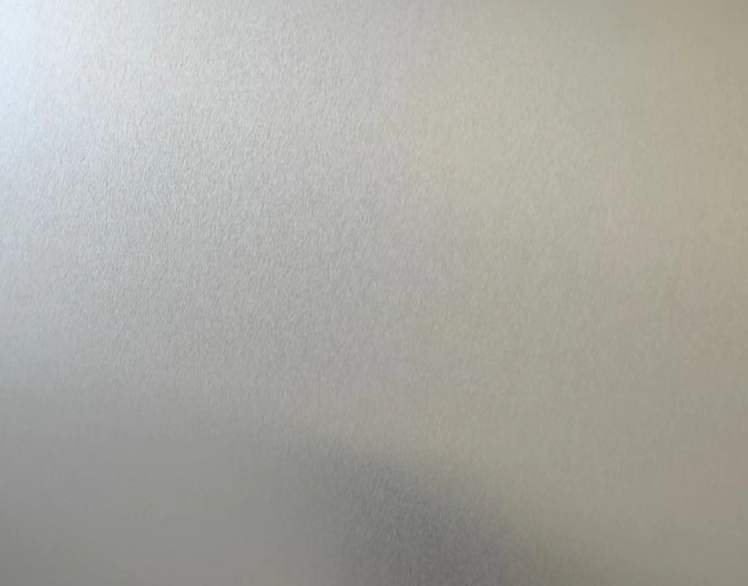
Matte Finish
Non-reflective surface ideal for industrial and functional components.
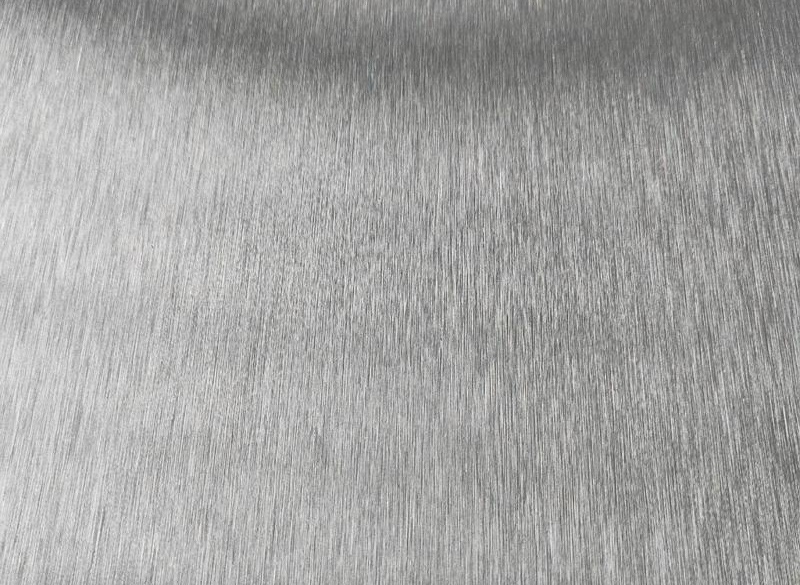
Satin Finish
Smooth and soft appearance, commonly used in premium consumer products.
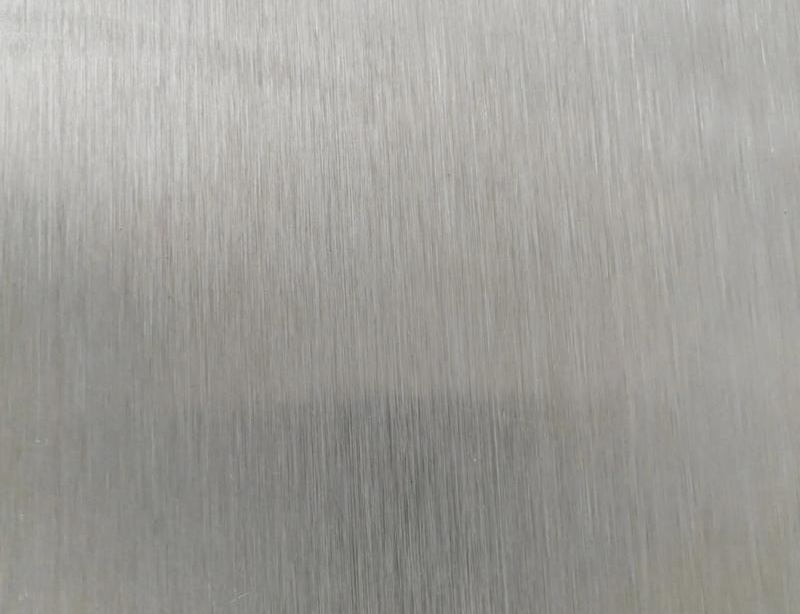
Brushed Finish
Directional texture that enhances visual depth and hides minor scratches.
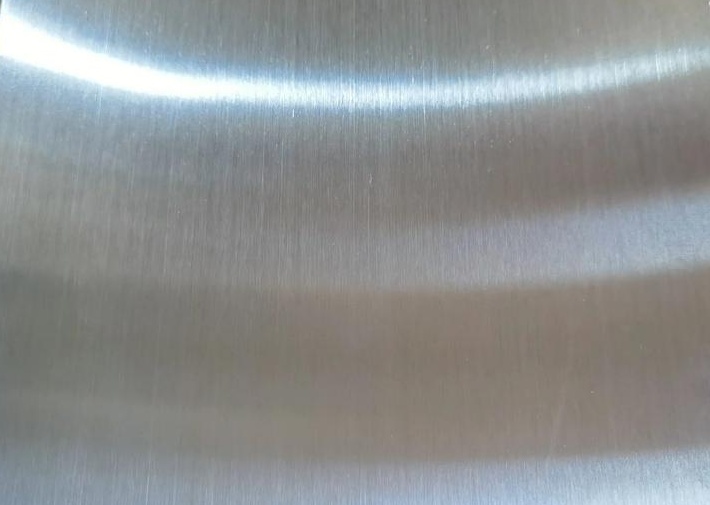
Polished Finish
High-gloss surface for decorative and high-end applications.
Gallery of Anodized Aluminum Parts
Explore CNC machined aluminum parts with clean anodized finishes, precise details, and consistent surface quality for industrial applications.
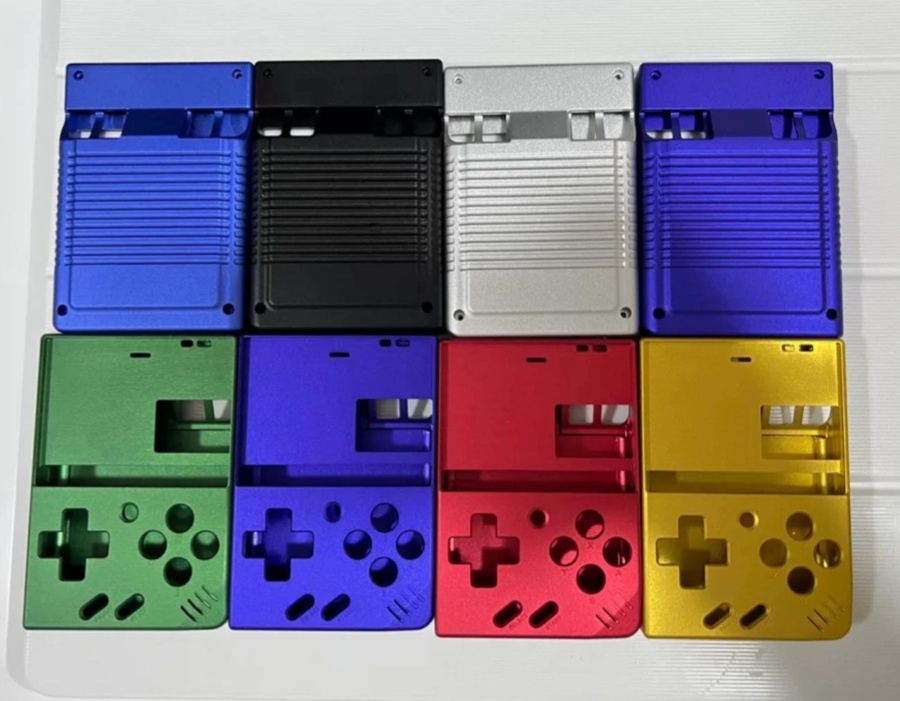
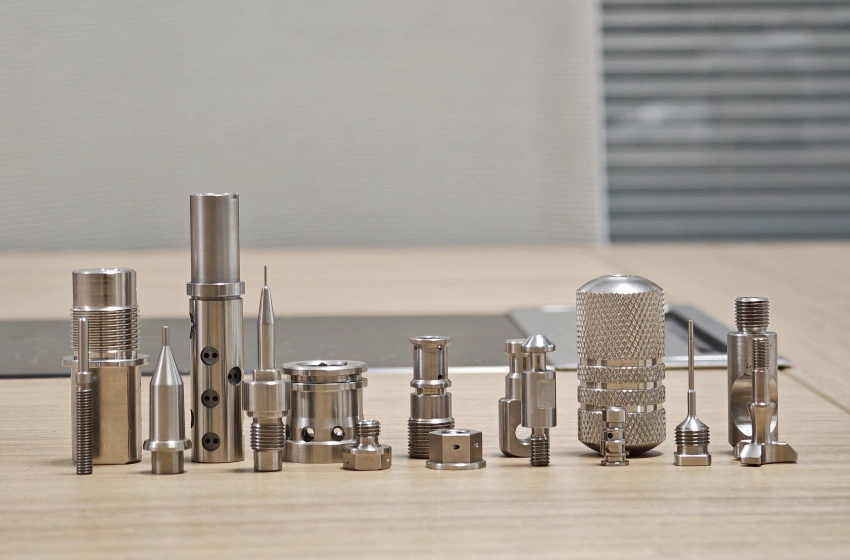
Black Anodized Aluminum Parts
Durable black anodized finish for precision CNC machined aluminum components.
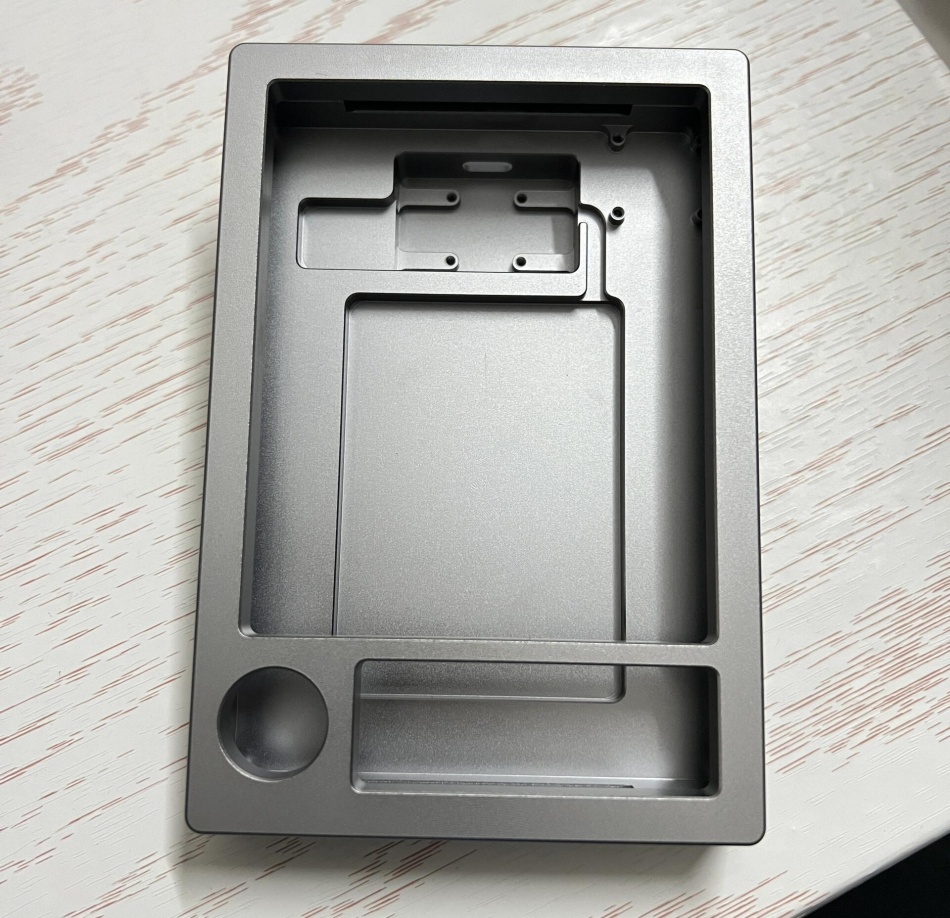
Clear Anodized Components
Natural aluminum appearance with improved corrosion resistance and surface protection.
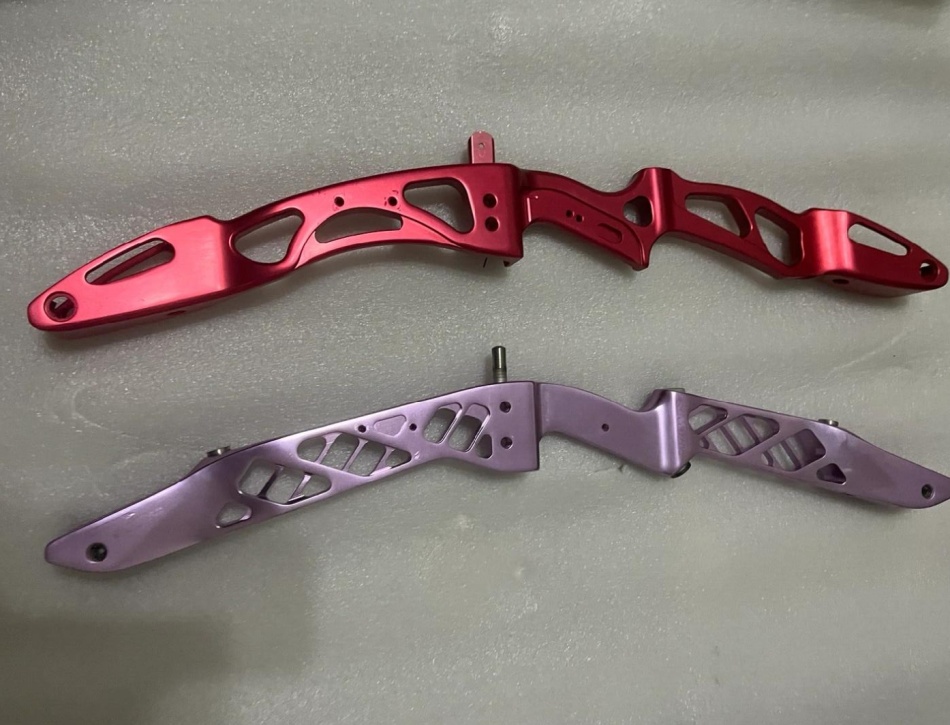
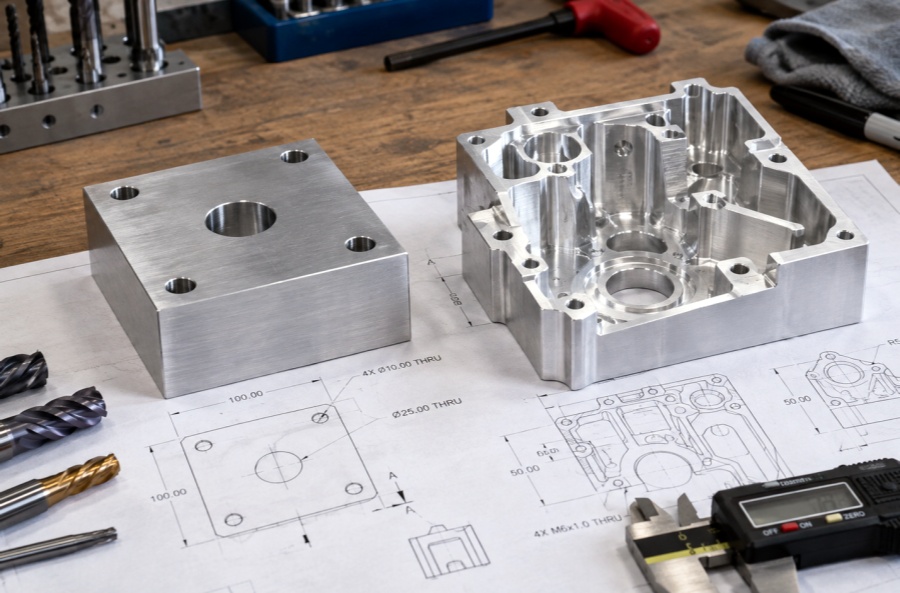
Machined Aluminum Housings
Custom CNC housings with anodized surfaces for electronics and industrial equipment.
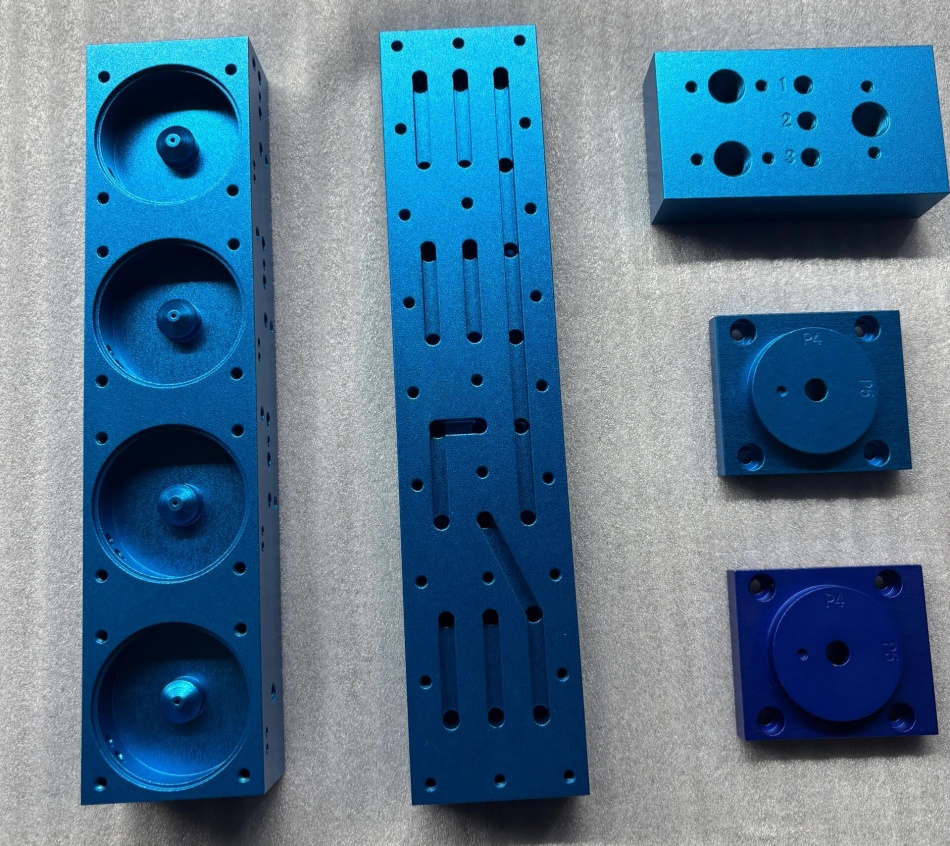
Anodized Brackets
Lightweight aluminum brackets with clean edges, accurate holes, and protective anodizing.
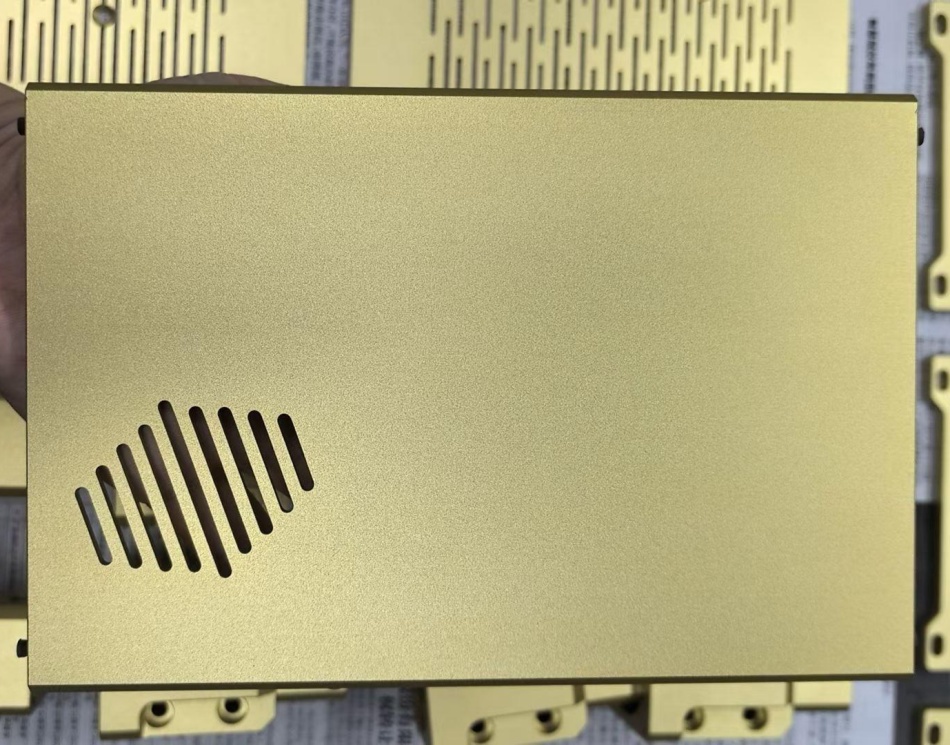
Custom Aluminum CNC Parts
Precision machined aluminum parts available with clear, black, or colored anodizing.
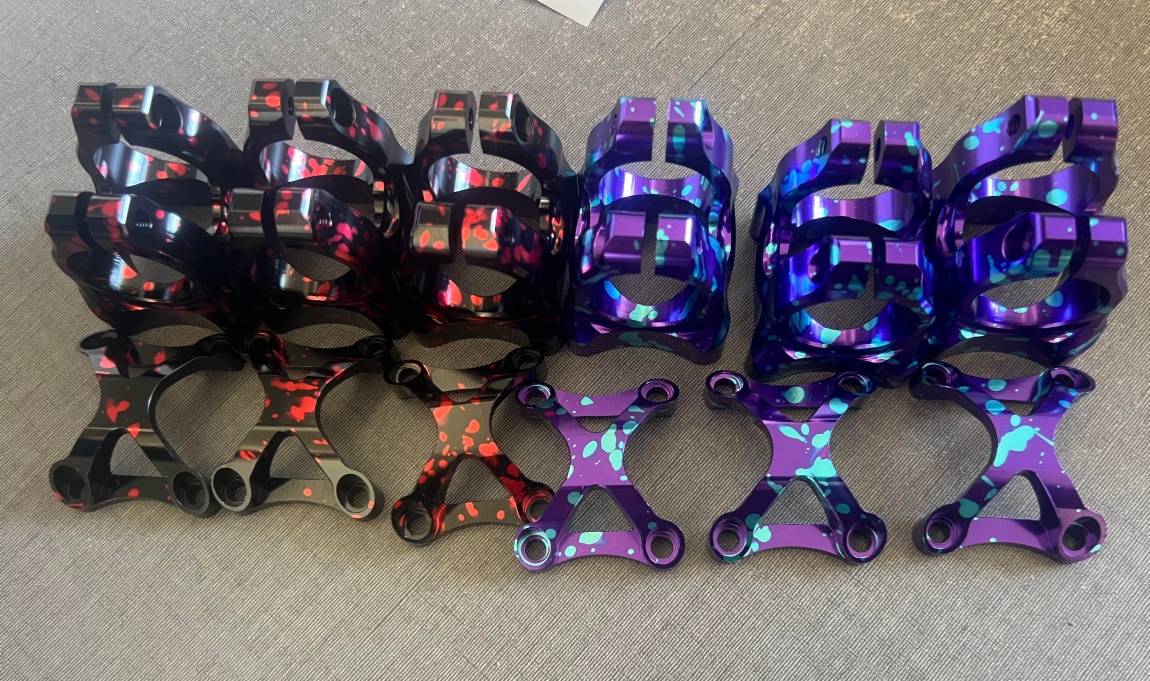
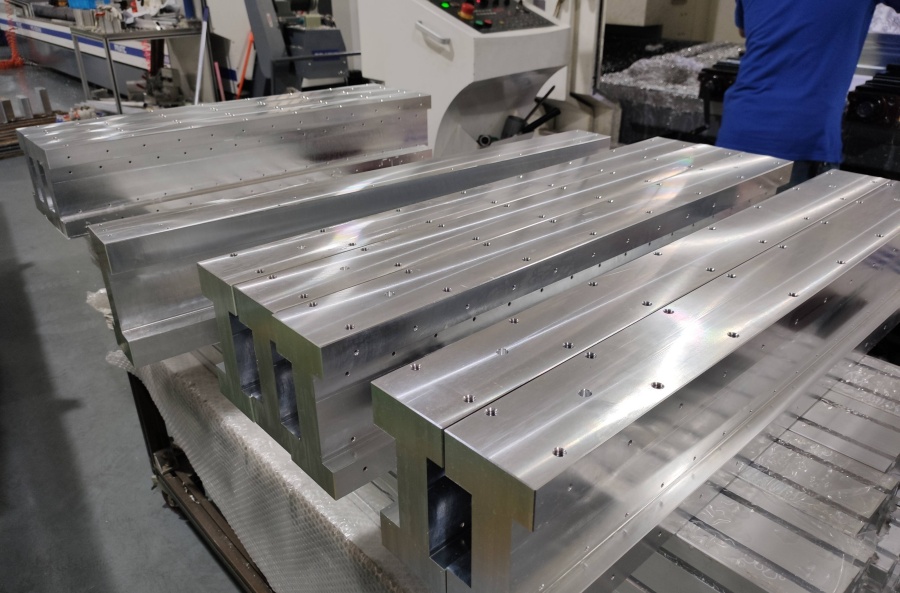
Industrial Anodized Parts
Surface-treated aluminum components for automation, machinery, electronics, and fixtures.
How It Works
We make the CNC machining process simple and clear. From your initial drawing submission to final delivery, CNCTAL provides responsive support to help you move your project forward efficiently.
Send Your Drawing
Share your 2D drawing, 3D file, material requirement, quantity, and any surface finish or tolerance details.
Review & Quotation
We review your project requirements and provide a quotation with lead time, machining process, and production details.
Order Confirmation
After confirming pricing and specifications, we arrange production based on your approved drawings and requirements.
Production & Inspection
Parts are machined according to the agreed process and inspected to help ensure dimensional accuracy and surface quality.
Packaging & Delivery
Finished parts are packed carefully and shipped to your address with support for international delivery.
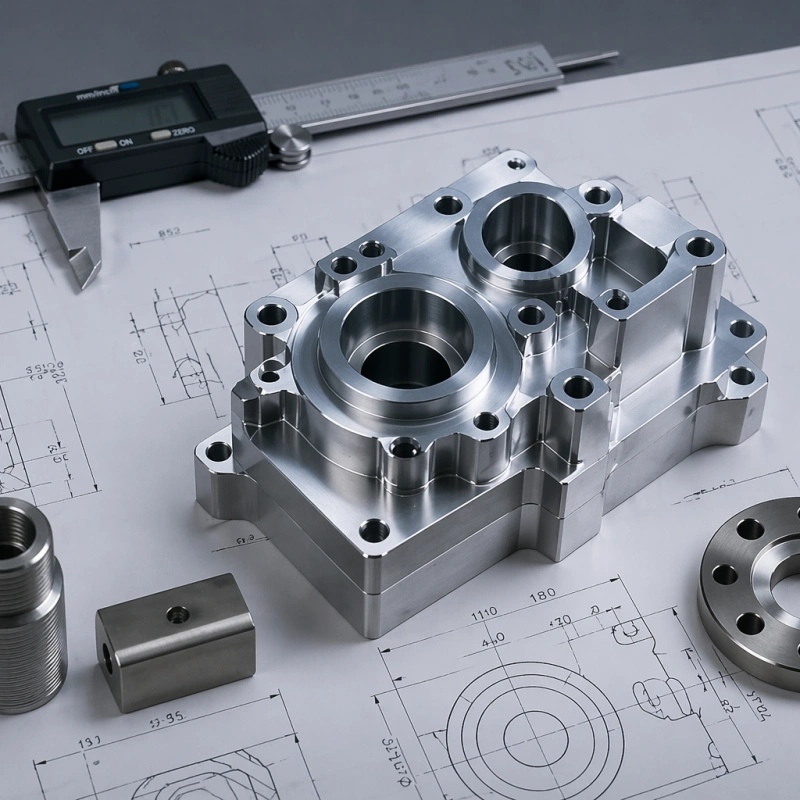
Tolerances up to ±0.01 mm
Get a Faster & More Accurate Quote
Providing complete project information helps our engineers review your design faster, reduce repeated communication, and prepare a more accurate quotation for your CNC parts.
Latest Blog Posts
Aluminum Anodizing FAQs
Answers to common questions about anodized aluminum CNC parts, including coating thickness, color options, dimensional changes, and material compatibility.
Send us your drawings, aluminum grade, color requirement, and quantity. Our team can help review the best anodizing option for your project.
Yes. Anodizing creates an oxide layer on the aluminum surface. Part of the coating penetrates into the material, and part of it builds up on the surface, so critical dimensions, threads, holes, and tight-tolerance areas should be reviewed before anodizing.
6061 and 6063 are commonly used for anodizing and usually provide good appearance and stable results. 7075 can also be anodized, but the final color and surface consistency may vary depending on the part and process.
Type II anodizing is commonly used for decorative finishes, colors, and general corrosion resistance. Type III hard anodizing creates a thicker and harder coating, making it better for wear-resistant industrial parts.
Yes. Anodized aluminum can be finished in clear, black, red, blue, gold, and other custom colors. Color consistency may depend on aluminum grade, surface preparation, batch size, and part geometry.
Anodizing is different from painting or plating because it forms an oxide layer from the aluminum surface itself. It provides good adhesion, corrosion resistance, and a clean metallic appearance, especially for machined aluminum parts.
Yes, but threaded holes and precision areas may need masking, allowance, or post-processing depending on the tolerance requirement. For critical dimensions, please mark them clearly on the drawing before production.