
ABS CNC Machining Services
Custom ABS CNC machined parts with good strength, impact resistance, machinability, and cost-effective performance for prototypes, fixtures, housings, and low-volume plastic components.
- CNC milling and CNC turning
- Ideal for prototypes and test parts
- Good impact resistance and machinability
- Secure drawing review within 12 hours
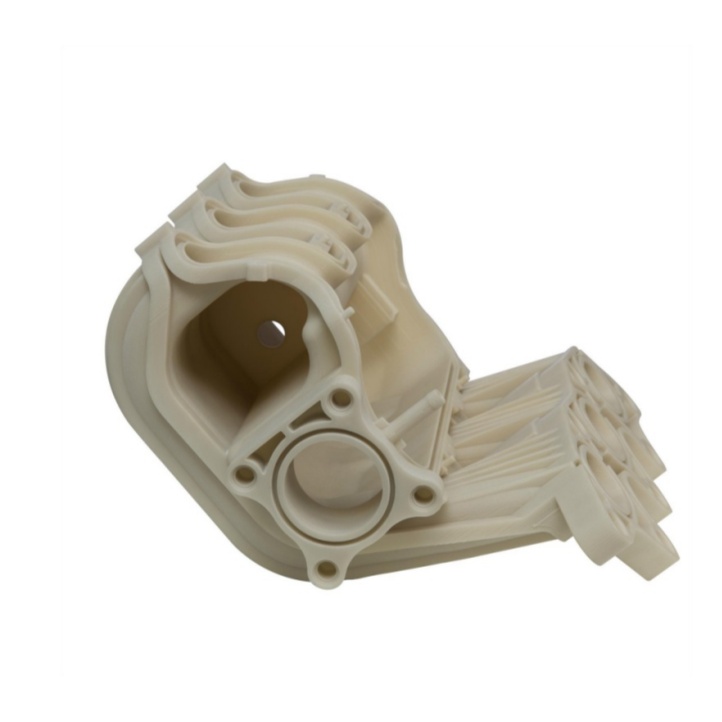
What is ABS CNC Machining?
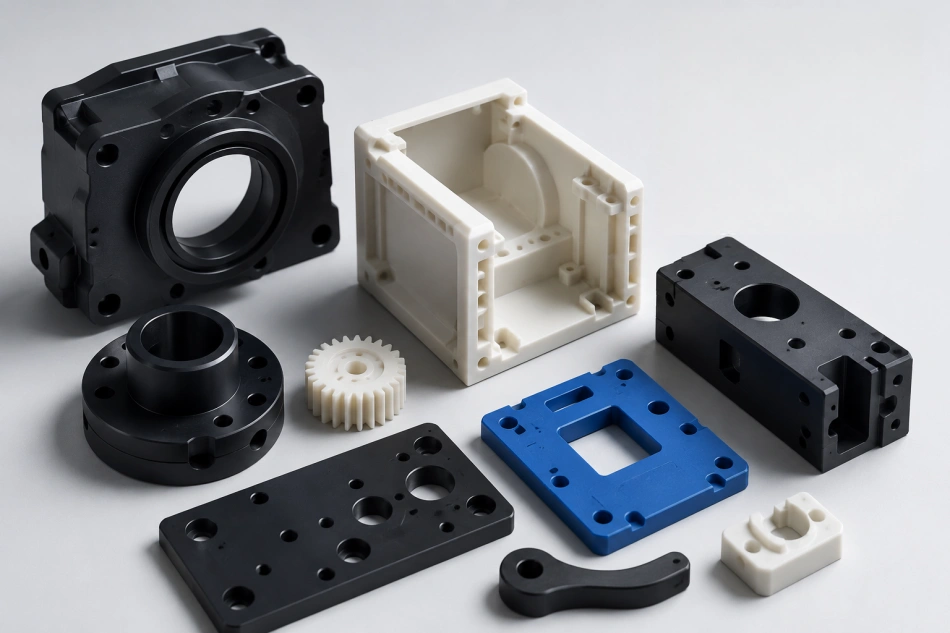
ABS CNC machining is a practical way to produce custom plastic parts directly from ABS stock, especially when you need prototypes, functional test parts, fixtures, housings, or small-batch components without mold investment.
ABS is easy to machine and offers a useful balance of impact resistance, strength, toughness, and cost efficiency for many non-metal mechanical parts.
Compared with injection molding, CNC machining can reduce lead time and avoid tooling costs, making it suitable for product development and low-volume production.
At CNCTAL, we provide CNC milling and turning for ABS parts with stable quality, flexible quantities, and engineering review before production.
Why Choose ABS for CNC Machining?
ABS is a practical engineering plastic for prototypes, fixtures, housings, and functional parts that require good strength, stable machining performance, and cost control.
A reliable plastic material for functional CNC parts
ABS offers a good balance of machinability, toughness, surface appearance, and price. It is commonly used when the part needs to be strong enough for testing or end-use applications without the high cost of advanced plastics.
Excellent Machinability
ABS cuts cleanly and supports precise CNC machining, helping achieve smooth edges, accurate holes, and stable part geometry.
High Impact Resistance
Its toughness makes ABS suitable for covers, brackets, enclosures, and components exposed to daily handling or mechanical stress.
Good Dimensional Stability
ABS maintains reliable dimensions during machining, making it a good option for functional prototypes and assembly parts.
Cost-Effective Choice
Compared with PEEK, PC, or other high-performance plastics, ABS provides a practical balance between performance and cost.
Easy Surface Finishing
ABS can be painted, polished, bonded, or plated to improve appearance, branding, or functional surface requirements.
Lightweight & Versatile
ABS is widely used in electronics, automation, automotive, consumer products, and custom equipment components.
ABS Material Properties for CNC Machining
ABS is a balanced thermoplastic material with good toughness, machinability, and dimensional stability. It is widely used for CNC machined prototypes, fixtures, housings, and lightweight functional components.
Stable, machinable, and cost-effective
ABS is easier to machine than many high-performance plastics, while still offering enough strength for many engineering and product development applications.
| Property | Typical Value |
|---|---|
| Material Type | Engineering thermoplastic |
| Density | Approx. 1.05 g/cm³ |
| Tensile Strength | 40 – 55 MPa |
| Hardness | Rockwell R100+ |
| Elongation at Break | 10% – 50% |
| Service Temperature | Approx. 80 – 100°C |
| Surface Finish Options | As machined, polishing, painting, bonding, plating |
| Machining Tolerance | Up to ±0.01 mm |
Why Choose ABS Over Other Plastics?
ABS is often selected when a project needs a practical balance of machinability, impact resistance, appearance, and cost efficiency for prototypes and low-volume plastic parts.
| Property | ABS | Nylon / PA | PC | PLA |
|---|---|---|---|---|
| Strength & Durability | Good impact resistance and toughness | High wear resistance and toughness | Very high impact strength | Low durability for functional parts |
| Machinability | Excellent for CNC milling and turning | Moderate, may require careful control | Moderate, needs proper cutting setup | Easy, but mainly used for 3D printing |
| Surface Finish | Smooth, paintable, polishable | Matte surface, harder to finish | Can be polished, good appearance | Usually matte, print-layer texture |
| Cost Level | Cost-efficient for prototypes | Medium | Higher | Low material cost |
| Heat Resistance | Moderate | Good | Good to high | Low |
| Best For | Prototypes, enclosures, housings, brackets | Gears, bushings, rollers, wear parts | Covers, transparent parts, high-impact parts | Concept models and non-functional samples |
Send your drawing, quantity, and application requirements. CNCTAL can recommend ABS, Nylon, PC, POM, PEEK, or other plastics based on strength, tolerance, cost, and use environment.
ABS Design Guidelines
Optimize your designs for ABS CNC machining to achieve the best performance, finish, and cost-efficiency.
Wall Thickness
Maintain 1.5–5 mm for structural integrity and reduce risk of warping.
Corner Radius
Use fillets ≥0.5 mm to prevent stress concentration and improve machinability.
Hole & Boss Design
Keep min diameter ≥1 mm, and maintain adequate wall around holes for strength.
Surface Finish
Specify flat or curved surfaces with draft angles ≥2° for better polishing and painting.
Part Weight
Reduce excess material to save cost, but ensure uniform thickness for warping control.
Assembly Features
Design clips, slots, and interlocking features considering ABS flexibility and durability.
ABS CNC Machining FAQs
Common questions about ABS CNC machining, prototyping, tolerances, lead times, and manufacturing capabilities.
What is ABS material commonly used for?
ABS is widely used for housings, covers, brackets, enclosures, fixtures, consumer product prototypes, and other functional plastic parts that require toughness, impact resistance, and good machinability.
Is ABS suitable for CNC machining?
Yes. ABS machines easily and consistently, making it one of the most popular plastics for CNC milling and turning. It is especially suitable for prototypes and low-volume production parts.
What tolerances can CNCTAL achieve on ABS parts?
Depending on part geometry and dimensions, we can achieve tight tolerances up to ±0.01 mm. Critical dimensions should be specified on your engineering drawing.
What is the typical lead time for ABS CNC machining?
Most ABS prototype projects can be completed within 3–7 working days. Production schedules vary depending on complexity, quantity, and inspection requirements.
Can ABS parts receive surface finishing?
Yes. ABS parts can be sanded, polished, painted, silk-screened, textured, or coated depending on appearance and functional requirements.
What files do I need to provide for a quote?
We recommend sending STEP or STP files along with PDF drawings if tolerances, threads, surface finish, or inspection requirements are important. Quantity and application information also help improve quote accuracy.