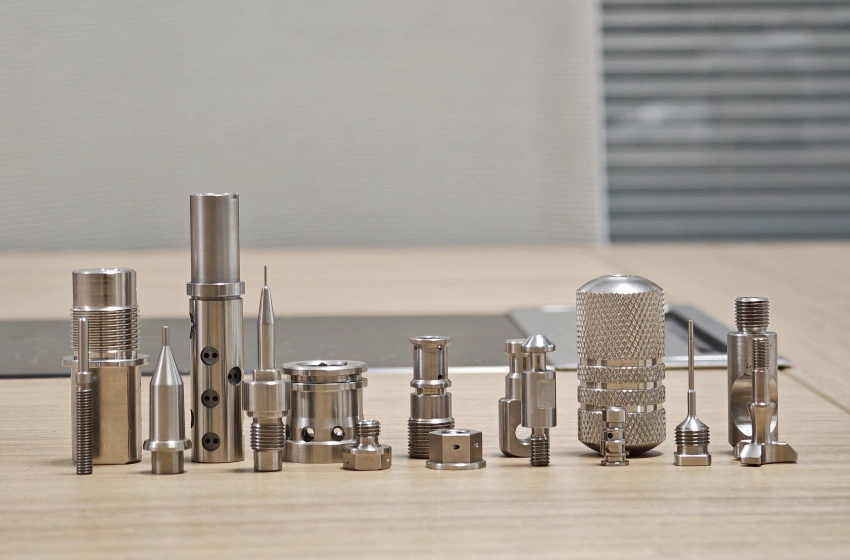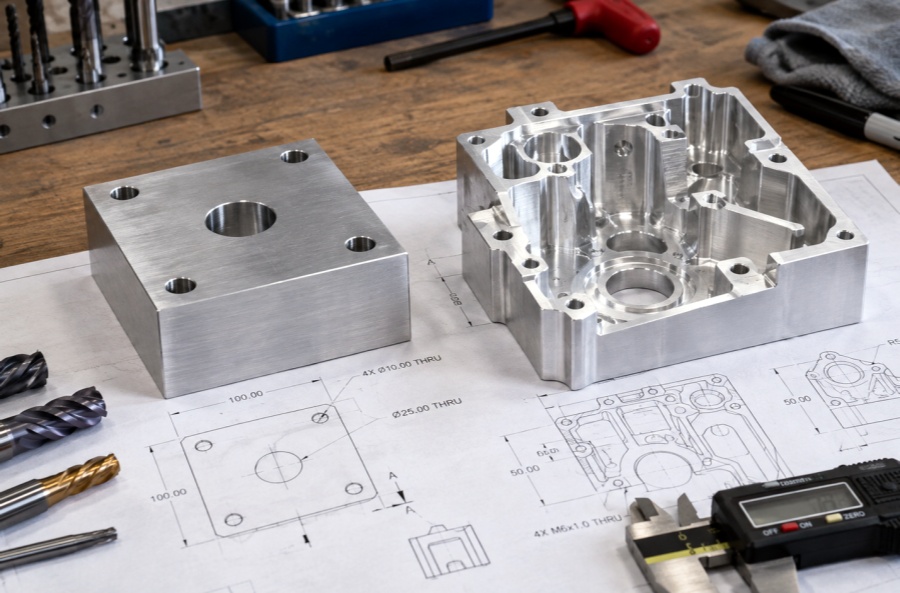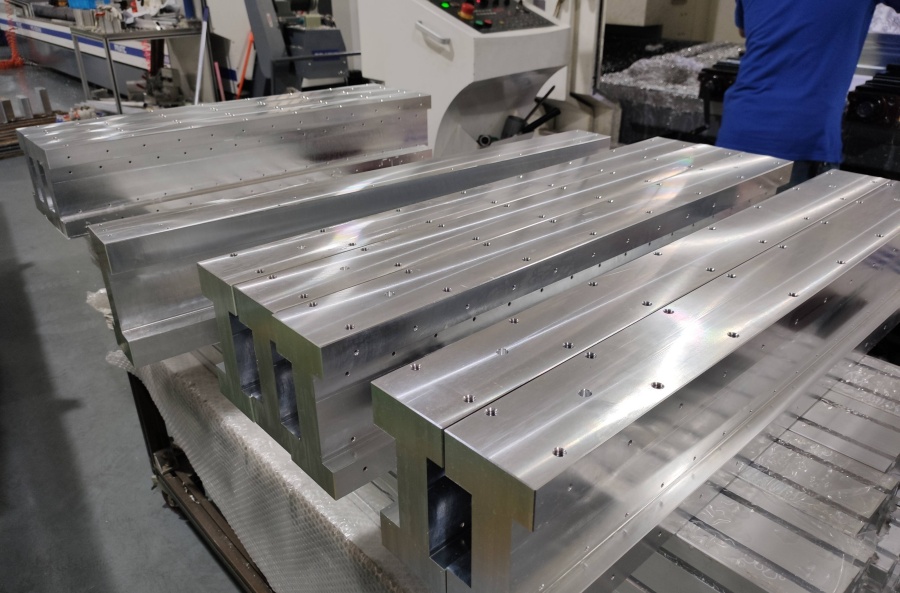

Sandblasting & Bead Blasting for CNC Machined Parts
Create a clean, uniform matte surface on custom CNC machined parts. CNCTAL provides sandblasting and bead blasting for aluminum, stainless steel, steel and other metal components, helping reduce visible machining marks and improve the overall surface appearance.
- Uniform Matte Texture
- Reduce Visible Tool Marks
- Suitable for Metal CNC Parts
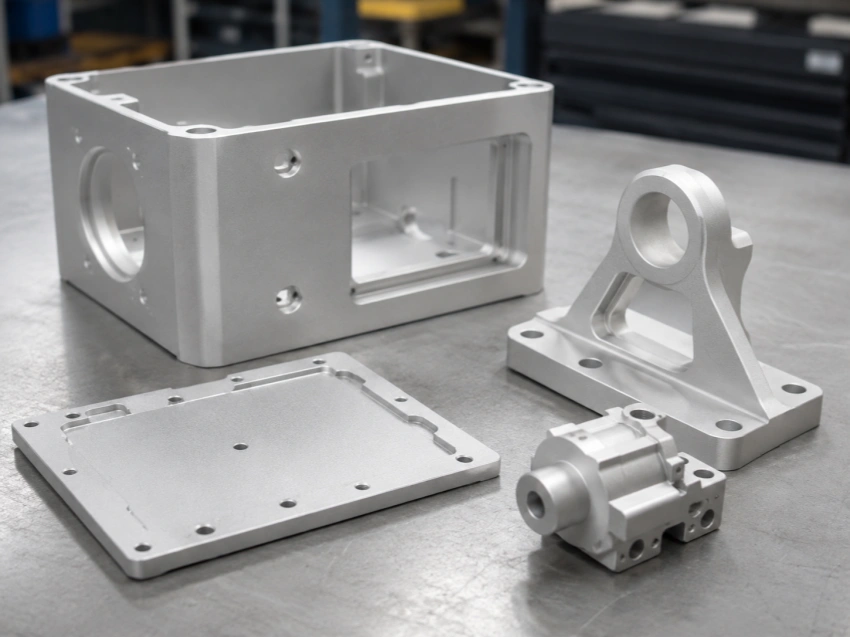
What Is Sandblasting and Bead Blasting?
Sandblasting and bead blasting are abrasive surface finishing processes that use pressurized media to modify the surface texture of a machined part.
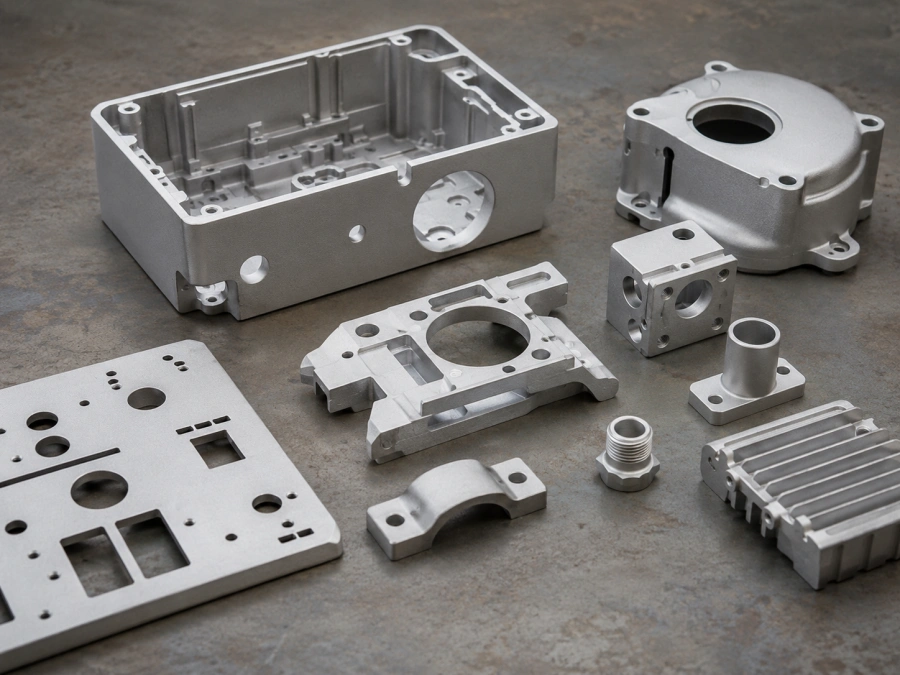
The process can help reduce the appearance of light machining marks, create a more uniform surface, and produce a matte or satin-like finish on metal components.
For CNC machined parts, bead blasting is commonly used on aluminum housings, brackets, covers, panels and other visible components where a consistent cosmetic appearance is required.
The final texture depends on the blasting media, particle size, pressure, material grade, part geometry and the original machined surface.
Sandblasting vs. Bead Blasting
Both processes use abrasive media, but the final surface texture and typical application can be different.
Sandblasting
Sandblasting is a broader abrasive blasting process that can use different media to clean, prepare or texture metal surfaces.
Common Uses- Surface cleaning and preparation
- Removing oxidation or light contamination
- Creating a more noticeable surface texture
- Preparing parts before coating or painting
Bead Blasting
Bead blasting is commonly selected for a more controlled and uniform matte appearance, especially on visible CNC machined components.
Common Uses- Aluminum housings and enclosures
- Visible mechanical components
- Panels, brackets and covers
- Parts before anodizing
Common Materials for Sandblasting and Bead Blasting
Blasting can be applied to a range of CNC machined metals, with the final texture depending on the material, media and required appearance.
Aluminum
Commonly bead blasted to create a uniform matte appearance. It is also often combined with clear, black or colored anodizing.
Stainless Steel
Suitable for creating a clean satin or matte surface on covers, housings, equipment parts and visible mechanical components.
Steel
Can be blasted for surface preparation, cleaning or creating a suitable base before painting, coating or other protective finishes.
Other Metals
Selected brass, copper and other metal parts can also be blasted depending on the geometry, surface condition and required finish.
What to Consider Before Blasting CNC Parts
Blasting is a relatively simple finishing process, but critical surfaces, tight fits and appearance requirements should be reviewed before production.
Critical Dimensions
Tight fits, sealing areas and dimension-critical surfaces should be clearly identified on the drawing so they can be reviewed before blasting.
Threads and Precision Holes
Threads, bearing fits, reamed holes and other precision features may require masking or protection depending on the blasting requirement.
Surface Consistency
Final appearance can vary slightly with alloy grade, original machining marks, part geometry, blasting media and processing conditions.
Blasting Before Anodizing
For aluminum parts, bead blasting is often specified before anodizing when a more uniform matte anodized appearance is required.