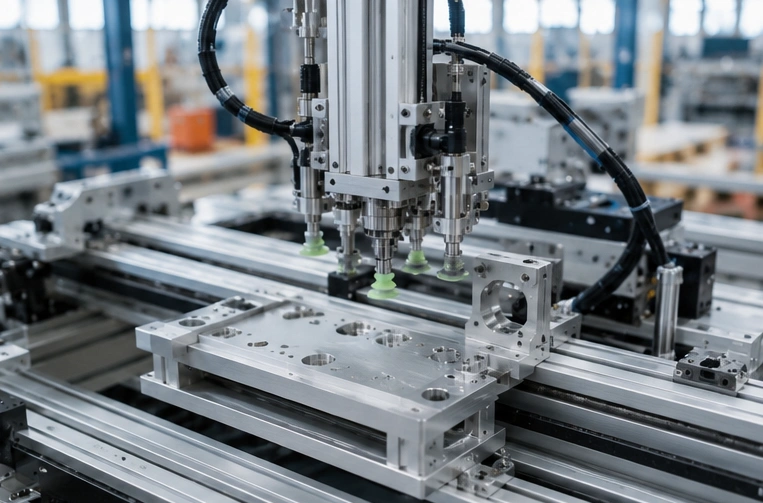

Advantages of Five-Axis CNC Machining for Drone Parts
Five-axis CNC machining provides high precision, flexibility, and efficiency for complex drone components. It is especially useful for lightweight UAV parts, complex curved surfaces, box-type parts, covers, and high-accuracy structural components.
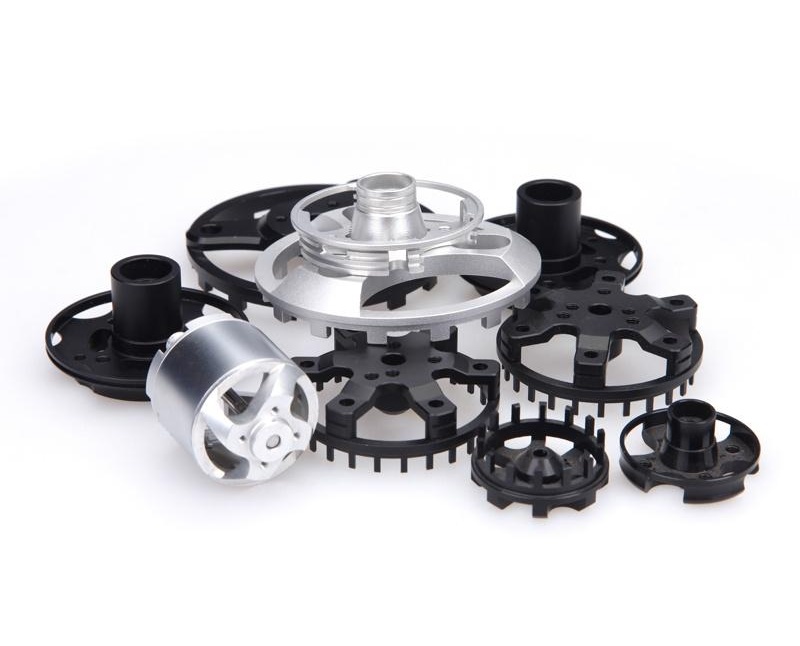
Five-axis CNC machining is suitable for complex and high-precision drone components.
The aerospace industry requires extremely high precision for aircraft, rockets, satellites, and other flight systems. Poorly manufactured parts used in flying machines may prevent systems from functioning properly and can lead to serious manufacturing defects or even flight failure.
Using five-axis CNC machining for these applications can greatly improve machining accuracy. With the rapid development and widespread use of drones, the demand for high-precision CNC machined drone parts continues to grow.
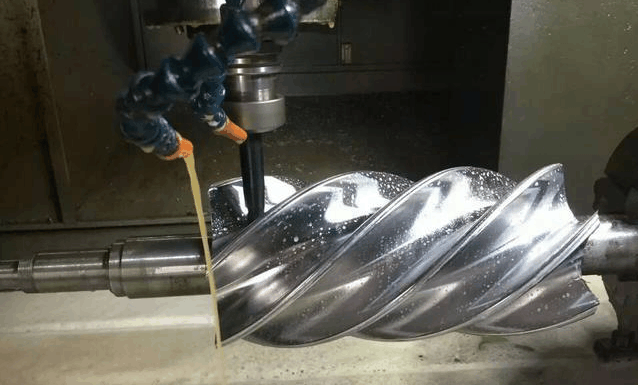
Advanced five-axis machining technology is not only used in the manufacturing of drone parts and CNC milled components, but also widely applied in aerospace part machining. Five-axis CNC machines can process complex curved-surface parts that three-axis machines cannot easily handle, such as propellers, impellers, and other complex geometries.
For complex and time-sensitive machined parts, five-axis CNC machining provides excellent flexibility, speed, and precision.
Why Five-Axis CNC Machining Is Important for Drone Parts
Drone CNC precision parts require high accuracy, stable quality, and reliable performance. Five-axis CNC machines can meet these requirements by allowing the cutting tool to approach the workpiece from multiple angles in a single setup.
This reduces repeated clamping, improves machining accuracy, and helps create complex geometries with better surface quality. For drone manufacturers, this means faster development, more stable part quality, and better support for lightweight structural design.
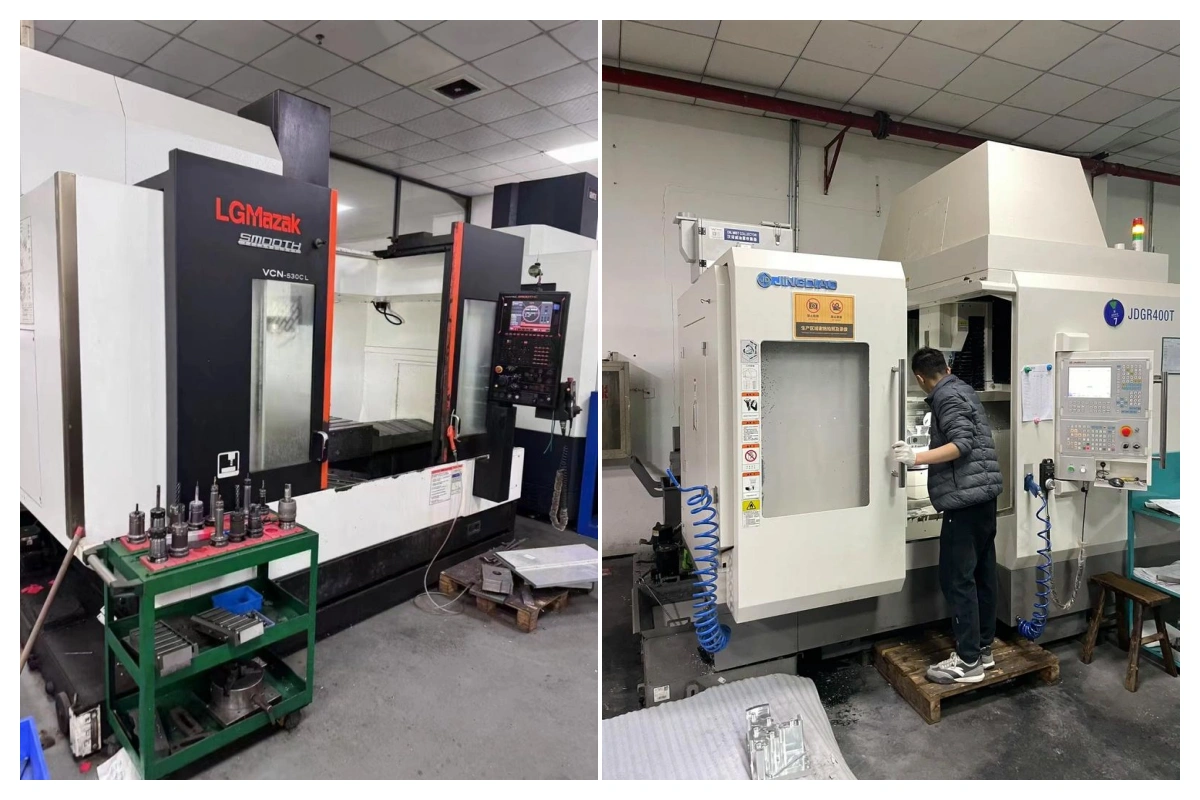
At CNCTAL, our four-axis and five-axis milling capabilities allow us to deliver precision parts with complex geometries, from rapid prototypes to end-use components for demanding applications.
Common Drone Parts Suitable for Five-Axis CNC Machining
Drone accessories and parts may include propeller guards, spare propellers, battery housings, lithium battery pack components, camera mounts, GPS tracker housings, brackets, covers, and structural parts. Drone part machining commonly uses materials such as aluminum, copper, stainless steel, and zinc alloys.
Below are several types of drone components that are especially suitable for five-axis CNC machining.
1. Box-Type Parts
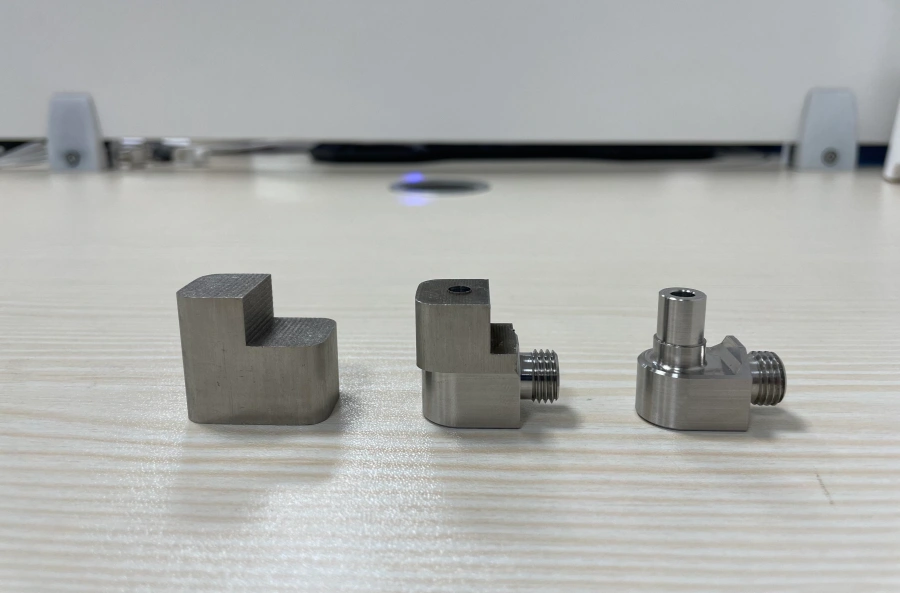
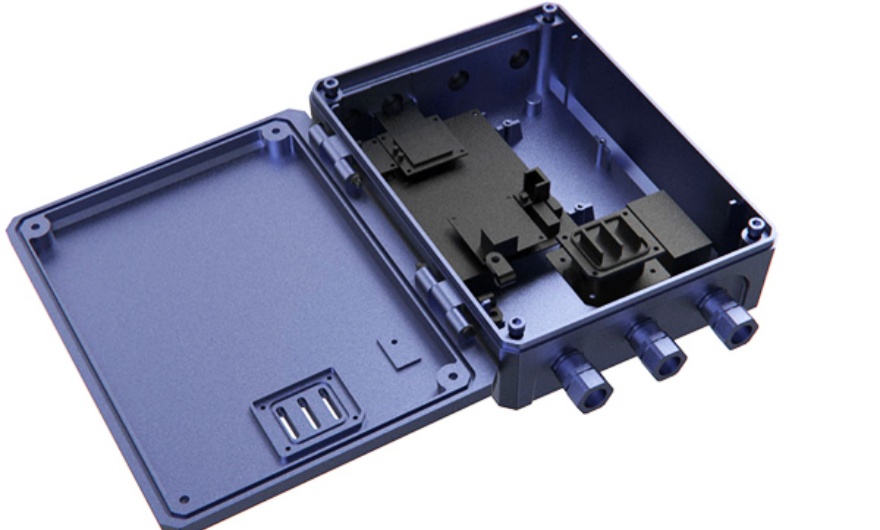
Box-type parts are often difficult to machine because they may require multi-side machining, accurate hole positioning, and stable dimensional control. Five-axis CNC machining helps solve this problem by allowing multiple surfaces to be processed with fewer setups.
Through worktable rotation and multi-angle machining, five-axis machines can efficiently complete box-type drone components with improved precision and consistency.
2. Disc, Cover, and Plate Parts
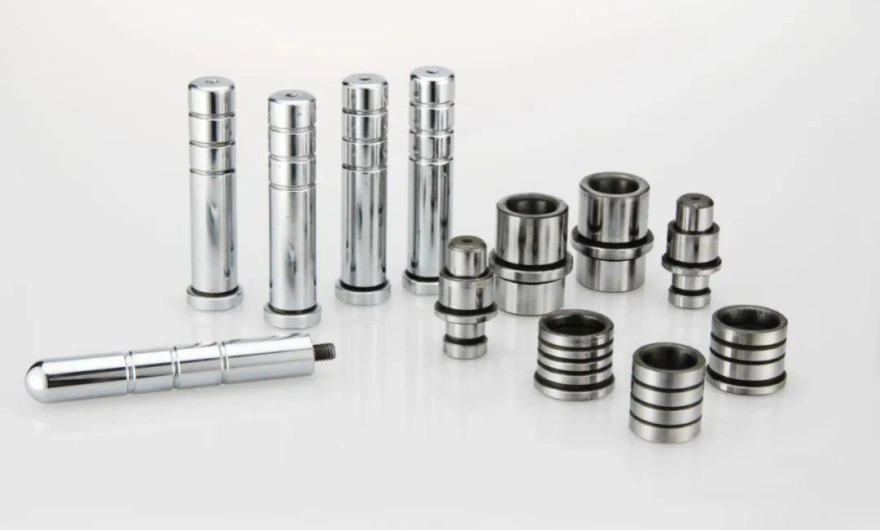
Five-axis CNC machining is also suitable for disc, sleeve, cover, and plate-type parts. These parts may include keyways, radial holes, distributed end-face holes, or complex mounting features.
Examples include flanged sleeves, shaft components with keyways, motor covers, and electronic housing covers. Depending on the part structure and hole direction, vertical or horizontal machining centers may be selected.
Complex UAV parts often require multi-angle machining and stable dimensional accuracy.
3. Special Machining Applications
Five-axis CNC machining can also support some special machining applications when combined with dedicated fixtures, special tools, and optimized machining processes.
For example, certain metal drone components may require surface processing, special contour machining, or localized functional features. With high-performance five-axis machining, the success rate and machining quality of these complex operations can be improved.
Advantages of Five-Axis CNC Machining for Drone Components
- Higher precision: Multi-angle machining reduces repeated clamping and improves dimensional accuracy.
- Better for complex geometries: Suitable for curved surfaces, irregular shapes, impellers, propellers, and complex housings.
- Improved efficiency: More features can be completed in one setup, reducing production time.
- Better surface quality: Optimized tool angles help achieve smoother surfaces on complex parts.
- Support for lightweight design: Complex lightweight structures can be machined more effectively.
- Suitable for prototypes and end-use parts: Ideal for fast development and demanding UAV applications.
Conclusion
The deep machining capability of five-axis CNC technology has attracted attention across many industries, especially in aerospace and drone manufacturing. For drone parts, five-axis machining is suitable not only for box-type parts, cover and plate parts, and special machining applications, but also for irregular-shaped parts and complex curved-surface components.
As drone technology continues to evolve, manufacturers need more accurate, lightweight, and reliable components. Five-axis CNC machining provides the flexibility and precision required to support this development.
Need Five-Axis CNC Machined Drone Parts?
CNCTAL provides custom CNC machining services for drone frames, covers, housings, brackets, motor mounts, and complex UAV components. Send us your CAD files or drawings for an engineering review.
Request a QuoteFAQ About Five-Axis CNC Machining for Drone Parts
Why is five-axis CNC machining useful for drone parts?
Five-axis CNC machining can process complex geometries from multiple angles, reduce setup times, improve accuracy, and support lightweight drone component design.
What drone parts are suitable for five-axis machining?
Box-type parts, covers, plates, motor housings, brackets, propeller-related parts, and complex curved-surface UAV components are suitable for five-axis CNC machining.
Which materials are commonly used for CNC machined drone parts?
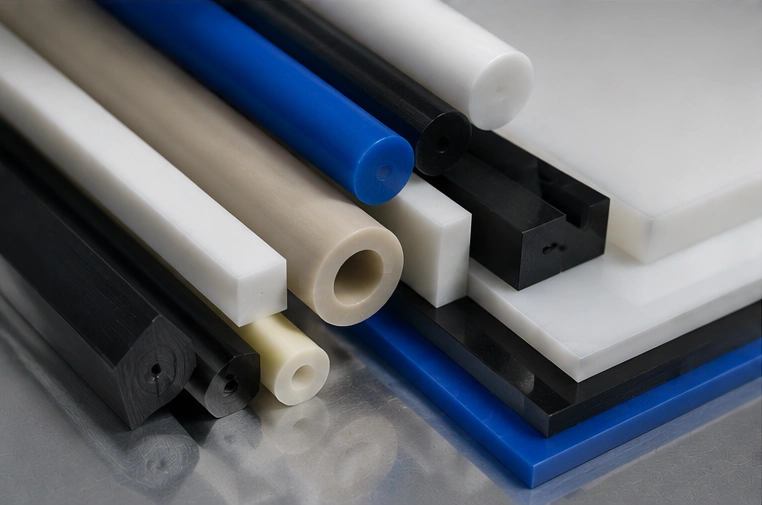
Common materials include aluminum, copper, stainless steel, zinc alloy, magnesium alloy, and engineering plastics, depending on the part function and application requirements.
Is five-axis CNC machining suitable for drone prototypes?
Yes. Five-axis CNC machining is suitable for drone prototypes, low-volume production, complex custom parts, and end-use UAV components.