
CNC Machining vs 3D Printing for Functional Parts: Which Process Is Better?
When developing a functional part, one of the first manufacturing decisions engineers face is whether the part should be CNC machined or 3D printed.
Both technologies are widely used in product development and low-volume manufacturing, but they solve different problems. 3D printing is known for design freedom and fast iteration, while CNC machining is known for precision, material performance, and production-quality parts.
The right choice depends on what the part actually needs to do. A cosmetic concept model and a load-bearing aluminum bracket have very different requirements.
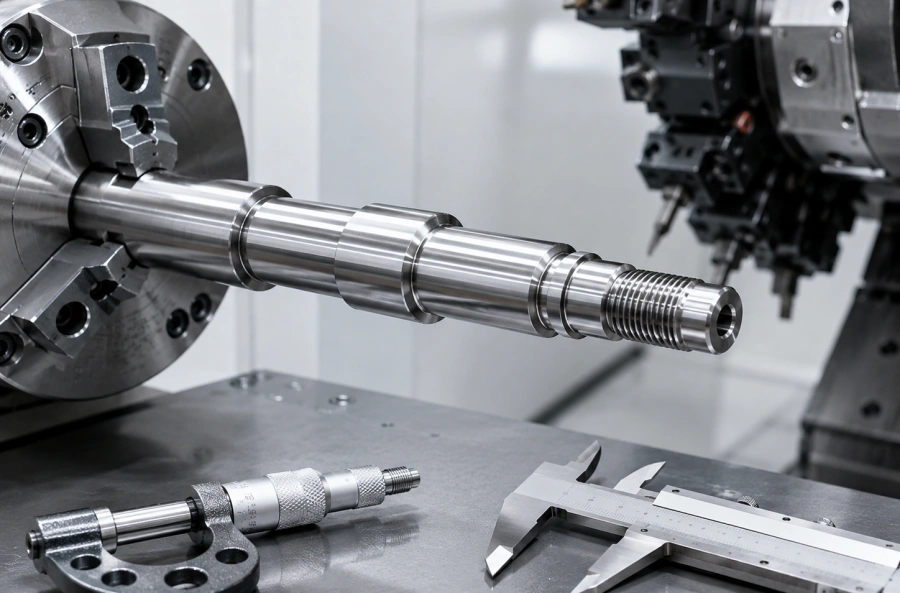
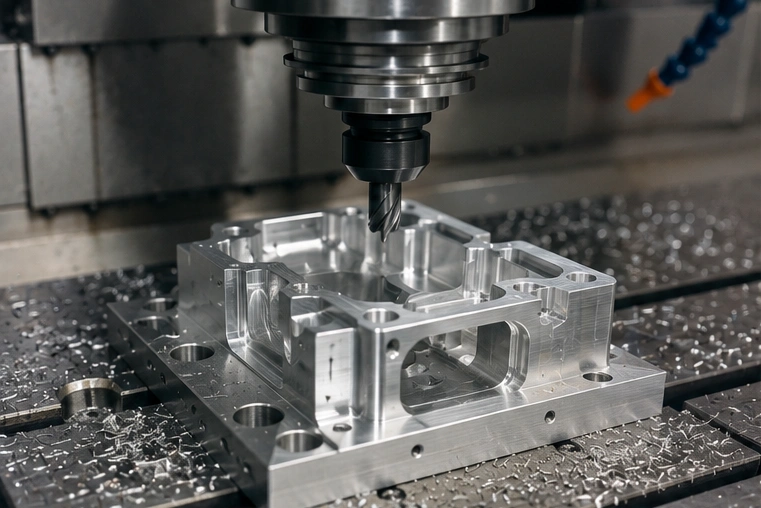 Image 1: CNC machining and 3D printing are both useful, but they serve different functional part requirements.
What Is a Functional Part?
A functional part is not just a visual prototype or display model. It is a component designed to perform a real mechanical, structural, thermal, electrical, or assembly-related function.
Examples include machine brackets, robot components, automotive fixtures, drone parts, tooling components, electronics enclosures, medical device housings, and custom industrial hardware.
- Mechanical strength
- Dimensional accuracy
- Wear resistance
- Thermal stability
- Chemical resistance
- Reliable assembly fit
For functional parts, the manufacturing process should be selected based on performance requirements — not only speed, cost, or appearance.
CNC Machining: Built for Performance Parts
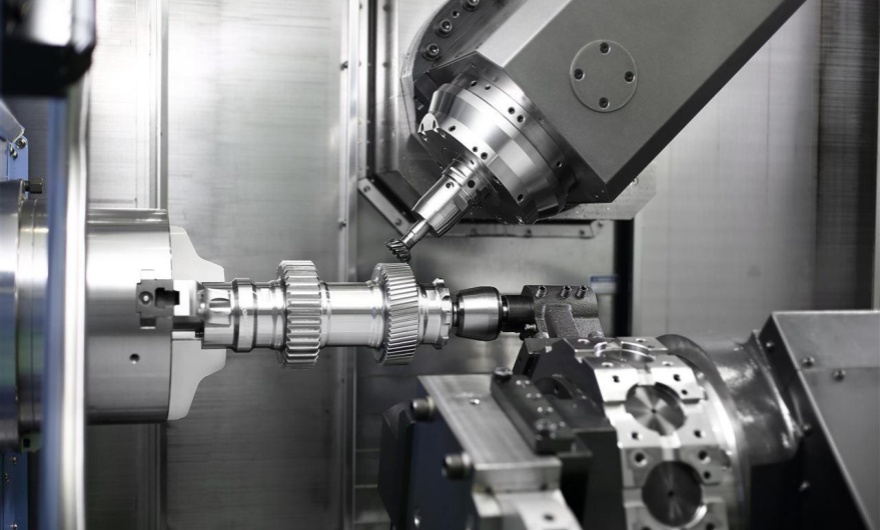
CNC machining removes material from solid metal or plastic stock using computer-controlled cutting tools. Because the part is machined from fully dense material, it keeps the original strength and engineering properties of the selected material.
Advantages of CNC Machining for Functional Parts
1. Stronger material properties
CNC parts are cut from solid material stock, such as aluminum, stainless steel, brass, copper, titanium, PEEK, ABS, or POM. This gives engineers more predictable mechanical performance compared with many printed materials.
2. Higher precision and tighter tolerances
CNC machining is suitable for bearing seats, threaded holes, sealing surfaces, flat mounting faces, and precision assembly features. Depending on geometry and process, tolerances can reach ±0.01 mm.
3. Better surface finish options
CNC machined parts can be finished with anodizing, sandblasting, polishing, powder coating, black oxide, electroplating, and other surface treatments.
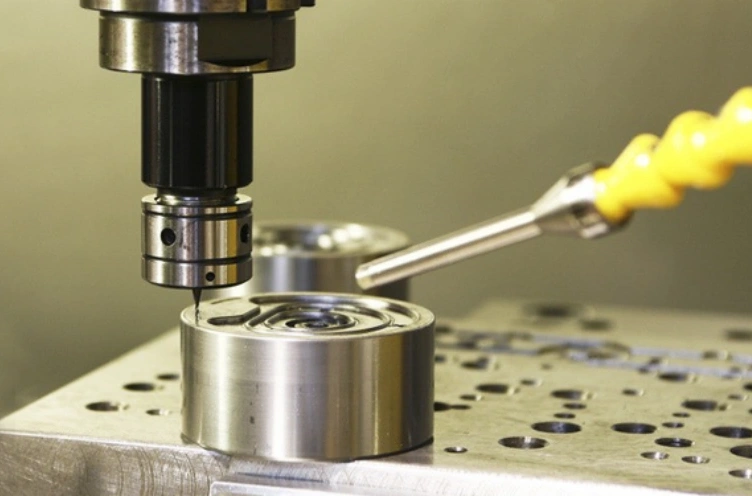
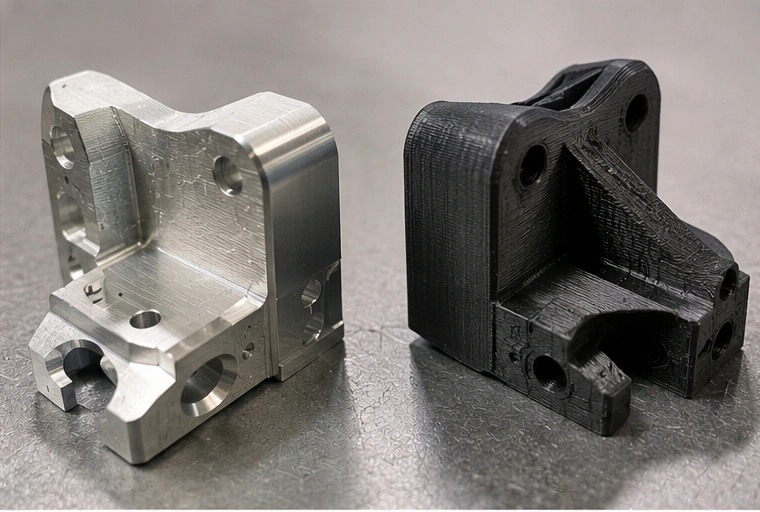 Image 2: CNC machining is often preferred for precision functional parts requiring strength and tight tolerances.
Limitations of CNC Machining
CNC machining is not always the best method for every design. Since cutting tools must physically reach the machining area, some internal channels, enclosed cavities, lattice structures, or highly organic shapes may be difficult or expensive to machine.
- Higher cost for complex internal geometries
- Material waste during subtractive manufacturing
- Programming and setup requirements
- Tool access limitations for certain designs
3D Printing: Speed and Design Freedom
3D printing builds parts layer by layer from digital models. Instead of removing material, it adds material only where needed. This makes it attractive for fast iteration, concept development, and complex geometry.
Advantages of 3D Printing for Functional Parts
1. Complex geometry
3D printing can create internal lattice structures, organic shapes, internal cooling channels, and lightweight topology-optimized designs that may be difficult or impossible with traditional machining.
2. Faster design iteration
When engineers need quick physical feedback, 3D printing is often useful for early-stage prototypes, ergonomic testing, concept verification, and fixture development.
3. Lower cost for early prototypes
For simple prototypes or one-off validation models, 3D printing can reduce setup time and upfront manufacturing cost.
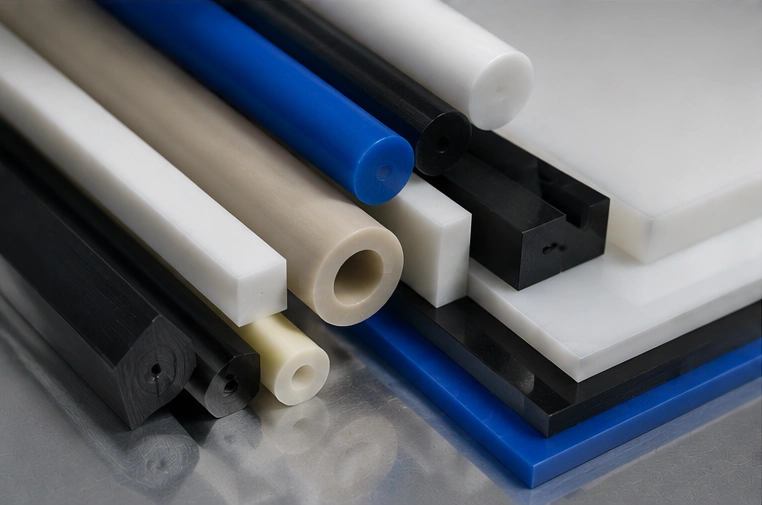
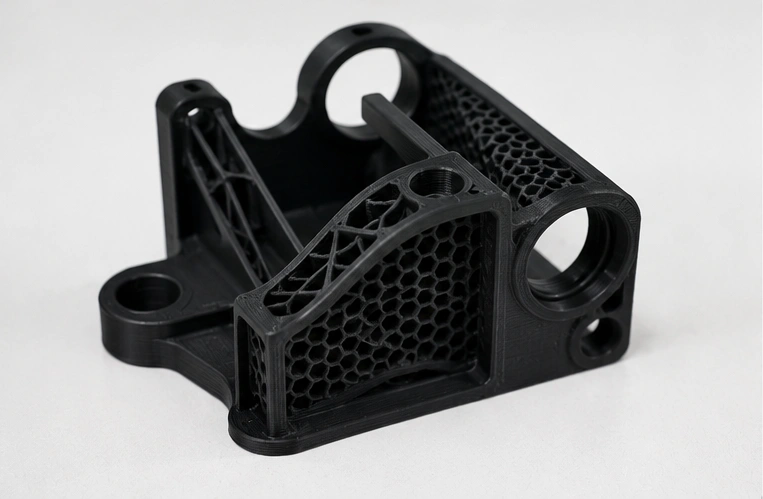 Image 3: 3D printing is useful for quick design iteration and complex prototype geometry.
Limitations of 3D Printing for Functional Parts
While 3D printing offers excellent flexibility, it may not always provide the strength, accuracy, or surface quality needed for final functional components.
- Layer lines may affect appearance and surface quality
- Material strength may vary by print direction
- Dimensional accuracy is often lower than CNC machining
- Post-processing may be required
- Fatigue resistance may be limited for load-bearing applications
CNC Machining vs 3D Printing: Key Comparison
| Factor | CNC Machining | 3D Printing |
|---|---|---|
| Material Strength | Excellent, from solid engineering materials | Depends on print process and material |
| Precision | Very high, suitable for tight tolerances | Moderate, may require post-processing |
| Surface Finish | Excellent, multiple finishing options | Layer lines often visible |
| Complex Geometry | Limited by tool access | Excellent for organic and internal features |
| Prototype Speed | Moderate | Fast for early concepts |
| End-Use Functional Parts | Excellent for production-grade components | Application dependent |
| Best Use Case | Precision, strength, and reliability | Fast iteration and complex shapes |
When Should You Choose CNC Machining?
CNC machining is usually the stronger choice when your part requires high mechanical strength, tight tolerances, production-grade materials, excellent surface finish, and reliable repeatability.
- Aerospace brackets
- Precision machine parts
- Automotive components
- Robot hardware
- Industrial fixtures
- High-performance aluminum enclosures
When Should You Choose 3D Printing?
3D printing may be the better option when your project needs rapid iteration, complex internal geometry, lightweight optimized structures, or low-cost early prototypes.
- Concept models
- Ergonomic mockups
- Internal cooling concepts
- Development fixtures
- Lightweight experimental structures
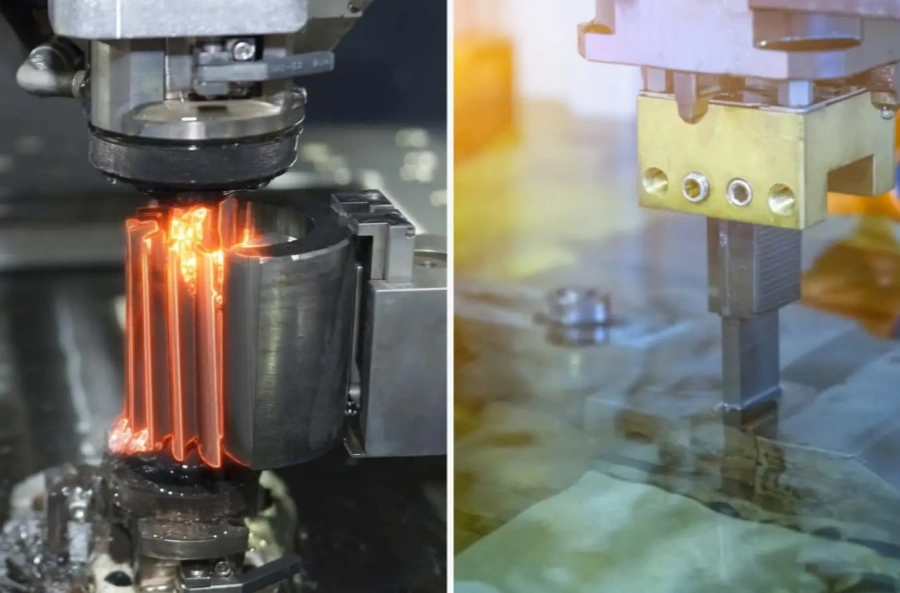
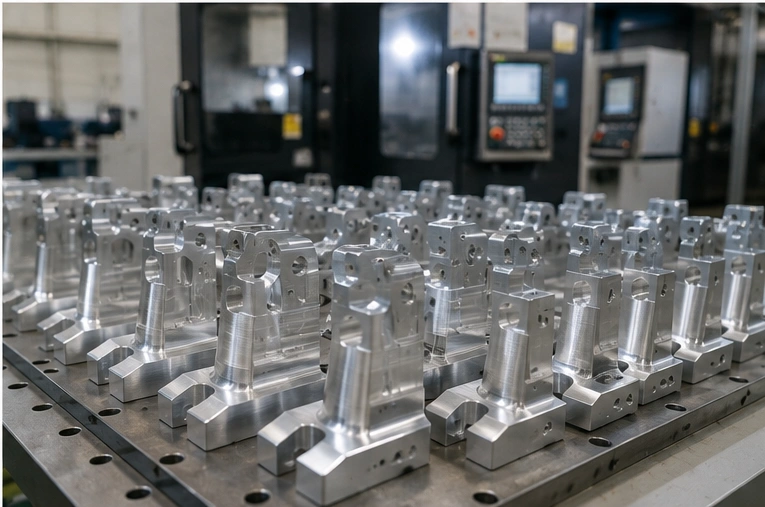 Image 4: For final functional components, CNC machining is often selected for strength, precision, and repeatability.
Hybrid Manufacturing: Using Both Technologies Together
In many real product development projects, the answer is not simply CNC machining or 3D printing. Many teams use both technologies at different stages.
A common workflow
Phase 1 — 3D Printing: fast prototypes, geometry validation, ergonomic testing, and design revisions.
Phase 2 — CNC Machining: production-quality validation, material performance testing, and final functional components.
Final Thoughts
CNC machining and 3D printing are both valuable manufacturing technologies, but they are not interchangeable.
For functional parts that require strength, precision, surface quality, and long-term reliability, CNC machining often remains the preferred choice. For rapid iteration, complex geometry, and early-stage development, 3D printing offers important advantages.
The best decision depends on your application, material requirements, geometry, budget, and performance expectations.
Need Functional CNC Parts for Your Project?
CNCTAL manufactures precision CNC machined functional components for industrial equipment, robotics, aerospace, automotive, electronics, and medical device applications.
- Aluminum, stainless steel, brass, copper, and engineering plastics
- Prototype to low-volume production
- Tight tolerances up to ±0.01 mm
- Surface finishing options
- Fast engineering support
Whether you are moving from 3D printed prototypes to production-ready components or developing a new functional assembly, our engineering team can support your project.
Upload CAD for Instant QuoteFAQ: CNC Machining vs 3D Printing for Functional Parts
Is CNC machining better than 3D printing for functional parts?
CNC machining is often better for functional parts that require high strength, tight tolerances, production-grade materials, and reliable surface quality. 3D printing is usually more suitable for rapid iteration, complex geometry, lightweight designs, and early-stage prototype development.
When should I choose CNC machining instead of 3D printing?
CNC machining is usually preferred when parts require strong mechanical performance, precision assembly features, tight tolerances, engineering-grade materials, good surface finish, or long-term production reliability.
Can 3D printed parts be used as functional parts?
Yes. Some 3D printed parts can be used in real applications, especially for prototypes, fixtures, ergonomic testing, and lightweight components. However, strength, surface quality, dimensional accuracy, and fatigue performance depend heavily on the printing technology and material used.
Which process provides better surface finish: CNC machining or 3D printing?
CNC machining generally provides better surface finish and tighter dimensional consistency than standard 3D printing. CNC machined parts can also support secondary finishing such as anodizing, polishing, sandblasting, powder coating, black oxide, and plating.
Can CNC machining and 3D printing be used together?
Yes. Many engineering teams use 3D printing for early design validation and rapid prototyping, then move to CNC machining for production-grade testing, functional validation, and final end-use components.