
What Tolerance Can CNC Machining Achieve?
Stop chasing ±0.001 mm unless your part actually needs it. CNC machining can be extremely precise, but tighter tolerance is not always better engineering — sometimes it only means higher cost, longer lead time, and more manufacturing risk.
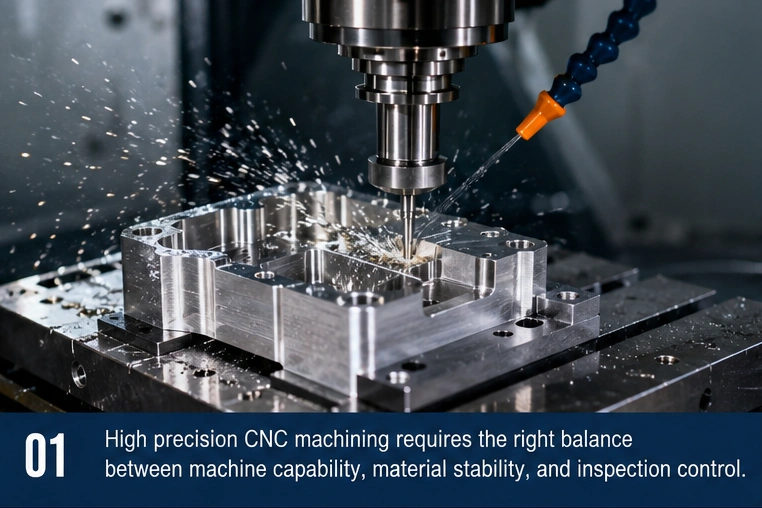
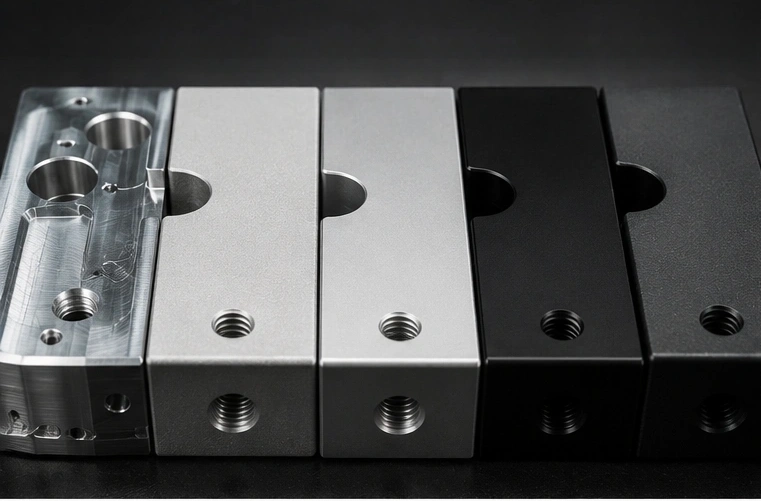
Precision CNC machining requires the right balance between machine capability, material stability, and inspection control.
If you have been around CNC machining long enough, you have probably seen suppliers throwing around numbers like ±0.01 mm, ±0.005 mm, or even ±0.001 mm precision like they are handing out business cards.
It sounds impressive. But here is the uncomfortable truth: ultra-tight tolerance is not always a sign of better machining. In many cases, it is simply a sign of higher cost, slower production, and engineering overkill.
So, what tolerance can CNC machining really achieve? Modern CNC machining can routinely achieve ±0.01 mm on many precision components, and in some controlled applications, even tighter than ±0.005 mm. But the real answer depends on the part, material, geometry, tooling, inspection method, and production environment.
The Standard Tolerance Range in CNC Machining
Most CNC machined parts do not need aerospace-level precision. For general industrial machining, realistic tolerance expectations usually fall into the following range:
| Tolerance Level | Typical Capability | Common Applications |
|---|---|---|
| ±0.10 mm | Standard machining | Brackets, covers, fixtures, non-critical parts |
| ±0.05 mm | Good commercial precision | Mechanical assemblies, housings, equipment parts |
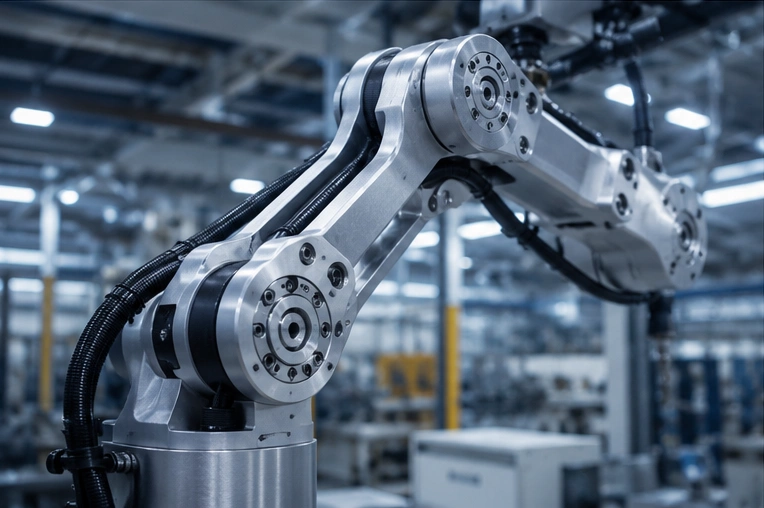
| ±0.02 mm | High precision machining | Automation, robotics, automotive components |
| ±0.01 mm | Precision CNC machining | Medical, aerospace, optical, precision instruments |
| ±0.005 mm or tighter | Specialized machining and inspection | Bearing fits, shafts, critical mating surfaces |
If a supplier promises ±0.001 mm on everything, ask questions. Lots of questions. Machining a simple aluminum bracket and machining a hardened steel spindle are not remotely the same challenge.
CNC Machines Are Precise — Materials Are Not
This is the part many buyers underestimate. A CNC machine may position within microns, but the material does not always behave perfectly.
Aluminum expands. Stainless steel work-hardens. Plastic warps. Copper deflects. Titanium fights back.
Aluminum
Aluminum is easy to machine and widely used for precision CNC parts. However, thermal expansion, thin walls, and aggressive machining strategies can still shift dimensions. A warm workshop or unstable fixturing can turn a good part into a failed inspection report.
Stainless Steel
Stainless steel offers excellent strength and stability, but work-hardening can become a problem. Improper toolpaths, worn tools, or poor chip control can affect surface finish, hole accuracy, and repeatability.
Engineering Plastics
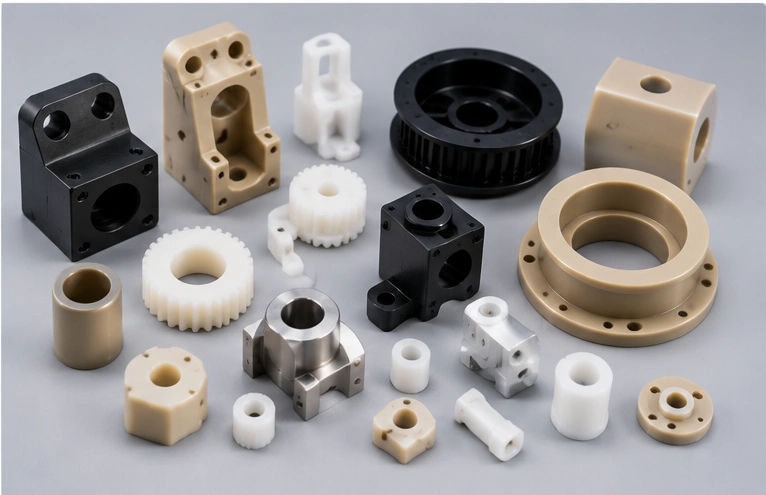
Plastic parts are often misunderstood. Materials such as POM, PEEK, Nylon, ABS, and PMMA can absorb moisture, release internal stress, or change size with temperature. Demanding metal-style tolerance on plastic components often creates unnecessary disputes.
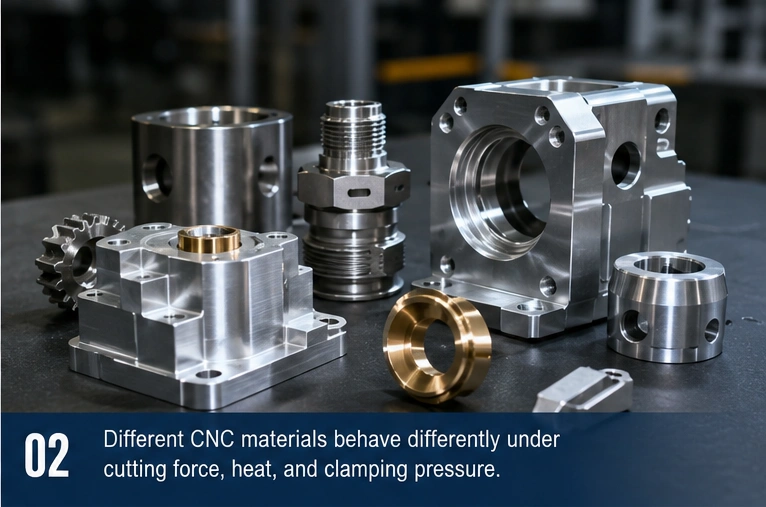
Different CNC materials behave differently under cutting force, heat, and clamping pressure.
Geometry Matters More Than Most Drawings Admit
You cannot evaluate tolerance without looking at geometry. A small aluminum cube with one drilled hole and a long thin plate with deep pockets may both show ±0.01 mm on the drawing, but they are completely different machining problems.
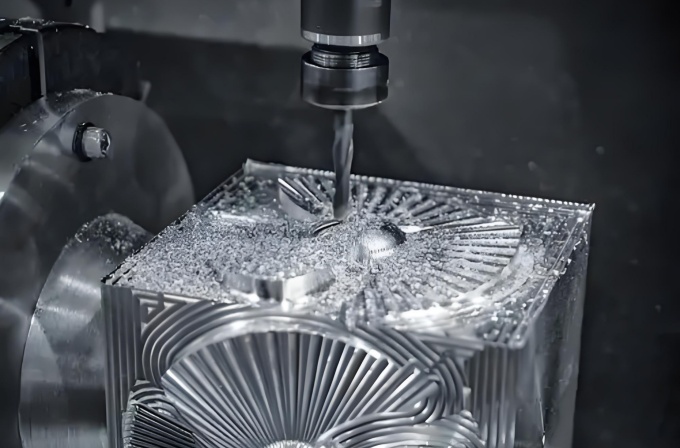
Large parts move. Thin walls vibrate. Deep cavities generate heat. Long slender features introduce tool deflection. Multiple setups increase accumulated error.
Yet many drawings apply blanket tight tolerances everywhere. That does not make the part more precise. It only makes the quote more expensive.
The Hidden Cost of Tight Tolerances
Let us be direct: every digit you tighten on a drawing costs money. Sometimes a lot of money.
Tighter tolerances usually require:
- Slower cutting parameters
- More stable and expensive fixturing
- Additional inspection steps
- Better tool wear control
- Temperature management
- Secondary finishing operations
- Higher scrap risk
Going from ±0.10 mm to ±0.01 mm is not a small adjustment. In some projects, it can significantly increase machining cost and lead time.
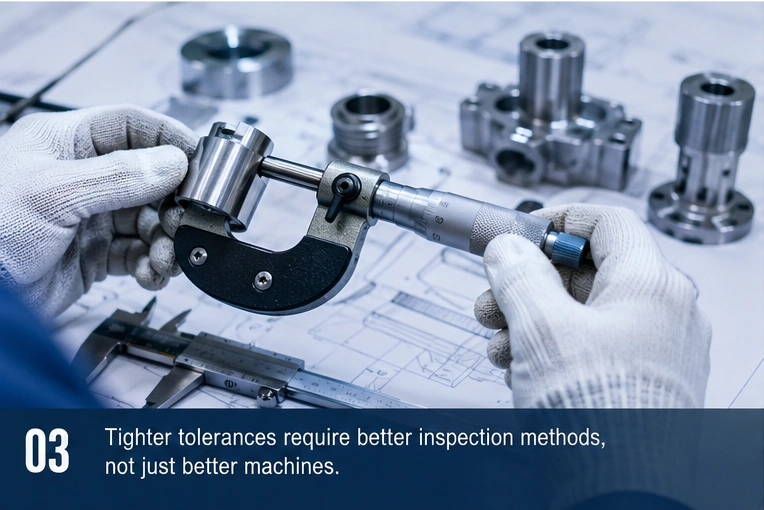
Tighter tolerances require better inspection methods, not just better machines.
What Is Realistic for Modern CNC Shops?
CNC Milling
For CNC milling, a typical tolerance range is around ±0.02 mm to ±0.05 mm. For well-designed parts with stable materials and good fixturing, ±0.01 mm is achievable.
CNC Turning
CNC turning is often stronger for round parts, shafts, bushings, pins, sleeves, and precision diameters. Typical turning tolerance may reach ±0.01 mm to ±0.02 mm, especially on controlled outer diameters, bores, and mating surfaces.
5-Axis CNC Machining
5-axis CNC machining is excellent for complex geometries and multi-surface accuracy. But 5-axis machining does not automatically mean tighter tolerance. That is another industry myth.
It reduces setups and improves positional relationship between features, but final tolerance still depends on tooling, material, fixture, inspection, and process control.
Inspection: If You Cannot Measure It, You Cannot Claim It
Precision without inspection is just marketing. If a supplier claims tight tolerance, they must also have the right measurement tools to prove it.
Real tolerance control requires proper metrology equipment such as:
- CMM inspection
- Height gauges
- Bore gauges
- Pin gauges
- Micrometers
- Surface roughness testing equipment
Measuring a precision bore with a cheap caliper is not quality control. It is guesswork.
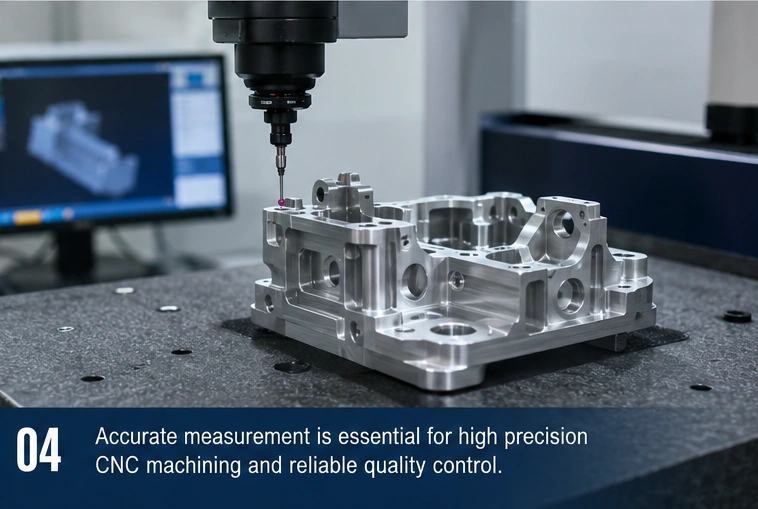
Accurate measurement is essential for high precision CNC machining and reliable quality control.
The Best Tolerance Strategy: Apply Precision Where It Matters
The smartest engineering drawings are rarely the tightest. They are the most intentional.
Good tolerance design means applying tight control only where the part actually needs it:
- Tight tolerance on bearing fits
- Controlled critical interfaces
- Proper GD&T where necessary
- Relaxed tolerance on non-critical surfaces
- Clear surface finish requirements only where function demands it
This approach lowers cost, improves manufacturability, reduces scrap, speeds up production, and usually delivers a better final product.
Final Thoughts: CNC Machining Can Be Extremely Precise — But Precision Has a Price
So, what tolerance can CNC machining achieve?
Technically, very tight. Commercially, it depends on the part, material, process, inspection method, and budget.
At a capable CNC machine shop, ±0.01 mm is achievable on many precision components. But the better question is not “How tight can you machine?”
The better question is:
That is where smart engineering starts — and where good manufacturers separate themselves from simple quote generators.
Need Precision CNC Parts Without Paying for Unnecessary Tolerances?
CNCTAL helps customers balance precision, manufacturability, and cost for CNC prototypes, low-volume production, automation components, robotics parts, and custom industrial assemblies.
Send us your 2D drawing or STEP file. Our engineering team can review your tolerance requirements before production and help you choose a practical machining strategy.
Upload CAD for QuoteFrequently Asked Questions About CNC Machining Tolerance
What tolerance can CNC machining achieve?
Modern CNC machining can typically achieve tolerances between ±0.05 mm and ±0.01 mm. High precision CNC applications may reach ±0.005 mm or tighter depending on material, geometry, machine capability, and inspection methods.
What is considered tight tolerance in CNC machining?
In CNC machining, tolerances tighter than ±0.01 mm are generally considered tight tolerance machining. These applications often require advanced tooling, stable materials, precision inspection, and strict process control.
Does tighter CNC tolerance increase cost?
Yes. Tighter tolerances usually increase machining cost because they require slower cutting speeds, additional inspections, more stable fixturing, tighter process control, and higher scrap prevention measures.
Can CNC machining achieve ±0.001 mm accuracy?
Some specialized CNC operations may approach ±0.001 mm under highly controlled conditions. However, this level of precision is not realistic for most commercial CNC machined parts.
Which CNC process has better tolerance: milling or turning?
Both CNC milling and CNC turning can achieve high precision. CNC turning is often stronger for shafts, bores, and diameters, while CNC milling performs better for complex geometries and multi-surface machining.