
Passivation for Stainless Steel CNC Parts
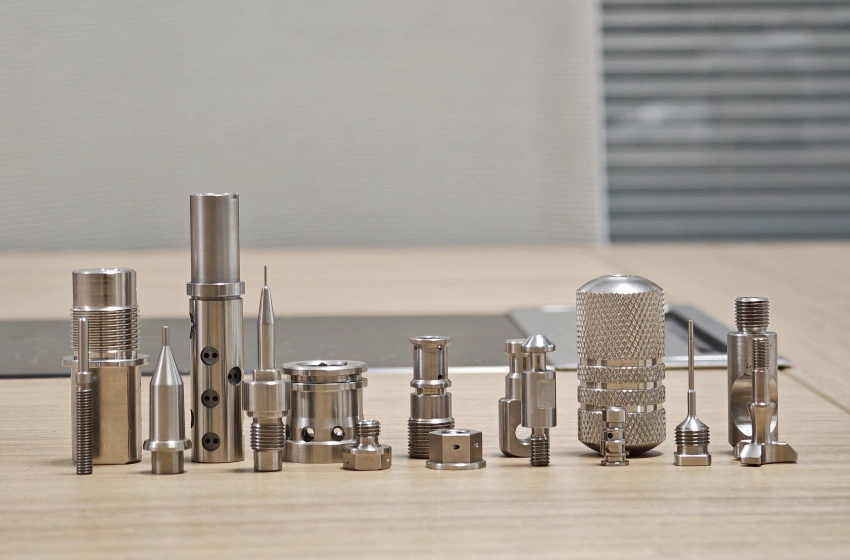
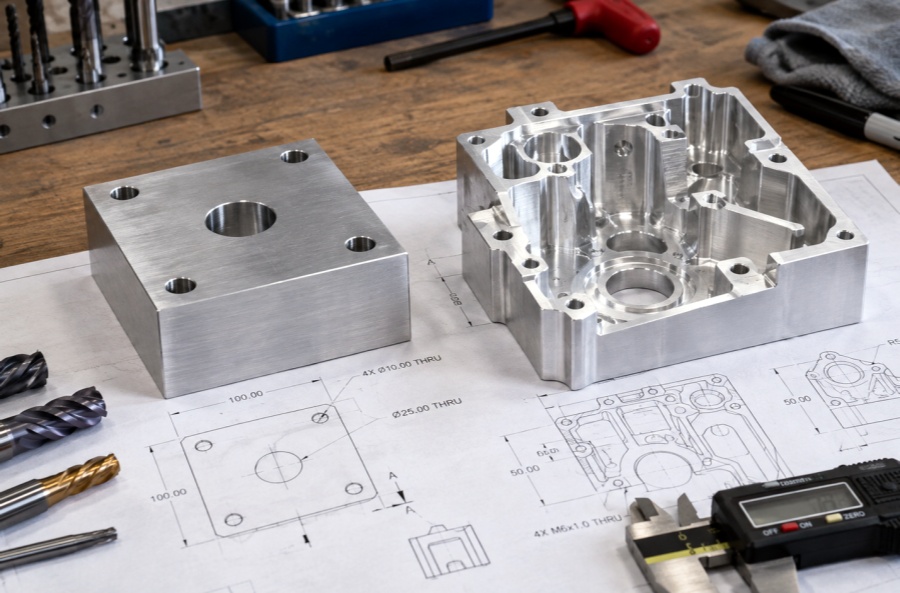
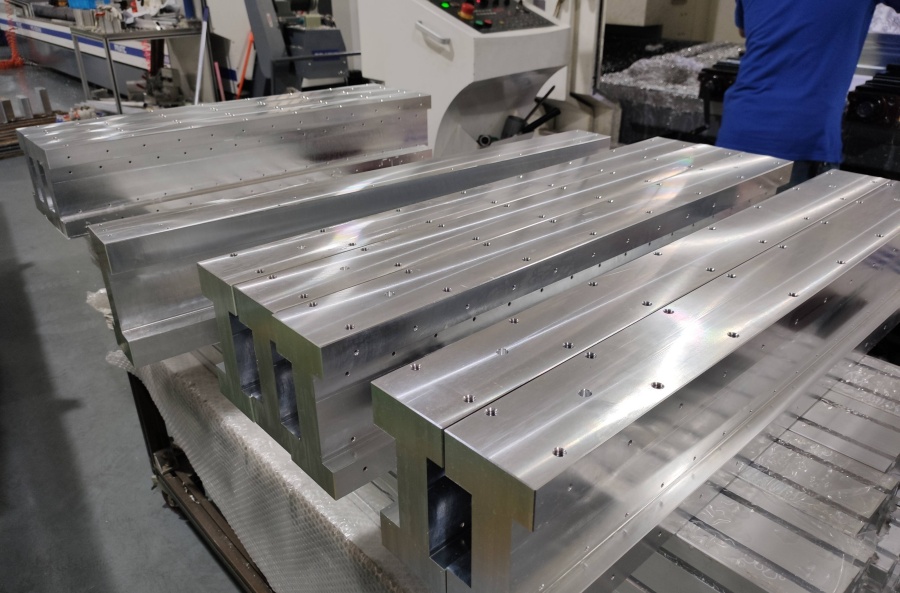
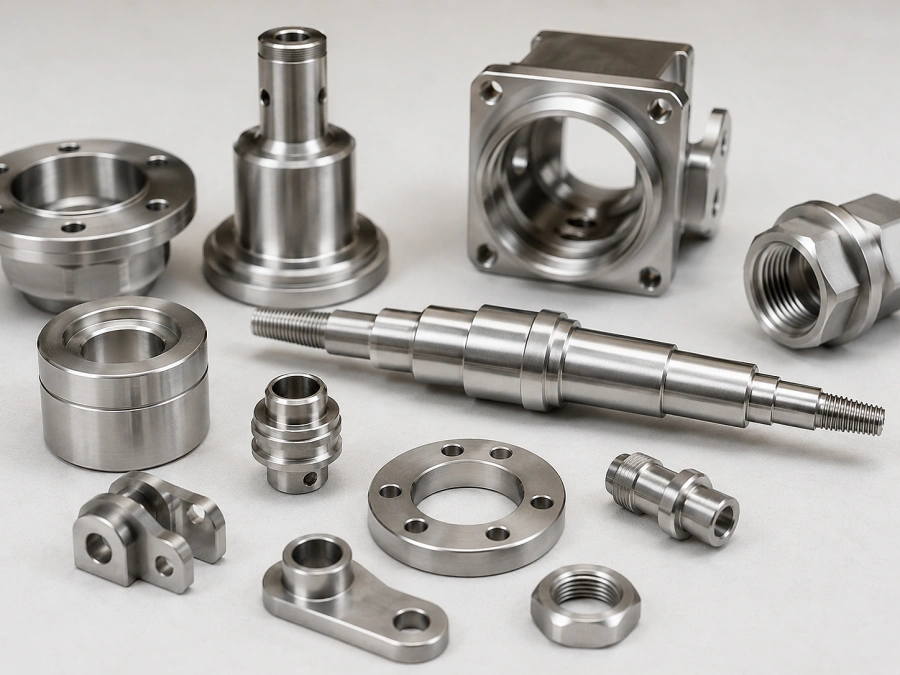
Improve surface cleanliness and support corrosion resistance with passivation for stainless steel CNC parts. CNCTAL supports passivation for machined shafts, fittings, housings, brackets and other precision components based on material grade and application requirements.
- For Stainless Steel Parts
- Remove Surface Iron Contamination
- Support Corrosion Resistance
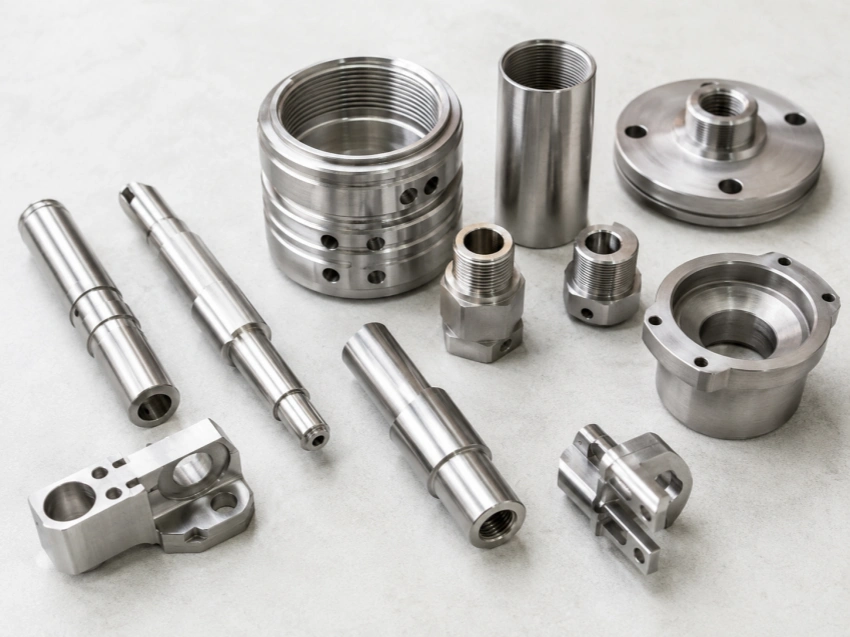
What Is Stainless Steel Passivation?
Passivation is a chemical surface treatment commonly used for stainless steel parts after machining, fabrication or other manufacturing processes.
The treatment helps remove free iron and certain surface contaminants that may remain from cutting tools, handling or contact with other materials during production.
By improving the cleanliness and condition of the stainless steel surface, passivation supports the stability of the naturally protective passive oxide layer and helps maintain corrosion resistance.
It does not normally create a thick visible layer or significantly change the appearance of a properly finished stainless steel part.
Common Stainless Steel Passivation Methods
The suitable passivation process depends on stainless steel grade, surface condition, application requirements and any specified standard.
Nitric Acid Passivation
A traditional passivation method used for suitable stainless steel grades and defined processing requirements.
Citric Acid Passivation
A commonly specified alternative for removing free iron contamination from stainless steel surfaces under controlled process conditions.
Grade-Specific Processing
Treatment chemistry and process conditions should be matched to the stainless steel grade, heat treatment condition and surface state.
Specification-Based Passivation
Parts can be processed according to defined customer requirements or applicable standards when specified on the drawing or purchase order.
Common Stainless Steel Grades for Passivation
Passivation is commonly used on stainless steel CNC parts, with the suitable treatment selected according to alloy grade, surface condition and required specification.
304 Stainless Steel
Commonly passivated for machined housings, brackets, fittings and general-purpose precision components.
316 / 316L Stainless Steel
Frequently used for fluid handling, marine, medical, instrumentation and other corrosion-sensitive applications.
303 Stainless Steel
Common in precision turned and machined parts, with passivation requirements matched to the material condition and specification.
17-4 PH Stainless Steel
Used for high-strength precision components, shafts, industrial parts and selected aerospace-related applications.
What to Consider Before Passivating Stainless Steel Parts
Passivation results depend on the stainless steel grade, prior processing and surface condition, so these factors should be reviewed before treatment.
Stainless Steel Grade
The material grade should be clearly identified because suitable passivation chemistry and process conditions can vary between stainless steel alloys.
Surface Contamination
Free iron, machining residue, oil and other contaminants should be considered before treatment because surface cleanliness can affect the process result.
Prior Surface Condition
Heat scale, heavy oxidation or damaged surfaces may require separate cleaning, descaling or pickling before passivation.
Required Specification
If ASTM A967, ASTM A380 or another customer-defined requirement is needed, include the applicable specification on the drawing or RFQ before production.