

Custom CNC Milling Services for Precision Metal and Plastic Parts
CNCTAL provides custom CNC milling services for aluminum, stainless steel, brass, copper, titanium and engineering plastic parts. From one-piece prototypes to ongoing production, we machine precision milled parts with tight tolerances up to ±0.01 mm.
- 3-axis, 4-axis and 5-axis CNC milling support
- Prototype, small batch and repeat production
- CNC milled housings, brackets, plates and fixtures
- Surface finishing, inspection and global shipping
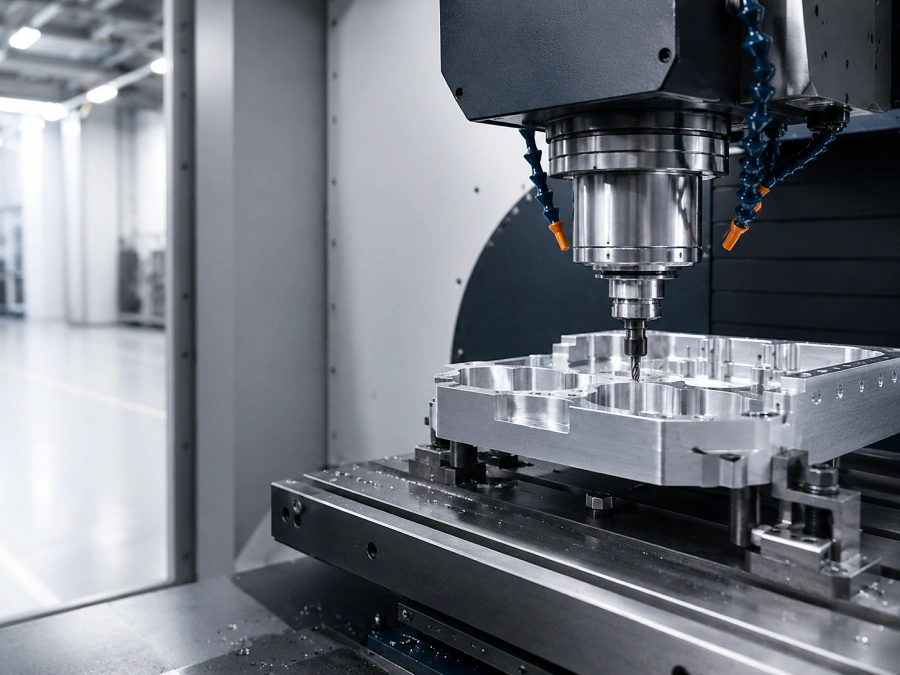
Precision CNC Milling for Custom Parts With Complex Features
Our CNC milling services support prototypes, production batches and repeat manufacturing for metal and plastic components. CNCTAL machines flat surfaces, pockets, slots, holes, threads, contours and complex multi-sided features.
Built for Practical CNC Milled Parts, Not Just Simple Shapes
Many CNC milled parts require several machining operations in one setup or across multiple fixtures. Our engineers review the drawing, material, tolerance and surface finish before production to reduce machining risk and improve part consistency.
- Aluminum housings, plates, brackets, heat sinks and covers
- Stainless steel fixtures, blocks, mounts and machine parts
- Plastic milled parts for prototypes and functional testing
- Secondary operations including tapping, deburring and finishing
3-Axis CNC Milling
Suitable for plates, brackets, covers, mounting blocks and parts with flat surfaces, pockets, slots, drilled holes and tapped threads.
4-Axis CNC Milling
Used for parts that need side features, radial holes, curved profiles or multiple machined faces with better positioning accuracy.
5-Axis CNC Milling Support
Ideal for complex parts with angled faces, undercuts, curved surfaces and features that are difficult to machine with standard setups.
Inspection Before Shipping
Critical dimensions can be checked by CMM, height gauge, micrometer, caliper and other inspection tools based on your drawing.
Custom CNC Milled Parts We Manufacture
CNCTAL manufactures custom CNC milled parts for product development, engineering testing, equipment assembly and production applications. We focus on parts that require accurate holes, pockets, slots, flatness, threaded features, clean edges and stable repeatability.
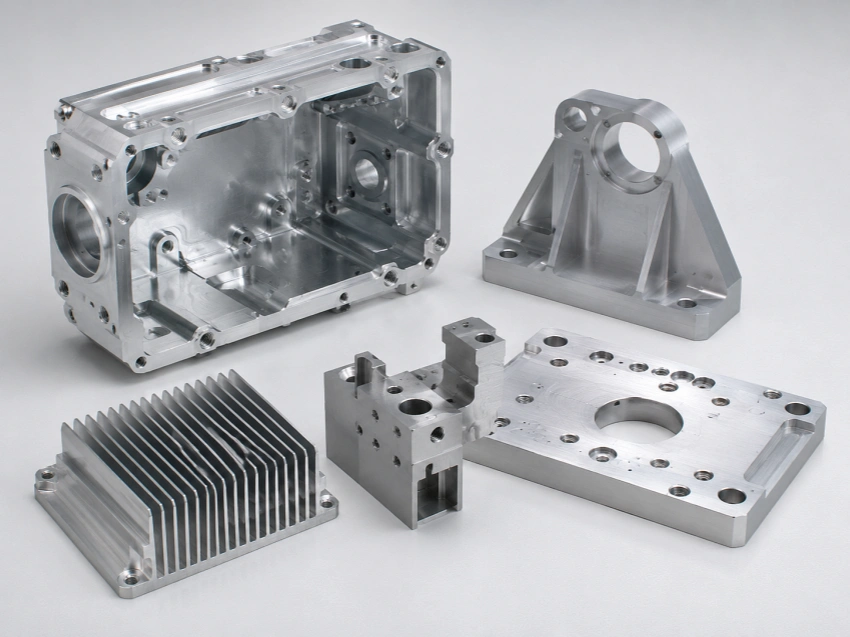
Practical CNC Milling for Real Assembly Parts
Many CNC milled parts are not difficult because of shape alone, but because of tolerance stack-up, burr control, thin walls, threaded holes, surface finish or assembly fit. Our engineers review these details before machining.
- Machined from aluminum, stainless steel, brass, copper, titanium and plastics
- Support for tapped holes, counterbores, slots, pockets and precision profiles
- Deburring, surface finishing and inspection before shipping
- Suitable for prototypes, fixtures, equipment parts and repeat orders
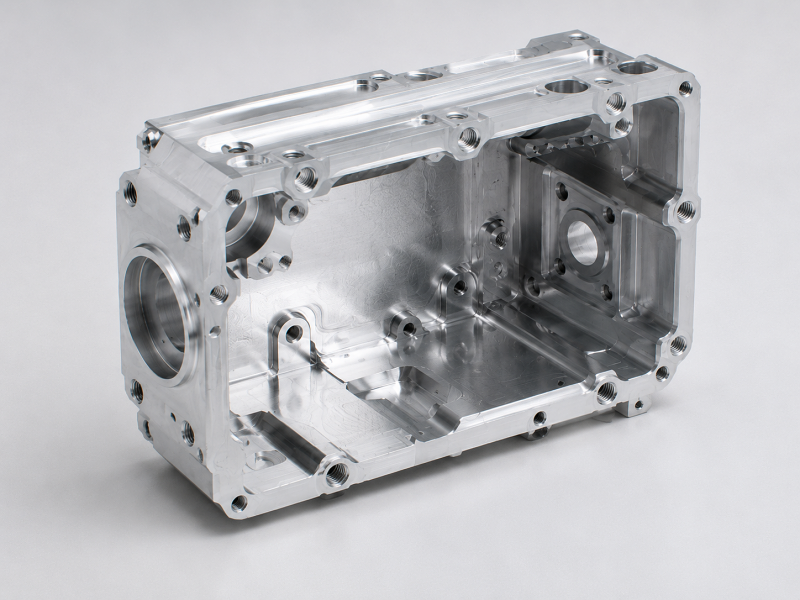
CNC Milled Housings
Aluminum and plastic housings with pockets, connector holes, mounting features and cosmetic surface requirements.
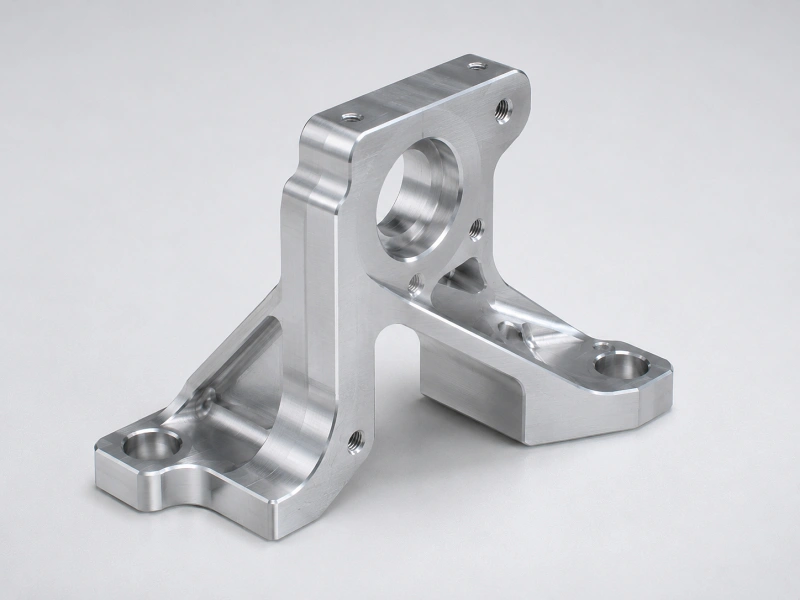
CNC Milled Brackets
Custom brackets for machinery, robotics and automation systems with slots, holes, chamfers and threaded features.
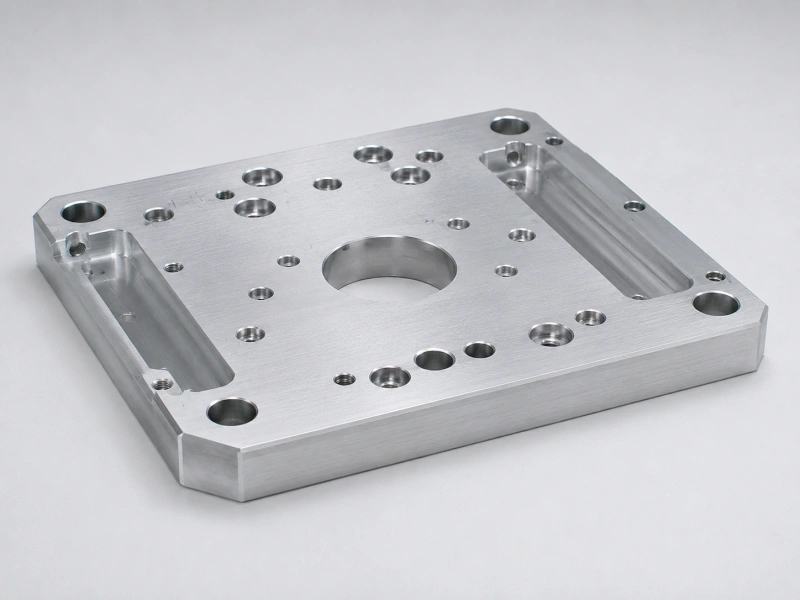
CNC Milled Plates
Base plates, cover plates, adapter plates and mounting plates with controlled flatness and accurate positioning.
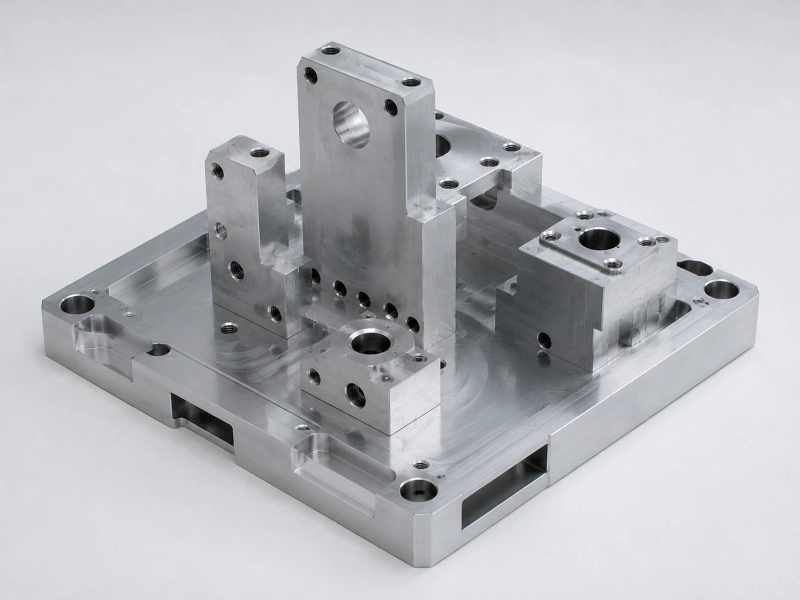
CNC Milled Fixtures
Inspection fixtures, positioning blocks, automation fixtures and tooling parts for repeatable assembly work.
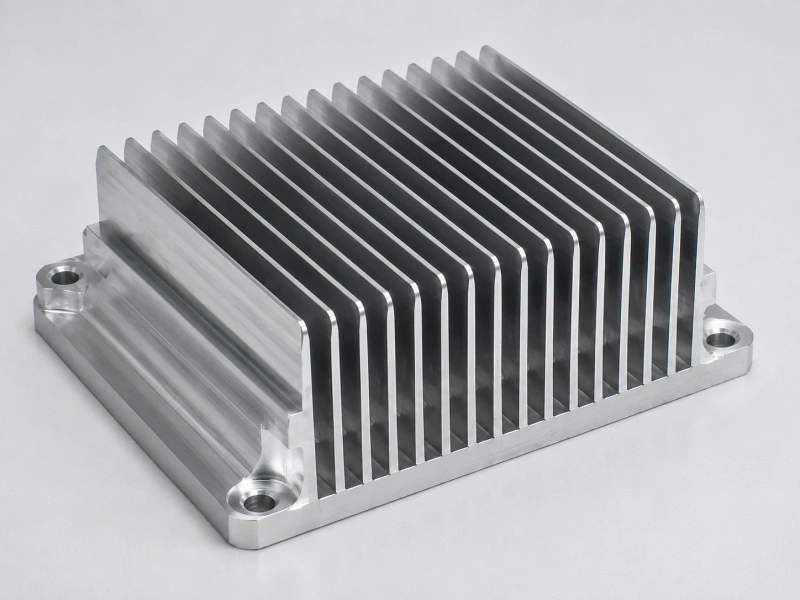
CNC Milled Heat Sinks
Aluminum heat sinks, cooling plates and thermal parts with fins, pockets, mounting holes and anodized finish.
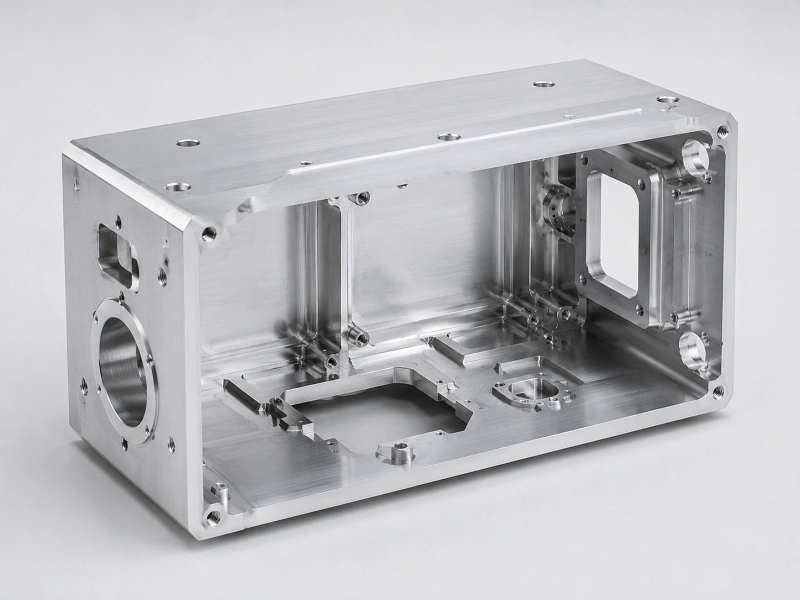
CNC Milled Enclosures
Custom enclosures with internal cavities, sealing surfaces, connector openings and visible exterior surfaces.
Need Custom CNC Milled Parts for Your Project?
Upload your CAD files and tell us the material, quantity, tolerance and surface finish. Our engineers will review manufacturability before quotation.
Materials for CNC Milling
CNCTAL mills a wide range of metals and engineering plastics for prototypes, fixtures, machine parts and production components. Material selection affects machining cost, tolerance stability, surface finish, strength and final application performance.
Metal CNC Milling
Metal CNC milling is suitable for structural parts, precision housings, brackets, plates, heat sinks, manifolds and equipment components that require strength, stability or surface finishing.
Aluminum CNC Milling
Common for lightweight housings, heat sinks, brackets, plates and anodized parts. Grades include 6061, 7075 and 6082.
Stainless Steel Milling
Used for corrosion-resistant fixtures, blocks, machine parts and precision components. Grades include 303, 304, 316 and 17-4PH.
Brass & Copper Milling
Suitable for electrical parts, fittings, connectors, heat transfer parts, valve components and decorative machined parts.
Titanium & Steel Milling
Selected for strength, wear resistance or demanding applications where material performance is more important than machining cost.
Plastic CNC Milling
Engineering plastics are often used for prototypes, lightweight covers, insulation parts, wear-resistant components and functional testing before metal production.
POM / Delrin Milling
Good for wear-resistant blocks, guide parts, gears, bushings and low-friction mechanical components.
PEEK CNC Milling
Used for high-performance plastic parts requiring strength, heat resistance and chemical resistance.
Nylon / PA Milling
Suitable for rollers, spacers, wear pads, guides and functional plastic parts with good toughness.
ABS / Acrylic / PC
Common for prototypes, panels, covers, transparent parts, display components and product testing.
Not Sure Which Material Is Best?
Send your application, drawing and quantity requirements. Our team can review whether the part is better suited for aluminum, stainless steel, brass, copper, titanium or engineering plastics based on strength, weight, tolerance, cost and surface finish.
Common Grades We Mill
CNC Milling Tolerances and Inspection for Precision Parts
Precision CNC milling is not only about machine capability. Stable quality depends on material behavior, part geometry, tool selection, fixture design, inspection planning and clear drawing requirements. CNCTAL reviews critical dimensions before production to reduce risk.
Tight Tolerance CNC Milling Support
For many CNC milled parts, we can support tight tolerances when the part design, material and machining features allow stable production. Critical dimensions should be clearly marked on the 2D drawing for accurate quotation and inspection.
- Drawing-based tolerance review before quotation
- First article inspection for critical dimensions
- In-process checks during CNC milling production
- Final inspection before packing and shipment
CMM Inspection
For complex CNC milled parts, CMM inspection can be used to verify hole positions, profiles, datum features and key dimensions.
First Article Check
First article inspection helps confirm dimensions, machining sequence and tolerance risks before moving into batch production.
Drawing-Based Control
We use your 2D drawing to identify critical tolerances, threads, surface finish, flatness, perpendicularity and inspection notes.
Final Quality Review
Parts are checked for dimensions, burrs, threads, cosmetic surfaces and finishing requirements before shipping.
Typical CNC Milling Tolerance Guidelines
Actual tolerances depend on material, part size, wall thickness, setup, tool access and drawing requirements. The table below is for quotation discussion, not a fixed guarantee for every geometry.
| Feature Type | Typical Requirement | Inspection Method |
|---|---|---|
| General milled dimensions | According to drawing or ISO 2768 general tolerance when not specified | Caliper, micrometer, height gauge |
| Critical holes and positions | Tighter tolerance possible when datum and inspection requirements are clear | CMM, plug gauge, pin gauge |
| Flatness and parallelism | Reviewed based on part size, material stress and machining sequence | Surface plate, height gauge, CMM |
| Threads and tapped holes | Checked according to thread specification, depth and drawing notes | Thread gauge, visual inspection |
| Cosmetic surfaces | Controlled according to finishing requirement such as anodizing, bead blasting or polishing | Visual check, surface comparison |
Surface Finishing for CNC Milled Parts
Surface finishing improves the appearance, corrosion resistance, wear resistance and assembly performance of CNC milled parts. CNCTAL supports common finishes for aluminum, stainless steel, brass, copper, steel and engineering plastic components.
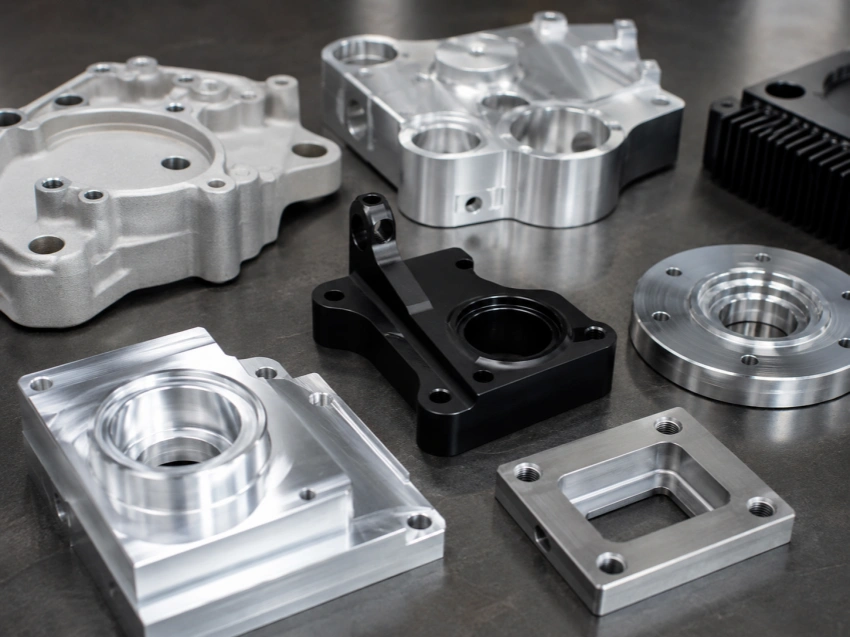
From Machining Marks to Finished Product Surfaces
CNC milled parts often need more than dimensional accuracy. Depending on the final application, the part may require deburring, bead blasting, anodizing, passivation, polishing or plating to meet cosmetic, functional or corrosion-resistance requirements.
- Deburring and edge break after CNC milling
- Cosmetic surface treatment for visible parts
- Protective finishes for aluminum and stainless steel parts
- Finish selection based on material, tolerance and application
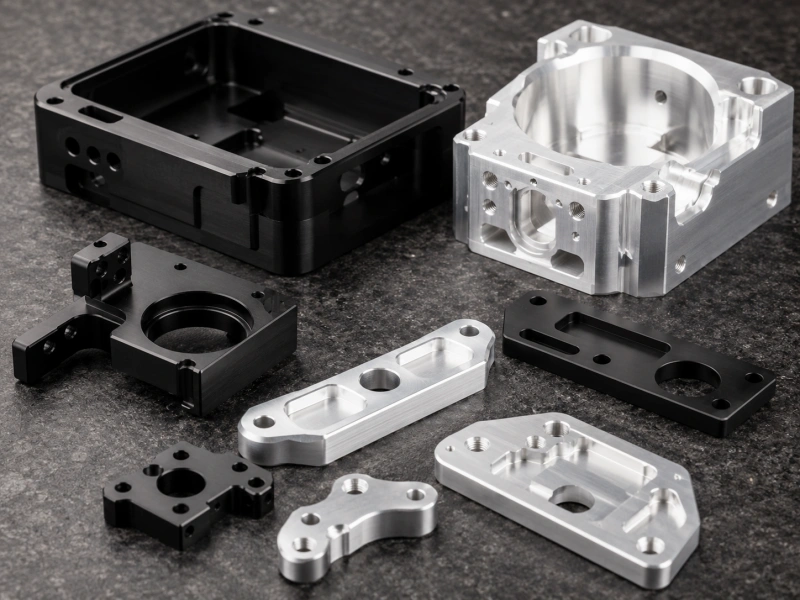
Anodizing
Common for CNC milled aluminum parts, improving corrosion resistance, surface hardness and product appearance.
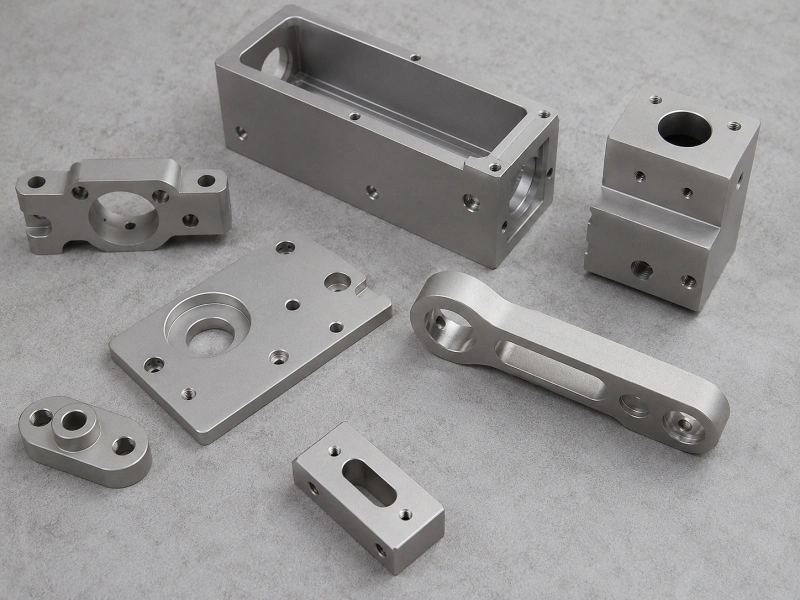
Bead Blasting
Creates a uniform matte surface and reduces visible tool marks on aluminum, stainless steel and other machined parts.
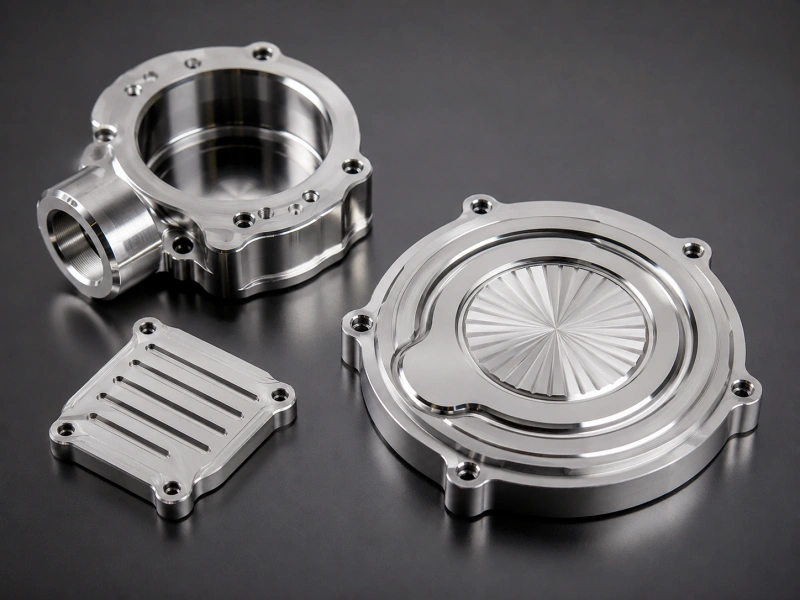
Polishing
Suitable for visible surfaces, stainless steel parts, decorative components and parts requiring smoother appearance.
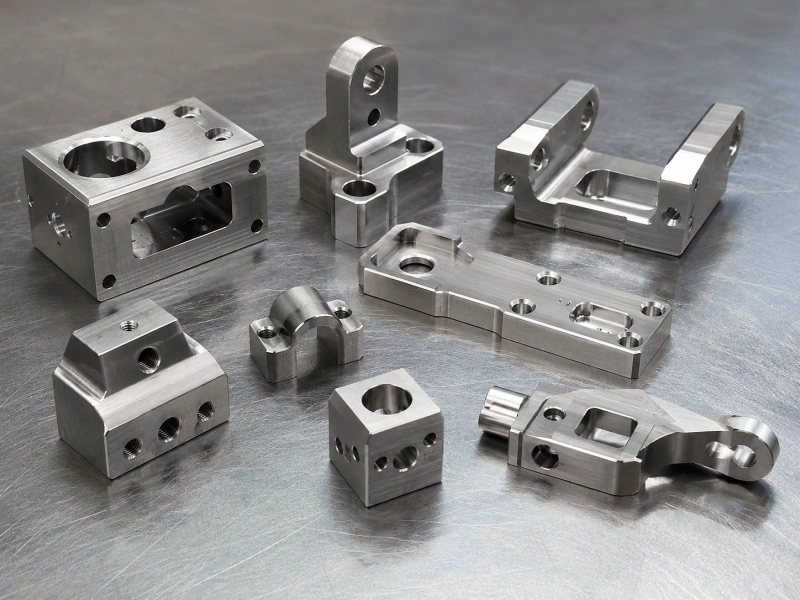
Passivation
Used for stainless steel CNC milled parts to improve corrosion resistance and remove free iron from the surface.
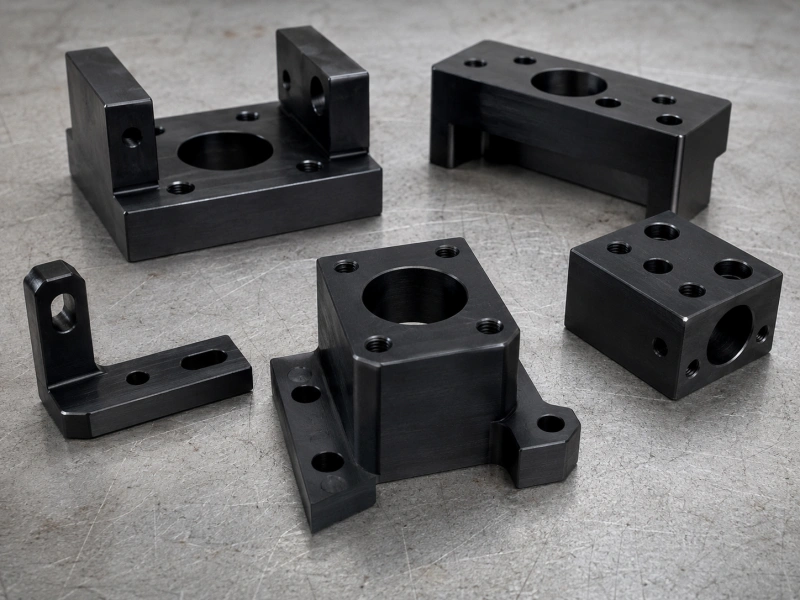
Black Oxide
Applied to steel parts for a dark appearance, mild corrosion resistance and reduced light reflection.
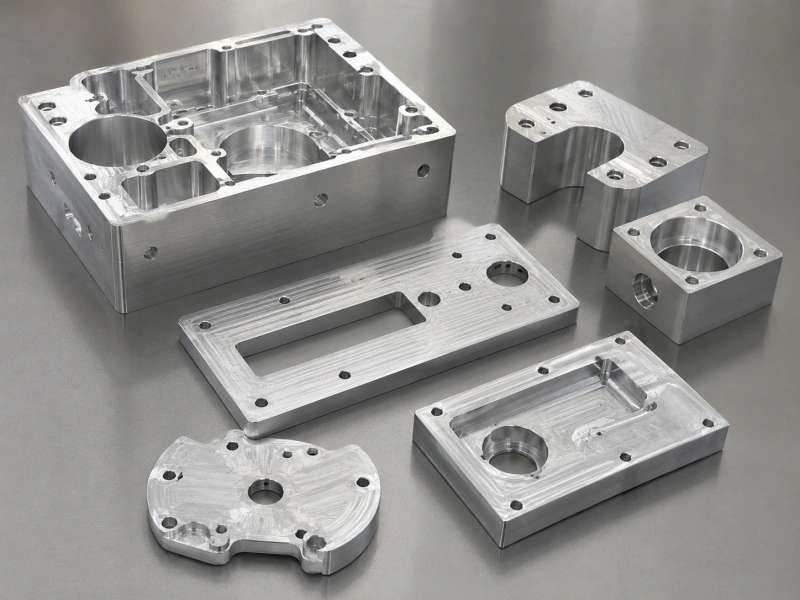
As Machined
Suitable for functional parts where tool marks are acceptable and cost control is more important than appearance.
Flexible CNC Milling From Prototypes to Production
CNCTAL supports CNC milling projects from one-piece prototypes and pilot builds to production batches and repeat manufacturing. Whether you are validating a new design or sourcing established production parts, we can manufacture directly from your CAD files and drawings.
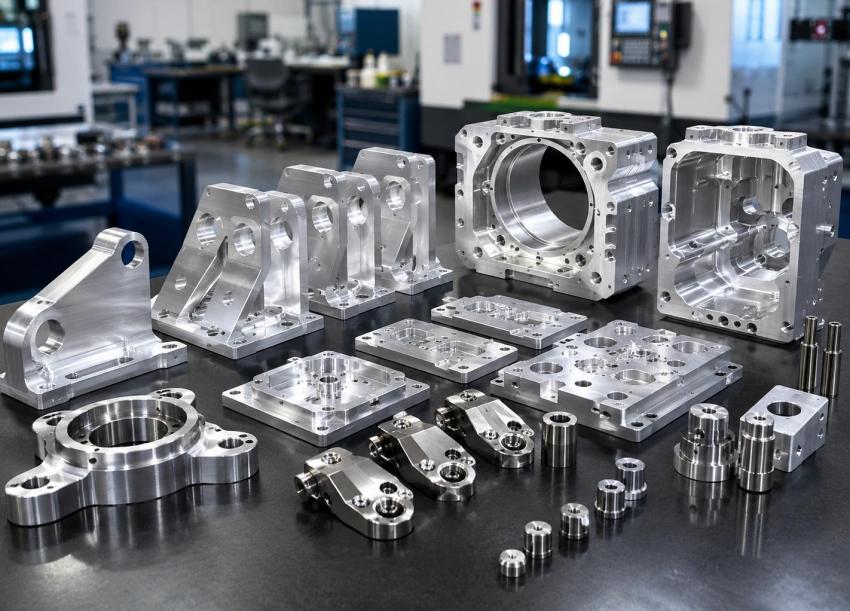
Start Small, Then Scale When the Design Is Ready
Many customers begin with a few CNC milled parts to check assembly fit, material behavior, tolerance risk, surface finish and functional performance before moving into production. Once the design is confirmed, we can continue supporting batch and repeat manufacturing.
- One-piece CNC milling prototypes for design verification
- Pilot and batch production for testing, validation and initial builds
- Production CNC milling for equipment, robotics and automation parts
- Repeat-order support with stable process records and inspection notes
- Engineering review before machining to reduce avoidable production risks
Prototype CNC Milling
Suitable for product development, functional testing, fit checks and engineering validation before the design moves into production.
Pilot & Batch Production
For initial production runs, assembly trials and controlled batch manufacturing without dedicated molding or casting tooling.
Production CNC Milling
Supports machinery parts, fixtures, housings, brackets, plates and other end-use components requiring stable machining quality and repeatability.
Repeat Manufacturing
For recurring orders, we can reference established production details, inspection requirements and process records to maintain consistency.
Have a CNC Milling Project?
Send your 3D CAD files, 2D drawings, material, quantity and surface finish requirements. We will review manufacturability and provide a practical quotation.
Industries Using CNC Milled Parts
CNC milled parts are used in prototypes, equipment assemblies, production fixtures and end-use mechanical components. CNCTAL supports different industries with custom CNC milling for metal and plastic parts that require accuracy, repeatability and practical manufacturing review.
Prototype Development
CNC milling is ideal for fast design verification, functional testing and assembly checking before tooling or larger production.
Equipment Components
Many industrial and automation parts require milled plates, brackets, blocks, housings and fixtures with stable dimensions.
End-Use Production Parts
For low-volume production, CNC milling can produce finished parts directly from aluminum, stainless steel, brass and plastics.
Motor mounts, sensor brackets, adapter plates, lightweight housings, end-effector parts and positioning components.
Inspection fixtures, positioning blocks, machine plates, tooling parts, guide blocks and custom equipment components.
Aluminum housings, heat sinks, connector panels, covers, internal frames and CNC milled enclosures.
Device housings, brackets, test fixtures, aluminum blocks, stainless steel components and precision assembly parts.
Aluminum brackets, plates, frames, housings, lightweight mounts and complex prototype components.
Cooling plates, copper components, stainless steel blocks, mounting plates, brackets and fluid control parts.
Aluminum, stainless steel and brass milled parts, brackets, fittings, covers and mechanical support components.
Need CNC Milled Parts for Your Industry?
Send your drawings, material, quantity and application details. We can review tolerance, surface finish, machining risk and production feasibility before quotation.
How Our CNC Milling Order Process Works
A clear order process helps reduce quotation delays, machining mistakes and quality risks. From CAD file review to CNC milling, inspection, finishing and shipping, CNCTAL keeps each step practical and drawing-based.
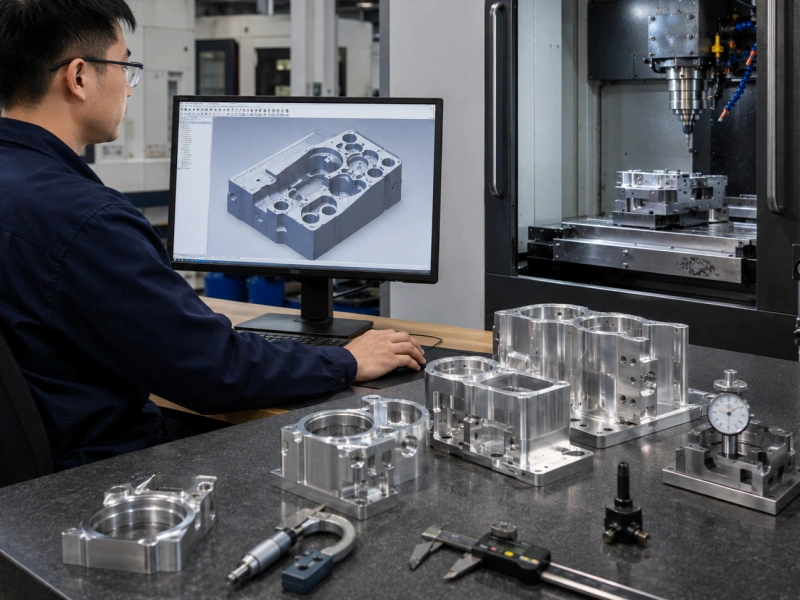
What Helps Us Quote Faster?
The more complete your RFQ information is, the faster we can review machining feasibility, tolerance risk, material cost and delivery time.
- 3D CAD files such as STEP, STP, IGS, IGES or X_T
- 2D drawings with tolerance, threads and surface finish notes
- Material grade, quantity and expected lead time
- Special requirements for inspection, packing or shipping
Send CAD Files and Requirements
Upload your 3D model, 2D drawing, material, quantity, tolerance, surface finish and application notes for CNC milling quotation.
Engineering Review
Our engineers check machining feasibility, tool access, tolerance risk, material selection, finishing requirements and possible cost-saving changes.
Quotation and Lead Time
We provide a practical quote based on drawing complexity, material, quantity, machining time, inspection requirements and surface treatment.
CNC Milling Production
After order confirmation, parts are programmed, fixtured and machined using suitable CNC milling equipment and machining processes.
Inspection and Surface Finishing
Critical dimensions, threads, burrs and surface requirements are checked before finishing, packing and final shipment.
Packing and Global Shipping
Finished CNC milled parts are packed based on material, surface finish and part geometry, then shipped by express, air or sea.
Frequently Asked Questions About CNC Milling Services
Below are common questions about custom CNC milling, tolerances, materials, surface finishing, lead time and quotation requirements for CNC milled parts.
What is CNC milling used for?
CNC milling is used to manufacture custom parts with flat surfaces, pockets, slots, holes, threads, contours and complex machined features. It is commonly used for housings, brackets, plates, fixtures, heat sinks, enclosures, manifolds and precision mechanical components.
What types of CNC milled parts can CNCTAL manufacture?
CNCTAL manufactures CNC milled housings, brackets, plates, fixtures, heat sinks, covers, enclosures, manifolds, mounting blocks, machine components and prototype parts for industries such as robotics, automation, electronics, medical equipment, aerospace, automotive and energy equipment.
What tolerances can you achieve for CNC milled parts?
We can support tight tolerances up to ±0.01mm for selected features depending on material, geometry, wall thickness, part size, machining method and inspection requirements. For critical dimensions, please provide a 2D drawing with tolerance notes.
What materials can be used for CNC milling?
We machine aluminum, stainless steel, carbon steel, alloy steel, brass, copper, bronze, titanium and engineering plastics. Common plastic materials include POM / Delrin, PEEK, nylon, ABS, acrylic and polycarbonate.
Can you make one-piece CNC milling prototypes?
Yes. CNCTAL supports one-piece CNC milling prototypes, sample parts, small batches and repeat production orders. This is suitable for product development, functional testing, assembly verification and low-volume manufacturing.
Do you provide surface finishing after CNC milling?
Yes. We provide surface finishing options for CNC milled parts, including as-machined finish, anodizing, bead blasting, polishing, passivation, black oxide, nickel plating, powder coating and other common finishes depending on the material and application.
What files do you need for a CNC milling quote?
For accurate quotation, please send 3D CAD files and 2D drawings if available. Recommended file formats include:
- STEP / STP
- IGS / IGES
- X_T
- STL
- DWG / DXF
- PDF drawings
How long does CNC milling production usually take?
Lead time depends on part complexity, material, quantity, tolerance, finishing and inspection requirements. Simple prototypes may be completed faster, while complex parts, surface finishing or larger batch orders require more time. We will confirm lead time after reviewing your CAD files and drawings.
Can you help review manufacturability before CNC milling?
Yes. Our engineers can review tool access, wall thickness, hole depth, thread requirements, sharp internal corners, tolerance risk, finishing requirements and possible cost-saving suggestions before machining.
Do you ship CNC milled parts internationally?
Yes. CNCTAL supports international shipping by express, air freight or sea freight depending on part size, weight, order quantity and delivery requirements. We commonly support customers in North America, Europe and other global markets.
Have a CNC Milling Project to Quote?
Send your CAD files, material, quantity, tolerance and surface finish requirements. Our engineering team will review the project and provide a practical CNC milling quotation.