

Rapid CNC Prototyping Services for Functional Parts
Turn CAD designs into accurate metal and plastic prototype parts for fit checks, functional testing, assembly validation, and early-stage product development.
- From 1 prototype part
- 3–5 day urgent lead time
- Metals & engineering plastics
- DFM review before machining
What Can You Validate With CNC Prototypes?
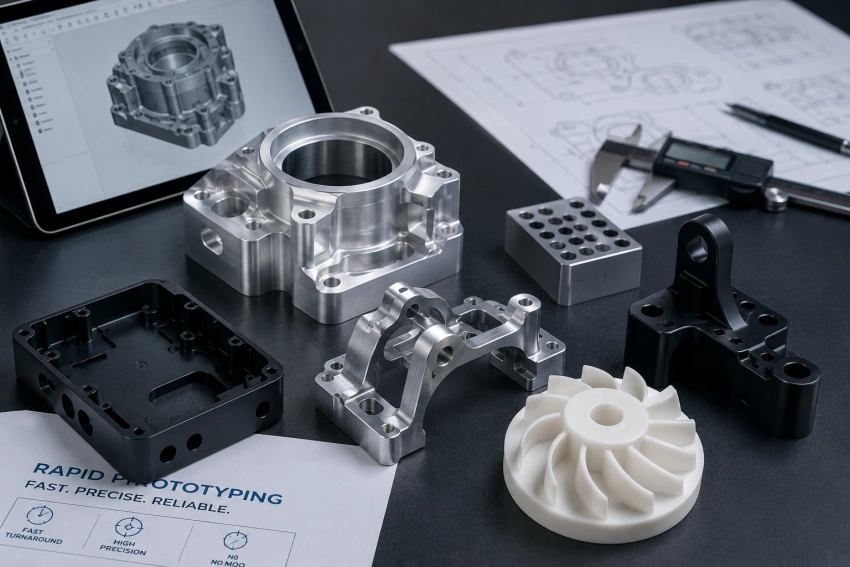
CNC prototypes help engineering teams evaluate real part geometry, material behavior, assembly conditions, and functional performance before committing to larger production quantities.
Design Validation
Check overall geometry, critical dimensions, wall thickness, machined features, and design details before releasing the part for the next development stage.
Fit & Assembly Testing
Verify mating features, hole positions, threads, clearances, interfaces, and assembly compatibility using physical parts.
Functional Testing
Evaluate prototype parts under realistic mechanical, thermal, movement, load, or operating conditions using production-relevant materials.
Pre-Production Review
Identify tolerance risks, machining challenges, assembly issues, and design improvements before moving into pilot runs or low-volume production.
Why CNC prototypes? They allow teams to test parts in real metals and engineering plastics, making them especially useful when material behavior, precision, strength, or assembly performance matters.
CNC Machining Capabilities for Rapid Prototypes
Different prototype geometries require different machining strategies. We select the process based on part shape, tolerance requirements, material, feature access, and the intended testing purpose.
CNC Milling
Suitable for housings, brackets, plates, enclosures, fixtures, structural components, and custom parts with pockets, holes, slots, and complex machined features.
Explore CNC Milling →CNC Turning
Ideal for prototype shafts, pins, bushings, sleeves, connectors, spacers, threaded parts, and other rotational components requiring accurate diameters and concentric features.
Explore CNC Turning →5-Axis CNC Machining
Used for complex multi-angle prototypes, contoured surfaces, difficult feature access, and parts that benefit from fewer setups and improved positional consistency.
Explore 5-Axis Machining →EDM Machining
Useful for fine slots, narrow internal features, hard materials, sharp details, and prototype geometries that are difficult to produce efficiently with conventional cutting tools.
Explore EDM Machining →Not sure which process fits your prototype? Send the CAD file and critical requirements. The machining route can be reviewed before quotation based on geometry, access, tolerance, and expected part function.
Materials for CNC Machining
CNCTAL provides CNC machining services for a wide range of engineering metals and plastics, helping customers choose the right material for strength, weight, corrosion resistance, wear resistance, and cost control.
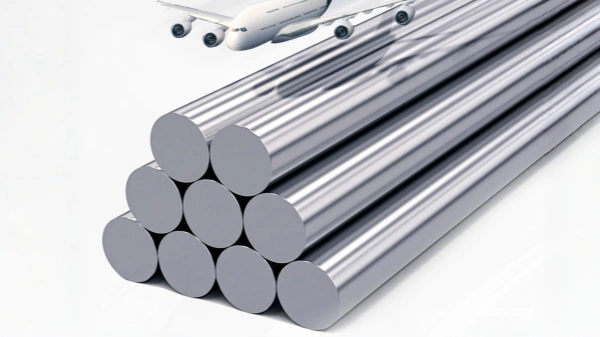
Aluminum CNC Machining
Lightweight, corrosion-resistant, and easy to machine. Ideal for housings, brackets, enclosures, heat sinks, UAV parts, and automation components.
Learn More →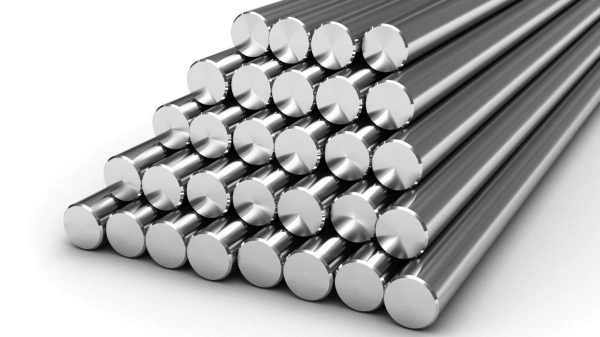
Stainless Steel CNC Parts
Strong, durable, and corrosion-resistant for precision shafts, fittings, valve parts, medical components, marine hardware, and industrial equipment.
Learn More →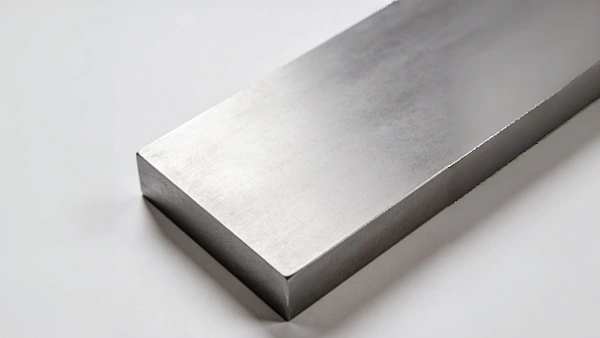
Titanium CNC Machining
High strength-to-weight ratio and excellent corrosion resistance for aerospace, medical, marine, robotics, and high-performance engineering parts.
Learn More →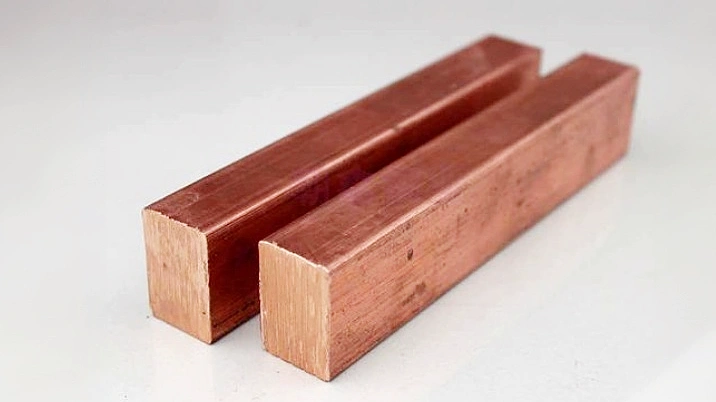
Copper & Brass CNC Parts
Excellent electrical conductivity, thermal conductivity, and machinability for connectors, bushings, terminals, heat transfer parts, and fittings.
Learn More →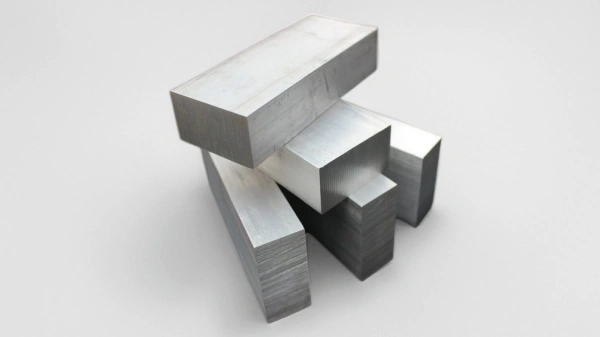
Steel CNC Machining
Suitable for structural parts, shafts, gears, fixtures, tooling components, and wear-resistant mechanical parts requiring strength and durability.
Learn More →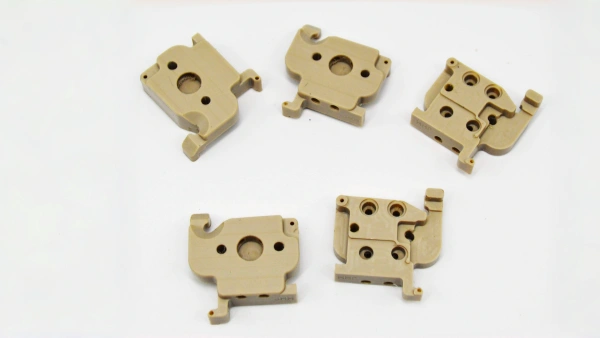
PEEK CNC Machining
High-performance plastic with excellent heat resistance, chemical resistance, strength, and dimensional stability for demanding applications.
Learn More →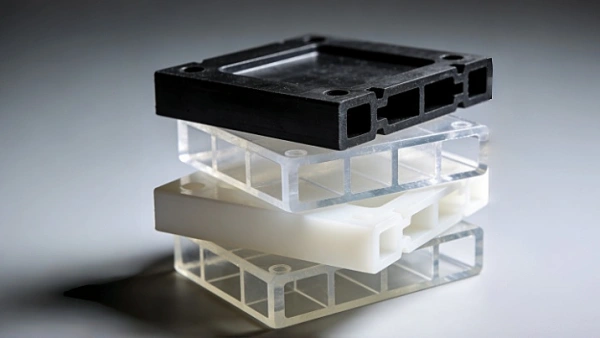
ABS CNC Machining
Cost-effective engineering plastic for prototypes, covers, housings, consumer products, electronic enclosures, and functional test parts.
Learn More →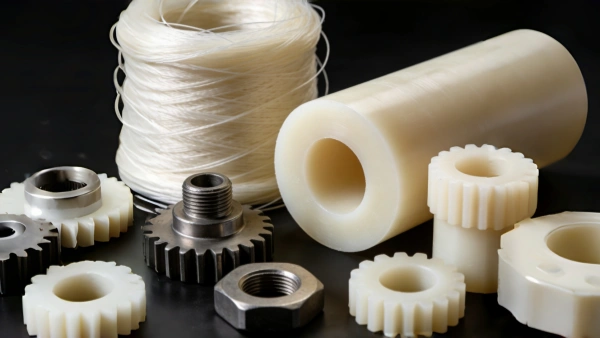
Engineering Plastics
CNC plastic machining for POM, nylon, acrylic, polycarbonate, PTFE, and other engineering plastics used in precision industrial components.
Learn More →Need Help Choosing the Right CNC Material?
Send your CAD files, drawings, application requirements, and expected quantity. Our engineering team can help review material options based on machining tolerance, surface finish, strength, weight, corrosion resistance, and cost.
- Material selection support for metal and plastic parts
- Prototype and low-volume CNC machining available
- Surface finishing and inspection reports available
From CAD File to Tested Prototype
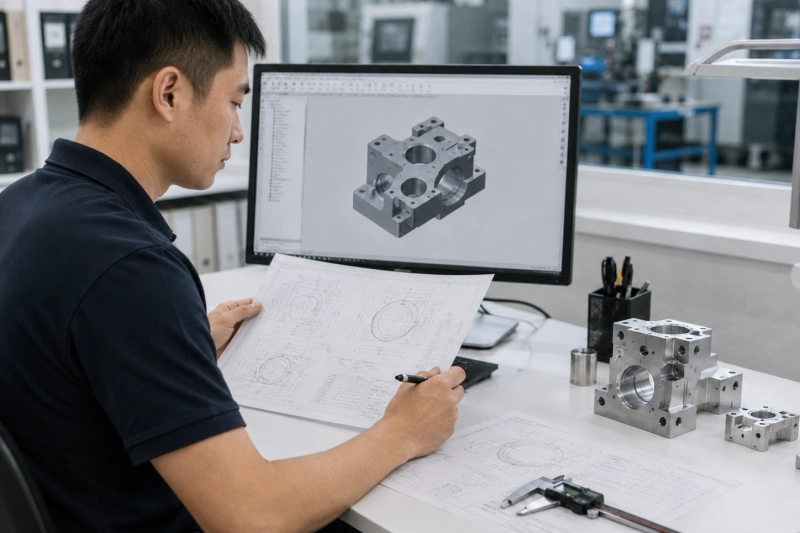
A practical rapid prototyping workflow helps move a design from digital geometry to a physical part that can be inspected, assembled, tested, revised, and prepared for the next development stage.
Send CAD Files
Share STEP, STP, IGS, drawing files, material requirements, quantity, critical dimensions, and any special functional notes.
Engineering Review
We review machinability, tolerance risks, tool access, material choice, thin walls, deep features, and other details that may affect the prototype.
CNC Machining
The prototype is machined using the process best suited to its geometry, including milling, turning, 5-axis machining, EDM, or combined operations where required.
Inspection
Critical dimensions and requested features are checked before shipment using suitable inspection methods based on the part and drawing requirements.
Test, Revise & Repeat
Use the prototype for fit, function, assembly, or performance testing, then update the design for another iteration, pilot run, or low-volume production.
Prototype development is rarely just one machining step.
Some projects require design feedback, several setups, secondary operations, dimensional checks, surface finishing, or another design revision before the part is ready for the next stage.
CAD → Machine → Inspect → Test → Revise
Move From Prototype to Low-Volume Production
Once a prototype is validated, the same project can move into pilot runs or low-volume manufacturing without restarting the sourcing process from the beginning.
Keep the Same CAD and Revision History
Continue from the validated design while tracking updated files, drawing revisions, and critical feature changes between prototype iterations.
Maintain Material and Process Continuity
Move forward with production-relevant materials and machining routes already reviewed during prototype development where suitable.
Prepare for Repeatable Small Batches
Pilot quantities can be used to confirm assembly, inspection, packaging, and repeatability before committing to larger production volumes.
Why Engineers Choose CNCTAL for Prototype Parts
Prototype projects often involve changing designs, small quantities, tight schedules, and uncertain manufacturing details. Our role is to help turn those early-stage requirements into machinable physical parts.
No MOQ for Prototype Orders
Start with one part for design review or order a small set for assembly, testing, internal evaluation, or customer approval.
Fast Engineering Review
CAD files can be reviewed for machinability, tolerance risks, difficult features, tool access, thin walls, and other practical manufacturing concerns before machining begins.
Tight Tolerance Capability
Precision machining up to ±0.01 mm can be supported where part geometry, material, feature size, setup, and inspection conditions allow.
Real Engineering Materials
Prototype in aluminum, stainless steel, steel, brass, copper, engineering plastics, titanium, PEEK, and other suitable materials based on project requirements.
Prototype to Production Support
Validated designs can continue into pilot runs and low-volume manufacturing while keeping project history, revisions, and machining knowledge connected.
Support for International Projects
We work with engineers, product teams, startups, and purchasing contacts who need custom CNC prototype parts shipped to global destinations.
Built for projects that are still evolving.
Early-stage parts often change after the first fit check or functional test. Prototype support should make it easier to review, revise, remachine, and move forward without unnecessary complexity.
CAD Review · Machining · Inspection · Revision · Next Batch
Frequently Asked Questions About CNC Rapid Prototyping
Common questions about prototype quantities, lead times, materials, tolerances, testing, and moving validated parts into small-batch production.
What is CNC rapid prototyping?
CNC rapid prototyping uses machining processes such as CNC milling, turning, 5-axis machining, and EDM to produce physical prototype parts directly from CAD data. It is especially useful when a project requires accurate geometry, real engineering materials, functional testing, assembly checks, or production-relevant part performance.
How quickly can CNC prototype parts be produced?
Lead time depends on part geometry, material, tolerance, inspection requirements, surface finishing, and quantity. For suitable urgent projects, machining lead times can be as short as approximately 3–5 days. More complex prototypes may require additional time for programming, multiple setups, secondary operations, inspection, or finishing.
Can I order only one prototype part?
Yes. Prototype orders can start from one part. This is useful for initial fit checks, design review, functional testing, customer approval, or evaluating a new component before ordering additional quantities.
What materials are available for functional prototypes?
Common options include aluminum, stainless steel, carbon and alloy steel, brass, copper, titanium, POM, nylon, ABS, polycarbonate, acrylic, PEEK, and other suitable engineering materials. Material selection should consider part function, load, weight, temperature, corrosion exposure, wear, and future production needs. You can also review our CNC machining materials.
What tolerances can you achieve on CNC prototypes?
Tolerance capability depends on geometry, feature size, material, setup strategy, machine access, and inspection conditions. Precision machining up to ±0.01 mm can be supported for suitable features and parts, while other dimensions should follow realistic manufacturing tolerances based on the design and application.
Can a validated prototype move into low-volume production?
Yes. Once the prototype has passed fit, assembly, or functional testing, the project can continue into pilot quantities or low-volume manufacturing. Keeping the same project history, revision control, material requirements, and machining knowledge can make the transition more efficient. Learn more about our low-volume manufacturing services.
For faster prototype review: send the 3D CAD file together with quantity, material, critical dimensions, surface requirements, and any features that affect assembly or functional testing.