
Humanoid Robotics Industry Chain: New Opportunities for CNC Machining
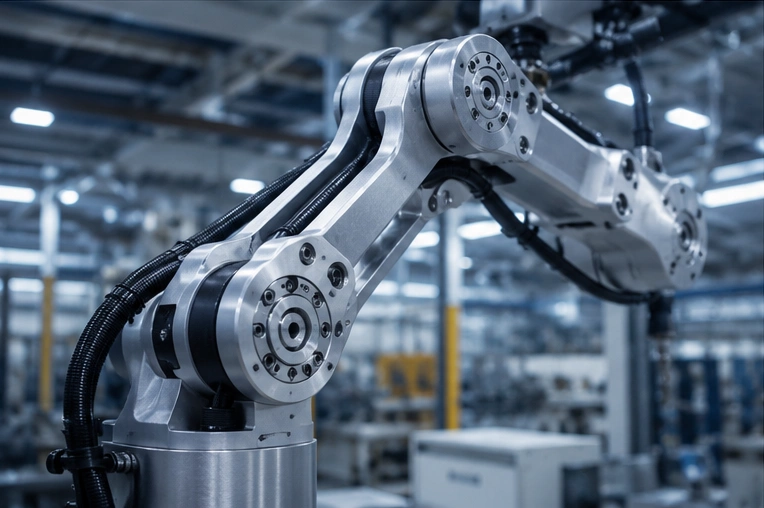
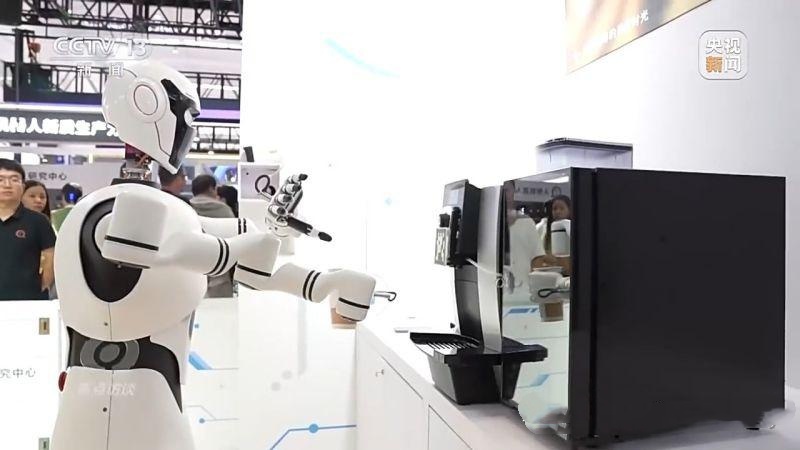
As artificial intelligence and robotics continue to advance, humanoid robots are becoming one of the most promising sectors in advanced manufacturing. This emerging industry creates strong demand for high-precision CNC machined components, especially for joints, structural frames, sensor mounts, transmission parts, and lightweight robotic assemblies.
In recent years, the rapid development of artificial intelligence, robotics, and automation has accelerated the growth of the humanoid robotics industry chain. This new sector is not only reshaping the manufacturing landscape but also creating new opportunities for precision manufacturing suppliers.
Among these suppliers, the CNC machining industry plays a critical role. With strong advantages in precision, flexibility, and complex-part manufacturing, CNC machining is becoming an essential process for humanoid robot component production.
1. Overview of the Humanoid Robotics Industry Chain
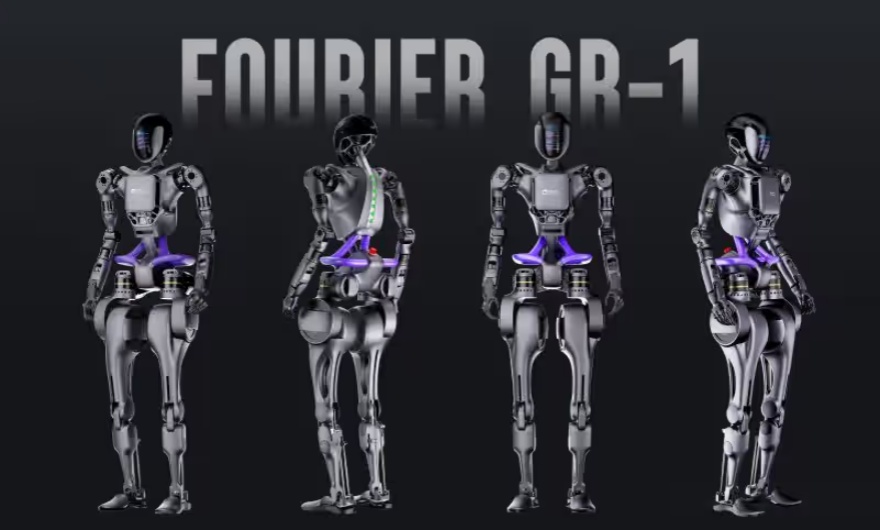
Humanoid robots are designed to simulate human appearance, movement, and interaction. They are increasingly used in service robotics, medical assistance, education, research, entertainment, logistics, and industrial automation.
As technology improves, humanoid robots are becoming more advanced in appearance, motion control, flexibility, and intelligence. This development is driving the formation of a more complete industry chain, including core component suppliers, robot manufacturers, system integrators, and end-use application companies.
During humanoid robot manufacturing, many components require complex geometries, tight tolerances, lightweight structures, and reliable mechanical performance. This makes CNC machining one of the key manufacturing methods within the humanoid robotics supply chain.
CNC machining is especially valuable for humanoid robot prototypes, low-volume production, and custom precision components that require fast iteration and reliable dimensional accuracy.
2. Current Status of the CNC Machining Industry
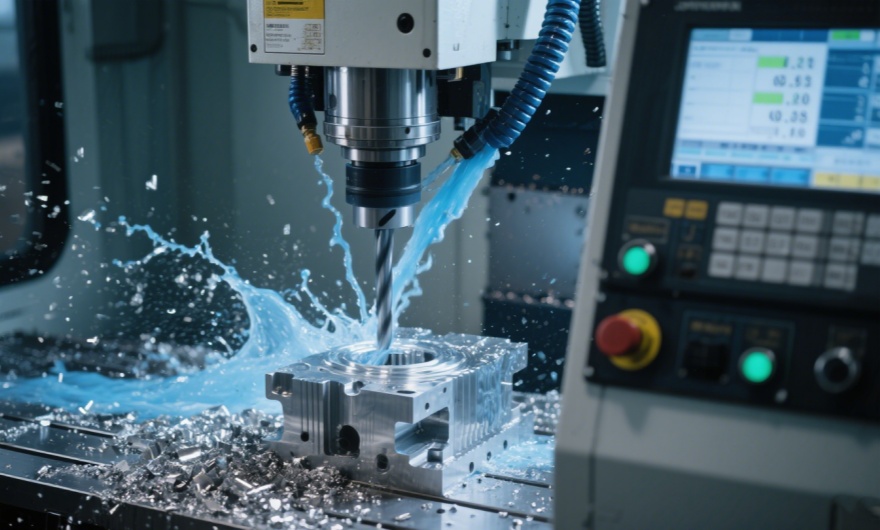
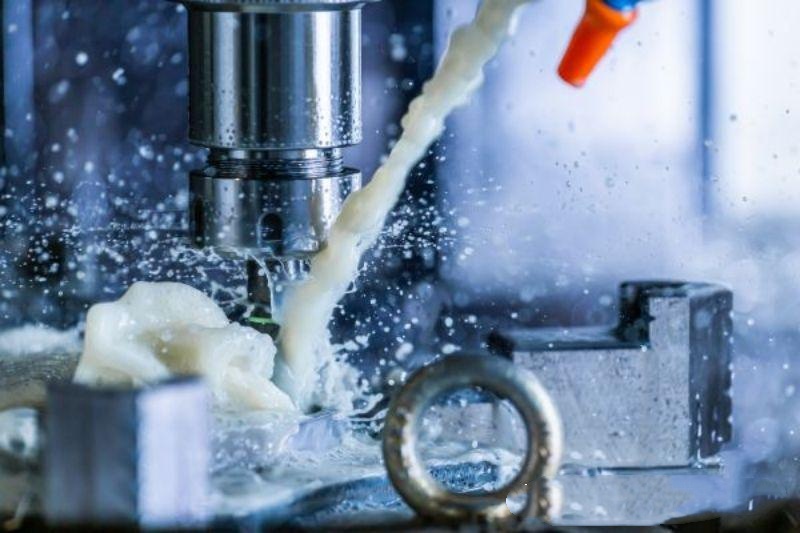
CNC, or Computer Numerical Control machining, is a manufacturing process that uses computer-controlled machine tools to remove material from a workpiece and produce precise parts. It is widely used in aerospace, automotive, medical devices, robotics, industrial equipment, and electronic hardware.
The main advantages of CNC machining include high precision, repeatability, material flexibility, and the ability to manufacture complex parts from metals and engineering plastics.
However, the CNC machining industry also faces growing competition in traditional manufacturing markets. For many CNC machining companies, exploring new industries such as humanoid robotics is an important direction for business growth and technology upgrading.
3. New Opportunities from the Humanoid Robotics Industry
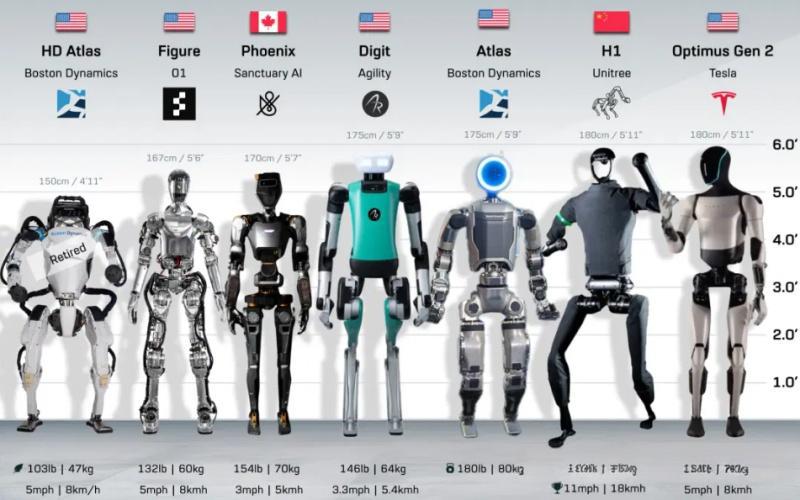
Increasing Demand for Precision Components
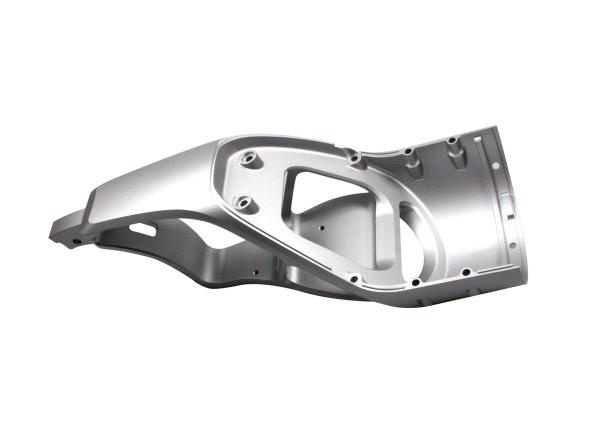
Humanoid robots require a large number of precision components. Many of these parts include complex curved surfaces, multiple holes, thin-wall structures, and strict tolerance requirements. The quality of these parts directly affects the robot’s motion accuracy, durability, and service life.
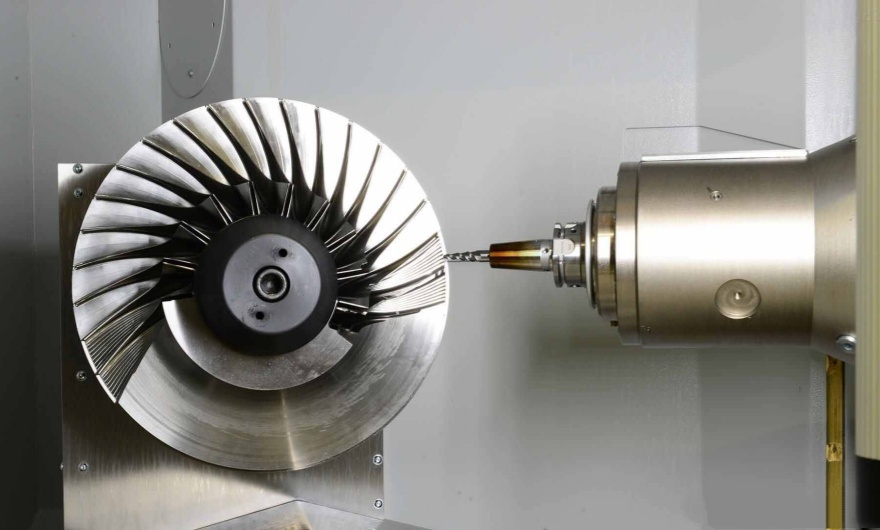
Advanced CNC machining, especially 5-axis CNC machining, can complete complex multi-angle machining in a single setup. This helps improve accuracy, reduce setup errors, and ensure that robot components meet demanding design requirements.
Typical CNC Machined Parts for Humanoid Robots
Joint Components
Robot joints require high-precision bearings, gears, shafts, and housings to ensure smooth and accurate movement.
Exoskeleton Structures
CNC machining can produce torso, arm, leg, and structural frame components with high strength and dimensional stability.
Connectors and Support Brackets
These parts connect motors, sensors, joints, and internal systems while maintaining accurate positioning and durability.
Transmission System Parts
CNC machined gears, shafts, sprockets, and bearing seats help improve transmission efficiency and reduce motion errors.
Precision Hand Components
Small finger joints, miniature gears, and sensor supports require precise CNC machining for flexible hand movement.
Sensor Mounting Bases
Camera brackets, force sensor mounts, and positioning bases require stable and accurate mechanical support.
Electronic Enclosures
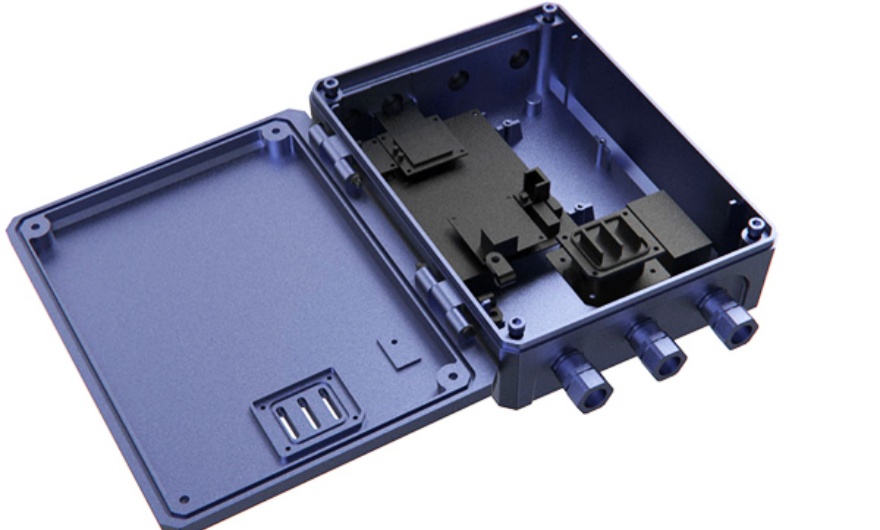
CNC machining can produce controller housings, heat sinks, connector mounts, and protective covers.
Lightweight Aluminum Parts
Aluminum CNC components help reduce robot weight while maintaining strength and reliable mechanical performance.
4. Advantages of CNC Machining for Custom and Low-Volume Production
The humanoid robotics industry is still in a fast development and market exploration stage. Different robot designs and applications often require customized components rather than standard parts.
This makes CNC machining highly suitable for robotics manufacturers because it supports rapid prototyping, design iteration, small-batch production, and custom mechanical parts without the need for expensive tooling.
With CAD/CAM software, engineers can convert 3D models into CNC machining programs efficiently. This shortens the cycle from design to production and helps robotics companies respond quickly to product development needs.
5. Integration of Smart Manufacturing and CNC Machining
With the development of Industry 4.0, smart manufacturing is becoming an important direction for modern manufacturing. In the humanoid robotics industry chain, intelligent manufacturing is not only reflected in robot assembly but also in precision component production.
By integrating IoT, AI, automation, and digital production systems, CNC machining equipment can achieve better process monitoring, predictive maintenance, parameter optimization, and production traceability.
These technologies help improve machining stability, reduce material waste, lower production costs, and support more sustainable manufacturing.
6. Global Market Opportunities for CNC Machining Suppliers
The humanoid robotics industry is developing globally. As more countries invest in robotics, automation, and intelligent manufacturing, the demand for precision CNC machined components will continue to grow.
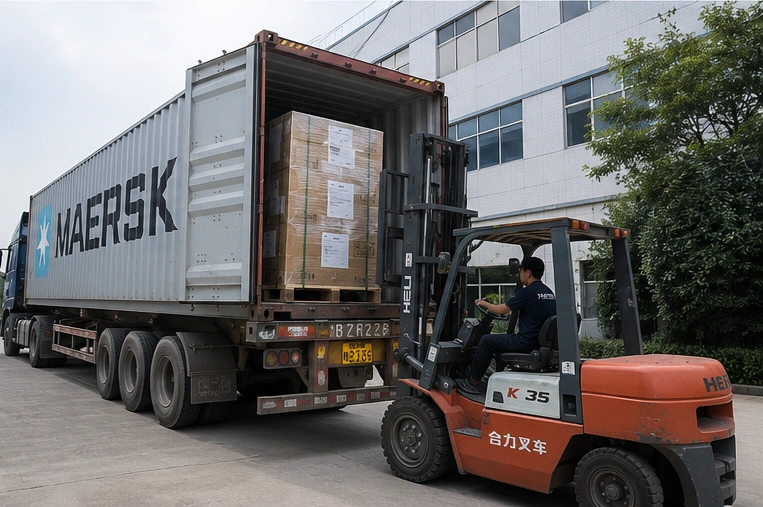
For CNC machining companies, this creates opportunities to serve international robot manufacturers, automation equipment companies, research institutions, and startup teams.
Chinese CNC machining suppliers with strong manufacturing capabilities, flexible production, and global delivery experience can play an important role in the global humanoid robotics supply chain.
7. How CNC Machining Companies Can Capture These Opportunities
Improve Technical Capabilities
CNC machining companies should continue upgrading equipment, improving process control, and training skilled engineers. Advanced capabilities such as 5-axis machining, precision inspection, and complex part manufacturing will become increasingly important.
Strengthen Cooperation with Robotics Companies
By working closely with humanoid robot manufacturers, CNC suppliers can better understand component requirements and provide more accurate manufacturing solutions.
Expand International Markets
Global market development is essential for CNC machining companies. Trade shows, online marketing, technical content, and B2B platforms can help suppliers reach more international customers.
Promote Digital and Smart Transformation
Digital production management, quality traceability, automated inspection, and smart manufacturing systems can help CNC companies improve efficiency and competitiveness.
Conclusion
The rise of the humanoid robotics industry brings new opportunities for the CNC machining sector. As humanoid robots continue to develop, demand for precision mechanical parts, lightweight structures, custom prototypes, and low-volume production will increase.
CNC machining companies that improve technical capabilities, strengthen cooperation with robotics manufacturers, expand global markets, and embrace smart manufacturing will be better positioned to grow in this emerging industry.
As a precision CNC machining supplier, CNCTAL provides custom CNC machined components for robotics, automation, industrial equipment, and advanced mechanical assemblies. From prototypes to low-volume production, we support global customers with precision, flexibility, and engineering-focused manufacturing solutions.
FAQ: CNC Machining for Humanoid Robot Parts
What humanoid robot parts can be made by CNC machining?
CNC machining can produce robot joints, structural frames, sensor brackets, transmission parts, hand components, electronic enclosures, and precision connectors.
Why is 5-axis CNC machining useful for humanoid robot components?
5-axis CNC machining can process complex geometries from multiple angles in fewer setups, improving accuracy and reducing production errors.
Which materials are commonly used for humanoid robot parts?
Common materials include aluminum 6061, aluminum 7075, stainless steel, titanium, brass, POM, nylon, PEEK, and other engineering plastics.
Is CNC machining suitable for robot prototypes?
Yes. CNC machining is ideal for robot prototypes and low-volume production because it supports fast design iteration without expensive tooling.
Can CNCTAL manufacture custom CNC parts for robotics projects?
Yes. CNCTAL provides custom CNC machining services for robotics components, including aluminum parts, stainless steel parts, brackets, housings, and precision mechanical assemblies.
Need Custom CNC Machined Parts for Robotics?
CNCTAL supports robotics companies, automation equipment manufacturers, and product development teams with precision CNC machining, 5-axis machining, tight tolerances, and global delivery.