
Custom Stainless Steel CNC Parts for Industrial Equipment
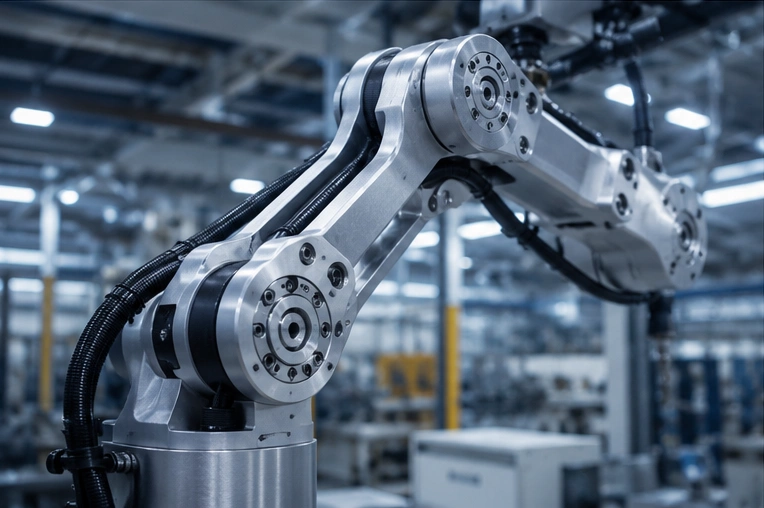
Industrial equipment operates in demanding environments. Heat, moisture, chemicals, vibration, heavy loads, and continuous operation all place high requirements on component reliability. This is one reason why custom stainless steel CNC parts are widely used across industrial machinery, automation systems, food equipment, energy systems, and manufacturing tools.
Compared with standard off-the-shelf components, custom CNC machined stainless steel parts allow engineers to optimize dimensions, tolerances, strength, corrosion resistance, and assembly performance for specific equipment requirements.
Why Stainless Steel Is Popular in Industrial Equipment Manufacturing
Industrial equipment designers often need to balance strength, durability, corrosion resistance, machinability, and cost. Stainless steel offers a practical material solution for components that must maintain performance under harsh operating conditions.
Corrosion Resistance
Many industrial systems operate in humid workshops, outdoor environments, chemical processing lines, or washdown production areas. Stainless steel naturally forms a protective oxide layer, helping parts resist corrosion and oxidation over long service periods.
High Mechanical Strength
Industrial machinery often requires parts that can withstand mechanical loads, repetitive motion, vibration, compression, and wear. Stainless steel grades such as 304, 316, 303, and 17-4 PH provide reliable mechanical performance for structural and precision applications.
Good Temperature Performance
Some equipment operates under elevated or fluctuating temperatures. Many stainless steel materials maintain stable mechanical properties across wider temperature ranges than aluminum or engineering plastics.
Clean Surface and Hygienic Compatibility
Food processing, pharmaceutical, and medical-related equipment often require cleanable and corrosion-resistant surfaces. Stainless steel supports finishing processes such as passivation, electropolishing, fine polishing, bead blasting, and brushing.
Common Industrial Equipment Parts Made by CNC Machining
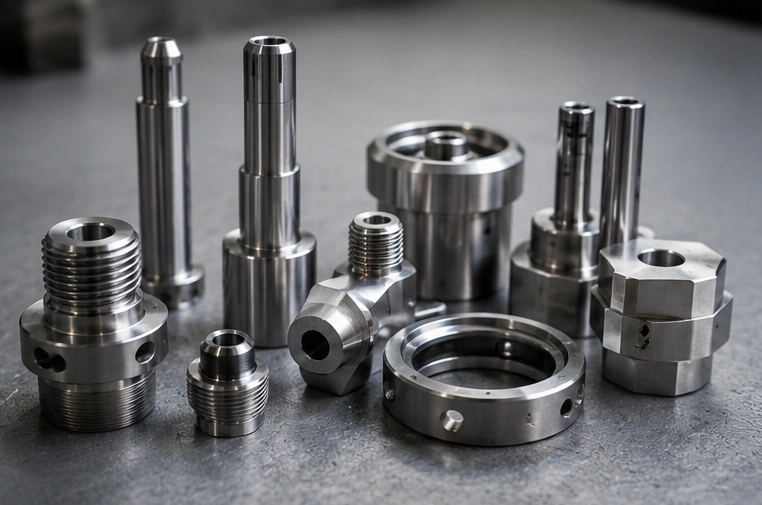
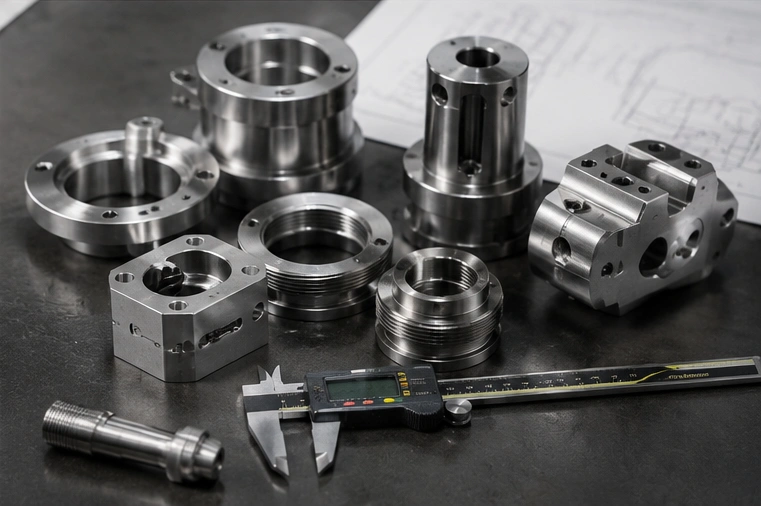
Custom stainless steel CNC machining supports many industrial components, from simple turned parts to complex multi-face milled structures.
Precision Shafts
Stainless steel shafts are commonly used in automation equipment, motion systems, packaging machinery, and industrial conveyors. These parts may require tight diameter tolerances, bearing fits, threading, surface finish control, and concentricity requirements.
Valve Components
Industrial valve systems often use stainless steel for valve bodies, valve stems, sealing housings, and precision inserts. Corrosion resistance is especially important in chemical, water treatment, and fluid handling applications.
Machine Fixtures and Mounting Components
Custom brackets, bases, clamps, adapters, and alignment blocks are frequently manufactured from stainless steel to improve rigidity and long-term durability in production lines, robotic systems, assembly equipment, and inspection machines.
Precision Housings and Structural Parts
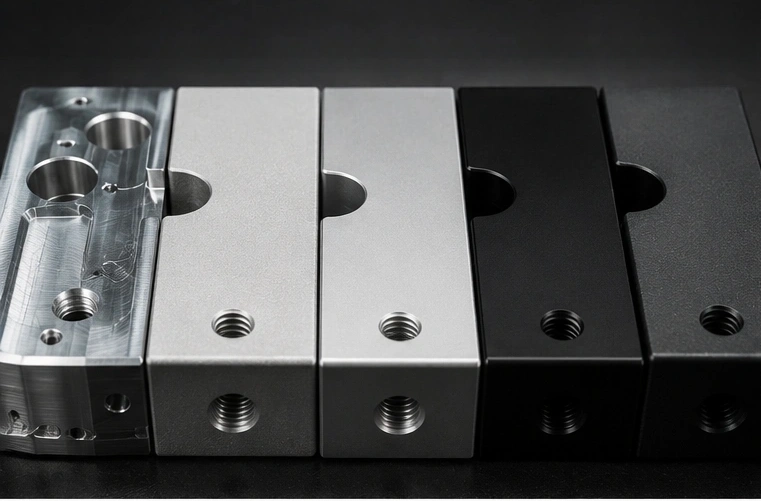
Many industrial systems require custom-machined housings or support structures with threaded holes, tight assembly tolerances, multi-face machining, and complex geometries. CNC milling provides the flexibility needed for these customized designs.
Wear-Resistant Functional Components
Guide blocks, rollers, sleeves, bushings, and sliding components may also be manufactured from stainless steel when corrosion resistance, strength, or surface durability is required.
Choosing the Right Stainless Steel Grade for CNC Parts
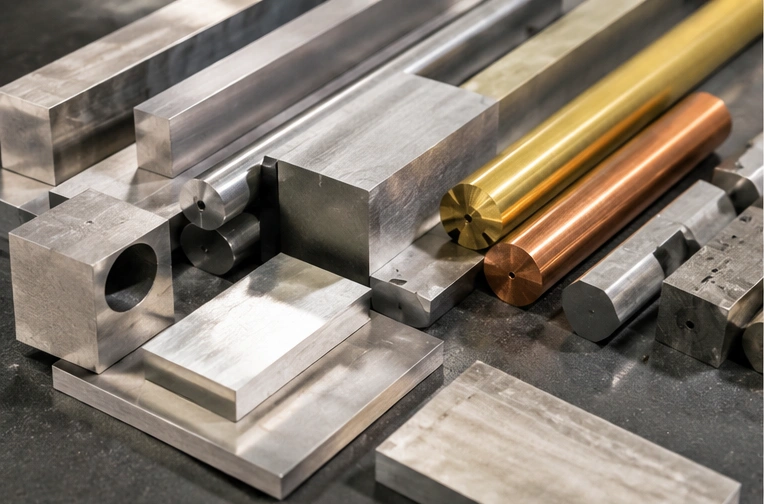
Not all stainless steels behave the same during machining or in service. Selecting the correct grade can directly affect machining cost, tool life, surface quality, and long-term performance.
| Material Grade | Main Advantage | Typical Applications |
|---|---|---|
| Stainless Steel 303 | Excellent machinability and faster production | Fittings, shafts, turned parts, threaded components |
| Stainless Steel 304 | Good corrosion resistance and balanced performance | Brackets, housings, equipment parts, structural components |
| Stainless Steel 316 | Better corrosion resistance in aggressive environments | Marine parts, chemical equipment, food equipment, fluid systems |
| Stainless Steel 17-4 PH | High strength and heat treatment capability | High-load parts, aerospace components, tooling, precision assemblies |
CNC Machining Considerations for Stainless Steel Parts
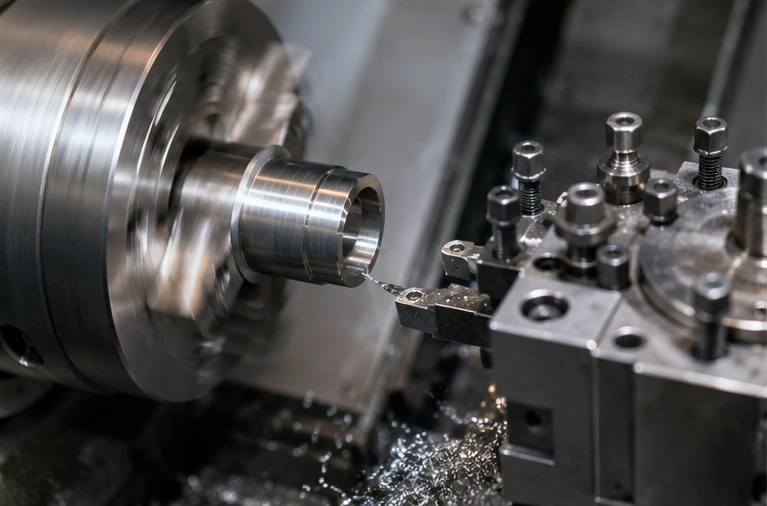
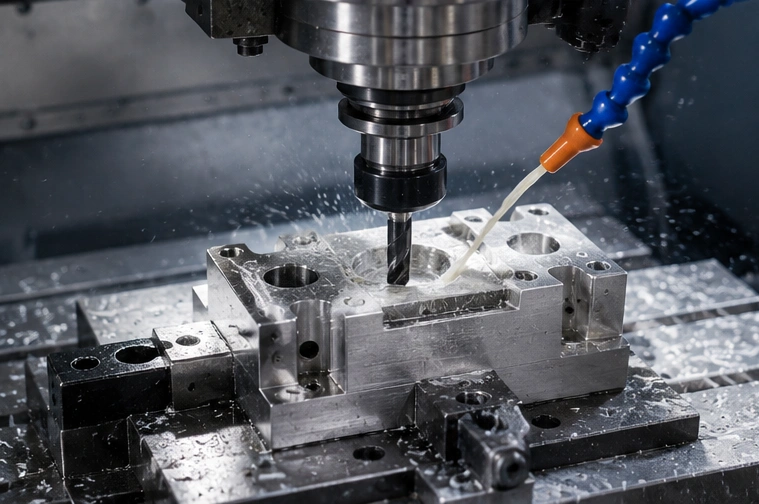
Stainless steel is highly capable, but it is not always the easiest material to machine. Compared with aluminum, it often creates higher cutting forces, more heat, faster tool wear, and longer machining cycles.
Tool Selection
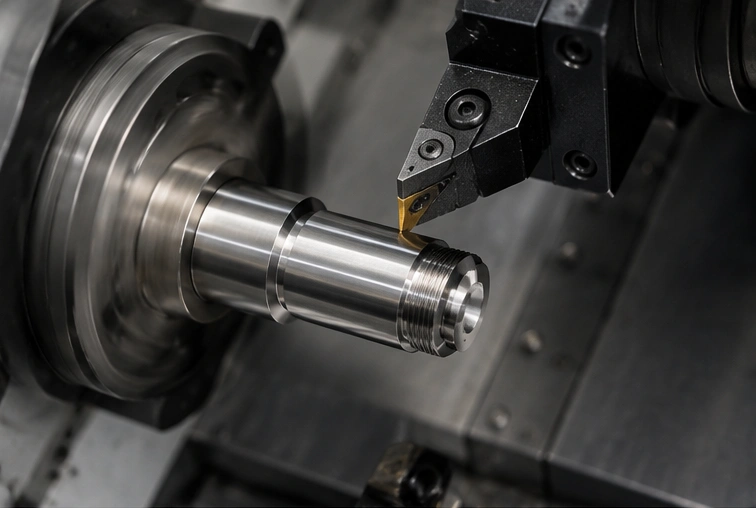
Carbide tooling, suitable coatings, and proper cutting geometry help improve machining stability and extend tool life when cutting stainless steel.
Cutting Parameters
Correct feed rates, spindle speeds, and depth of cut are important for balancing dimensional accuracy, surface finish, tool life, and production efficiency.
Heat Management
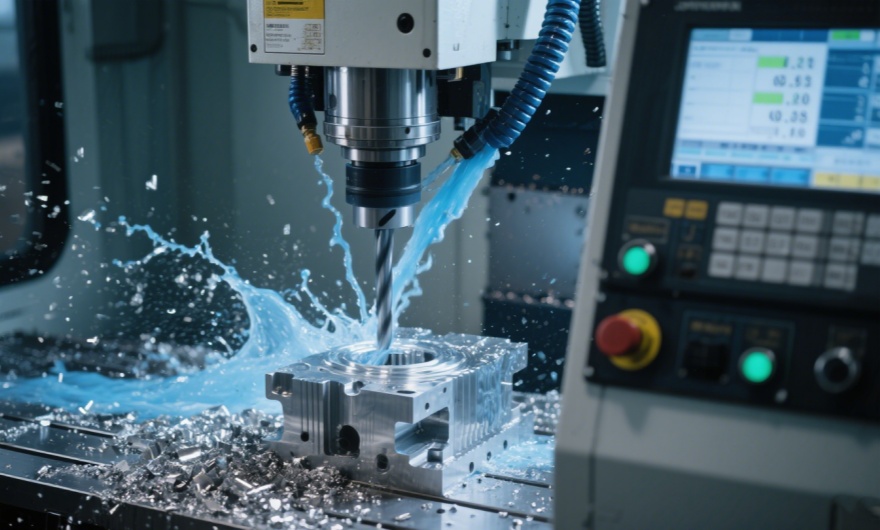
Stainless steel machining generates significant heat. Coolant strategy and stable cutting conditions can strongly influence machining consistency and final part quality.
Tolerance Planning
Industrial equipment parts often require bearing fits, assembly tolerances, flatness control, parallelism, and surface roughness targets. Clear engineering drawings and GD&T requirements help reduce manufacturing risks.
Surface Finishing Options for Stainless Steel CNC Parts
Depending on the operating environment and appearance requirements, custom stainless steel parts may need additional finishing after CNC machining.
| Surface Finish | Typical Purpose |
|---|---|
| Passivation | Improves corrosion resistance by removing free iron from the surface |
| Polishing | Improves surface smoothness, appearance, and cleanability |
| Bead Blasting | Creates a uniform matte surface texture |
| Electropolishing | Provides a smoother and cleaner surface for hygienic applications |
| Brushing | Creates a directional surface texture for functional or visual purposes |
Why Custom CNC Machining Matters for Industrial Equipment
Industrial equipment rarely depends only on standard components. Engineers often need unique geometries, special assembly interfaces, tight tolerances, material traceability, prototype production, and scalable manufacturing.
Custom CNC machining helps bridge engineering design with real-world production requirements. From one-off prototype parts to recurring production orders, stainless steel CNC machining supports flexible industrial manufacturing needs.
Final Thoughts
Custom stainless steel CNC parts play a critical role in modern industrial equipment manufacturing. Their combination of strength, corrosion resistance, durability, and precision machinability makes them suitable for demanding mechanical applications.
Whether producing precision shafts, valve components, equipment fixtures, or structural machine parts, choosing the right stainless steel grade and manufacturing partner can directly impact product reliability and long-term performance.
Need Custom Stainless Steel CNC Parts?
CNCTAL manufactures custom stainless steel CNC parts for industrial equipment, supporting prototype development, low-volume production, and repeat manufacturing for customers worldwide.
Send us your STEP file, 2D drawing, material requirements, quantity, and surface finish needs. Our engineering team will review your project and provide machining feedback.
Request a CNC Machining QuoteFAQ: Custom Stainless Steel CNC Parts
What stainless steel grades are commonly used for CNC machined industrial parts?
Common stainless steel grades include 303, 304, 316, and 17-4 PH. 303 is easier to machine, 304 is widely used for general industrial parts, 316 offers better corrosion resistance, and 17-4 PH is suitable for high-strength applications.
Is stainless steel difficult to CNC machine?
Stainless steel is more challenging to machine than aluminum because it produces higher cutting forces, more heat, and faster tool wear. Stable tooling, proper cutting parameters, coolant control, and machining experience are important for consistent quality.
What industrial equipment parts can be made from stainless steel?
Stainless steel CNC machining is suitable for precision shafts, valve parts, fittings, brackets, mounting blocks, machine fixtures, housings, sleeves, bushings, and other functional components used in industrial machinery and automation equipment.
Which surface finishes are suitable for stainless steel CNC parts?
Common finishing options include passivation, polishing, bead blasting, electropolishing, and brushing. The best option depends on corrosion resistance requirements, appearance, cleanliness, and the working environment of the part.
What files are needed to quote custom stainless steel CNC parts?
For an accurate quotation, it is best to provide a STEP or STP 3D file, 2D drawing with tolerances, material grade, quantity, surface finish requirements, and any special inspection or assembly requirements.