
Electroplating for CNC Machined Parts
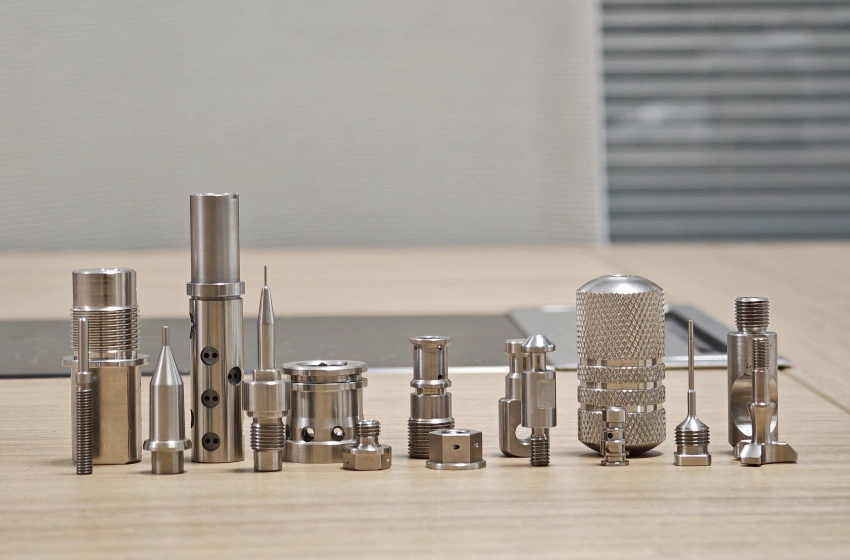
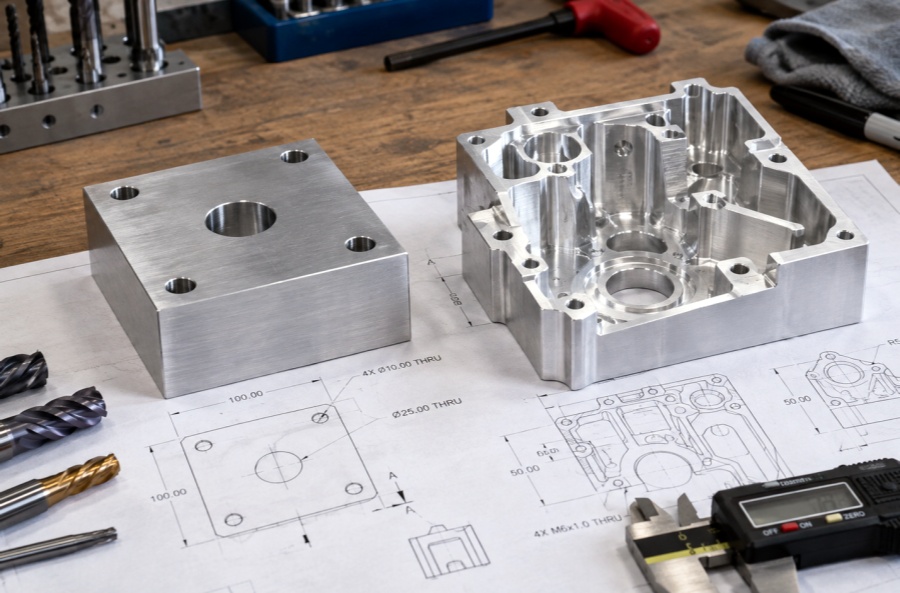
Improve surface appearance and functional performance with electroplating for custom metal parts. CNCTAL supports plated finishes for CNC machined components, connectors, shafts, fittings and other precision parts based on material and application requirements.
- Metallic Surface Finish
- Functional & Decorative Options
- Suitable for Precision Metal Parts
What Is Electroplating?
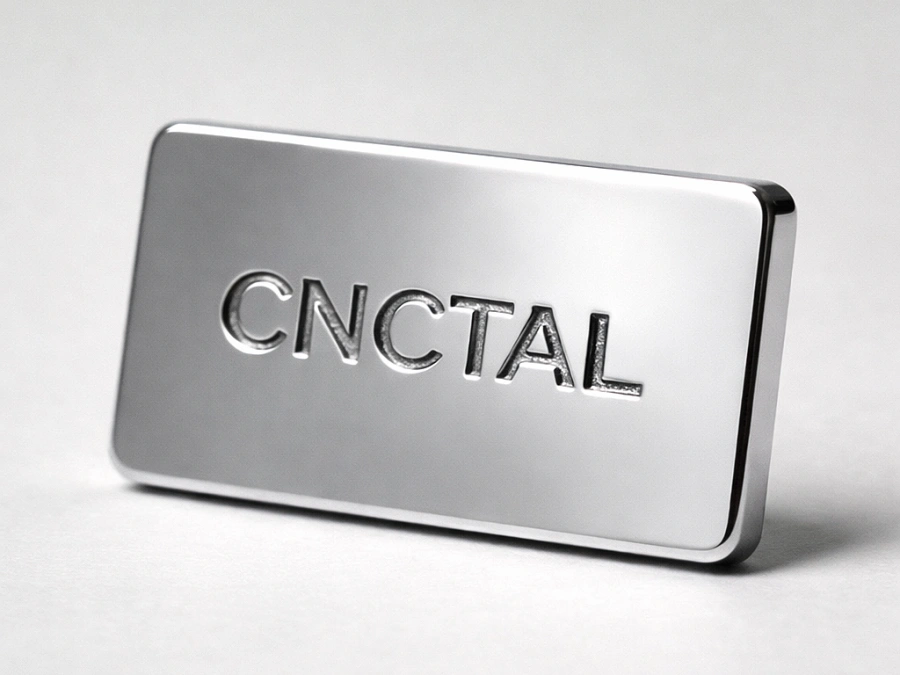
Electroplating is an electrochemical surface finishing process that deposits a thin layer of metal onto the surface of another component.
During the process, the prepared part is placed in a plating solution and electrical current is used to transfer metal ions onto the surface, forming a controlled metallic coating.
Depending on the plating material and application, electroplating can improve corrosion resistance, wear behavior, electrical performance, surface appearance or other functional properties.
Plating metal, base material, surface preparation, coating thickness, part geometry and service environment can all affect the finished result.
Common Materials for Electroplating
Electroplating can be applied to a range of metal substrates, with the suitable plating system depending on the base material, pretreatment and final performance requirement.
Steel
Commonly plated with zinc, nickel and other suitable finishes depending on corrosion protection, wear and application requirements.
Stainless Steel
Can be electroplated for selected appearance, conductivity, wear or other functional surface requirements after suitable preparation.
Brass & Copper
Often used for connectors, fittings, electrical components and precision parts requiring nickel, tin or other plated finishes.
Other Compatible Metals
Other metal substrates may also be suitable depending on material grade, pretreatment, plating chemistry and final specification.
What to Consider Before Electroplating Parts
Electroplating adds a controlled metallic layer to the part surface, so dimensional features, base material and coating requirements should be reviewed before production.
Plating Thickness
Electroplating adds measurable thickness to the surface. Tight fits, mating areas and dimension-critical features should be identified before finishing.
Threads and Precision Features
Threads, bearing fits, reamed holes and precision interfaces may require masking, protection or dimensional allowance for plating buildup.
Surface Preparation
Cleaning, activation and suitable pretreatment are important because the base material and original surface condition can affect adhesion and final appearance.
Coating Specification
Plating metal, thickness, appearance and functional performance requirements should be clearly defined before production whenever possible.