
CNC Surface Finishing Guide: Comparing Anodizing, Polishing, Powder Coating, Sandblasting & More
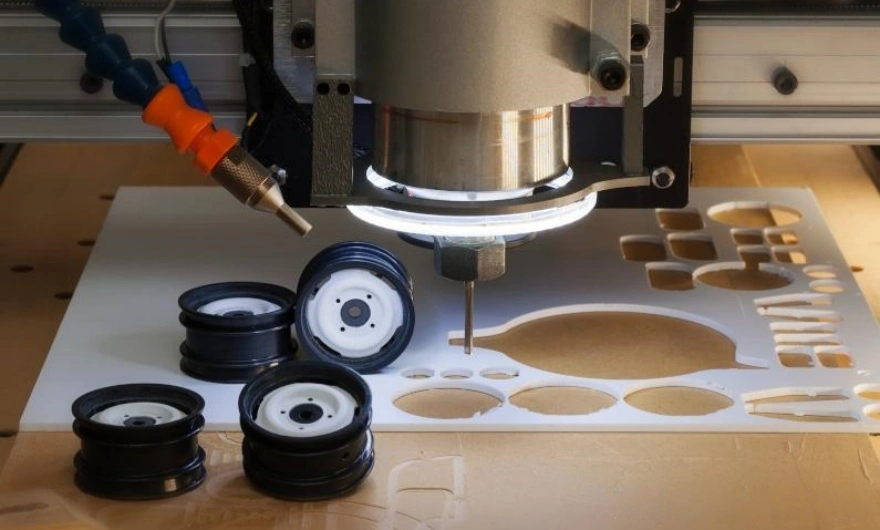
In CNC machining, producing an accurate part is only half of the job. The final surface finish often determines how a part looks, feels, performs, and survives in its working environment.
A precision-machined aluminum housing may require anodizing for corrosion resistance. A stainless steel medical component might need polishing for hygiene and aesthetics. Industrial brackets often use powder coating for durability and appearance.
Choosing the wrong finishing process can increase cost, delay production, or even reduce part performance. In this guide, we compare the most common CNC surface finishing options, including anodizing, polishing, powder coating, sandblasting, electroplating, black oxide, and as-machined finishes.
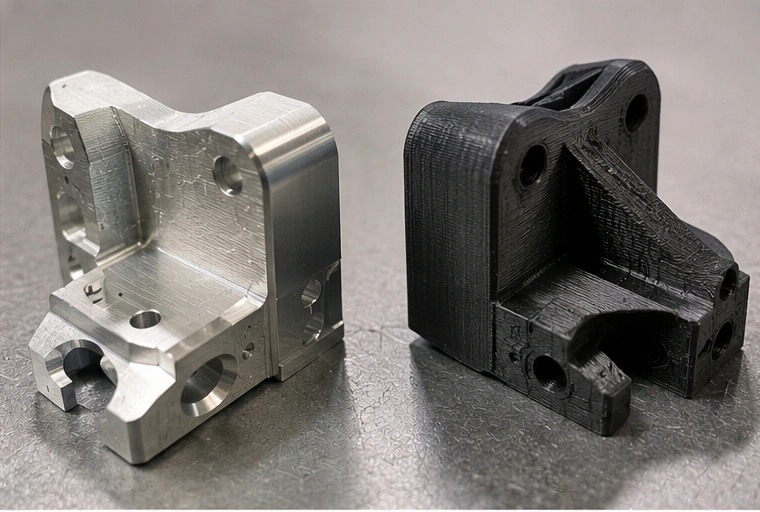
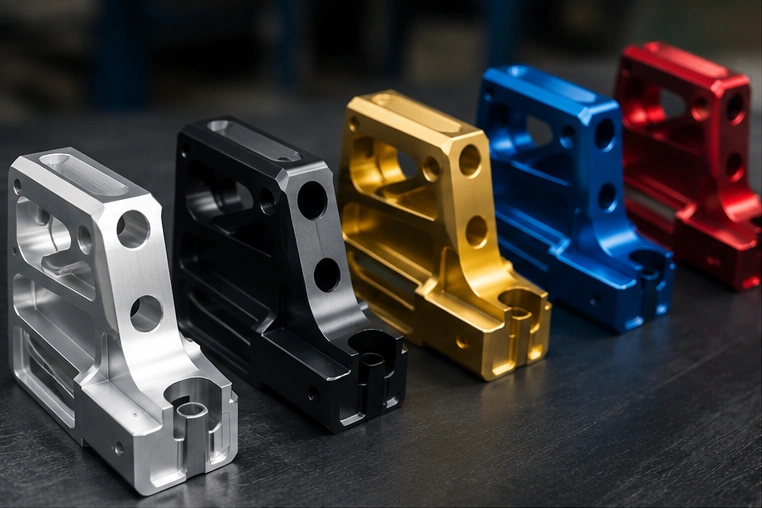 Image 1: CNC machined parts with different surface finishing options
Why Surface Finishing Matters in CNC Machining
Surface finishing is more than cosmetic treatment. The right finish can improve corrosion resistance, surface hardness, wear resistance, appearance, touch feel, and product lifespan.
- Improve corrosion resistance in outdoor or humid environments
- Enhance wear resistance for mechanical parts
- Create a cleaner appearance for visible components
- Improve coating adhesion before painting or powder coating
- Support branding requirements through color and texture
1. Anodizing
Best for: Aluminum CNC parts
Anodizing is one of the most widely used surface treatments for aluminum CNC machining. It creates a controlled oxide layer directly on the aluminum surface, improving corrosion resistance and appearance.
Common applications: electronics enclosures, aerospace brackets, drone components, automotive aluminum parts, and consumer products.
- Excellent corrosion resistance
- Professional appearance
- Available in black, silver, red, blue, gold, and other colors
- Type II anodizing for decorative use
- Type III hard anodizing for higher wear resistance
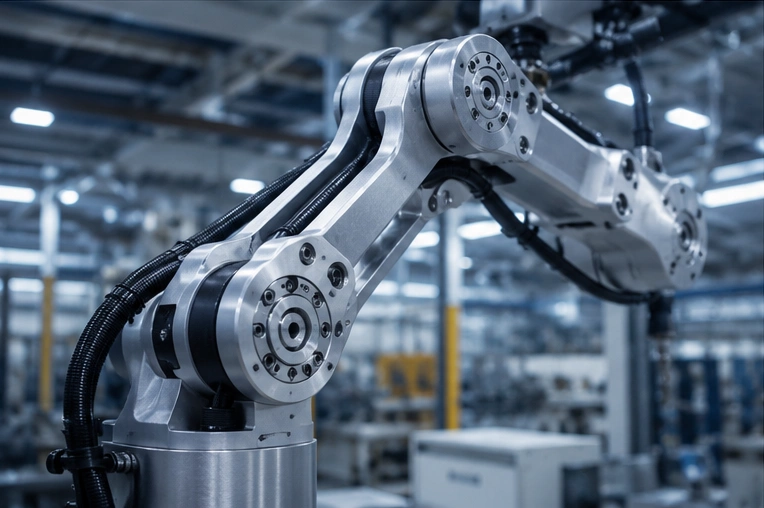
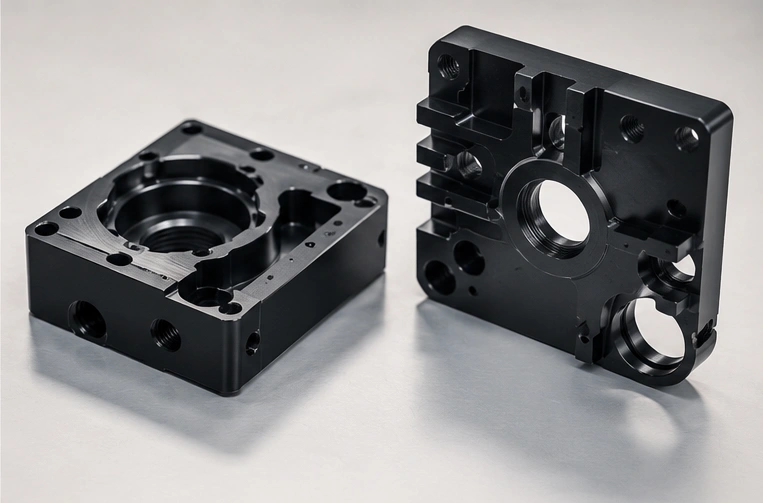 Image 2: Black anodized aluminum CNC machined components
2. Polishing
Best for: Stainless steel, aluminum, brass, copper, and plastics
Polishing improves surface smoothness by mechanically removing fine machining marks. Depending on the process, the final surface can range from satin brushed texture to mirror-like reflection.
Common applications: medical parts, optical components, decorative metal parts, stainless steel components, and premium consumer products.
- Improves surface appearance
- Reduces surface roughness
- Suitable for exposed metal parts
- Mirror polishing creates a premium visual effect
- Brushed polishing gives a clean industrial texture
3. Powder Coating
Best for: Steel, aluminum, and industrial hardware
Powder coating applies dry electrostatically charged powder onto a part surface, followed by oven curing. It provides a thick, durable, and visually consistent protective layer.
Common applications: machine covers, outdoor hardware, equipment enclosures, automotive brackets, and industrial structures.
- Strong corrosion protection
- Wide color selection
- Durable surface layer
- Good chemical resistance
- Suitable for industrial and outdoor use
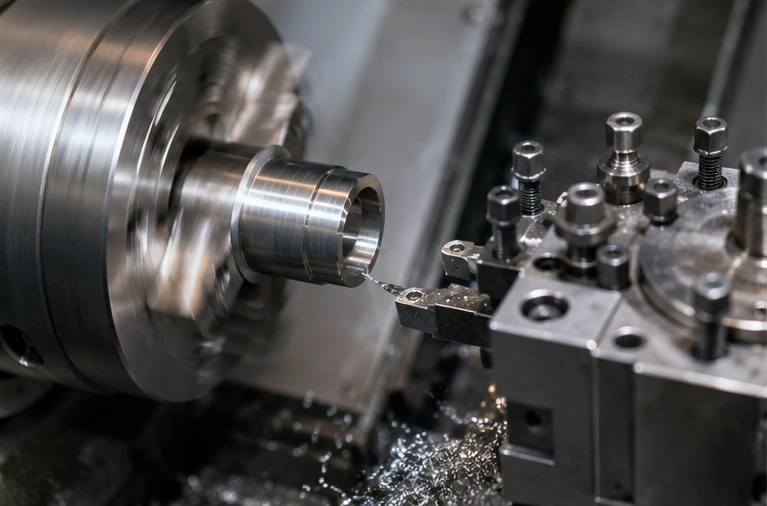
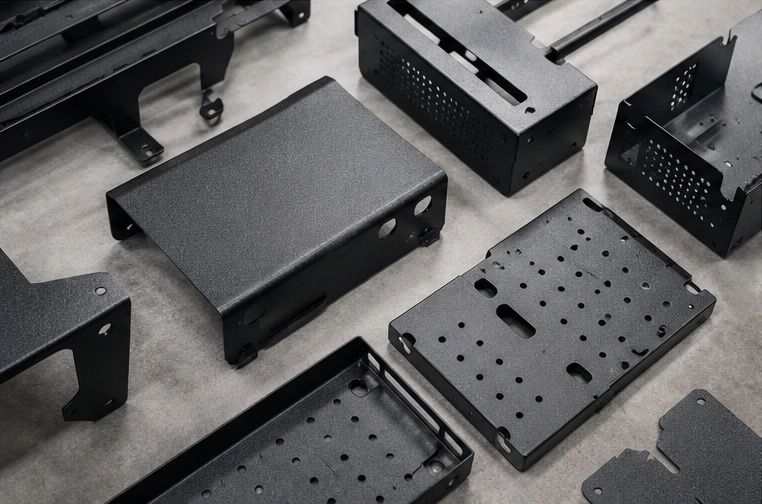 Image 3: Powder coated CNC machined metal parts
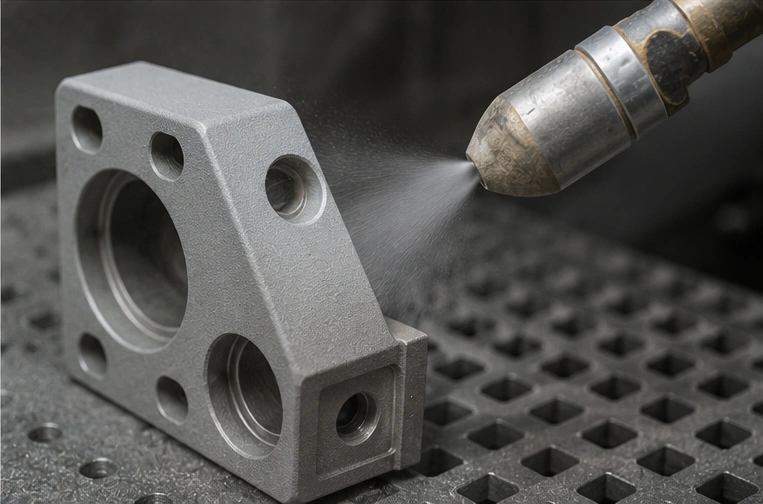
4. Sandblasting
Best for: Aluminum, stainless steel, steel, and plastics
Sandblasting uses abrasive media projected at high speed to create a uniform matte surface. It is often used before anodizing, painting, or powder coating.
Common applications: aluminum housings, tooling parts, industrial components, and matte cosmetic surfaces.
- Removes machining marks
- Creates a uniform matte texture
- Improves coating adhesion
- Cost-effective surface preparation
5. Electroplating
Best for: Steel, brass, copper, and metal hardware
Electroplating deposits a thin metal layer onto the part surface through an electrochemical process. Common options include nickel plating, zinc plating, chrome plating, and gold plating.
- Improves corrosion resistance
- Can improve electrical conductivity
- Provides decorative metallic appearance
- Commonly used for connectors, hardware, and electronic parts
6. Black Oxide
Best for: Steel and stainless steel parts
Black oxide creates a dark conversion coating on ferrous metals. It offers a clean industrial appearance with minimal dimensional change, making it useful for precision mechanical components.
- Minimal dimensional impact
- Low-cost black finish
- Suitable for precision steel components
- Usually combined with oil treatment for better protection
7. As-Machined Finish
Best for: Prototypes, internal components, and cost-sensitive projects
Not every CNC part needs additional surface treatment. As-machined parts keep the natural toolpath marks from CNC cutting and are often used for prototypes or functional internal components.
- Lowest cost option
- Fastest delivery
- No additional finishing lead time
- Suitable for prototype testing and internal mechanical parts
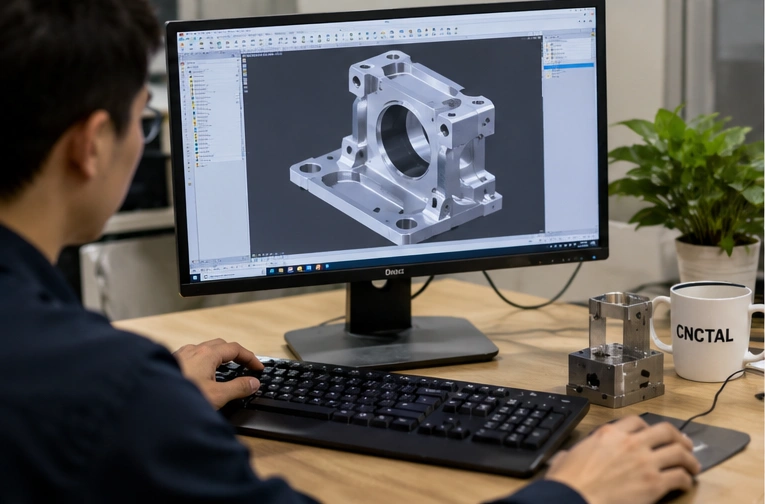
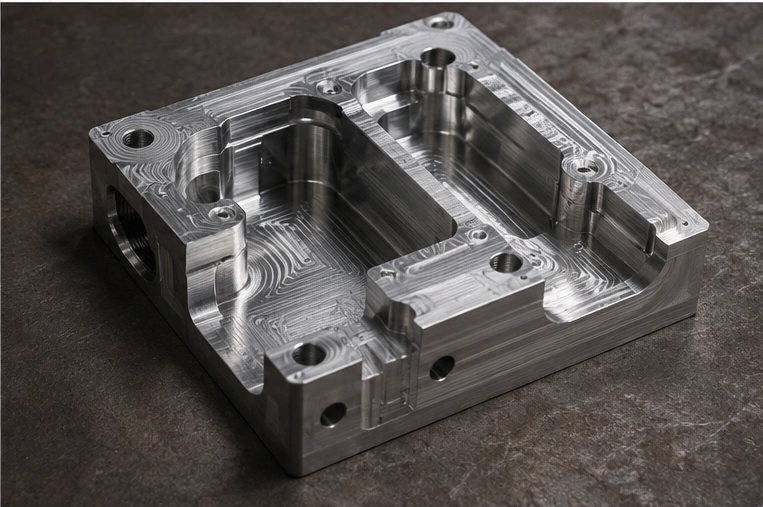 Image 4: As-machined CNC parts with natural toolpath marks
Quick Comparison: Which CNC Finish Should You Choose?
| Finish | Best Material | Appearance | Corrosion Resistance | Cost Level |
|---|---|---|---|---|
| Anodizing | Aluminum | Colored / Matte | High | Medium |
| Polishing | Aluminum / Stainless Steel / Brass | Gloss / Mirror / Brushed | Medium | Medium-High |
| Powder Coating | Steel / Aluminum | Colored Coating | High | Medium |
| Sandblasting | Aluminum / Steel / Stainless Steel | Matte Texture | Low | Low |
| Electroplating | Steel / Brass / Copper | Metallic Finish | High | Medium |
| Black Oxide | Steel / Stainless Steel | Matte Black | Medium | Low |
| As-Machined | All Materials | Raw CNC Finish | Low | Lowest |
How to Select the Right Surface Finish for Your CNC Part
When choosing a surface finish, engineers usually consider material, appearance, tolerance, working environment, and cost.
1. What material is being machined?
Aluminum is commonly anodized. Steel parts may use powder coating, black oxide, or plating. Stainless steel parts are often polished or passivated.
2. Is appearance important?
Consumer-facing products often require cleaner cosmetic finishes, while internal mechanical parts may only need an as-machined surface.
3. Does the part require corrosion protection?
Outdoor, marine, humid, or chemical environments usually require stronger surface protection.
4. Are there tight tolerances?
Some finishes add measurable thickness. Critical holes, threads, and fitting surfaces should be considered before finishing.
5. What is the project budget?
Premium finishes improve durability and visual quality, but they also increase manufacturing cost and lead time.
Final Thoughts
There is no single best CNC surface finish for every part. The right choice depends on material, application, environment, appearance requirements, and production budget.
For aluminum CNC parts, anodizing often provides a strong balance between protection and appearance. For industrial steel parts, powder coating and black oxide are common choices. For premium visible components, polishing can significantly improve the final product quality.
Need Help Choosing the Right CNC Surface Finish?
CNCTAL provides precision CNC machining with multiple surface finishing options for prototypes, low-volume production, and custom industrial parts.
- Anodizing Type II & Type III
- Sandblasting
- Powder Coating
- Polishing
- Zinc / Nickel Plating
- Black Oxide
- Custom Surface Treatments
Send your 2D/3D drawings to our engineering team and we will help recommend the most suitable finishing process for your CNC parts.
Upload CAD for Instant QuoteFAQ: CNC Surface Finishing
What is the best surface finish for CNC aluminum parts?
Anodizing is one of the most common finishing options for CNC aluminum parts because it improves corrosion resistance, wear resistance, and appearance. Type II anodizing is often used for decorative finishes, while Type III hard anodizing is better for high-wear applications.
What is the difference between anodizing and powder coating?
Anodizing creates a protective oxide layer directly on aluminum surfaces, while powder coating applies a colored protective coating on top of the material. Anodizing is commonly used for precision aluminum parts, while powder coating is often used for steel parts, brackets, covers, and industrial hardware.
Which CNC surface finish is best for corrosion resistance?
Anodizing, powder coating, electroplating, and black oxide can all improve corrosion resistance. The best choice depends on the material, working environment, required appearance, and whether the part will be used indoors, outdoors, or in humid conditions.
Does surface finishing affect CNC part dimensions?
Yes. Some finishing processes such as anodizing, powder coating, plating, and coating add measurable thickness to the surface. For tight-tolerance holes, threads, and mating surfaces, finishing thickness should be considered during the design and manufacturing stage.
What is an as-machined finish in CNC machining?
An as-machined finish means the CNC part is used directly after machining without additional surface treatment. It keeps natural toolpath marks and is often selected for prototypes, internal mechanical parts, and cost-sensitive projects.