
How CNC Surface Finishing Affects Appearance and Function
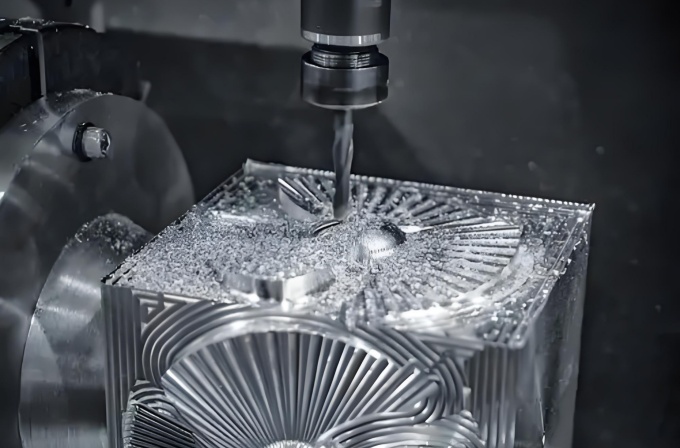
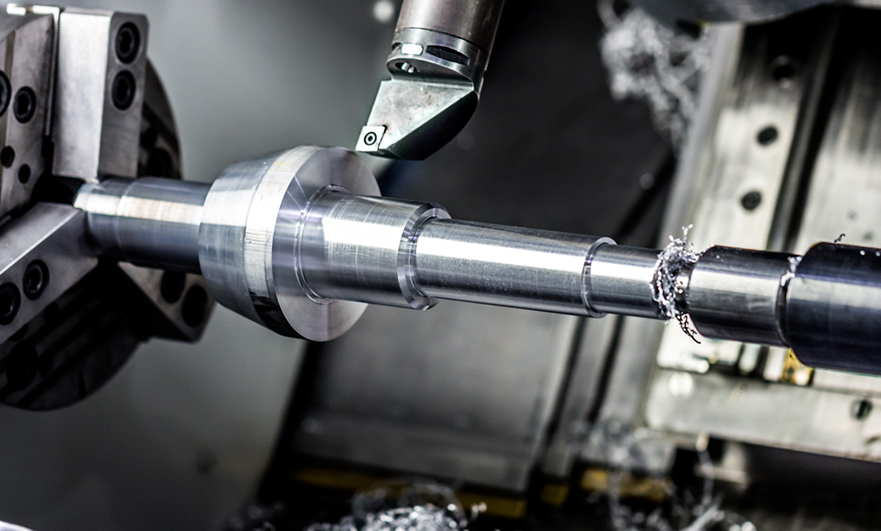
In CNC machining, the machining process creates the shape of a part — but surface finishing often determines how that part looks, performs, and survives in real working conditions.
A CNC machined component may look acceptable straight off the machine, but without the right surface finish, it may still face corrosion, poor wear resistance, visible machining marks, excessive glare, or reduced product lifespan.
This is why surface finishing is not only a cosmetic step. The right finish can influence appearance, durability, corrosion resistance, surface feel, friction behavior, electrical properties, and long-term reliability.
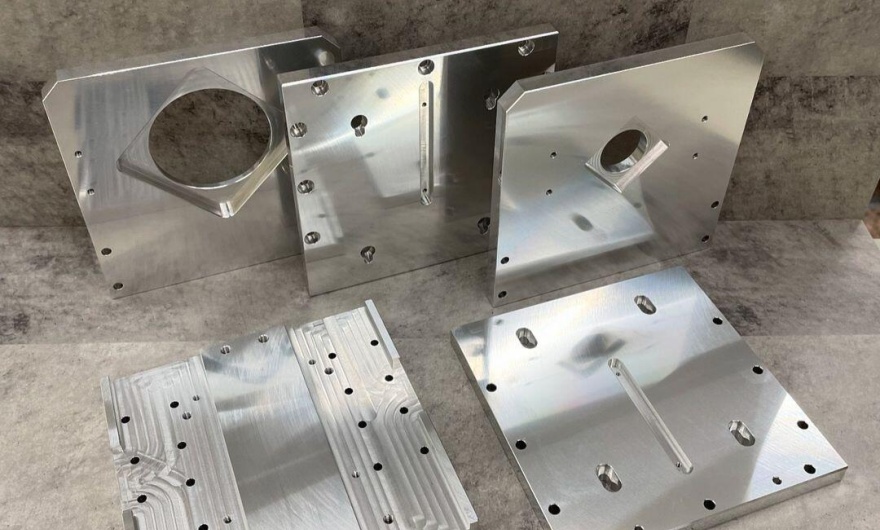
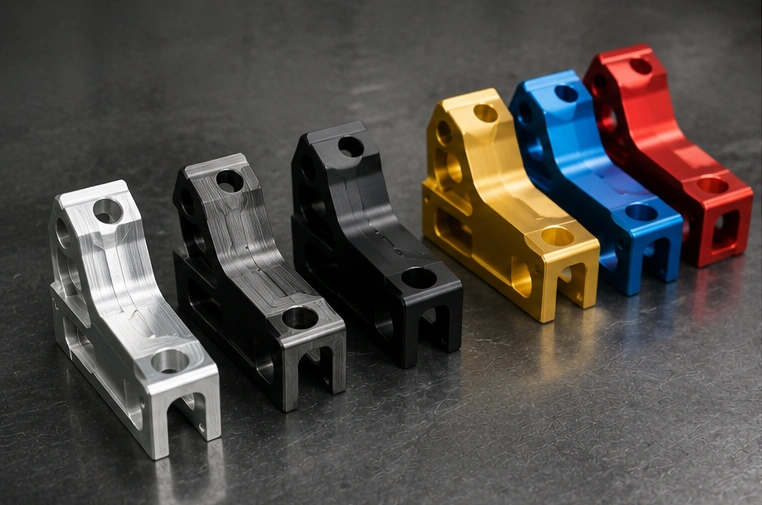 Image 1: Different CNC surface finishes can change both appearance and performance.
Why CNC Surface Finish Matters Beyond Appearance
Many buyers think surface finishing is mainly about making a part look better. In reality, engineers often specify finishing because the part needs to work reliably in a specific environment.
- Improve corrosion resistance in humid or outdoor conditions
- Increase wear resistance for moving or handled components
- Reduce glare and surface reflection
- Improve surface hardness or scratch resistance
- Create a better touch feel for visible products
- Support product branding through color and texture
- Prepare the surface for painting, coating, or assembly
The same aluminum part can behave very differently depending on whether it is left as-machined, anodized, sandblasted, polished, or powder coated.
1. Anodizing: Appearance and Protection for Aluminum CNC Parts
Best for: Aluminum CNC components
Anodizing is one of the most common surface treatments for CNC aluminum parts. Instead of applying paint on top of the surface, anodizing creates a controlled oxide layer that becomes part of the aluminum itself.
How it changes appearance:
- Creates a clean and professional aluminum finish
- Available in black, silver, red, blue, gold, and other colors
- Can produce matte, satin, or technical industrial looks
- Helps reduce the visibility of minor machining marks
How it affects function:
- Improves corrosion resistance
- Increases surface hardness
- Improves wear and scratch resistance
- Can provide electrical insulation depending on the process
Type II anodizing is often selected for decorative and general industrial parts, while Type III hard anodizing is better for high-wear aluminum components.
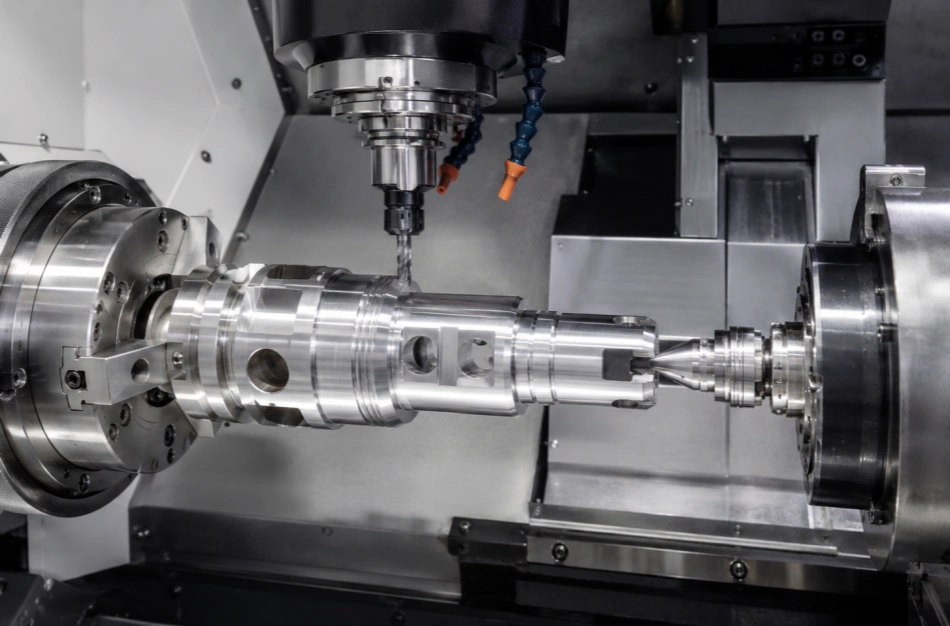
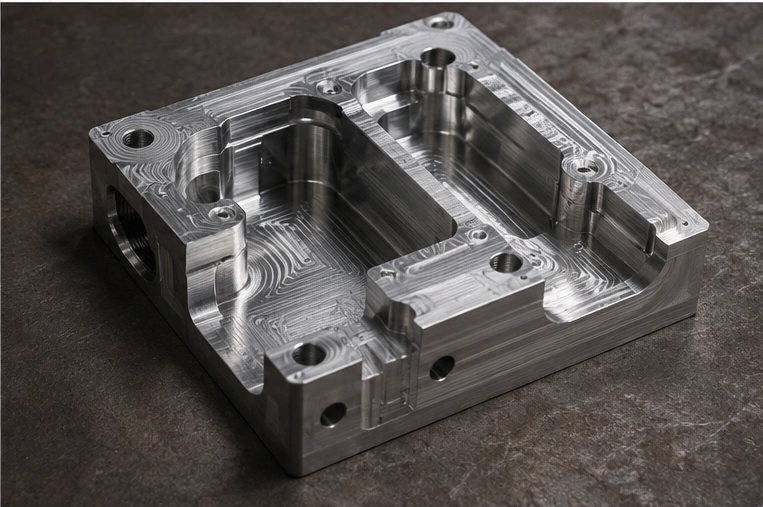 Image 2: Anodizing gives aluminum parts a durable and professional surface finish.
2. Polishing: Smooth Surface, Better Visual Quality
Best for: Stainless steel, aluminum, brass, copper, and plastics
Polishing removes fine machining marks and improves surface smoothness. Depending on the required finish, the result can range from a soft satin surface to a bright mirror-like reflection.
How it changes appearance:
- Creates a brighter and cleaner surface
- Can achieve mirror, satin, or brushed finishes
- Improves the perceived quality of exposed metal parts
- Commonly used for premium visible components
How it affects function:
- Reduces surface roughness
- Makes parts easier to clean
- Reduces dirt and residue retention
- Improves touch feel for handled products
Polishing is commonly used for medical components, stainless steel parts, consumer products, optical devices, and decorative hardware.
3. Sandblasting: Uniform Matte Texture and Better Coating Adhesion
Best for: Aluminum, stainless steel, steel, and plastics
Sandblasting uses abrasive media to create a uniform textured surface. It is often used alone for a matte appearance or as a preparation step before anodizing, painting, or powder coating.
How it changes appearance:
- Creates a matte, low-glare surface
- Produces a consistent fine texture
- Softens visible machining marks
- Gives parts a clean industrial appearance
How it affects function:
- Improves coating adhesion
- Reduces surface reflection
- Prepares the surface for anodizing or painting
- Improves visual consistency across batches
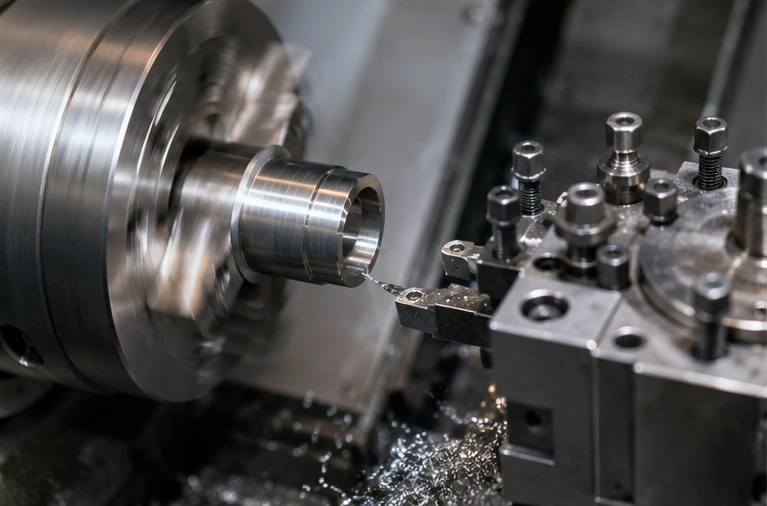
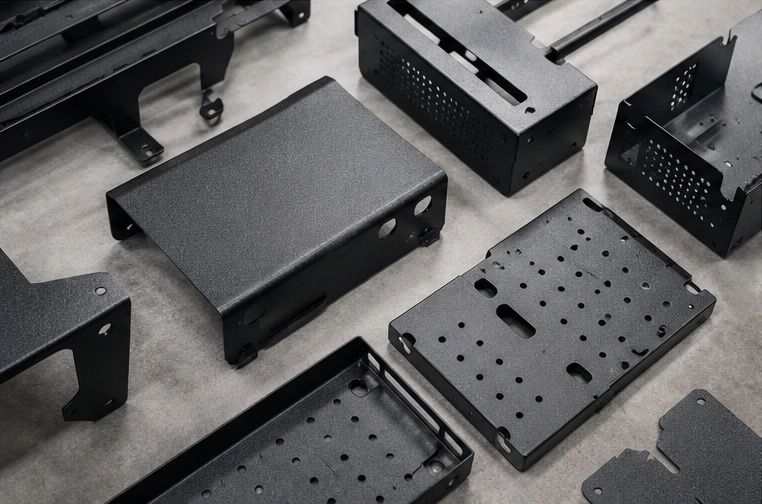 Image 3: Sandblasting creates a uniform matte texture and improves surface preparation.
4. Black Oxide: Low-Reflection Finish for Steel Parts
Best for: Steel and stainless steel components
Black oxide is a chemical conversion finish used mainly on ferrous metals. It creates a thin black surface layer with minimal dimensional change.
How it changes appearance:
- Creates a matte black industrial look
- Reduces light reflection
- Gives steel parts a clean and professional finish
- Commonly used for tools, fasteners, and machine components
How it affects function:
- Minimal effect on part dimensions
- Provides moderate corrosion resistance
- Suitable for precision steel components
- Often combined with oil treatment for added protection
Black oxide is useful when engineers need a black finish without significantly changing critical dimensions.
5. Powder Coating: Strong Protection and Color Control
Best for: Steel, aluminum, and industrial hardware
Powder coating applies dry powder to the part surface and cures it under heat. The result is a thick, durable protective coating with strong visual consistency.
How it changes appearance:
- Available in many colors and textures
- Creates matte, gloss, or textured surfaces
- Provides a consistent finished look across larger parts
- Useful for branding and product styling
How it affects function:
- Improves corrosion resistance
- Provides strong outdoor durability
- Improves scratch and chemical resistance
- Creates a thicker protective barrier
Because powder coating adds noticeable thickness, tight-tolerance holes, threads, and mating surfaces should be considered before coating.
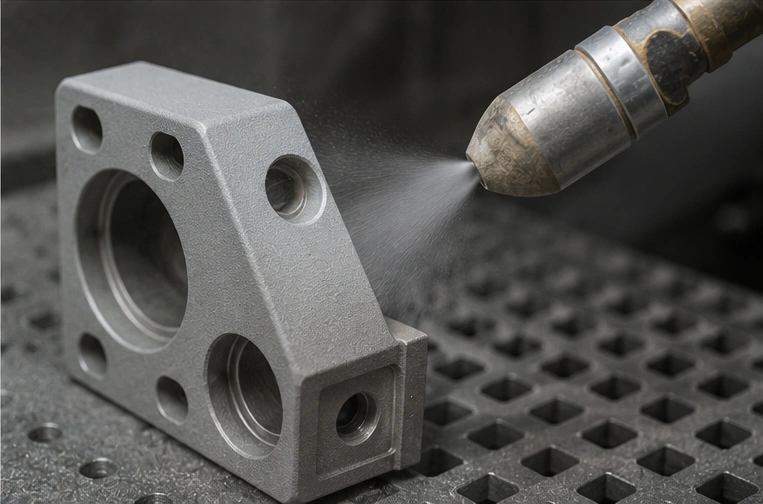 Image 4: Powder coating provides strong protection and a consistent industrial appearance.
Comparison: How Different Finishes Affect Appearance and Function
| Surface Finish | Main Visual Effect | Main Functional Benefit | Common Materials |
|---|---|---|---|
| Anodizing | Colored or satin aluminum finish | Corrosion resistance, hardness, wear resistance | Aluminum |
| Polishing | Gloss, mirror, or brushed surface | Smoother surface, easier cleaning, better appearance | Stainless steel, aluminum, brass, copper |
| Sandblasting | Matte uniform texture | Better coating adhesion, reduced glare | Aluminum, steel, stainless steel |
| Black Oxide | Matte black surface | Low reflection, minimal dimensional change | Steel, stainless steel |
| Powder Coating | Colored protective coating | High corrosion protection and outdoor durability | Steel, aluminum |
How to Choose the Right CNC Surface Finish
Choosing a surface finish should start with how the part will be used, not only how it should look.
1. Consider the material
Aluminum is commonly anodized. Steel parts may use black oxide, plating, or powder coating. Stainless steel parts are often polished or passivated.
2. Consider the working environment
Parts used outdoors, in humid environments, or near chemicals usually require stronger surface protection than indoor mechanical components.
3. Consider tolerance requirements
Some finishes add measurable thickness. Critical holes, threads, and assembly surfaces should be reviewed before finishing.
4. Consider the final user experience
For visible or handled products, surface texture, color, gloss level, and touch feel can strongly influence perceived quality.
Final Thoughts
CNC surface finishing is not only about making a part look better. It can directly affect corrosion resistance, wear behavior, surface feel, dimensional performance, and product lifespan.
Anodizing can improve aluminum durability and appearance. Polishing can create smoother, cleaner surfaces. Sandblasting helps produce uniform texture and better coating adhesion. Black oxide gives steel parts a low-reflection finish with minimal thickness change. Powder coating provides strong protection for industrial and outdoor applications.
The best finish depends on your material, application environment, appearance expectations, and functional requirements.
Need Help Choosing the Right Surface Finish for Your CNC Parts?
CNCTAL provides precision CNC machining with multiple surface finishing options for prototypes, low-volume production, and custom industrial components.
- Aluminum Anodizing
- Hard Anodizing
- Sandblasting
- Polishing
- Powder Coating
- Black Oxide
- Zinc & Nickel Plating
- Custom Surface Treatments
Send your 2D/3D drawings to our engineering team and we will help recommend the most suitable surface finish for your CNC parts.
Upload CAD for Instant QuoteFAQ: CNC Surface Finishing and Part Performance
How does CNC surface finishing affect part performance?
CNC surface finishing can affect corrosion resistance, wear resistance, surface hardness, scratch resistance, touch feel, dimensional performance, and long-term product durability. The right finish depends on material, working environment, and application requirements.
Which CNC surface finish is best for aluminum parts?
Anodizing is one of the most common surface finishes for CNC aluminum parts because it improves corrosion resistance, hardness, wear resistance, and appearance. Type II anodizing is often used for decorative finishes, while Type III hard anodizing is selected for higher-wear applications.
What is the difference between polishing and sandblasting?
Polishing reduces surface roughness and creates smoother, shinier surfaces such as satin, brushed, or mirror finishes. Sandblasting creates a matte textured surface, reduces glare, and is commonly used to improve coating adhesion before anodizing, painting, or powder coating.
Does powder coating affect CNC part dimensions?
Yes. Powder coating adds measurable surface thickness. Engineers should consider coating thickness when designing precision holes, threads, mating surfaces, and tight assembly tolerances.
What surface finish is best for corrosion protection?
Several CNC finishing options improve corrosion resistance, including anodizing, powder coating, electroplating, and black oxide. The best choice depends on the base material, working environment, required appearance, and final performance requirements.