
CNC Machining Lead Time: What Engineers Should Know Before Ordering Parts
CNC machining lead time is not only about cutting metal. Material sourcing, programming, surface finishing, inspection, packaging, and international shipping can all affect when your parts finally arrive.
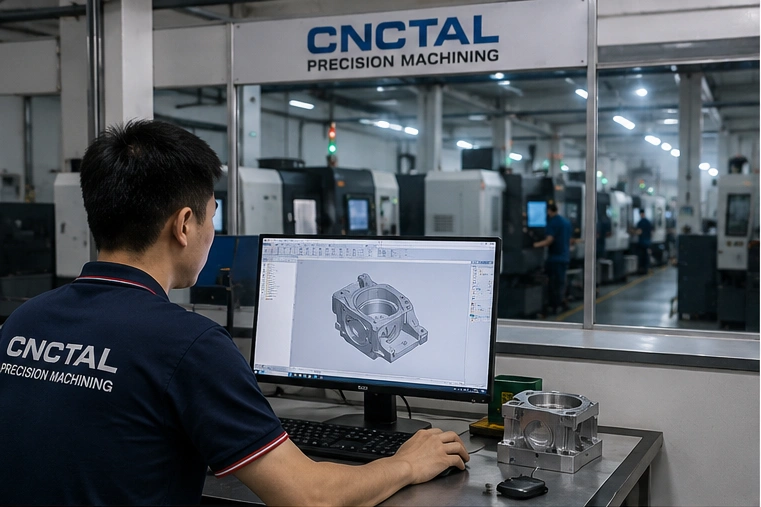
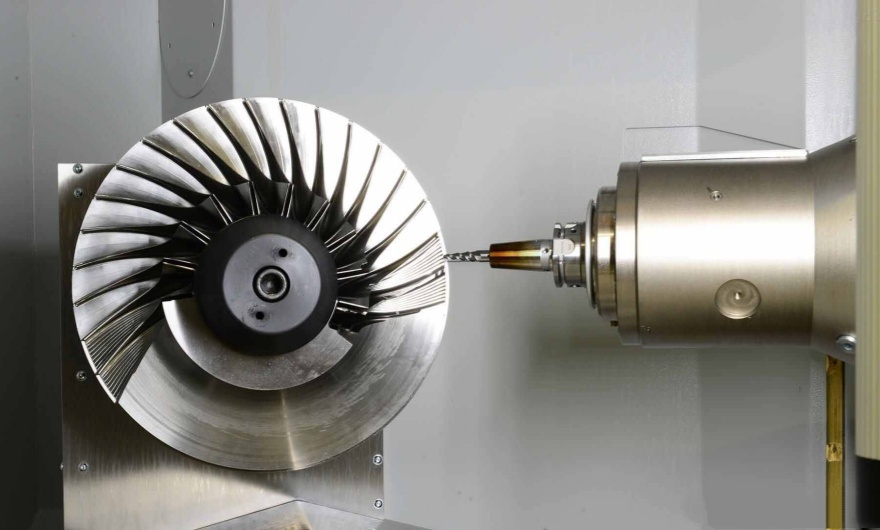
Image 1: CNC machining lead time starts with design review, material preparation, and production planning.
When engineers request CNC machined parts, one of the first questions is usually simple: “How long will this take?”
Lead time affects prototype validation, assembly schedules, production launches, inventory planning, and customer deadlines. But in real manufacturing, CNC lead time is not just the number of hours a part spends on the machine.
If you are sourcing CNC parts from China, especially from a manufacturing hub such as Dongguan, understanding production and shipping timelines can help reduce project risk and avoid unnecessary delays.
What Is CNC Machining Lead Time?
CNC machining lead time refers to the total time required from order confirmation to final delivery. Many buyers only think about machining time, but the complete process usually includes several steps:
- Engineering review and DFM analysis
- Material purchasing and preparation
- CNC programming, fixture setup, and tool preparation
- Machining production
- Surface finishing, if required
- Dimensional inspection and quality control
- Packaging and export shipment
Engineer’s note:
For international orders, shipping time can sometimes be longer than the actual manufacturing process. This is especially true for large production orders shipped by sea.
Typical CNC Machining Lead Times
Actual lead time depends on part complexity, quantity, material availability, finishing requirements, and logistics. Below are common reference ranges for CNC machining projects.
Best for design validation, samples, and urgent engineering tests.
Suitable for 10 pcs, 50 pcs, 100 pcs, or pilot production runs.
Depends on material stock, production capacity, finishing, and inspection requirements.
Prototype CNC Parts
Prototype projects are usually the fastest. Simple aluminum prototypes can often be completed quickly, especially when the material is available and no special finishing is required.
| Process | Estimated Time |
|---|---|
| Engineering Review | 1 day |
| Material Preparation | 1–3 days |
| CNC Machining | 1–5 days |
| Surface Finish | 1–3 days |
| QC & Packaging | 1 day |
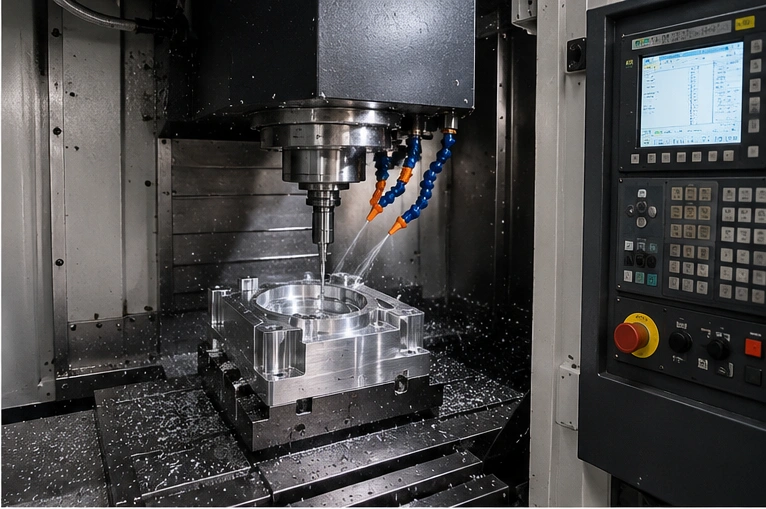
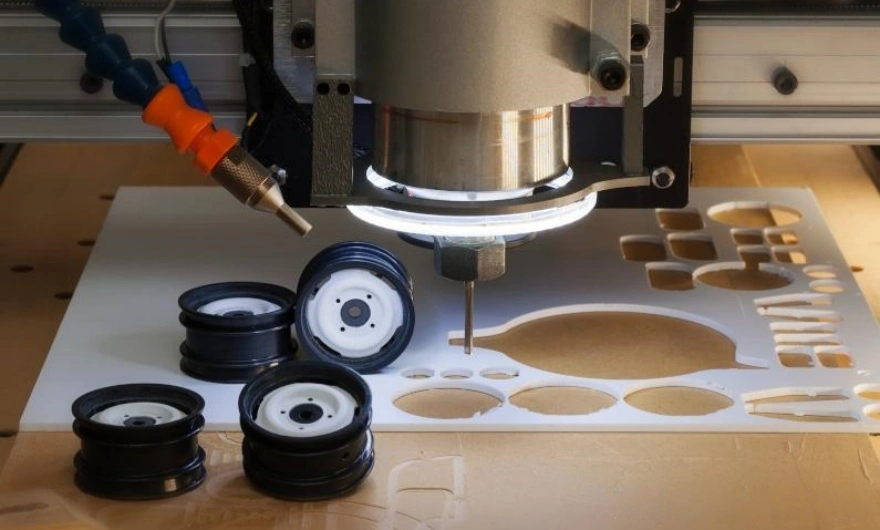
Image 2: Prototype CNC parts usually move fastest when drawings, STEP files, and material requirements are clear.
Small Batch CNC Production
Small batch production usually includes 10 pieces, 50 pieces, 100 pieces, or several hundred parts. Compared with prototyping, production efficiency improves because setups, tools, and machining programs can be reused.
Typical lead time for small batch CNC production is usually around 7–20 working days, depending on the quantity and complexity.
Large Volume CNC Production
For larger production orders, machining is only one part of the schedule. Production planning becomes more important because the supplier must coordinate raw material, machine capacity, tool life, finishing vendors, inspection, and export logistics.
Typical production lead time for larger CNC orders can be around 15–40+ working days. For complex parts, hard materials, or strict documentation requirements, the schedule may be longer.
Shipping Time: Air Freight vs. Sea Freight
For overseas CNC sourcing, logistics can significantly affect the total lead time. A project may finish machining quickly, but the final delivery time depends on how the parts are shipped.
Express Air Shipping: Best for Prototypes and Small Orders
For prototypes or small batches, express air shipping is usually the best option. From Dongguan, China to the United States, express delivery by DHL, FedEx, or UPS usually takes around 5–7 days.
Air shipping is fast, trackable, and suitable for urgent engineering projects. However, it becomes expensive when the parts are large, heavy, or packed in multiple cartons.
Sea Freight: Better for Large Production Orders
For large quantity CNC parts, sea freight is usually more cost-effective. It is suitable for heavy metal parts, large carton volumes, and production orders where logistics cost matters.
Shipping from China to the United States by sea may take around 25 days or more, depending on route, port schedule, customs clearance, and final delivery location.
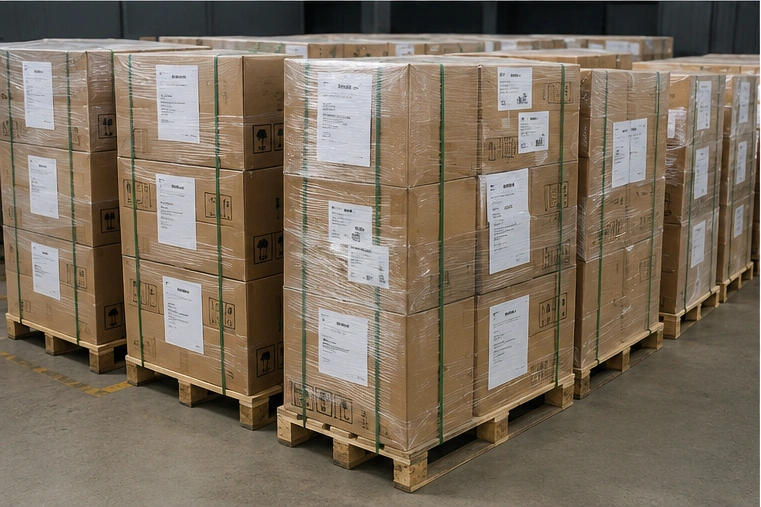
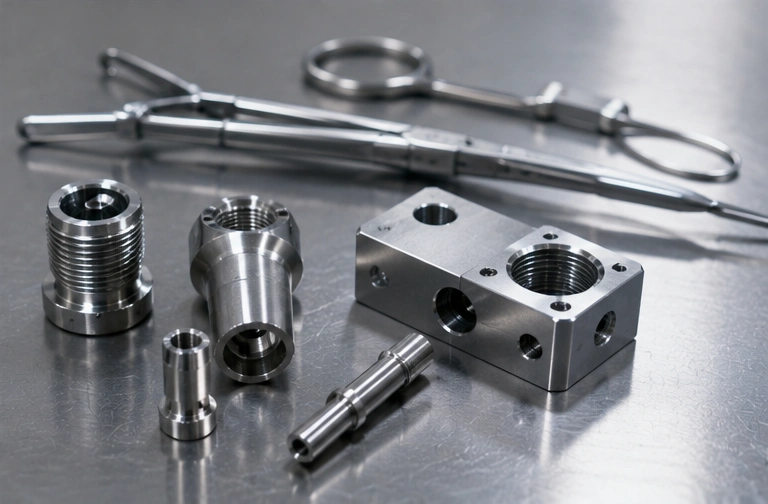
Image 3: Air freight is suitable for urgent prototypes, while sea freight is more economical for larger production orders.
Common Factors That Affect CNC Machining Lead Time
1. Material Availability
Common materials such as aluminum 6061, stainless steel 304, brass, mild steel, and Delrin are usually easier to source quickly. Special materials such as titanium, Inconel, PEEK, or aerospace-grade aluminum may require additional purchasing time.
2. Part Complexity
Simple turned parts are usually faster than complex multi-axis components. Deep pockets, thin walls, tight tolerances, multi-side machining, and complex geometries usually increase machining time.
3. Surface Finishing Requirements
Surface finishing is often underestimated. Processes such as anodizing, black oxide, powder coating, sandblasting, polishing, and electroplating may add several extra days.
4. Inspection and Documentation
Standard inspection is usually fast. However, CMM reports, material certificates, full dimensional reports, first article inspection, or special customer documentation can extend the final delivery schedule.
How Engineers Can Reduce CNC Lead Time
Shorter lead times often begin before the supplier starts cutting material. A clear and manufacturable design can save several days during review and production.
- Provide both STEP files and 2D PDF drawings.
- Clearly mark critical tolerances only where they are needed.
- Use common materials when possible.
- Avoid unnecessary cosmetic finishing on prototype parts.
- Confirm surface treatment, color, quantity, and shipping method early.
- Separate prototype orders from large production orders when speed is important.
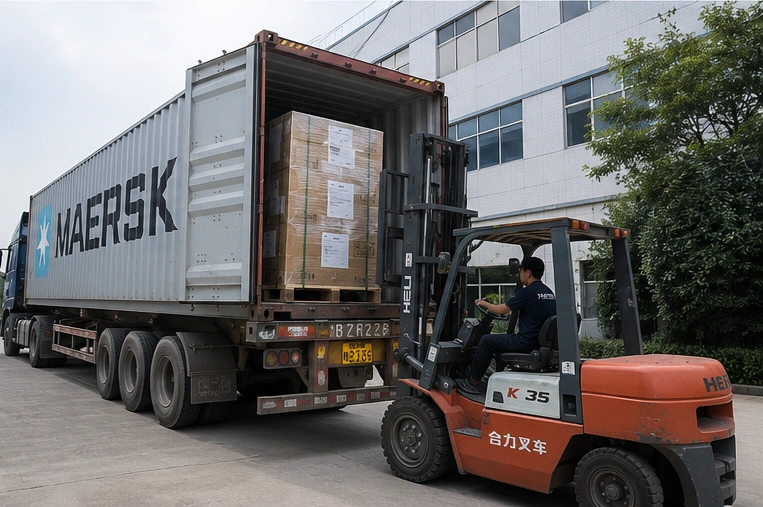
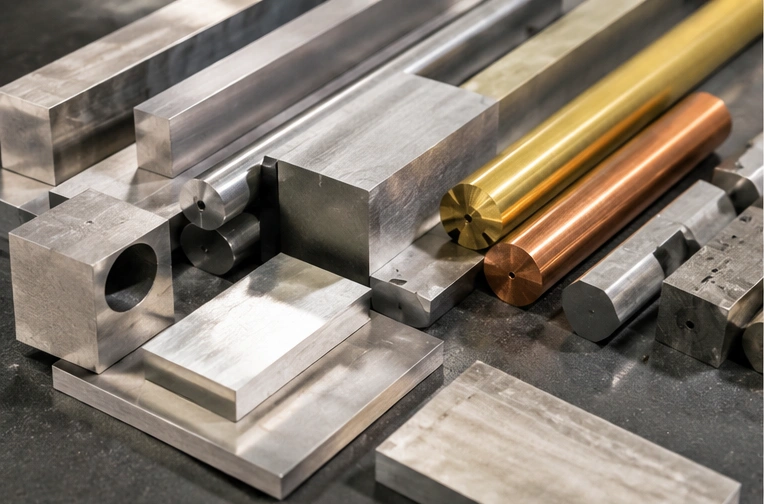
Image 4: Clear drawings, practical tolerances, and early logistics planning help reduce CNC project delays.
Final Thoughts
CNC machining lead time is not only about machine availability. Successful project planning requires considering material sourcing, machining complexity, surface finishing, inspection, packaging, and international logistics.
For engineers sourcing CNC parts from China, the shipping method is especially important. Express air delivery is usually best for prototypes and small batches, while sea freight is more practical for larger production orders.
Understanding these timelines early helps reduce delays, control costs, and keep engineering projects moving smoothly.
Need CNC Machined Parts Delivered on Schedule?
CNCTAL supports rapid CNC prototypes, low-volume production, and precision machined parts in aluminum, stainless steel, brass, steel, and engineering plastics.
Send us your CAD files, drawings, material requirements, surface finish details, and expected delivery date. Our engineering team will review your project and provide a practical quotation.
Upload CAD for QuoteFAQ: CNC Machining Lead Time
How long does CNC machining usually take?
Simple CNC prototypes may take around 3–10 working days, while small batch production often takes 7–20 working days. Large volume CNC orders may require 15–40+ working days depending on material, complexity, surface finishing, and inspection requirements.
What affects CNC machining lead time the most?
The main factors include material availability, part complexity, tolerance requirements, machining setups, surface finishing, quality inspection, documentation, and international shipping method.
How long does shipping from China to the United States take?
Express air shipping from Dongguan, China to the United States usually takes around 5–7 days and is suitable for prototypes or small batches. Sea freight is more suitable for large production orders and may take around 25 days or longer.
Is air shipping suitable for large CNC production orders?
Air shipping is fast but can be expensive for large or heavy CNC machined parts. For large production quantities, sea freight is usually more cost-effective, although the delivery time is longer.
How can engineers reduce CNC machining lead time?
Engineers can reduce lead time by providing clear STEP files and 2D drawings, choosing common materials, using practical tolerances, confirming surface finishing early, and selecting the right shipping method based on project urgency.