
Best Plastics for CNC Machining Applications: A Practical Material Selection Guide
CNC machining is not only used for metals. Engineering plastics are widely used for precision parts that require lower weight, electrical insulation, chemical resistance, or reduced friction.
When people think about CNC machining, materials like aluminum, stainless steel, and brass often come first. However, CNC machined plastics are just as important in many modern manufacturing projects.
From medical devices and electronics housings to robotics, industrial automation, and semiconductor equipment, engineering plastics can offer advantages that metals cannot always provide.
The challenge is choosing the right material. Not all plastics perform the same way. Some materials are better for strength and wear resistance, while others are better for high temperature, chemical exposure, or optical clarity.
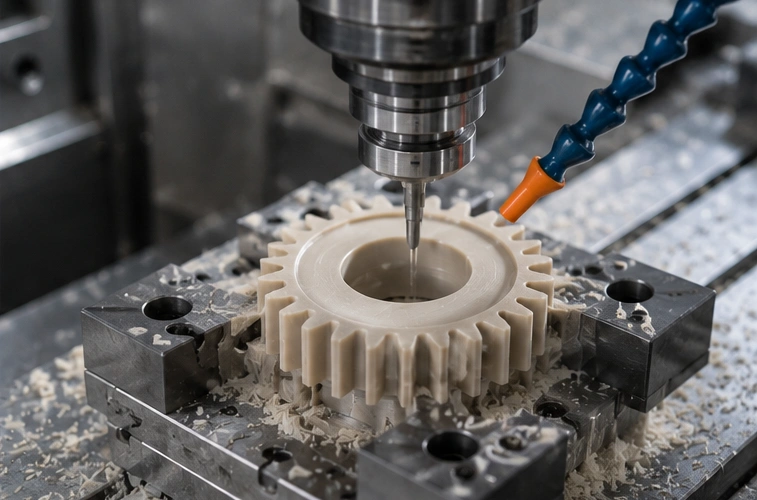
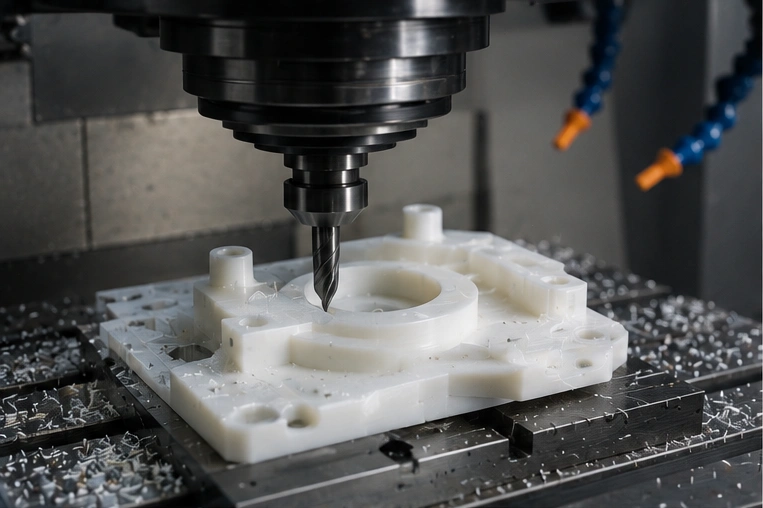 Image 1: CNC machined plastic parts are widely used in medical, electronics, robotics, and industrial applications.
Why Choose Plastics for CNC Machining?
Plastic CNC machining is often selected when engineers need a balance of performance, weight reduction, and cost efficiency.
- Lower weight compared with metal parts
- Excellent corrosion resistance
- Good electrical insulation
- Chemical resistance for harsh environments
- Lower friction for moving parts
- Cost-effective for prototypes and small batches
- Good machinability for precision components
In many applications, CNC machined plastics are not just substitutes for metal. They are selected because they provide better insulation, lower friction, lighter weight, or stronger chemical resistance.
1. POM / Delrin: A Reliable Choice for Precision Plastic Parts
Best for: Precision mechanical components
POM, also known as acetal or Delrin, is one of the most popular engineering plastics for CNC machining. It offers a strong balance of stiffness, dimensional stability, wear resistance, and machinability.
Main advantages:
- High dimensional accuracy
- Excellent wear resistance
- Low friction
- Good fatigue resistance
- Easy to machine
Typical applications:
- Gears
- Bushings
- Rollers
- Bearings
- Precision fixtures
- Conveyor components
For many precision plastic components, POM is often the first material engineers consider.
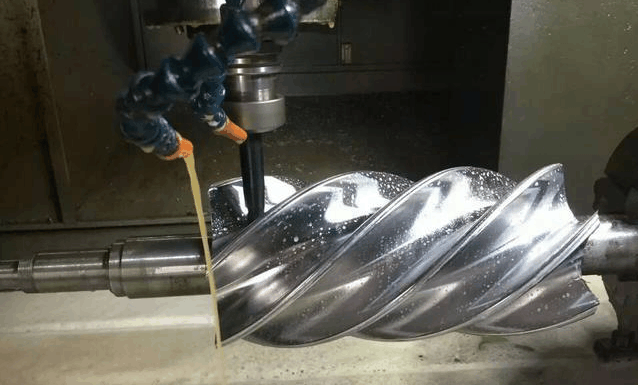
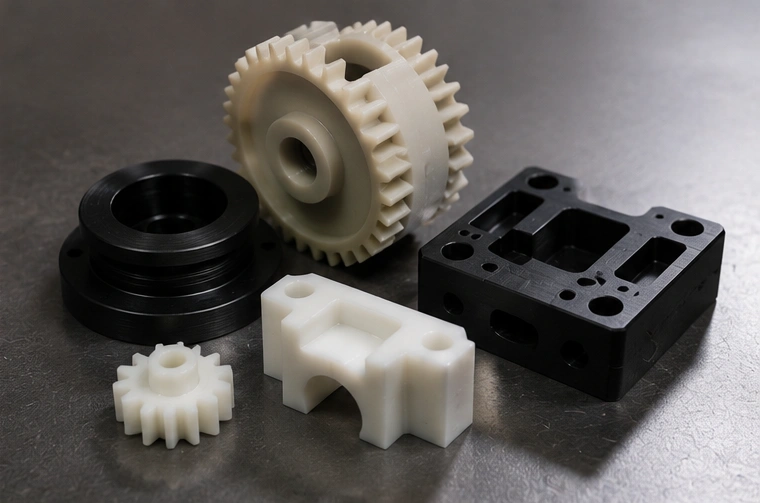 Image 2: POM / Delrin is commonly used for precision plastic gears, bushings, rollers, and fixtures.
2. PEEK: High-Performance Plastic for Demanding Applications
Best for: High-temperature and high-performance engineering parts
PEEK is one of the highest-performing plastics used in CNC machining. It combines strong mechanical properties with excellent temperature resistance and chemical resistance.
Main advantages:
- High strength-to-weight ratio
- Excellent chemical resistance
- High temperature resistance
- Good wear resistance
- Suitable for demanding industrial environments
Typical applications:
- Aerospace components
- Medical device parts
- Semiconductor equipment components
- High-temperature machine parts
- Oil and gas components
PEEK is more expensive than most engineering plastics, but it is often selected when normal plastics cannot meet performance requirements.
3. ABS: Cost-Effective Plastic for Prototypes and General Parts
Best for: Prototypes and general-purpose components
ABS is widely used because it is affordable, lightweight, easy to machine, and suitable for many general engineering applications.
Main advantages:
- Cost-effective
- Good impact resistance
- Lightweight
- Easy to machine
- Good surface quality
Typical applications:
- Prototype parts
- Electronics housings
- Consumer product components
- Testing fixtures
- Non-load-bearing industrial parts
ABS is a practical choice when cost, speed, and general mechanical performance are more important than extreme strength or temperature resistance.
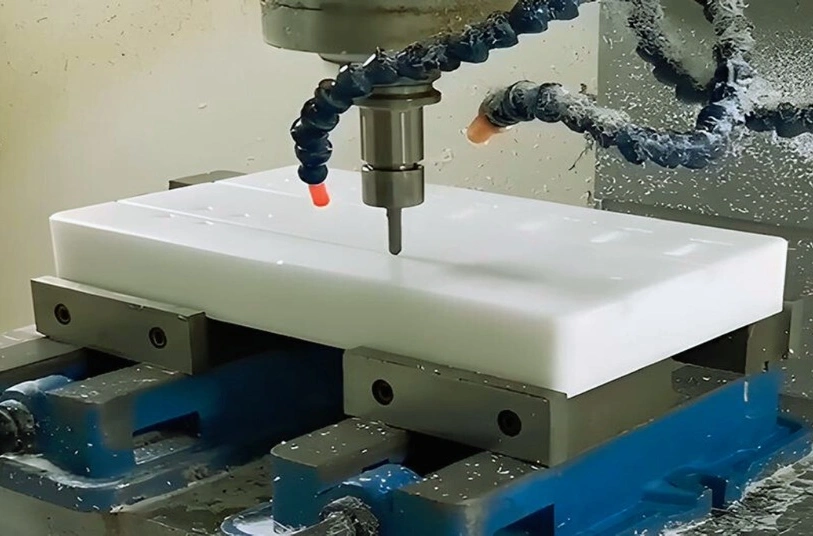
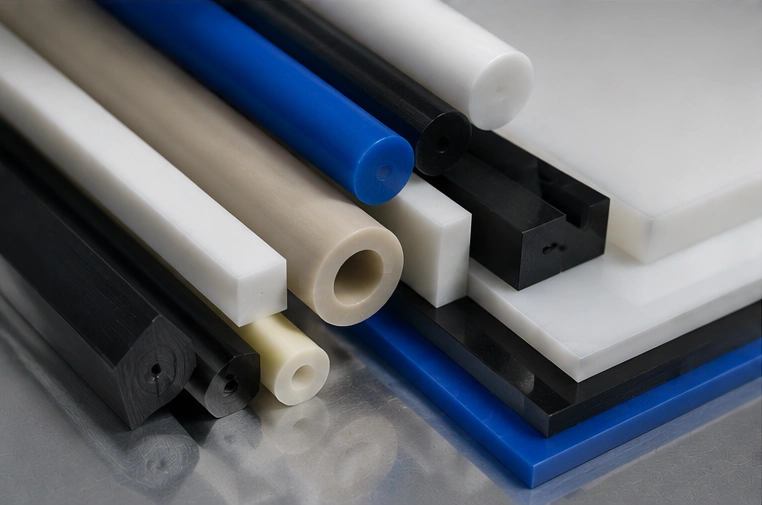 Image 3: ABS is often used for prototypes, housings, and general-purpose CNC machined plastic components.
4. Polycarbonate: Tough and Transparent Plastic
Best for: Transparent and impact-resistant components
Polycarbonate is known for its high impact resistance and optical clarity. It is commonly used when engineers need both visibility and durability.
Main advantages:
- High impact resistance
- Transparent options available
- Good dimensional stability
- Lightweight
- Suitable for protective covers and guards
Typical applications:
- Protective covers
- Machine guards
- Optical components
- Transparent housings
- Safety equipment
5. Acrylic / PMMA: Clear Plastic for Display and Optical Parts
Best for: Optical, display, and appearance-focused parts
Acrylic, also known as PMMA, offers excellent transparency and a clean visual appearance. It is easier to polish than many other plastics and is often used for display-related components.
Main advantages:
- Excellent transparency
- Attractive appearance
- Good UV resistance
- Can be polished to a clear finish
- Suitable for visual components
Typical applications:
- Display panels
- Light covers
- Signage parts
- Medical viewing windows
- Consumer product housings
6. Nylon / PA: Wear-Resistant Plastic for Moving Parts
Best for: Wear-resistant mechanical components
Nylon is widely used in industrial applications because of its toughness, wear resistance, and good fatigue performance. It is often used in moving assemblies.
Main advantages:
- High toughness
- Good wear resistance
- Low friction
- Lightweight
- Good fatigue performance
Typical applications:
- Gears
- Wear pads
- Rollers
- Bushings
- Industrial machine components
7. PTFE / Teflon: Low-Friction and Chemical-Resistant Plastic
Best for: Chemical-resistant and low-friction applications
PTFE is known for its extremely low friction and strong chemical resistance. It is often selected for sealing, sliding, and chemical processing applications.
Main advantages:
- Very low friction
- Excellent chemical resistance
- Non-stick surface
- Good temperature resistance
- Suitable for seals and gaskets
Typical applications:
- Seals
- Gaskets
- Valve components
- Chemical processing parts
- Food processing systems
PTFE is not as strong as POM or PEEK, but it performs very well in harsh chemical and low-friction environments.
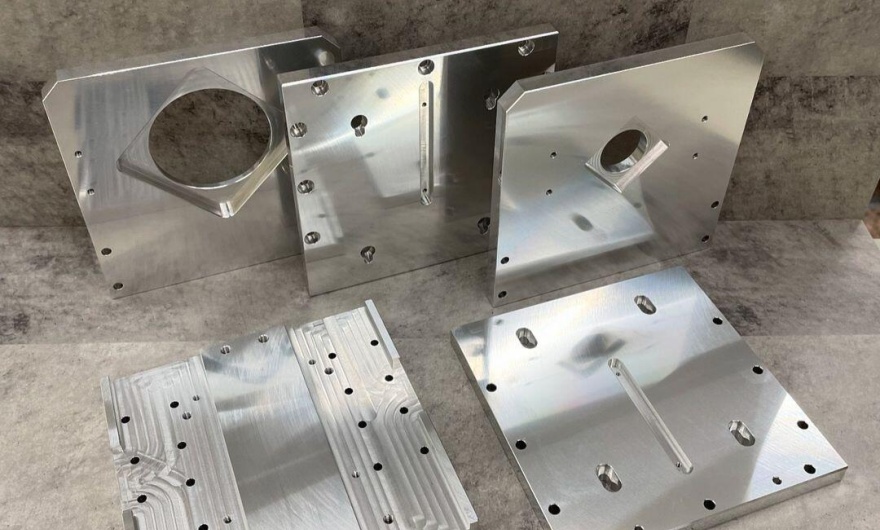
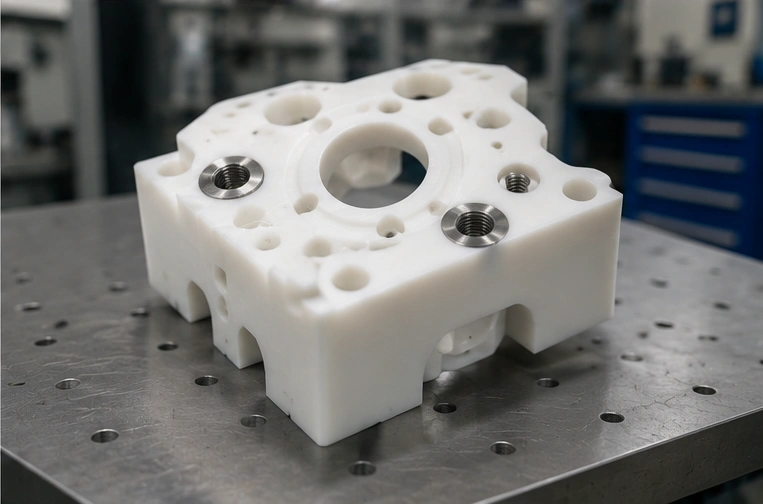 Image 4: Engineering plastics can be selected based on strength, friction, temperature, chemical resistance, and cost.
Plastic Material Comparison for CNC Machining
| Material | Main Strength | Best Application | Cost Level |
|---|---|---|---|
| POM / Delrin | Dimensional stability and wear resistance | Gears, bushings, rollers, fixtures | Medium |
| PEEK | High temperature and chemical resistance | Aerospace, medical, semiconductor parts | High |
| ABS | Cost-effective and easy to machine | Prototypes, housings, test fixtures | Low |
| Polycarbonate | Impact resistance and transparency | Machine guards, covers, optical parts | Medium |
| Acrylic / PMMA | Optical clarity and appearance | Display panels, light covers, windows | Medium |
| Nylon / PA | Toughness and wear resistance | Wear pads, rollers, bushings | Medium |
| PTFE | Low friction and chemical resistance | Seals, gaskets, valve components | Medium-High |
How to Choose the Right Plastic for CNC Machining
1. Consider mechanical strength
If the part must support load or mechanical stress, materials such as PEEK, Nylon, and POM are usually better choices.
2. Consider wear resistance
For moving parts such as gears, rollers, sliding blocks, and bushings, POM, Nylon, and PEEK are commonly selected.
3. Consider chemical exposure
If the part will contact chemicals, cleaning fluids, or harsh environments, PTFE and PEEK are often stronger options.
4. Consider temperature requirements
For high-temperature working conditions, PEEK and PTFE usually perform better than standard plastics.
5. Consider cost and production volume
For cost-sensitive prototypes and general components, ABS, POM, and Acrylic can provide good performance at a more practical cost.
CNC Machined Plastic vs Metal: When Plastic Is Better
Many engineers automatically choose metal for functional components. However, plastic can be the better choice when the application requires lower weight, electrical insulation, chemical resistance, or reduced friction.
- Plastic parts do not rust like steel
- Many plastics provide natural electrical insulation
- Plastic components can reduce noise and vibration
- Plastic is often lighter than aluminum or steel
- Some plastics offer better sliding performance than metal
Final Thoughts
There is no single best plastic for every CNC machining application. The right material depends on the function of the part, the working environment, and the project budget.
For precision mechanical components, POM is often a reliable choice. For high-performance applications, PEEK offers excellent strength, temperature resistance, and chemical resistance. For prototypes, ABS is cost-effective and easy to machine. For transparent parts, Polycarbonate and Acrylic are widely used. For low-friction and chemical-resistant applications, PTFE remains a trusted material.
Understanding the strengths and limitations of each plastic material helps engineers reduce risk, avoid redesigns, and build better functional parts.
Need Help Choosing the Right Plastic Material?
CNCTAL manufactures precision CNC machined plastic components using a wide range of engineering plastics for prototypes, low-volume production, and custom industrial applications.
- POM / Delrin
- PEEK
- ABS
- Polycarbonate / PC
- Acrylic / PMMA
- Nylon / PA
- PTFE / Teflon
Send your 2D/3D drawings to our engineering team and we will help recommend the most suitable plastic material for your CNC machined parts.
Upload CAD for Instant QuoteFAQ: CNC Machining Plastics
What is the best plastic for CNC machining?
There is no single best plastic for every CNC machining project. POM / Delrin is often a good choice for precision mechanical parts, PEEK is suitable for high-performance applications, ABS is useful for prototypes, and PTFE is preferred for low-friction or chemical-resistant parts.
Is POM / Delrin good for CNC machined parts?
Yes. POM / Delrin is one of the most commonly used plastics for CNC machining because it offers good dimensional stability, low friction, wear resistance, and excellent machinability. It is widely used for gears, bushings, rollers, fixtures, and precision plastic components.
When should I choose PEEK for CNC machining?
PEEK is recommended when the part requires high temperature resistance, chemical resistance, mechanical strength, or long-term stability in demanding environments. It is often used in aerospace, medical, semiconductor, and high-performance industrial applications.
Can CNC machined plastic replace metal parts?
In some applications, yes. CNC machined plastics can replace metal when lower weight, corrosion resistance, electrical insulation, chemical resistance, or reduced friction is more important than metal strength. The correct material should be selected based on the working environment and mechanical requirements.
Which plastic is best for transparent CNC machined parts?
Polycarbonate and Acrylic / PMMA are commonly used for transparent CNC machined parts. Polycarbonate offers better impact resistance, while Acrylic provides excellent optical clarity and can be polished for a clean visual appearance.