
CNC Machining for Aluminum Drone Parts: Challenges and Solutions
The drone industry continues to push the limits of lightweight design, structural strength, and manufacturing precision.
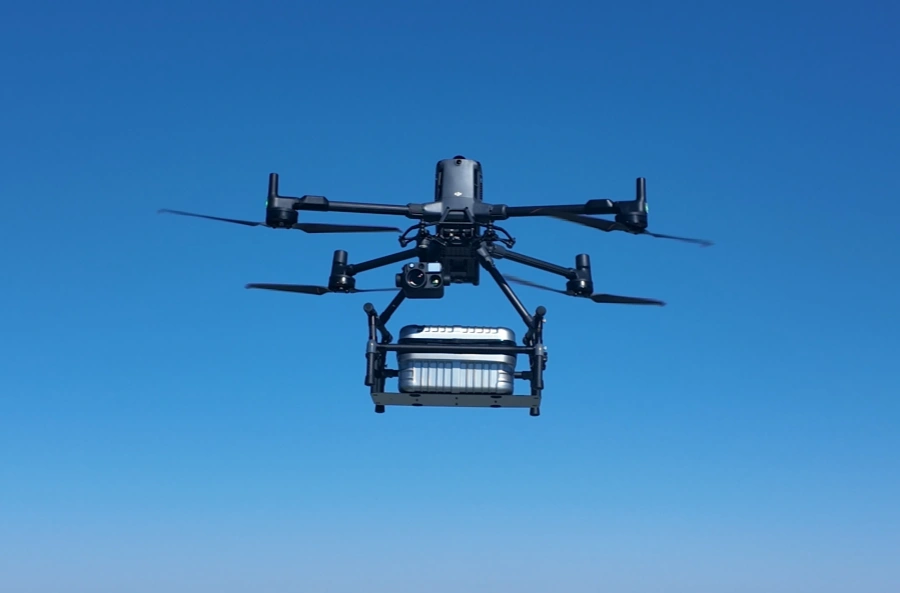
From commercial UAV systems and industrial inspection drones to autonomous aerial platforms, aluminum components remain one of the most widely used material choices because of their excellent strength-to-weight ratio, corrosion resistance, and machining performance.
However, producing high-quality aluminum drone parts with CNC machining is not simply about cutting metal into shape. Thin-wall structures, complex geometries, and strict consistency requirements create many challenges during production.
1. Why Aluminum Is Widely Used for Drone Components
Aluminum alloys are widely used in UAV manufacturing because they provide an excellent balance between weight, strength, and machinability.
Common aluminum materials for CNC machined drone parts include:
- 6061 Aluminum – Excellent machinability, corrosion resistance, and cost-effective for prototypes and low-volume production.
- 7075 Aluminum – Higher strength and commonly used for lightweight high-performance structural components.
The correct material selection depends on load requirements, environmental conditions, weight limitations, and production volume.
2. How Accurate Does CNC Machining Need to Be for Drone Parts?
Many aluminum drone components may not appear to require extreme tolerances when looking only at the drawing.
However, the real challenge is maintaining relationships between multiple features, including:
- Mounting hole position accuracy
- Surface alignment during assembly
- Flatness and parallelism
- Consistency between production batches
For precision UAV components, tolerances around ±0.01 mm may already require careful process control and inspection.
3. Why Lightweight Drone Parts Are More Difficult to Machine
Weight reduction is one of the most important goals in drone design. However, lighter structures usually create more machining challenges.
- Thin walls reduce part rigidity and increase deformation risk.
- Deep pockets can release internal stress after material removal.
- Complex rib structures require careful machining sequences.
Without proper CNC programming and process planning, even high-precision machines may struggle to maintain final dimensions.
4. Does Every Drone Part Require 5-Axis CNC Machining?
Not every UAV component requires five-axis machining.
The correct process depends on part geometry, tolerance requirements, and production quantity.
5-axis CNC machining provides advantages when parts contain:
- Multiple angled surfaces
- Complex aerospace-style shapes
- Difficult-to-reach features
- Strict positional accuracy requirements
5. Why Do Some Drone Parts Pass First Article Inspection but Fail During Production?
This is a common challenge in precision CNC machining.
Typical causes include:
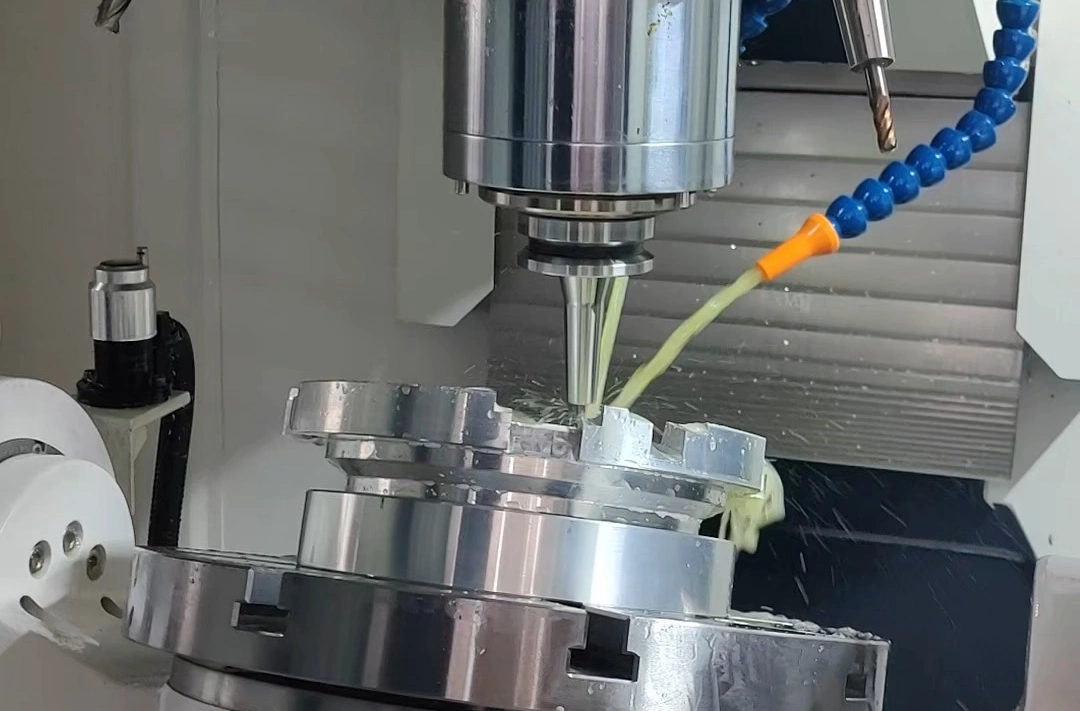
- Cutting heat and thermal movement
- Improper machining sequence
- Multiple setups creating accumulated positioning errors
- Tool wear during production runs
A reliable supplier must create a stable manufacturing process instead of relying only on inspection after production.
6. Design Considerations for CNC Machined Drone Parts
Good design can significantly improve machining efficiency and quality.
- Avoid extremely thin walls whenever possible.
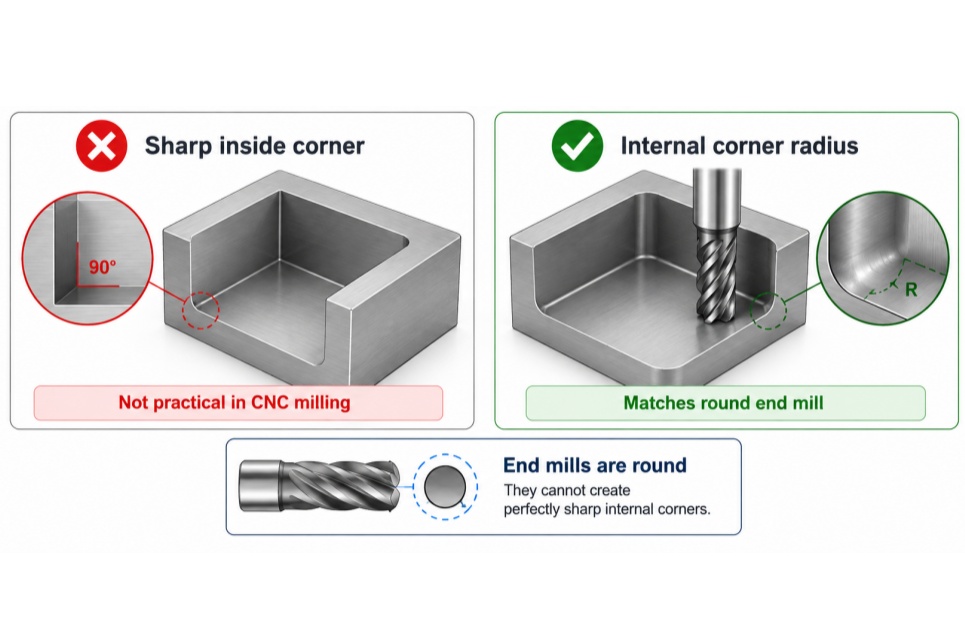
- Use reasonable internal corner radii.
- Consider tool access during design.
- Avoid unnecessary deep cavities.
Early DFM feedback from an experienced CNC supplier can help reduce machining risks before production begins.
7. Quality Control for Aluminum UAV Components
Precision drone parts require more than accurate CNC machines.
A complete quality process should include:
- Raw material verification
- First article inspection
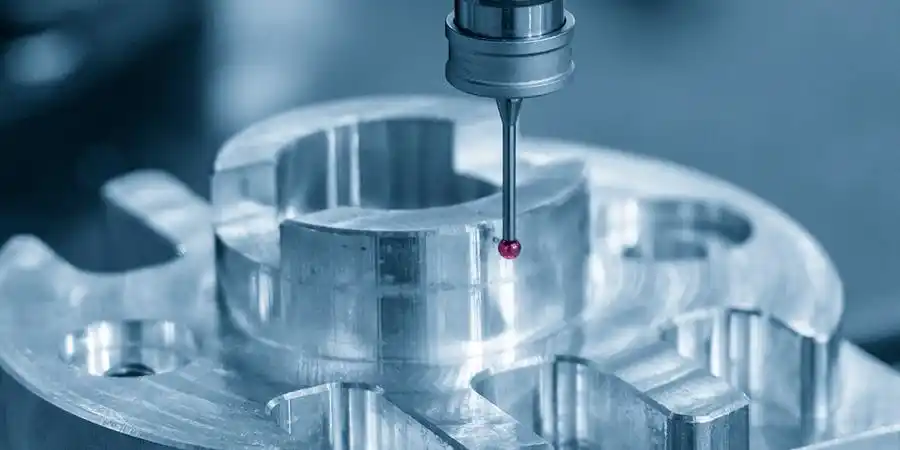
- In-process measurement
- Final dimensional inspection
- Surface quality inspection
8. Choosing a Reliable CNC Machining Supplier for Drone Parts
When selecting a CNC supplier for aluminum UAV components, companies should evaluate:
- Experience with complex aluminum structures
- Engineering communication ability
- Stable production capability
- Complete inspection processes
A reliable manufacturing partner helps reduce redesign, delays, and unexpected production issues.
CNC Machining for Aluminum Drone Parts at CNCTAL
CNCTAL is a precision CNC machining supplier located in Dongguan, Guangdong, China.
We support drone manufacturers, engineering companies, and product developers with:
- CNC milling for aluminum UAV components
- 5-axis CNC machining
- Prototype machining
- Low-volume production
- 6061 and 7075 aluminum machining
- Surface finishing solutions
- Precision inspection support
From prototype development to repeat production, our engineering team works closely with customers to improve manufacturability and maintain consistent quality.
Final Thoughts
Aluminum drone parts may look lightweight and simple, but achieving stable production requires careful control of machining processes, material behavior, and inspection methods.
The difference between a basic CNC supplier and an experienced manufacturing partner is the ability to consistently produce parts that perform reliably in real applications.
Need Custom CNC Machined Drone Parts?
Send your CAD files or drawings to CNCTAL. Our engineering team will review your project and provide professional CNC machining feedback and quotation.
Get CNC Machining Quote