
CNC Machining for Sensor Components: Precision Manufacturing for High-Performance Sensors
Sensor components require tight tolerances, stable surface quality, and reliable material performance. CNC machining helps manufacturers produce precision sensor parts for automation, medical devices, aerospace, electronics, and industrial applications.
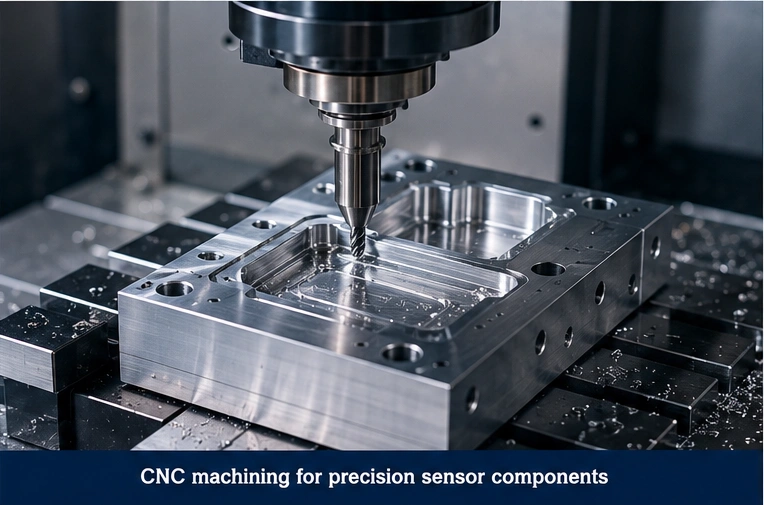
With the rapid advancement of technology, sensors are being used more widely across industries than ever before. From industrial automation and smart home systems to medical devices, aerospace equipment, and electronic devices, sensors play a critical role in collecting, measuring, and transmitting data.
As a key part of sensor systems, the precision and quality of sensor components directly affect sensor performance, sensitivity, stability, and long-term reliability. This article explains how CNC machining for sensor components supports high-precision manufacturing and why it is important for modern sensor applications.
What Is CNC Machining?
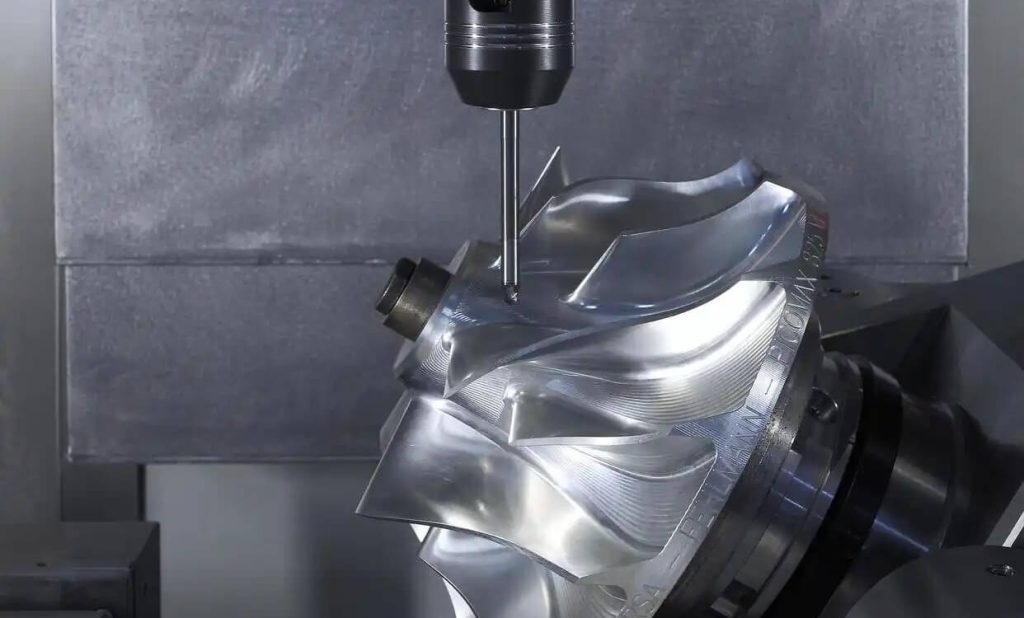
CNC machining, or Computer Numerical Control machining, is a modern manufacturing process that uses programmed machine tools to remove material and create precise parts. Compared with conventional manual machining, CNC machining provides better accuracy, repeatability, efficiency, and production consistency.
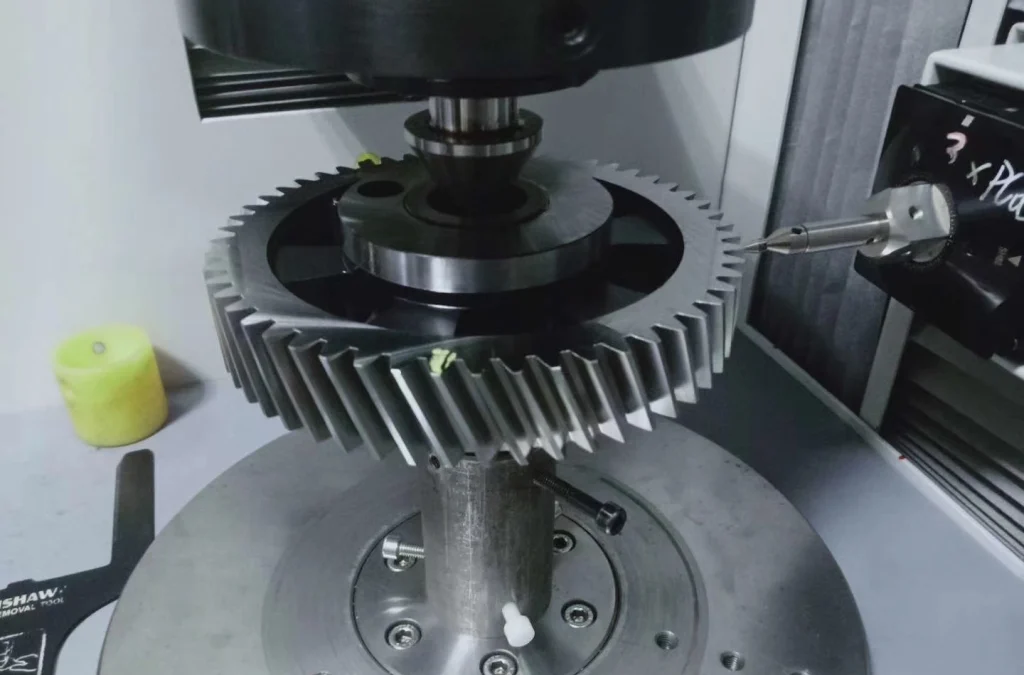
For sensor components, CNC machining helps ensure that every part meets strict dimensional and geometric requirements. This is especially important when small deviations may affect sensor assembly, calibration, sealing, or measurement performance.
High Accuracy
Supports tight tolerances and stable dimensions for precision sensor parts.
Repeatability
Helps maintain consistent quality from prototype samples to production batches.
Material Flexibility
Suitable for aluminum, stainless steel, titanium, brass, copper, and engineering plastics.
Special Requirements for Sensor Component Machining
Sensor parts often have stricter manufacturing requirements than general mechanical components. Their function is closely related to measurement accuracy, sealing performance, structural stability, and environmental resistance.
High Precision Requirements
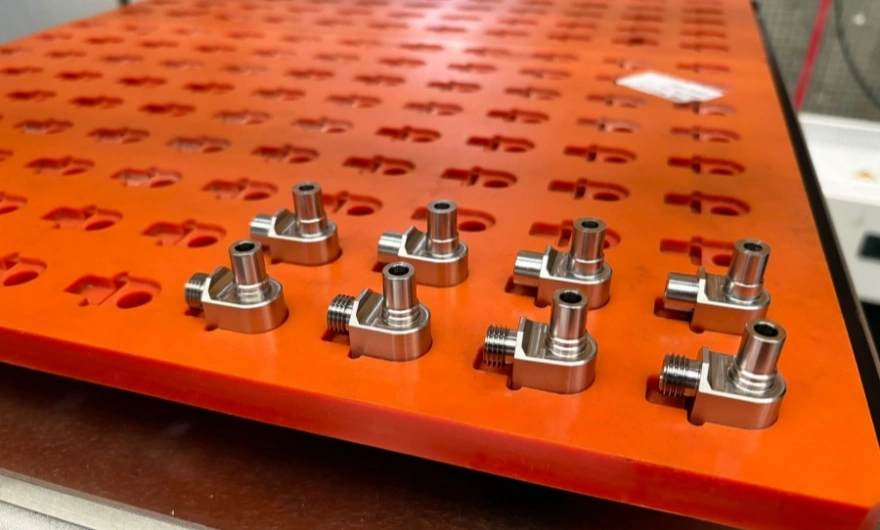
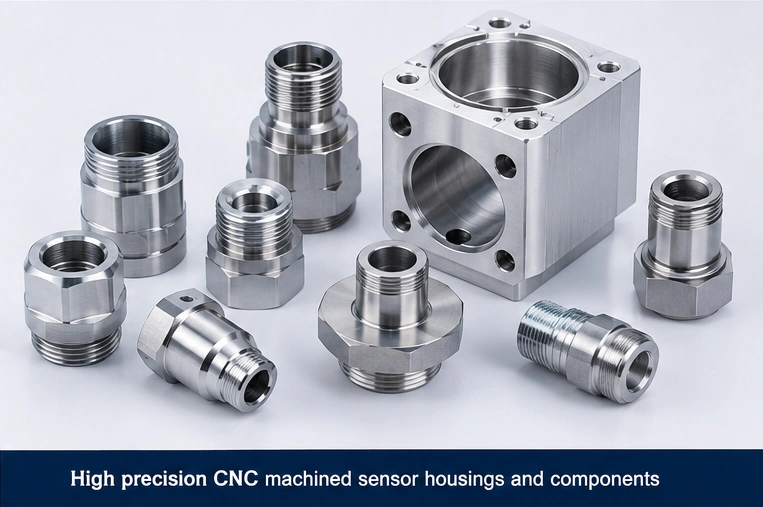
Many sensor components require tight dimensional tolerances and stable geometric accuracy. For example, sensor housings, mounting seats, threaded connectors, and precision internal features must often match other electronic, optical, or mechanical assemblies.
Typical requirements may include accurate hole positioning, controlled flatness, high concentricity, fine threads, and burr-free edges. CNC machining allows these features to be produced with reliable repeatability.
Surface Finish and Surface Quality
Surface quality is also important for sensor component manufacturing. Some parts require fine finishing to improve sealing, durability, assembly performance, or measurement stability.
For pressure sensor components, precision metal parts may require smooth surfaces, controlled roughness, and careful edge finishing. For optical or electronic sensor assemblies, clean surfaces and stable dimensions are also important for reliable performance.
Practical note: Surface finish depends on machining strategy, cutting tools, material type, cutting parameters, and secondary processes such as polishing, anodizing, passivation, plating, or sandblasting.
Material Selection Challenges
Material selection is another key factor in sensor component CNC machining. Different sensor applications require different material properties, such as corrosion resistance, thermal stability, electrical conductivity, strength, stiffness, or optical performance.
During CNC machining, each material behaves differently. Stainless steel may require stable cutting control, aluminum offers excellent machinability, titanium requires careful heat management, and engineering plastics may need special attention to avoid deformation.
Applications of CNC Machining in Sensor Component Manufacturing
CNC machining is widely used to manufacture different types of sensor components for industrial, automotive, medical, aerospace, and electronic applications.
| Sensor Type | Common CNC Machined Components | Key Manufacturing Requirements |
|---|---|---|
| Temperature Sensors | Housings, connectors, sleeves, mounting parts | Dimensional accuracy, thermal stability, reliable assembly |
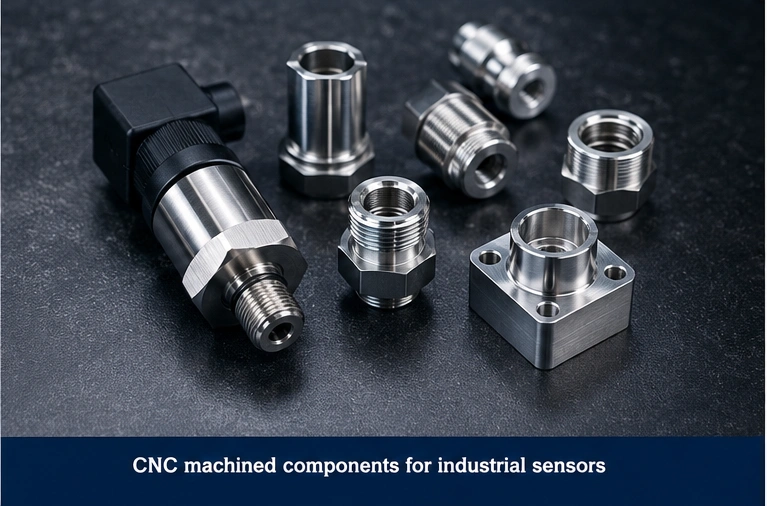
| Pressure Sensors | Sensor bodies, threaded ports, support structures, precision housings | Surface quality, sealing performance, corrosion resistance |
| Optical Sensors | Mounting frames, lens holders, brackets, alignment parts | Positioning accuracy, clean surfaces, stable geometry |
| Accelerometers | Structural parts, mounting bases, small precision metal components | Strength, stiffness, repeatability, lightweight design |
Common Materials Used for CNC Sensor Components
The best material depends on the sensor type, working environment, mechanical load, and performance requirements. Common materials for CNC sensor components include:
- Aluminum alloys: lightweight, easy to machine, suitable for housings and brackets.
- Stainless steel: corrosion-resistant and durable for industrial and medical applications.
- Titanium alloys: high strength-to-weight ratio and good corrosion resistance.
- Brass and copper: useful for electrical conductivity, connectors, and specialized components.
- Engineering plastics: suitable for insulation, lightweight structures, and custom sensor fixtures.
Why CNC Machining Is Important for Sensor Manufacturing
CNC machining technology not only improves production accuracy and efficiency but also contributes to the overall reliability of sensor systems. For many sensor parts, quality issues such as burrs, poor surface finish, dimensional errors, or unstable threads may affect assembly and performance.
With proper CNC machining, manufacturers can achieve stable quality across prototypes, low-volume production, and repeat production orders.
Prototype Development
Supports rapid testing of sensor housings, mounting designs, and small functional components.
Low-Volume Production
Suitable for specialized sensors, custom devices, and engineering validation parts.
Stable Quality Control
Helps maintain consistent dimensions and surface quality for reliable sensor performance.
Final Thoughts
The growing demand for sensors across industrial automation, medical technology, aerospace, electronics, and smart devices is driving higher requirements for component precision and manufacturing quality.
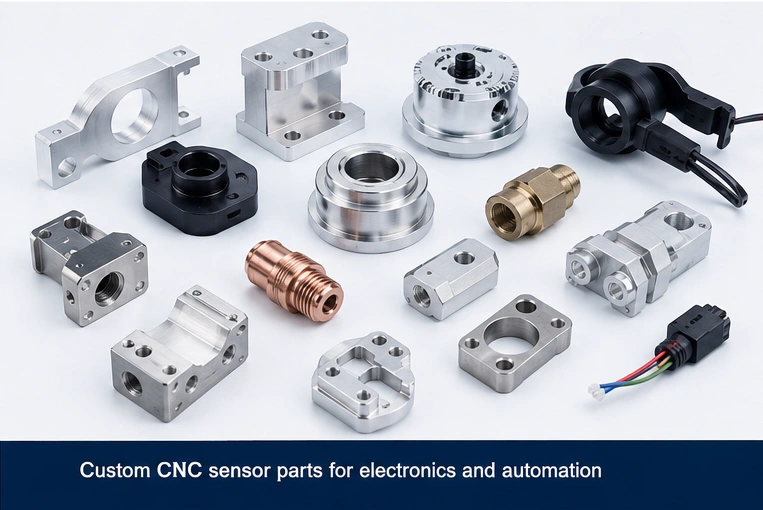
CNC machining provides an effective solution for producing high-precision sensor components with reliable dimensional accuracy, surface quality, and material adaptability.
At CNCTAL, we provide custom CNC machining services for precision sensor components, industrial parts, and complex engineering applications. Our team can support CNC milling, CNC turning, 5-axis machining, and surface finishing for prototype and low-volume production needs.
Need Custom CNC Machined Sensor Components?
Send us your 2D drawings, 3D CAD files, material requirements, tolerance needs, and quantity details. CNCTAL can help evaluate the best CNC machining solution for your sensor parts.
Upload CAD for Quote