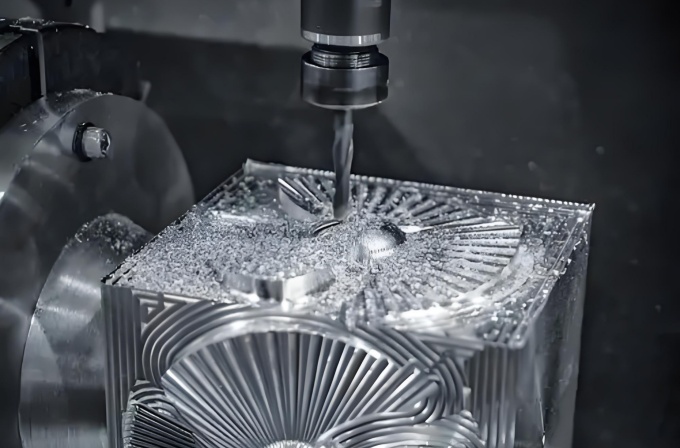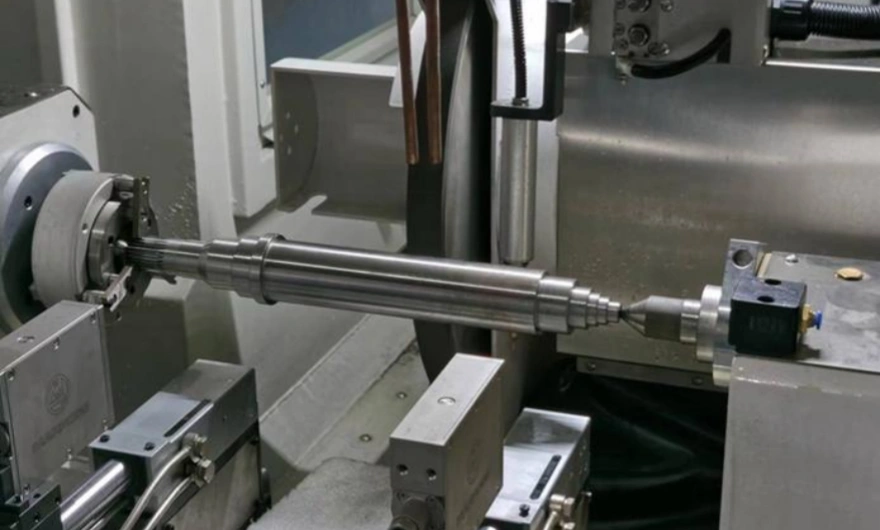

CNC Machined Aluminum Parts for Automation Equipment
Automation equipment depends on lightweight, accurate, and reliable mechanical components. CNC machined aluminum parts help improve machine efficiency, motion accuracy, assembly stability, and long-term performance in modern industrial automation systems.
Automation equipment is now used across almost every manufacturing industry, from packaging lines and assembly machines to semiconductor systems, inspection equipment, robotic workstations, and electric vehicle production lines.
Behind these machines are many precision mechanical parts. Among all available materials, aluminum is one of the most widely used choices because it offers a strong balance of weight, strength, machinability, surface finish, and cost.
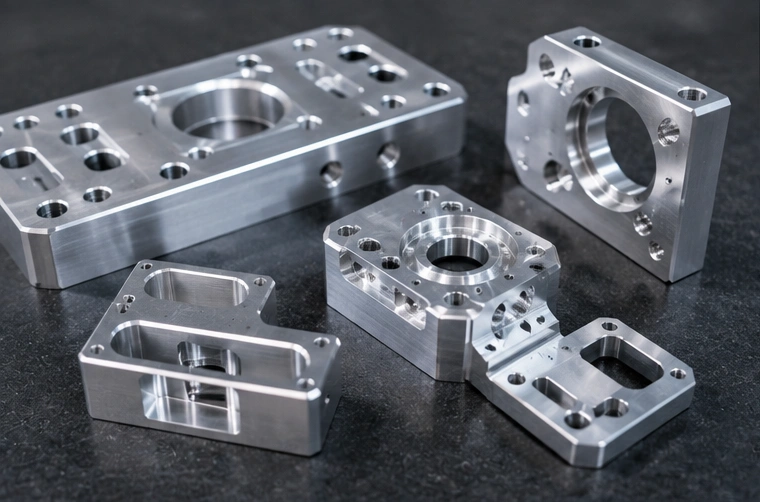
In automation equipment, aluminum parts are not only used to reduce weight. They also help improve motion response, simplify assembly, and support stable machine operation over long production cycles.
Why Aluminum Is Widely Used in Automation Equipment
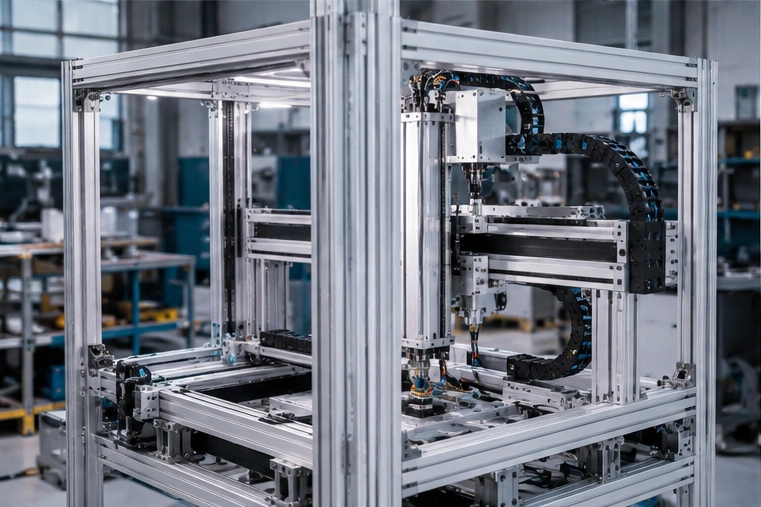
Automation equipment often includes moving modules, machine frames, sensor brackets, guide rail supports, gripper components, and custom fixtures. These parts need to be strong enough for operation, but light enough to reduce load on motors and motion systems.
Aluminum is much lighter than steel, easier to machine, and suitable for many surface treatments such as anodizing, sandblasting, and hard anodizing. This makes it a practical material for both prototype development and production manufacturing.
Lightweight Structure
Aluminum reduces moving mass, helping automation machines achieve faster response and lower motor load.
Good Machinability
Aluminum can be machined efficiently, which helps shorten lead times and reduce manufacturing cost.
Stable Performance
Precision machined aluminum parts provide reliable fit, alignment, and repeatable assembly quality.
Professional Finish
Anodizing and sandblasting create a clean, durable, and professional appearance for machine components.
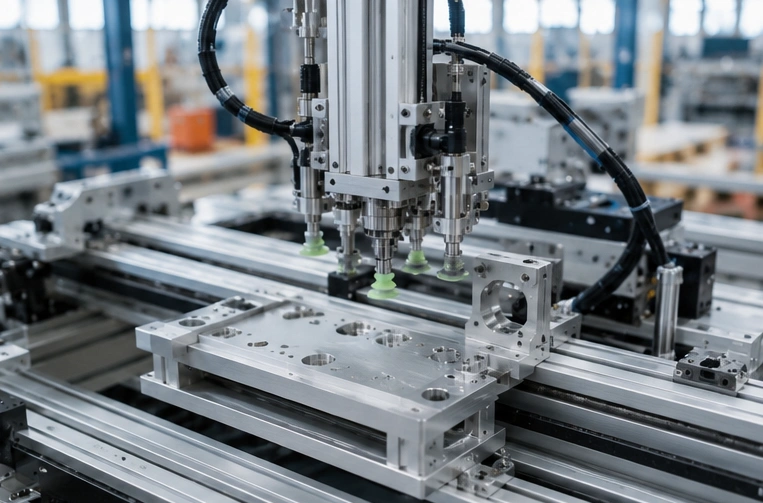
Common CNC Machined Aluminum Parts for Automation Equipment
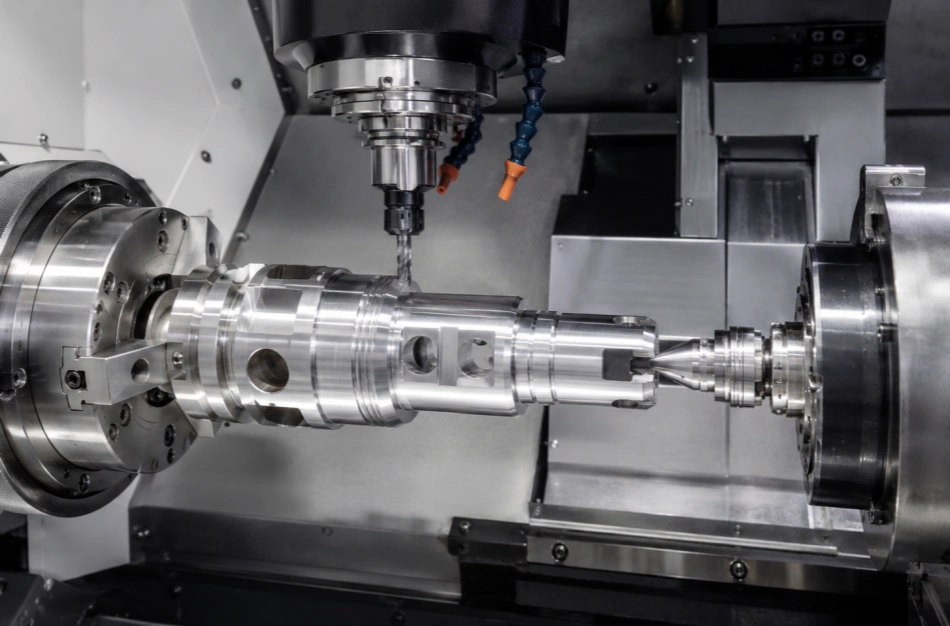
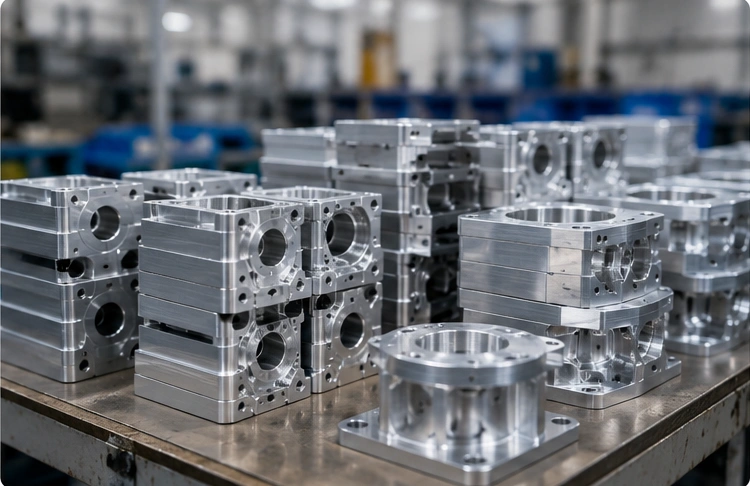
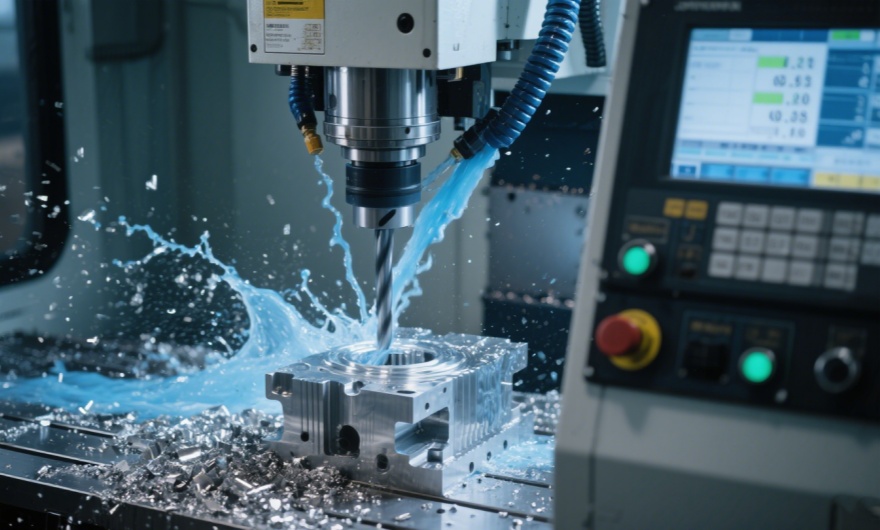
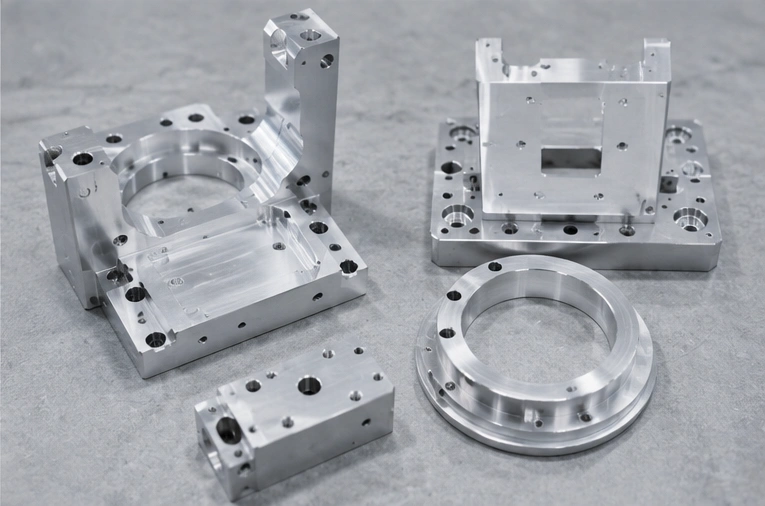
CNC machining is suitable for many custom aluminum parts used in automation systems. These components often require accurate hole positions, flat mounting surfaces, precise slots, threaded holes, and stable dimensional control.
Best Aluminum Grades for Automation Components
Aluminum 6061
A common choice for automation parts. It offers good strength, excellent machinability, corrosion resistance, and reliable anodizing results.
Aluminum 6063
Often used when appearance and surface finish are important. Suitable for covers, housings, profiles, and lighter structural parts.
Aluminum 7075
Selected for higher-strength applications, such as high-load brackets, motion system parts, and precision structural components.
How CNC Machining Improves Automation Equipment Performance
Better Assembly Accuracy
Accurate hole positions, flatness, and machined surfaces help reduce assembly adjustment time.
Improved Motion Stability
Precision components help maintain alignment between motors, bearings, linear guides, and drive systems.
Reduced Machine Weight
Lightweight aluminum parts can improve acceleration and reduce stress on moving mechanisms.
Reliable Long-Term Operation
High-quality machining reduces vibration, misalignment, and premature mechanical wear.
Surface Finishing Options for Aluminum Automation Parts
Surface finishing improves both the appearance and performance of aluminum parts. For automation equipment, the most common options include clear anodizing, black anodizing, hard anodizing, sandblasting, polishing, and powder coating.
Sandblasting with anodizing is especially popular for machine components because it creates a clean matte surface and reduces visible machining marks.
From Prototype to Production
Automation equipment manufacturers often need fast design changes during the development stage. CNC machining allows engineers to produce functional aluminum prototypes without expensive tooling.
After testing and validation, the same machining process can support low-volume production, pilot runs, and repeat production batches.
CAD Review
Review drawings, tolerances, materials, and finishing requirements.
Prototype Machining
Produce functional samples for assembly and motion testing.
Surface Finishing
Apply anodizing, sandblasting, polishing, or other finishing options.
Batch Production
Support small-batch and repeat production for automation projects.
Why Automation Equipment Manufacturers Choose CNCTAL
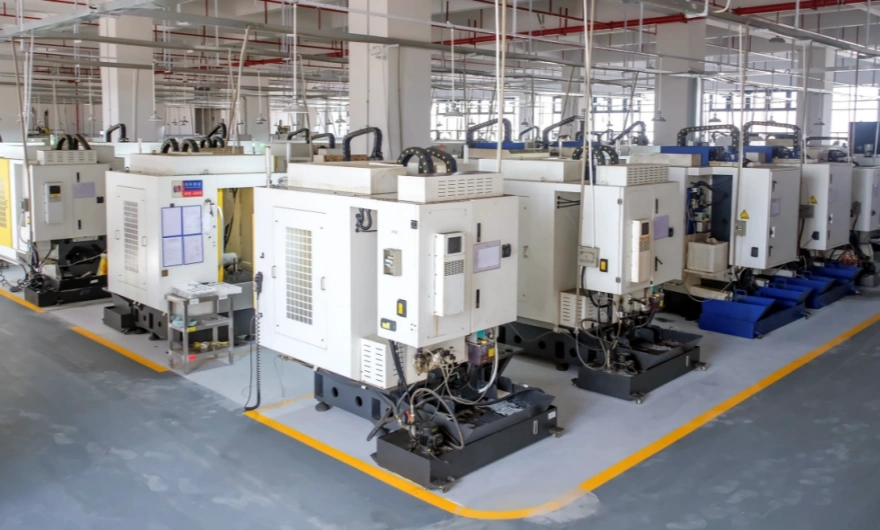
CNCTAL provides precision CNC machining services for automation equipment, robotics components, industrial machinery, inspection systems, and custom mechanical assemblies.
CNC Milling & Turning
3-axis, 4-axis, and 5-axis CNC milling, plus CNC turning for shafts, bushings, housings, and round components.
Aluminum Material Options
Aluminum 6061, 6063, 6082, 7075, and other alloys for automation and industrial applications.
Precision Tolerance
We support precision machining requirements up to ±0.01 mm for critical features.
Global Shipping
We support overseas customers in Europe, North America, and other markets with prototype and production orders.
Conclusion
CNC machined aluminum parts play an important role in modern automation equipment. They help reduce weight, improve motion accuracy, simplify assembly, and support long-term machine reliability.
Whether you need aluminum mounting plates, sensor brackets, gripper components, machine frames, or custom automation fixtures, precision CNC machining provides a flexible and reliable manufacturing solution.
If you are developing automation equipment and need custom aluminum CNC parts, CNCTAL can help turn your CAD drawings into high-quality machined components.
Need CNC Machined Aluminum Parts for Automation Equipment?
Upload your CAD files and drawings. CNCTAL engineers will review your project and provide a fast quotation for custom aluminum automation components.
Request a QuoteFrequently Asked Questions About CNC Machined Aluminum Parts for Automation Equipment
Why is aluminum commonly used in automation equipment?
Aluminum offers an excellent balance of strength, lightweight performance, corrosion resistance, and machinability. Compared with steel, aluminum reduces moving mass, helping automation systems achieve faster motion and lower energy consumption.
What is the best aluminum grade for automation equipment parts?
Aluminum 6061 is the most widely used grade because it provides good strength, excellent machinability, and cost efficiency. For applications requiring higher strength and rigidity, aluminum 7075 is often preferred.
Can CNC machining produce custom automation equipment components?
Yes. CNC machining is ideal for producing custom machine frames, mounting plates, sensor brackets, robotic grippers, end-effector adapters, bearing housings, and other precision automation components directly from CAD files.
What tolerance can CNC machined aluminum parts achieve?
For most automation equipment applications, CNC machining can achieve tolerances of ±0.02 mm. For critical features and precision assemblies, tolerances up to ±0.01 mm are commonly achievable depending on part geometry and inspection requirements.
What surface finishes are available for aluminum automation parts?
Common finishing options include clear anodizing, black anodizing, hard anodizing, sandblasting, polishing, brushing, powder coating, and chemical conversion coatings. Anodizing is particularly popular for improving corrosion resistance and appearance.
Can CNC machined aluminum parts be used in robotic systems?
Absolutely. Aluminum components are widely used in robotic arms, grippers, sensor mounts, machine vision systems, and automation workstations because of their lightweight properties and excellent dimensional stability.
Does CNCTAL support prototypes and low-volume production?
Yes. CNCTAL supports everything from one-piece prototypes to low-volume and production manufacturing. We help automation equipment manufacturers accelerate development while maintaining precision and quality.