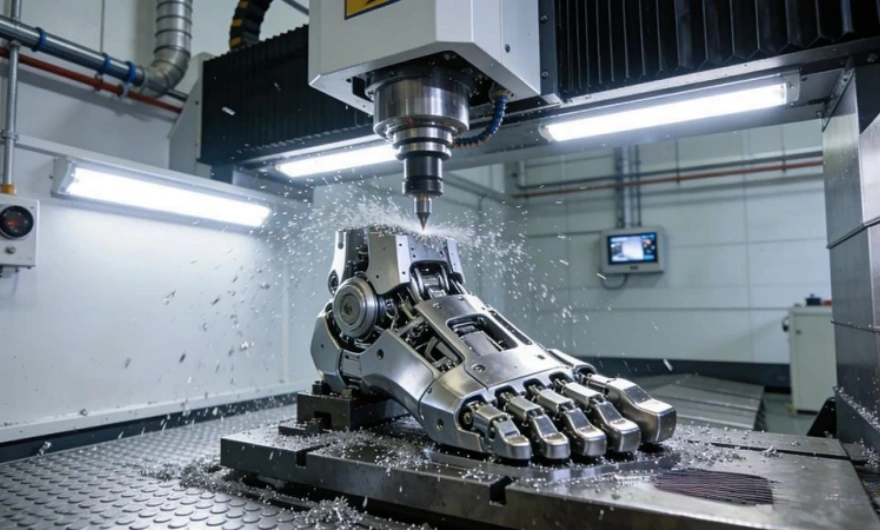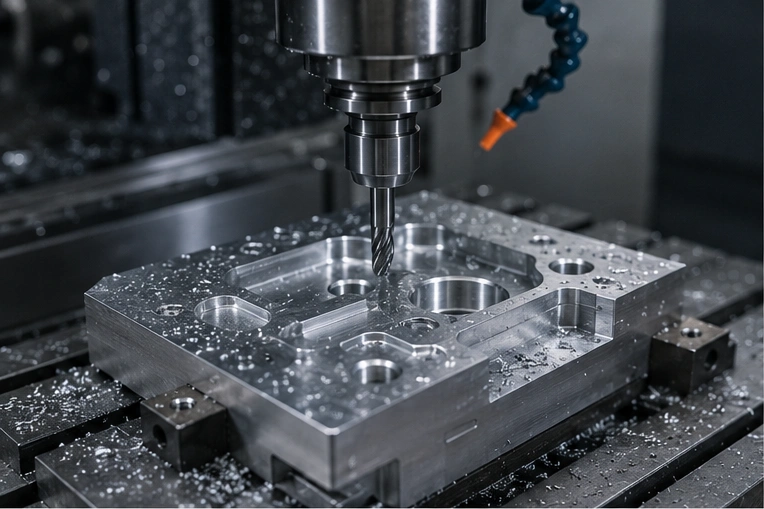

CNC Machining for AI Server Liquid Cooling Plates: Challenges in Precision, Surface Finish, and Mass Production
The rapid development of artificial intelligence (AI) has dramatically increased the demand for high-performance computing systems.
Modern AI servers equipped with powerful GPUs and processors generate significantly higher heat than traditional computing equipment. As computing density continues to increase, conventional air cooling solutions are becoming more difficult to maintain stable performance.
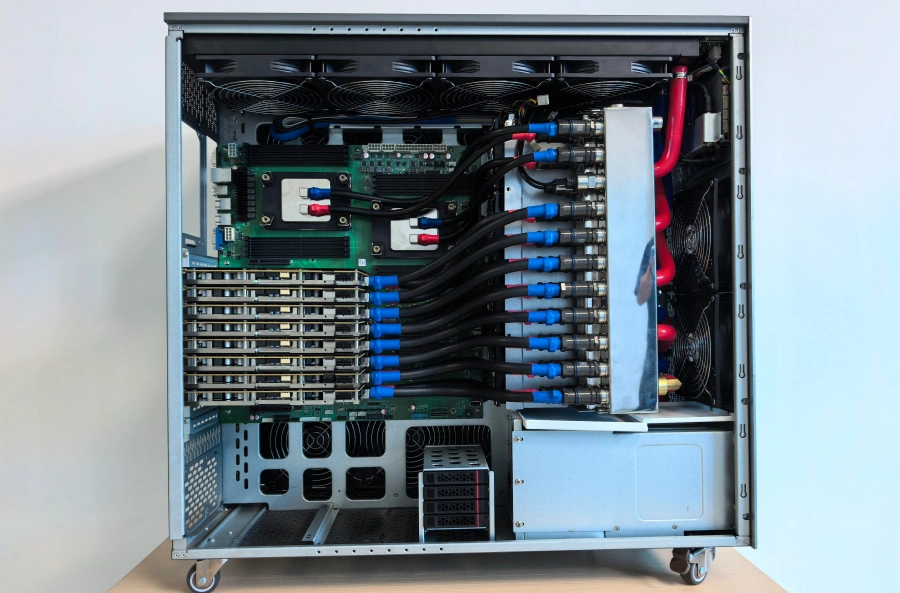
Liquid cooling technology has become a critical solution for next-generation data centers, and CNC machined liquid cooling plates are one of the most important components in these systems.
1. Why AI Servers Require Advanced Liquid Cooling Solutions
AI workloads such as machine learning, large language models, and high-performance computing require increasingly powerful processors.
Modern GPUs and AI accelerators generate extremely high thermal density in compact spaces, creating new challenges for thermal management.
Compared with traditional air cooling, liquid cooling provides higher heat transfer efficiency and better support for high-density computing systems.
Typical liquid cooling systems include:
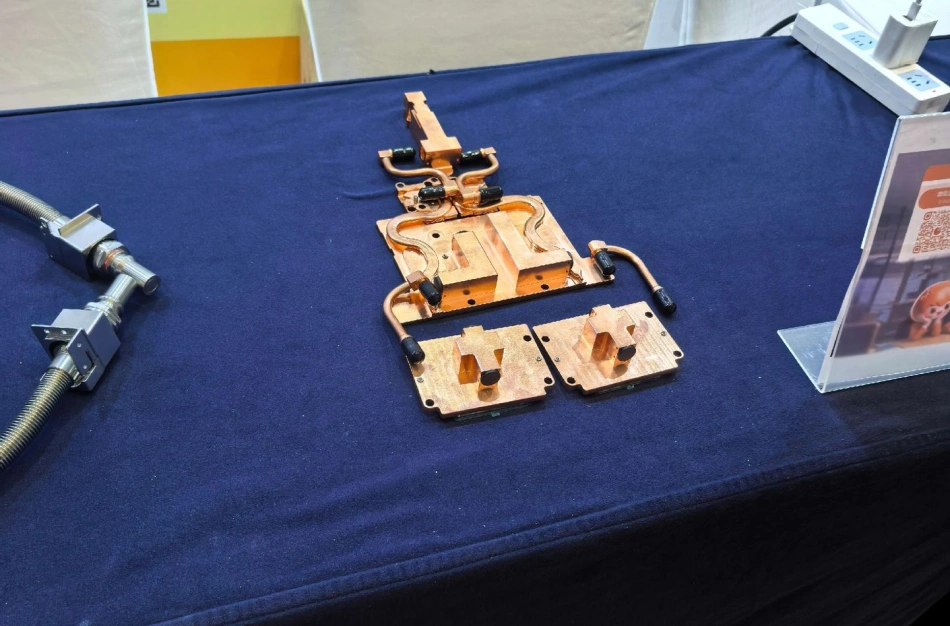
- Liquid cooling plates (cold plates)
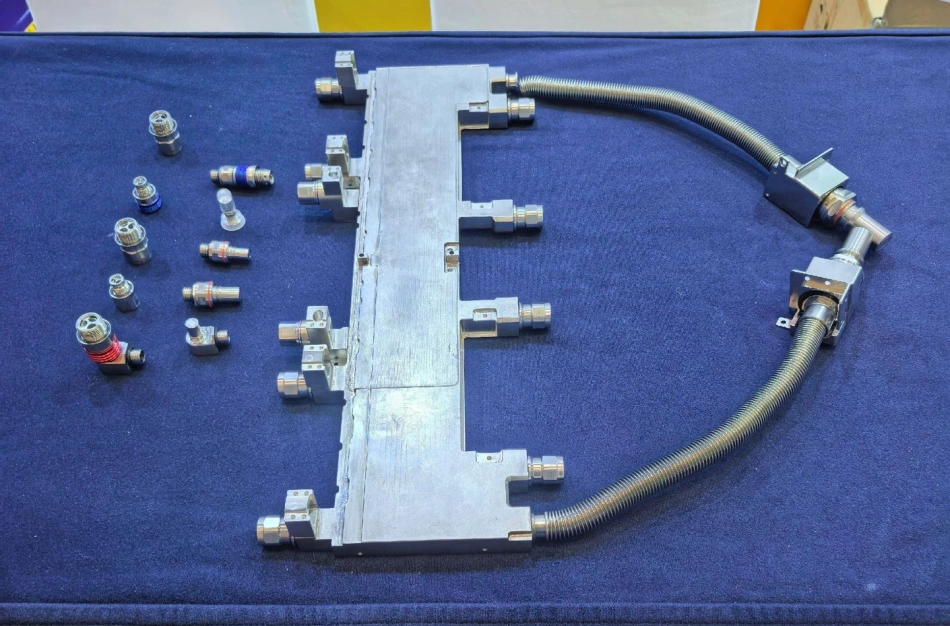
- Liquid cooling connectors
- Cooling manifolds
- Precision fittings and tubing systems
Among these components, the cold plate directly affects thermal performance because it transfers heat away from high-power chips.
2. CNC Machining Challenges for AI Liquid Cooling Plates
Although liquid cooling plates may look like simple aluminum blocks, the actual manufacturing process is highly demanding.
A precision CNC machined cooling plate typically includes:
- Internal coolant channels
- Precision sealing surfaces
- Mounting holes
- Flat thermal contact areas
The machining process must control both external dimensions and internal channel accuracy.
Challenge 1: Achieving High Precision Dimensional Control
AI liquid cooling components often require very tight dimensional control because small machining errors may affect thermal contact and sealing performance.
Important characteristics include:
- Flatness
- Parallelism
- Channel dimensions
- Hole position accuracy
Achieving stable precision requires optimized machining parameters, rigid fixtures, and reliable inspection processes.
Challenge 2: Maintaining High Surface Finish Quality
Surface finish plays an important role in liquid cooling performance.
The contact surface between the cooling plate and heat source requires excellent flatness and smoothness to improve thermal transfer efficiency.
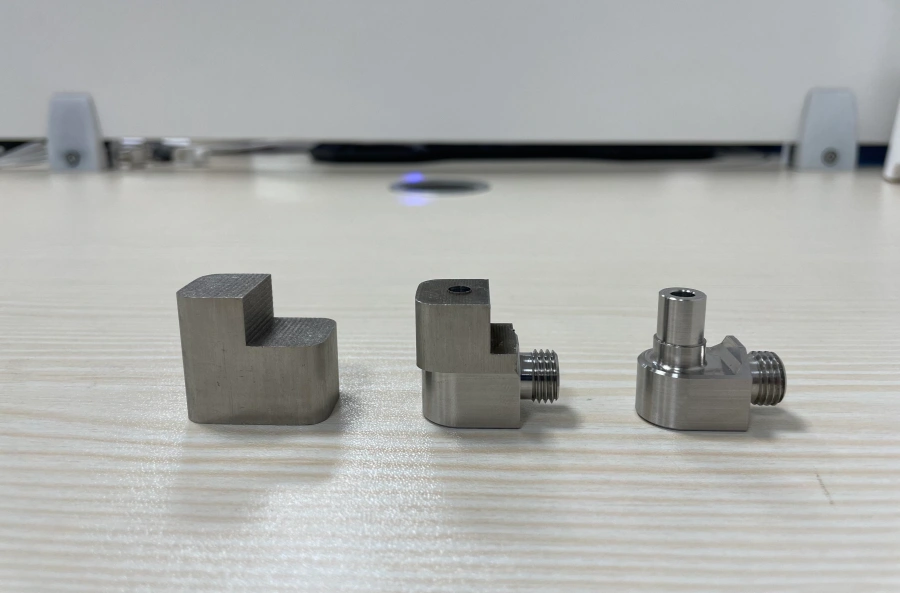
Challenge 3: Machining Complex Internal Cooling Channels
The internal channel design determines how efficiently coolant removes heat from the system.
Modern cooling plates often include:
- Micro channels
- Complex flow paths
- Multi-level internal structures
These designs improve thermal performance but also increase CNC machining difficulty.
Engineers must consider:
- Tool accessibility
- Chip removal
- Burr control
- Sealing requirements
3. Material Selection for CNC Machined Liquid Cooling Components
Aluminum alloys are widely used for liquid cooling components because of their excellent thermal conductivity, lightweight properties, and machining performance.
6061 Aluminum
6061 aluminum provides excellent machinability and stable dimensional performance, making it suitable for many cooling plates and manifolds.
Copper Materials
Copper offers higher thermal conductivity but requires more challenging machining processes and higher production cost.
Material selection depends on thermal requirements, weight limitations, and application conditions.
4. Why Stable Mass Production Is More Difficult Than Prototype Machining
Producing one successful prototype is different from maintaining stable production.
During repeated manufacturing, suppliers must control:
- Tool wear
- Machine consistency
- Material variation
- Temperature changes
- Inspection repeatability
For AI server cooling components, stable batch-to-batch performance is often more important than producing only one perfect sample.
5. Quality Inspection Requirements for Liquid Cooling Components
Because liquid cooling systems directly affect expensive AI hardware, quality control is critical.
Inspection processes may include:
- Dimensional measurement
- CMM inspection
- Surface finish inspection
- Leak testing
Professional CNC suppliers combine machining control and inspection capability to ensure reliable performance.
6. CNC Machining Capabilities Needed for AI Cooling Components
A qualified supplier should have:
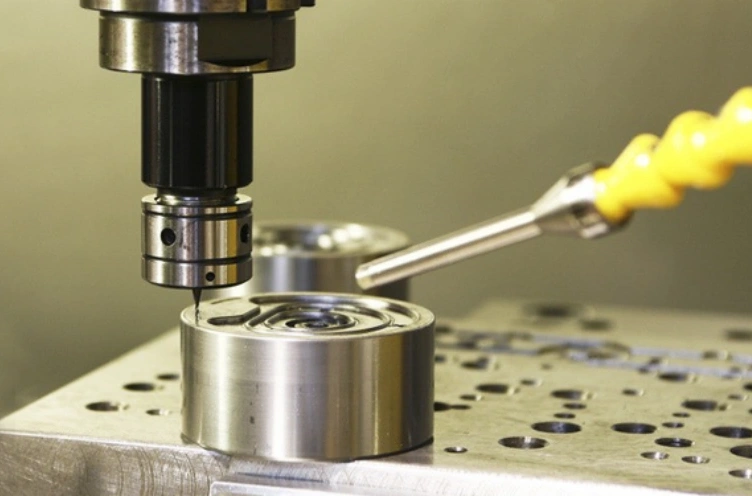
- High precision CNC milling equipment
- 3-axis and 5-axis machining capability
- Experience with aluminum and copper machining
- Advanced inspection equipment
- Engineering support for DFM optimization
For advanced liquid cooling applications, manufacturing experience is often the difference between prototype success and reliable production.
CNC Machining for AI Liquid Cooling Components at CNCTAL
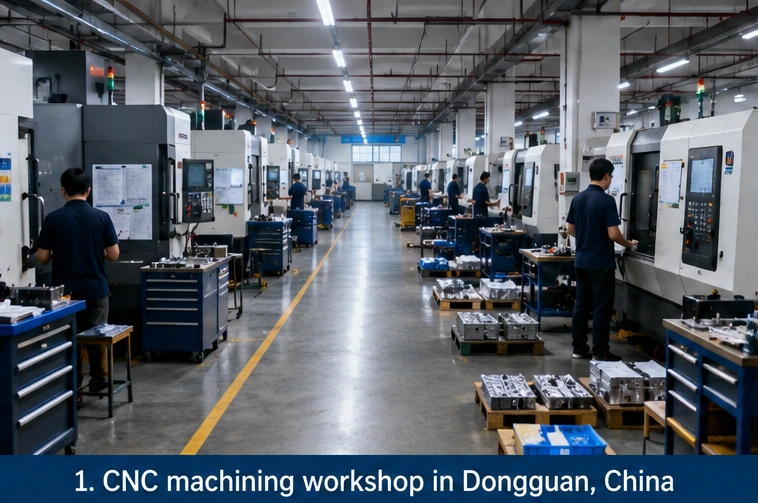
CNCTAL is a precision CNC machining supplier located in Dongguan, Guangdong, China.
We support engineering teams and technology companies with custom machining solutions including:
- AI server liquid cooling plates
- Liquid cooling connectors and manifolds
- Precision aluminum components
- Prototype and low-volume production
- Surface finishing solutions
- Quality inspection support
Our engineering team works with customers to improve manufacturability, control tolerances, and achieve stable production results.
Final Thoughts
AI computing is pushing thermal management technology into a new generation.
Liquid cooling plates and related components require manufacturers to achieve three critical goals:
- High precision machining
- Excellent surface quality
- Stable production capability
As AI servers continue to evolve, precision CNC machining will play an increasingly important role in supporting next-generation data center cooling systems.
Need CNC Machined Liquid Cooling Components?
Send your CAD drawings or 3D files to CNCTAL. Our engineering team will review your project and provide CNC machining solutions for AI cooling applications.
Get CNC Machining Quote